It is becoming increasingly clear that the concept of the absolutely sovereign nation-state is a dangerous anachronism in a world of thermonuclear weapons, instantaneous communication, and economic interdependence.
Probably our best hope for the future lies in developing the United Nations into a World Federation. The strengthened United Nations should have a legislature with the power to make laws that are binding on individuals, and the ability to arrest and try individual political leaders for violations of these laws.
The world federation should also have the power of taxation, and the military and legal powers necessary to guarantee the human rights of ethnic minorities within nations.
(New York) – The authorities in India are increasingly using summary and abusive punishments against Muslims deemed to have broken the law, Human Rights Watch said today [7 October 2022].
As other nations return to state-led investment, Truss and Kwarteng act to weaken our democracy, economy and rights.
UK prime minister and Chancellor Liz Truss and Kwasi Kwarteng |PA Images / Alamy Stock Photo
When Britain’s new chancellor Kwasi Kwarteng stood up on stage at the Conservative Party conference yesterday [3 October 2022], he was a lonely figure.
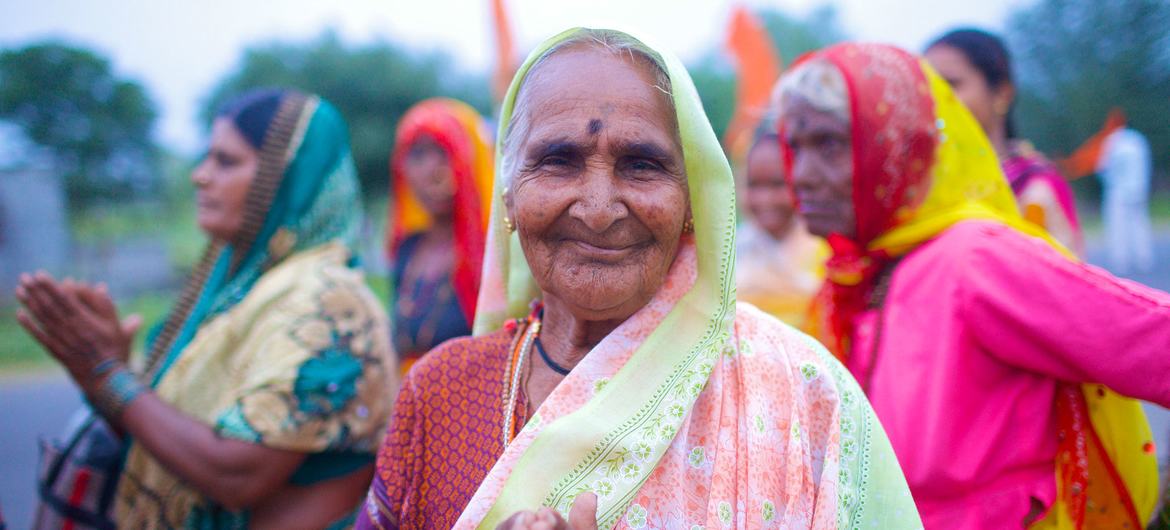
UN Secretary-General António Guterres drew attention on Saturday, the International Day of Older Persons, to the “resilience of the more than one billion older women and men” in a rapidly changing world.
“The past years have witnessed dramatic upheavals – and older people often found themselves at the epicenter of crises,” he said in a video message, adding that they are vulnerable to “a range of challenges”, including the COVID-19 pandemic, the worsening climate crisis, proliferating conflicts, and growing poverty.
“Yet in the face of these threats, older people have inspired us with their remarkable resilience”.
By 2030, 1.4 billion people will be at least 60 years old.
MADRID, Oct 3 2022 (IPS)* – While cities are seen as a symbol of glamour and comfort for a number of their residents, over one billion people continue to live in overcrowded settlements with inadequate housing. And their number is rising every single day.
.
Most cities are not able to meet the triple objective of being economically productive, socially inclusive and environmentally sustainable, according to the United Nations findings on the occasion of the World Habitat Day. Credit: Bigstock
Yes, life in urban centres represents plenty of offices, constructions, job opportunities, shops, bars, restaurants, transport systems, and health and education services. So much that 2 of 3 people are forecasted to be concentrated in urban areas by 2050.
Meghalaya, India, Sep 28 2022 (IPS)* – Some ten years ago, Sheemanto Chatri, a 39-year-old farmer hailing from India’s northeastern state of Meghalaya, was reeling with distress. The unseasonal rainfall had washed away all the crops he had cultivated after year-long labor in his far-off hamlet.
The villagers work in a forest they planted to save themselves from the ravages of climate change. Credit: Umar Manzoor Shah/IPS
In 2013, this farmer had sowed a ginger crop on his half-acre land and was hoping for a profitable yield. However, providence had willed otherwise. In September that year, unseasonal rains wreaked havoc on Sheemanto’s village, destroying his crops beyond repair.
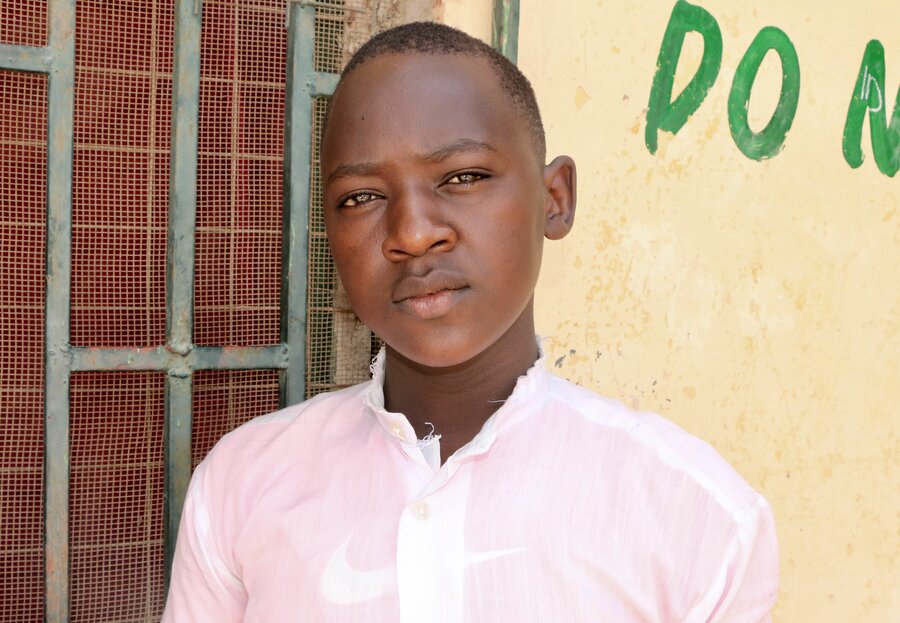
Every bean that ends up on Griffins Ochieng’s plate at Jaribu Primary School in northeastern Kenya can now be traced to a government warehouse where it was first stored.
Griffins Ochieng, aged 14, wants to be a soldier when he grows up. Photo: WFP/Martin Karimi
And that’s the idea – that nothing must go to waste in Kenya’s school meals. With the World Food Programme’s (WFP) support, meals are integrated into the government’s National Education Management Information System – an online tool that automates the management of all data and processes in the education sector.
29 September 2022 (FAO)*— Food. It is grown, harvested, processed, packaged, transported, distributed, traded, bought, prepared and then… thrown out.
Each year, approximately 14 percent of the food we produce is lost between when it is harvested and before it reaches the shops. A further 17 percent of our food ends up being wasted by retailers and consumers.
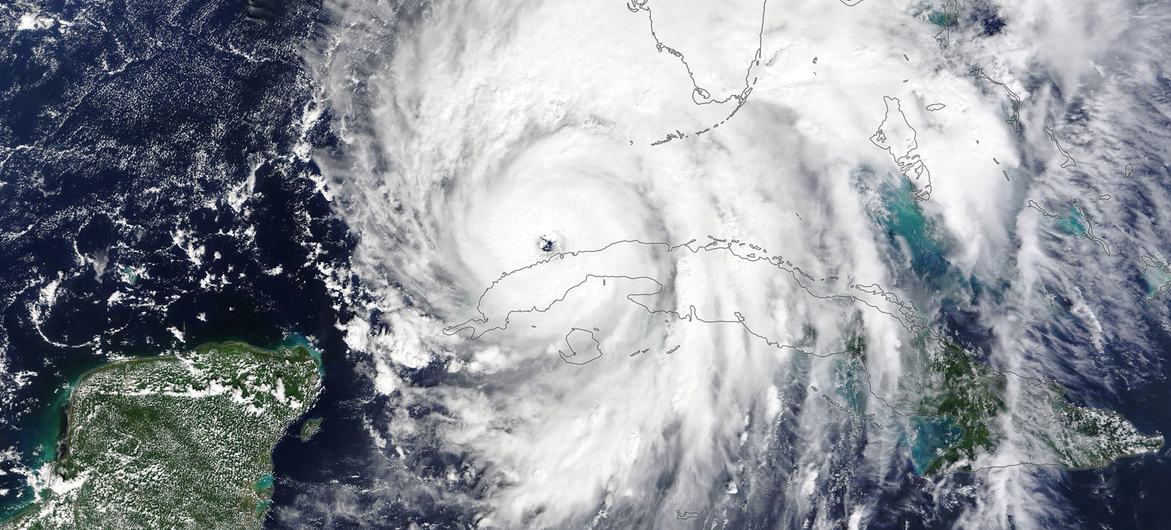
(UN News)* — Hurricane Ian caused devastation across western Cuba and increased its strength and size as it made landfall mid-afternoon local time on Wednesday [28 September 2022], in the United States; meanwhile Typhoon Noru underwent an “explosive” intensification before it hit the Philippines, the UN Meteorological agency, WMO, has said.
Hurricane Ian is tracked south of Florida on Sept. 26, 2022, by the National Oceanic and Atmospheric Administration’s (NOAA).
The two tropical cyclones came quick on the heels of Hurricane Fiona, which caused deadly flooding in the Caribbean and was the strongest storm on record to hit Canada. Typhoon Nanmadol, prompted the evacuation of nine million people in Japan.
MADRID, Sep 28 2022 (IPS)* – These are facts, not guesses: about 1.3 billion tons of food is wasted and lost… every single year, the equivalent of one ton per each of the one billion hungry people, many of them are those who produced the food.
.
Controlling the loss and waste of food is a crucial factor in reaching the goal of eradicating hunger in the world. Credit: FAO
The findings have been reported by the World Bank, whose recent study: What a Waste 2.0 also informs that the number of wasted calories “could fill hunger gaps in the developing world.”
 It is becoming increasingly clear that the concept of the absolutely sovereign nation-state is a dangerous anachronism in a world of thermonuclear weapons, instantaneous communication, and economic interdependence.





 HUMAN WRONGS WATCH