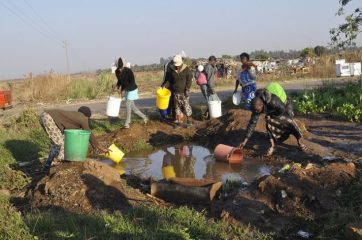
MADRID, Dec 23 2021 (IPS)* – Now it comes to the scary water crises, as it is estimated that, globally, over two billion people live in countries that experience high water stress.
Up to four billion people – over half the population of the planet – are already facing severe water stress for at least one month of the year, while half a billion suffer from permanent water stress. Credit: Jeffrey Moyo/IPS
The Threat of a Large-Scale Global Famine by the Middle of the 21st Century
John Scales Avery
Unless efforts are made to stabilize and ultimately reduce global population, there is a serious threat that climate change, population growth, and the end of the fossil fuel era could combine to produce a large-scale famine by the middle of the 21st century.
As glaciers melt in the Himalayas and the Andes, depriving India, China and South America of summer water supplies; as sea levels rise, drowning fertile rice-growing regions of Southeast Asia; as droughts reduce the food production of North America and Southern Europe; as groundwater levels fall in China, India, the Middle East and the United States; and as high-yield modern agriculture becomes less possible because fossil fuel inputs are lacking, the 800 million people who are currently undernourished may not survive at all.
Bangkok (FAO)* – The state of food security and nutrition in Asia and the Pacific has worsened, as more than 375 million people in the region faced hunger in 2020, an increase of 54 million over the previous year, according to a joint report just published by the Food and Agriculture Organization of the United Nations (FAO), and the United Nations Children’s Fund (UNICEF).
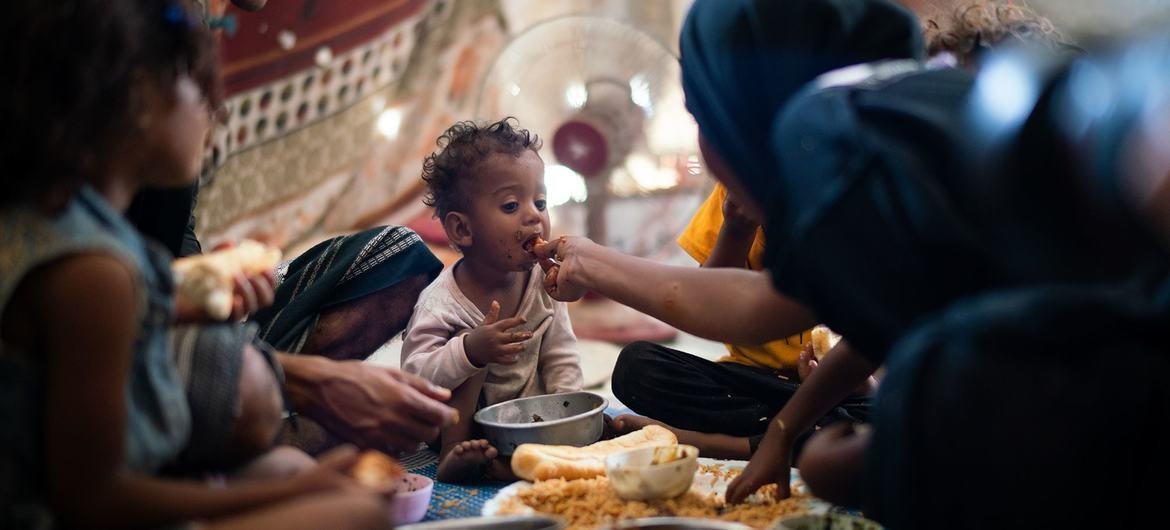
(UN News)* — The UN food relief agency warned on Wednesday [22 December 2021] that it is running out of funds to continue providing food assistance to 13 million Yemenis.
From January, eight million who are going hungry in Yemen will receive a reduced food ration, while five million others who are at immediate risk of slipping into famine, will remain on a full ration.
“Desperate times call for desperate measures and we have to stretch our limited resources and prioritize, focusing on people who are in the most critical state”, said Corinne Fleischer, Regional Director of the World Food Programme (WFP) for the Middle East and North Africa.
Why international organisations prefer to chase the chimera of poverty
Between $20 and $30 trillion US dollars remains hidden from tax authorities | Image from Wall Street International.
22 December 2021 (Wall Street International)* — At the beginning of October 2021, the ICIJ (International Consortium of Investigative Journalists) published the Pandora Papers – leaked data on how the world’s very rich hide their wealth in tax havens. The practice is perfectly legal, but less so when it is used to avoid or evade tax.
In both cases, it is money that remains hidden, and not only skews the statistics – according to Tax Justice between $20–30 trillion US dollars remain hidden from the tax authorities – but also causes financial problems for national governments.
MADRID, Dec 20 2021 (IPS)* – A bit of fiction. Or maybe not. If things keep going the way they are, the result will be that such a massive flux would create instability and tensions, impact the global markets, cause record prices of fossil fuels, food and everything else, and the bankruptcy of big private financial corporations…
Credit: UNHCR
Already seven years ago, a former director general of the International Organization for Migration (IOM), William Lacy Swing, estimated that the number of climate migrants and refugees could reach one billion humans by the year 2050.
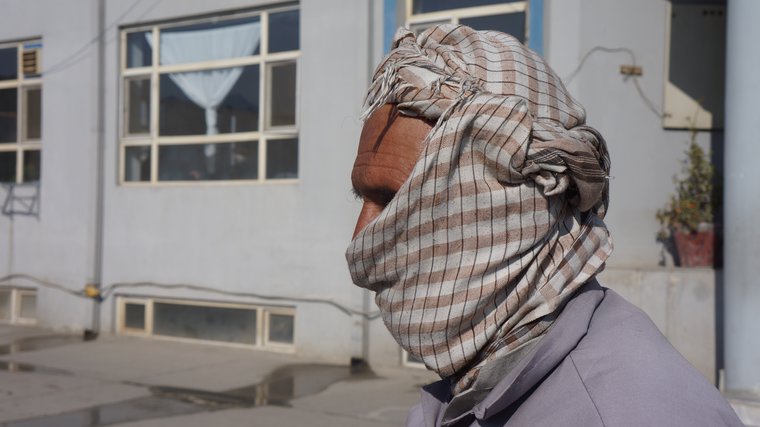
In August, thousands of people who worked for the UK in Afghanistan were left to the Taliban’s mercy. openDemocracy spoke to four still stuck in Kabul.
.
“I want the UK to keep its promises to us” – Baseer | All rights reserved
20 December 2021 (openDemocracy)* — On 31 August, the nearly 20-year NATO combat mission in Afghanistan ended in failure. Two weeks earlier, the Taliban had marched unopposed into Afghan capital Kabul, leaving the US and its allies, including the UK, scrambling to evacuate both their citizens and the Afghan nationals who had assisted them during the war.
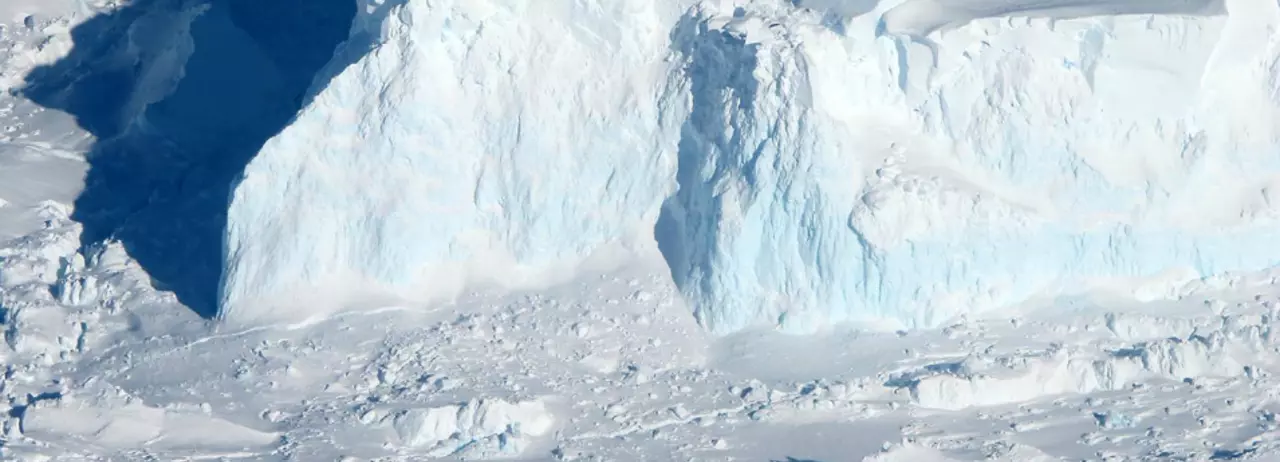
West Antarctica’s massive Thwaites Glacier is often called “one of the world’s most dangerous glaciers” because of its potential contributions to sea level rise. (Photo: James Yungel/NASA)
“What we’re seeing is already enough to be worried about,” said one researcher.
The ice shelf holding back one of Antarctica’s most perilous glaciers is eroding from below due to higher ocean temperatures, prompting scientists to warn today that this key reinforcement could shatter in the next three to five years—a development that would threaten millions of people with intensifying sea level rise.
20 December 2021 (UNEP)* — The Arctic is now amongst the fastest-warming regions on the planet, heating at more than twice the global average. Scientists are worried because carbon dioxide and methane previously locked up below ground are released as permafrost thaws.
Andreas Weith / Wikimedia Commons / 28 Sep 2020
Methane is the primary contributor to the formation of ground-level ozone, a hazardous air pollutant and greenhouse gas, exposure to which causes 1 million premature deaths every year.
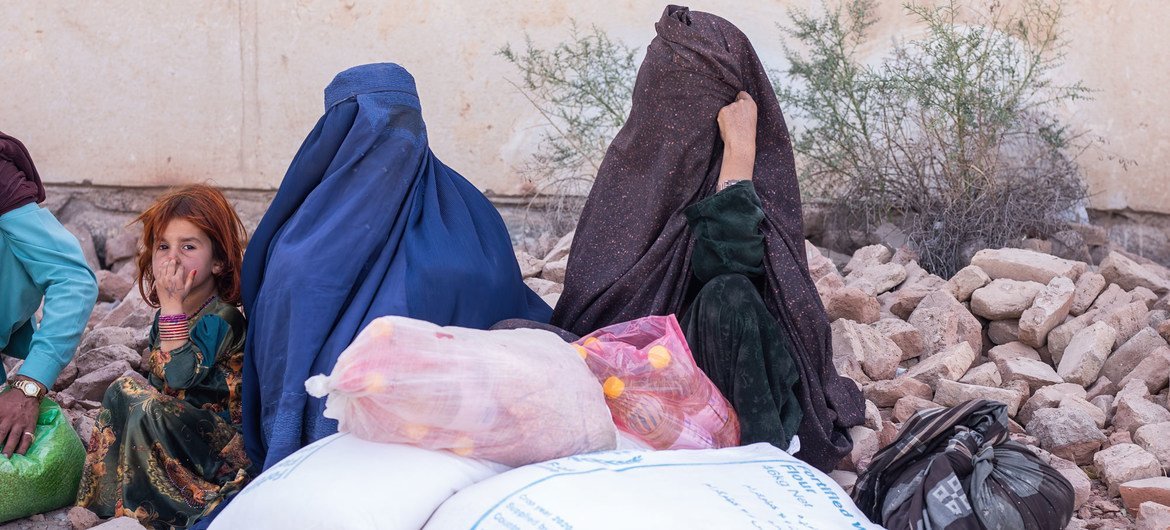
(UN News)* — Afghanistan’s economy is in “free fall”, the UN Emergency Relief Coordinator told a special meeting on Sunday [19 December 2021], warning that if decisive and compassionate action is not taken immediately, it may “pull the entire population with it”.
Speaking virtually to the 17th Extraordinary Session of the Organization of Islamic Cooperation (OIC) Council of Foreign Ministers in Islamabad, Pakistan, Under-Secretary-General for Humanitarian Affairs Martin Griffiths painted a grim picture of 23 million people facing hunger; malnourished children overflowing in health facilities; 70 per cent of teachers working without salaries; and millions of students – Afghanistan’s future – out of school.




 HUMAN WRONGS WATCH