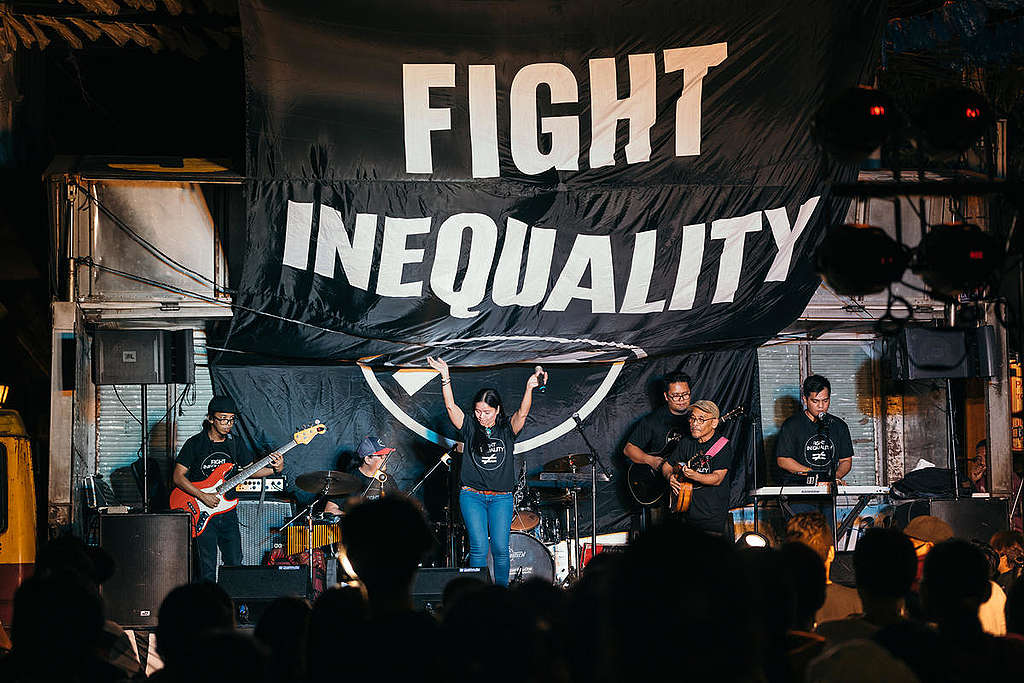
The world we live in has been built around an economic system that prioritises never-ending growth over the welfare of people and the planet. This system plunders our planet’s resources while oppressing our most vulnerable. It perpetuates structural inequalities and deepens the climate crisis and fossil fuels are at its core and is known as “Fossil Capital”.
20 February 2021 (UNEP)* — The COVID-19 pandemic is drawing young people around the world into the fight against climate change, as witnessed this week during the Youth Environment Assembly.
Photo: IISD/19 Feb 2021
The gathering, which is being held virtually, as part of the UN Environment Assembly, is the planet’s largest youth-led environmental event. It has zeroed in on climate change, which participants described as a dire threat to the planet.
19 February 2021 (WMO)* — Large swathes of North America have been gripped by cold and heavy snowfall, causing loss of life, major traffic chaos and power outages for millions of people. The prolonged freeze, which saw many new record cold maximum and minimum temperatures, was caused by an Arctic blast of air moving down from Canada all the way into Texas.
More than 100 million people over 1.6 million km² were under winter storm warnings, according to the US National Weather Service. Some 73% of the Continental USA was covered in snow as of midnight February 16, the greatest extent on record in the database, which dates back to 2003.
These are three of a growing number of companies that are bucking an environmentally destructive trend towards fast fashion.
The textile industry, say observers, has long been primed for a circular makeover.
Amid rapacious demand for cheap, on-trend clothing, it has become a major driver of climate change: some sources say that the textile sector accounts for about 8 per cent of the world’s greenhouse gas emissions.
UNITED NATIONS, Feb 19 2021 (IPS)* – Yemen is heading towards the worst famine the world has seen in decades, the United Nations Security Council was warned in a briefing yesterday [18 February 2021].
Volunteers teach people living in settlements about COVID-19. This photo was taken in Sana’a, Yemen. At a Security Council briefing yesterday UN Under Secretary-General for Humanitarian Affairs and Emergency Relief Coordinator said people in Yemen are more worried about hunger than the COVID-19 pandemic. Credit: Dhia Al-Adimi/UNICEF
Computer stations in the renovated Delegates’ Lounge at United Nations Headquarters. PHOTO:UN Photo/Mark Garten
20 February 2021 (United Nations)* — The digital economy is transforming the world of work. Over the past decade, expansion in broadband connectivity, cloud computing, and data have led to the proliferation of digital platforms, which have penetrated several sectors of the economy and societies.
Since early 2020, the consequences of the COVID-19 pandemic have led to remote working arrangements and allowed for the continuation of many business activities, further reinforcing the growth and impact of the digital economy.
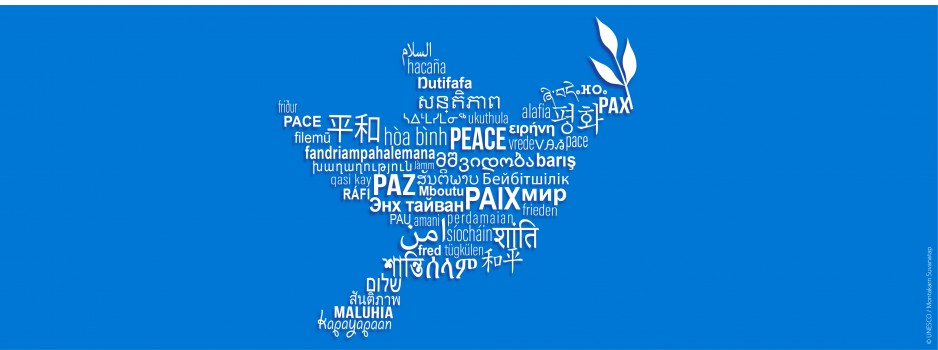
UNESCO believes in the importance of cultural and linguistic diversity for sustainable societies. It is within its mandate for peace that it works to preserve the differences in cultures and languages that foster tolerance and respect for others.
19 February 2021 (United Nations)* — International Mother Language Day recognizes that languages and multilingualism can advance inclusion, and the Sustainable Development Goals’ focus on leaving no one behind.
(UN News)* — Without nature’s help, “we will not thrive or even survive”, the UN chief said on Thursday [18 February 2021], launching a major report on the environment.
This new report from the UN Environment Programme (UNEP), Making Peace with Nature, provides the most-compelling scientific case yet for why we must tackle the three planetary crises of climate change, nature and biodiversity loss, and pollution and waste as one linked challenge. The report gathers the sum of knowledge from major scientific assessments to deliver one clear, unified message: we are destroying the planet, placing our own health and prosperity at grave risk.



 HUMAN WRONGS WATCH