Human Wrongs Watch
FAO seeks funds for control operations to safeguard agricultural production and livelihoods
'Unseen' News and Views
FAO seeks funds for control operations to safeguard agricultural production and livelihoods
The UN General Assembly designated 2021 the International Year of Fruits and Vegetables (IYFV). FAO is the lead agency for celebrating the year in collaboration with other relevant organizations and bodies of the United Nations system.

What are Fruits and Vegetables
Fruits and vegetables are considered edible parts of plants (e.g. seed bearing structures, flowers, buds, leaves, stems, shoots and roots), either cultivated or harvested wild, in their raw state or in a minimally processed form.

16 December 2020 (FAO)* — A vegetable that tastes like bread? A lesser-known cousin of the artichoke? A food that is both a vegetable and a grain? Who said that fruits and vegetables are boring! In the world of fruits and vegetables, there is much to discover.

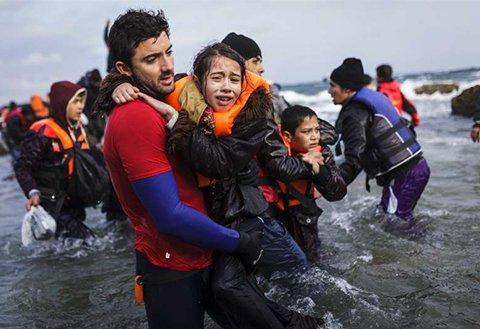
(United Nations)* — The world is witnessing the highest levels of displacement on record. An unprecedented 70.8 million people around the world have been forced from home by conflict and persecution at the end of 2018. Among them are nearly 30 million refugees, over half of whom are under the age of 18. There are also millions of stateless people, who have been denied a nationality and access to basic rights such as education, healthcare, employment and freedom of movement. People fleeing persecution and conflict have been granted asylum in foreign lands for thousands of years.
16 December 2020 (United Nations)* — Since the earliest times, humanity has been on the move. Some people move in search of work or economic opportunities, to join family, or to study. Others move to escape conflict, persecution, terrorism, or human rights violations. Still others move in response to the adverse effects of climate change, natural disasters, or other environmental factors.
Today, more people than ever live in a country other than the one in which they were born. In 2019, the number of migrants globally reached an estimated 272 million, 51 million more than in 2010.
16 December 2020 (IOM)* — Twenty-eight-year-old Roam Khot sits in his small corner shop, in South Sudan’s capital, Juba. Shoppers trickle in, one by one.
He gladly asks us to enter the shop and take a seat.
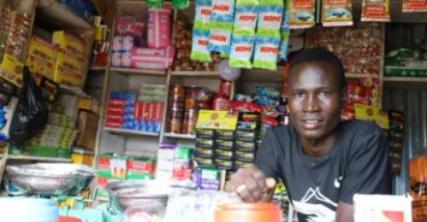
Roam Khot, de 28 años en su pequeño negocio en Juba. © Nabie Loyce / OIM 2020
Roam has gone through a rough time in his struggles for a better life and future. In 2017, he left South Sudan for Egypt with the hope of starting a new life there after losing both his parents.
“I decided to leave South Sudan because I wanted a better life, better education, and I knew I would not get this here, as the country was still reeling from years of civil war,” he says.
Roam, together with his friend Abraham Puok, packed a bag of clothes each, took their modest savings and embarked on a journey to Egypt, leaving behind everything they knew.
15 December 2020 (UN News)* — The UN High Commissioner for Refugees has challenged world leaders to put him “out of a job” by addressing the root causes that drive millions to flee their homes due to war and insecurity.
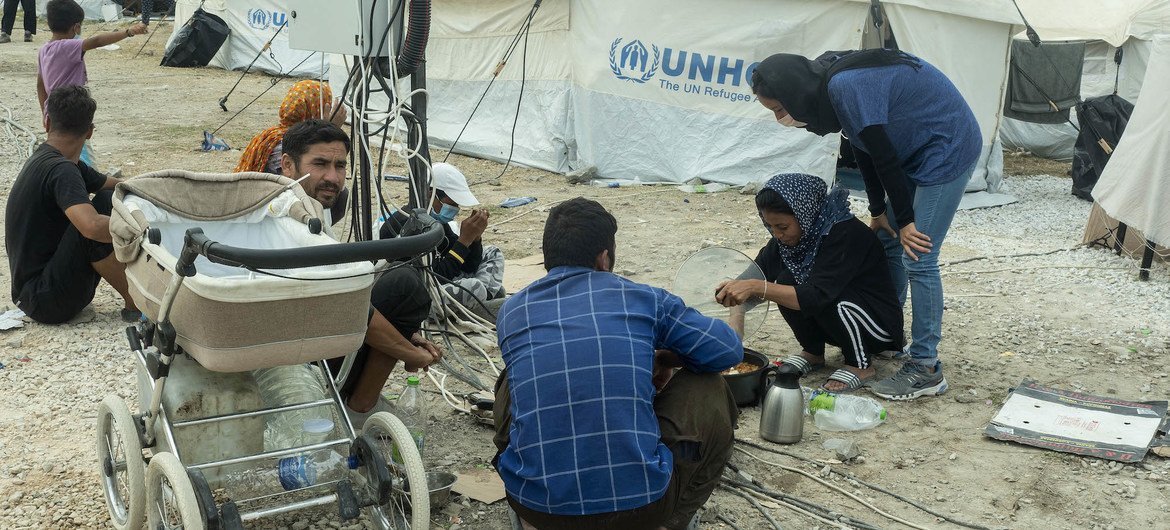
In a message commemorating the 70th anniversary of the UN refugee agency (UNHCR), High Commissioner Filippo Grandi called on the international community “to build a world in which there is truly no need for a UN refugee agency because nobody is compelled to flee.”
“Don’t get me wrong: as matters stand, our work is crucial”, he continued, “yet the paradox is that we ought not to exist. If we find ourselves observing many more birthdays, the only conclusion will be that the international community has failed.”
Many scientists believe that for the first time, instead of the planet shaping humans, humans are knowingly shaping the planet. This is the Anthropocene – the Age of Humans – a new geologic epoch.
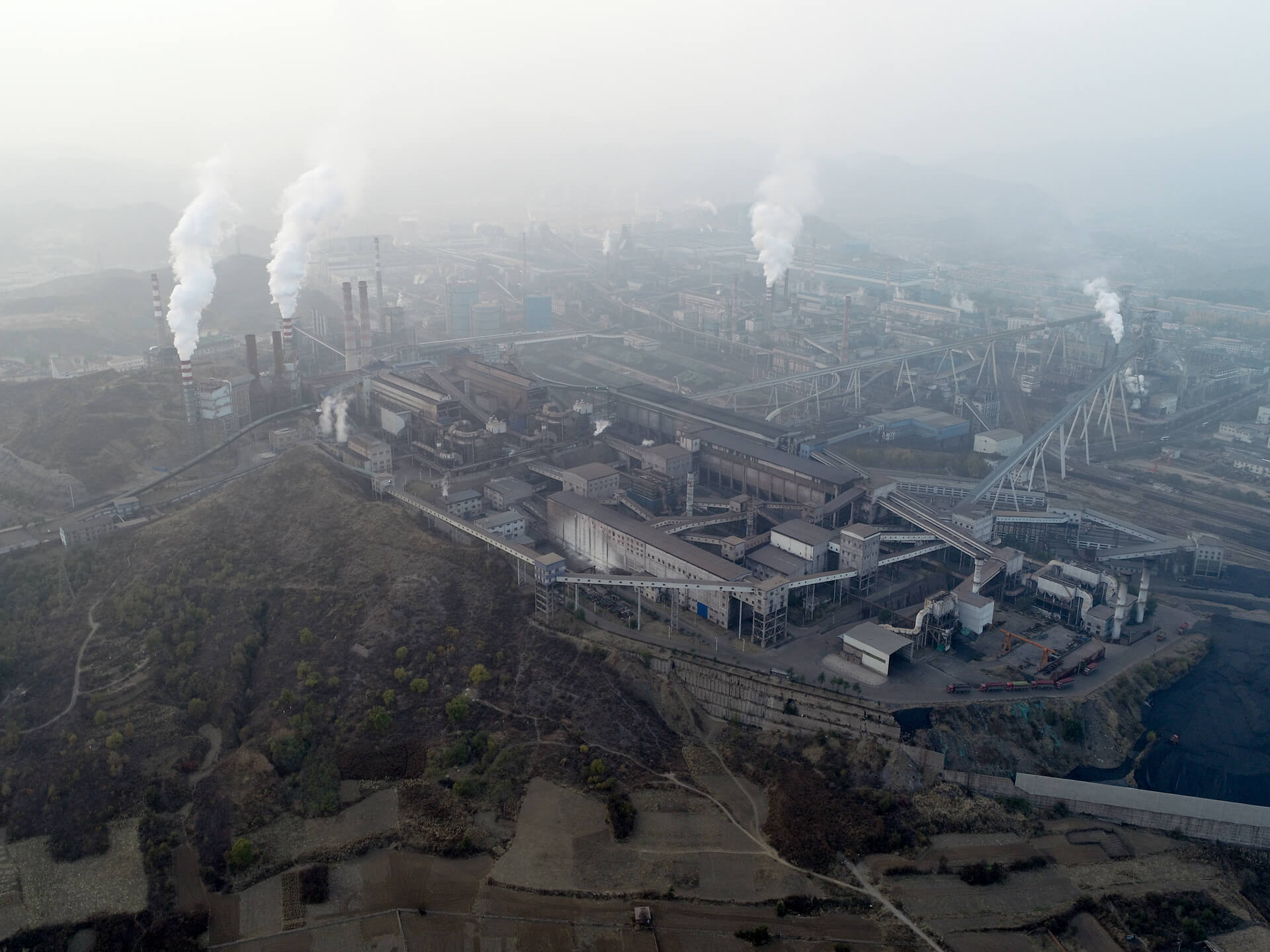 Taking the Earth for granted. Photo from UNDP.
15 December 2020 (UNDP)* — Thirty years ago, UNDP created a new way to conceive and measure progress. Instead of using growth in GDP as the sole measure of development, we ranked the world’s countries by their human development: by whether people in each country have the freedom and opportunity to live the lives they value.
15 December 2020 (UN News)* — Countries must redesign their development pathways to reduce pressures exerted on the environment and the natural world, or risk stalling humanity’s progress, the United Nations Development Programme (UNDP) has cautioned.
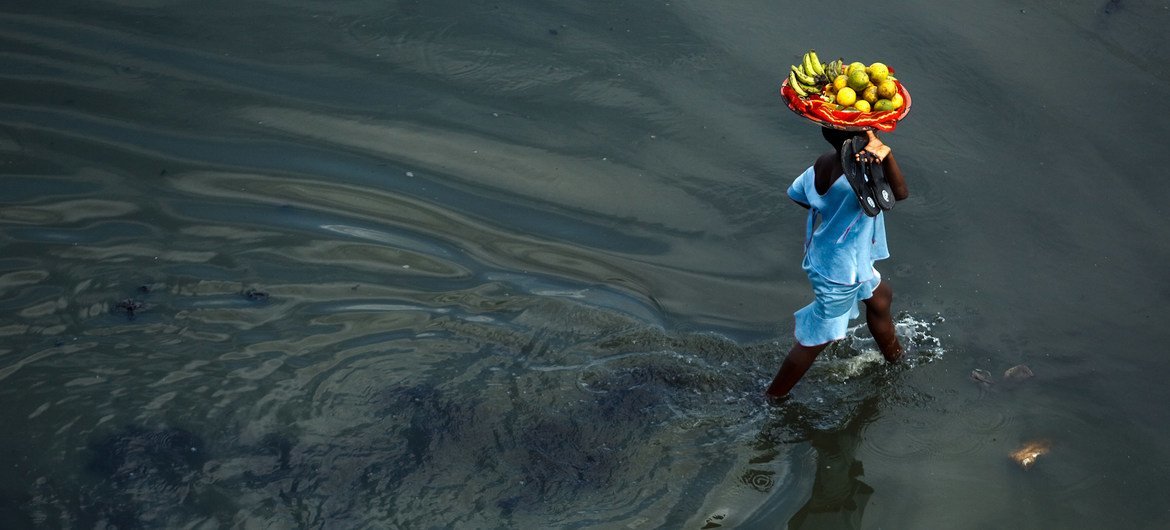
While the coronavirus pandemic is the latest crisis facing the world, but unless humans “release their grip on nature”, it won’t be the last, the agency said in its latest edition of the Human Development Report, entitled The Next Frontier, released on Tuesday [15 December 2020].
“Humans wield more power over the planet than ever before. In the wake of COVID-19, record-breaking temperatures and spiraling inequality, it is time to use that power to redefine what we mean by progress, where our carbon and consumption footprints are no longer hidden,” said Achim Steiner, UNDP Administrator.

 HUMAN WRONGS WATCH