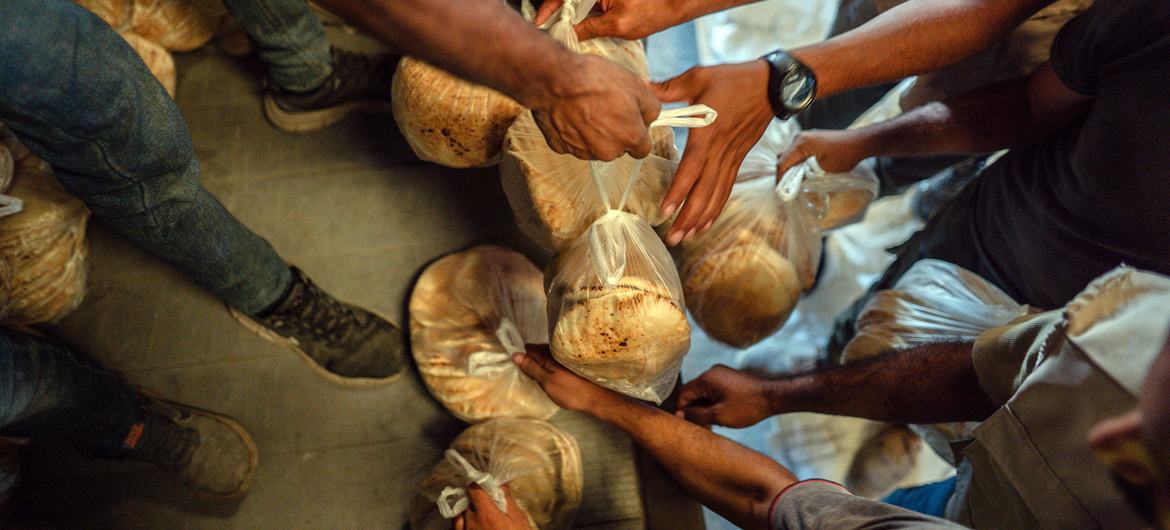
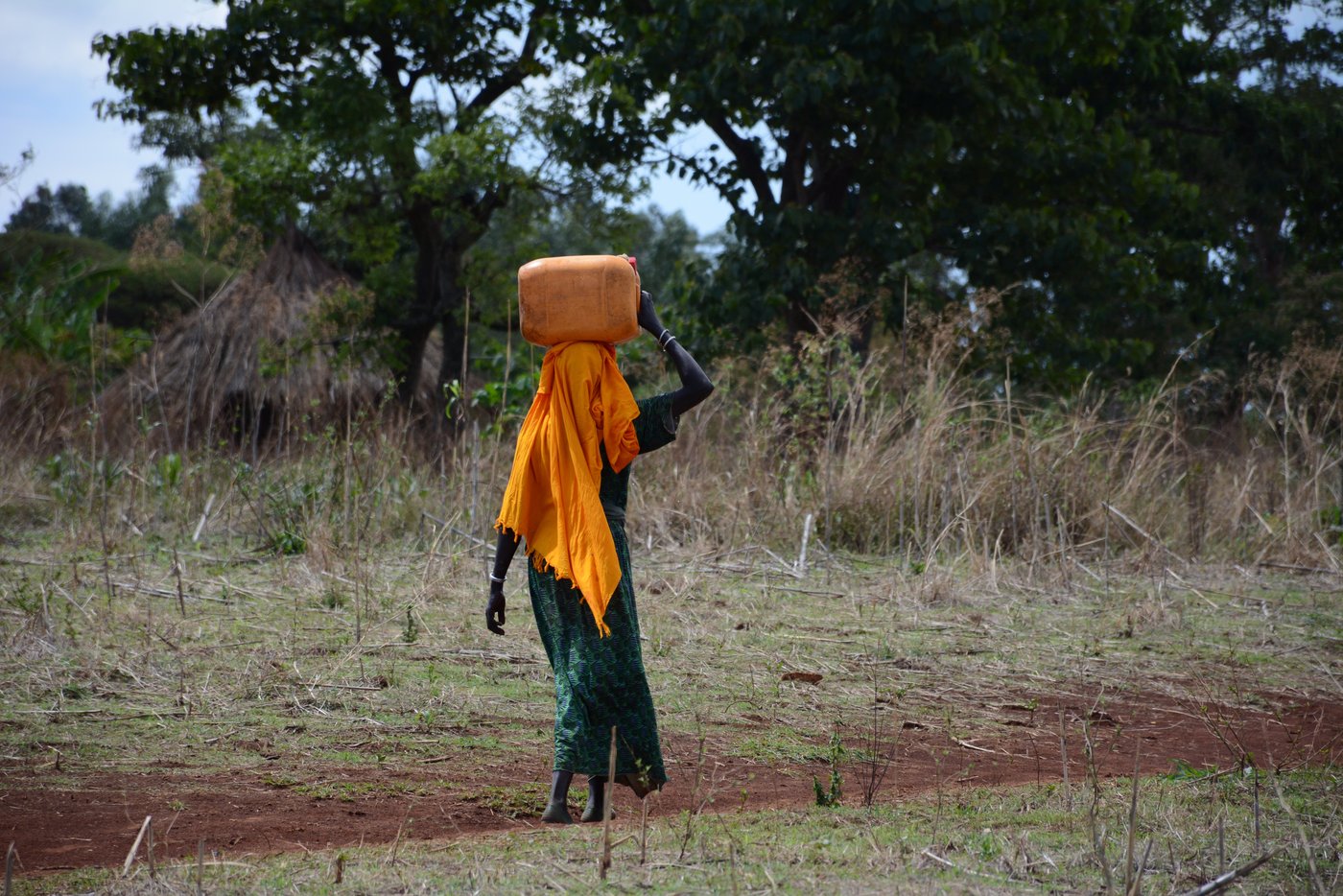
(UN News)* —The UN Food and Agriculture Organization (FAO) and World Food Programme (WFP) warn of a major hunger emergency, with acute food insecurity set to worsen in 16 countries and territories between now and May 2026, putting millions of lives at risk.
A report released by the two UN agencies on Tuesday [] identifies six that are at the highest risk of famine or catastrophic hunger: Sudan, Palestine, South Sudan, Mali, Haiti, and Yemen.
In these areas, some communities are projected to reach famine or near-famine conditions.Other countries of very high concern include the Democratic Republic of the Congo, Myanmar, Nigeria, Somalia, Syria, and Afghanistan.
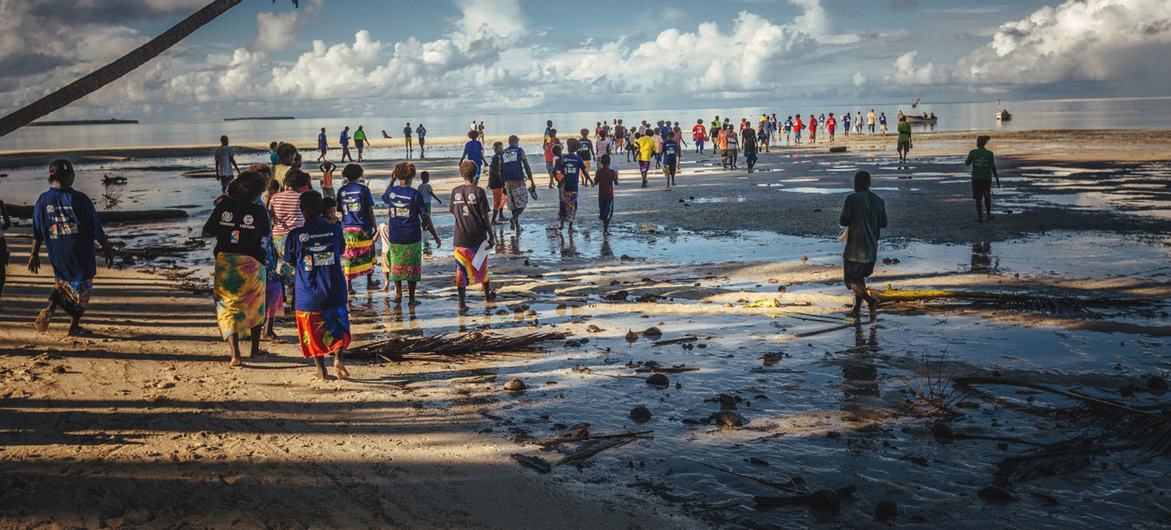
(UN News)* —Floods, heatwaves, droughts and storms are forcing millions from their homes every year. Most never cross a border; they remain internally displaced yet uprooted all the same. But experts warn that in the not-so-distant future, entire nations could disappear beneath rising seas or become uninhabitable through drought.
IOM/Muse Mohammed | Natural disasters trigger the displacement of millions of people each year.
At COP30 in Belém, Brazil, the UN International Organization for Migration (IOM) is pressing negotiators to make climate mobility a core part of adaptation plans.
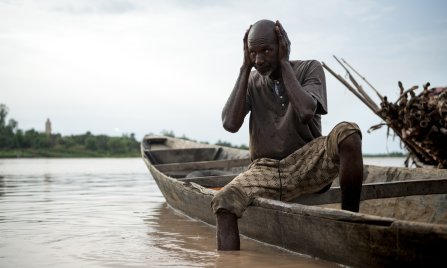
Woumpou, Mauritania – On a humid October afternoon in Woumpou, Kadia stands where her front yard used to be. Around her, the ground is still damp, the air thick with the smell of mud.
In Mauritania, communities are working to preserve their way of life as the climate becomes increasingly unpredictable. Photo: IOM/Alexander Bee
She points to a dark line along her neighbors’ walls – a mark left by the floods that came without warning. Families had only minutes to escape before the water swallowed everything.
“Everything happened so fast,” she says. “We lost everything in a matter of hours.”
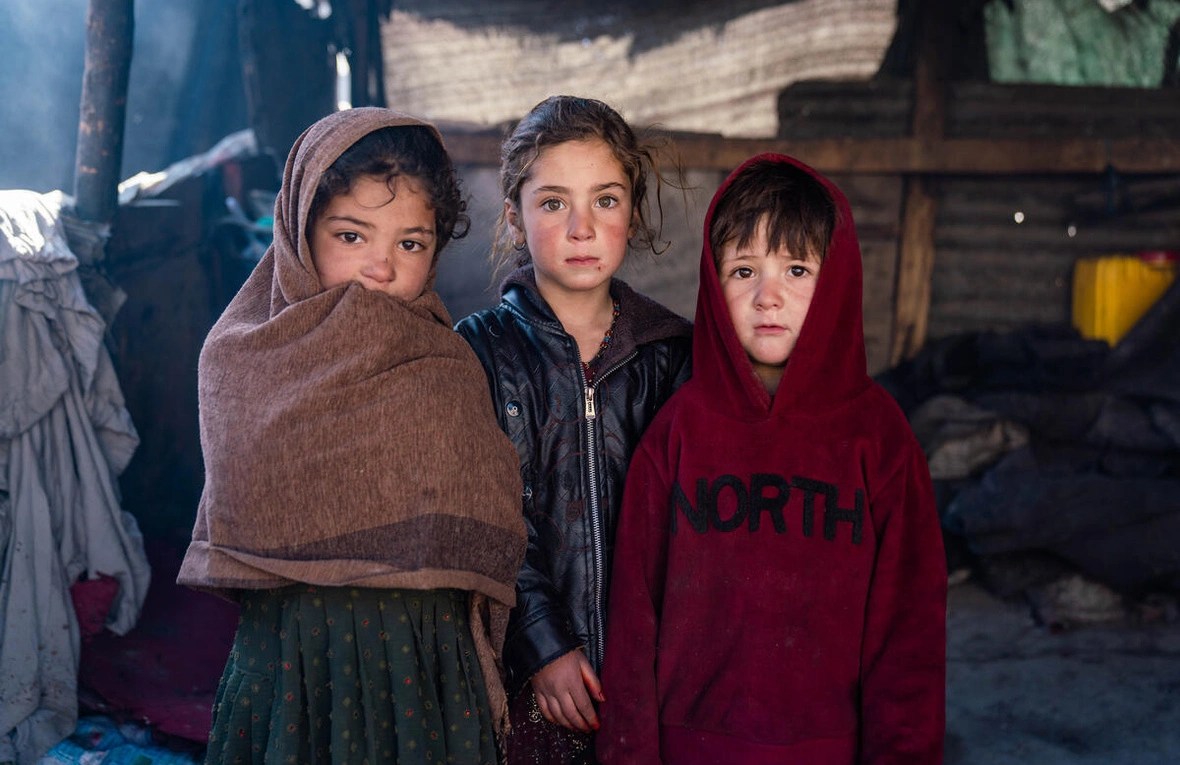
GENEVA –As temperatures start to drop in many regions, millions of refugees and people displaced within their own countries are facing a gruelling winter with far less assistance as humanitarian giving plummets, and many will be left with little to protect them from the bitter cold, UNHCR, the UN Refugee Agency, warned on 11 November 2025.
“Humanitarian budgets are stretched to breaking point and the winter support that we offer will be much less this year,” said Dominique Hyde, UNHCR’s Director of External Relations, who just returned from Syria and Jordan.
The United States is dusting off its old regime-change playbook in Venezuela. Although the slogan has shifted from “restoring democracy” to “fighting narco-terrorists,” the objective remains the same, which is control of Venezuela’s oil.
The methods followed by the US are familiar:sanctions that strangle the economy, threats of force, and a $50 million bounty on Venezuelan President Nicolás Maduro as if this were the Wild West.
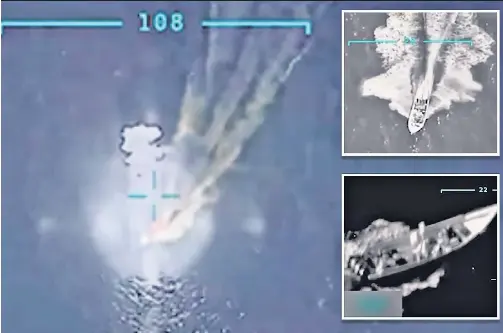
Pics from US military video shows a purported Tren de Aragua “drug-carrying” boat being tracked and hit by a US missile. Pressenza.
The US is addicted to war. With the renaming of the Department of War, a proposed Pentagonbudgetof $1.01 trillion, and more than 750 military bases across some 80 countries, this is not a nation pursuing peace.
10 November 2025 — In northern Ethiopia, Ayenew looks after his daughter with a disability, and Tarik faces life alone in darkness. Living in remote, forgotten villages, both have discovered a lifeline through the Norwegian Refugee Council’s (NRC) multi-purpose cash assistance.
In Adi-Goshu, a remote village caught between the Tigray and Amhara regions, the gunfire has stopped, but the suffering continues.
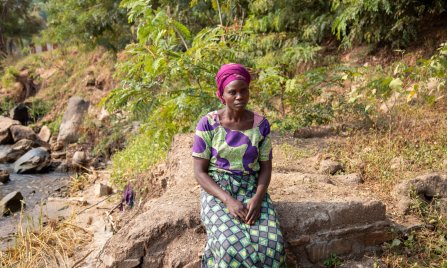
Alphonsine sits on the spot where her home once stood before the floods tore through her community in Rumonge. Photo: IOM 2025/Kenny B. Irakoze
Rumonge, Burundi, 10 November 2025 – In the dead of night, the waters of Lake Tanganyika broke into Alphonsine’s home, swallowing everything in their path. Within hours, floods triggered by El Niño had destroyed her house, her business, and the life she had built, along with those of thousands of others.
“We woke up completely submerged and surrounded by water,” recalls Alphonsine. “We ran for our lives. A few days later, our house was gone – completely destroyed and swept away as if it had never existed. We lost everything.”
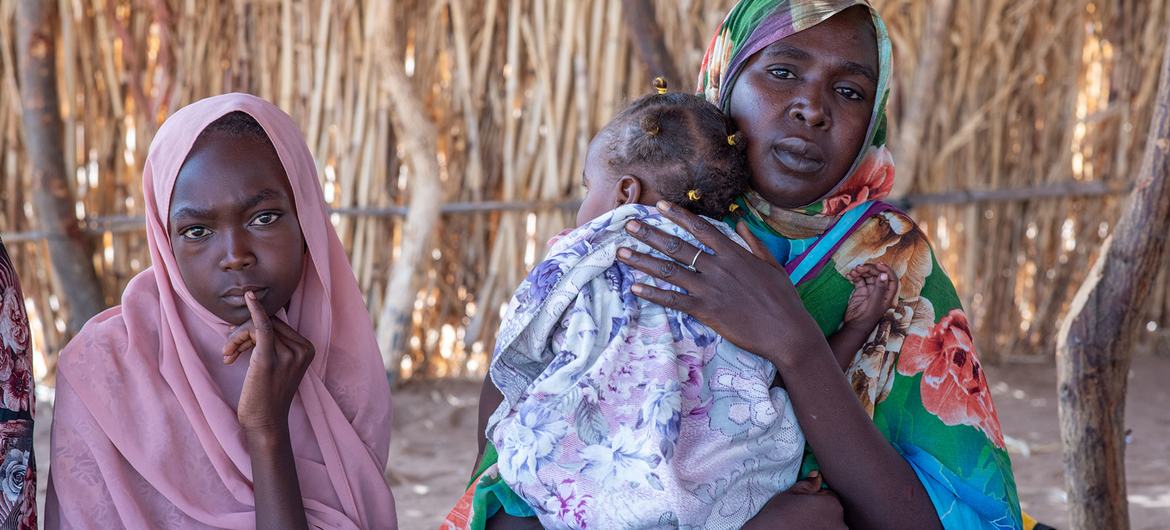
(UN News)* — In war-torn Sudan, rape is likely being used as a weapon of war and simply being a woman there is “a strong predictor” of hunger, violence and death, the UN’s gender equality agency warned on Tuesday [].
“Women speaking to us from El Fasher, the heart of Sudan’s latest catastrophe, tell us that they’ve endured starvation…displacement, rape and bombardment,” Anna Mutavati, UN Women Regional Director for East and Southern Africa, told reporters in Geneva
“Pregnant women have given birth in the streets as the last remaining maternity hospitals were looted and destroyed.”
BELÉM, BRAZIL – Millions of refugees, people forced to flee, and their hosts are trapped in an increasingly vicious cycle of conflict and climate extremes, according to a new report released on 10 November 2025 by UNHCR, the UN Refugee Agency.
The report warns that climate shocks are undermining chances of recovery, increasing humanitarian needs, and amplifying the risks of repeated displacement.
By mid-2025, 117 million people had been displaced by war, violence and persecution. Three in four of them are living in countries facing high-to-extreme exposure to climate-related hazards.
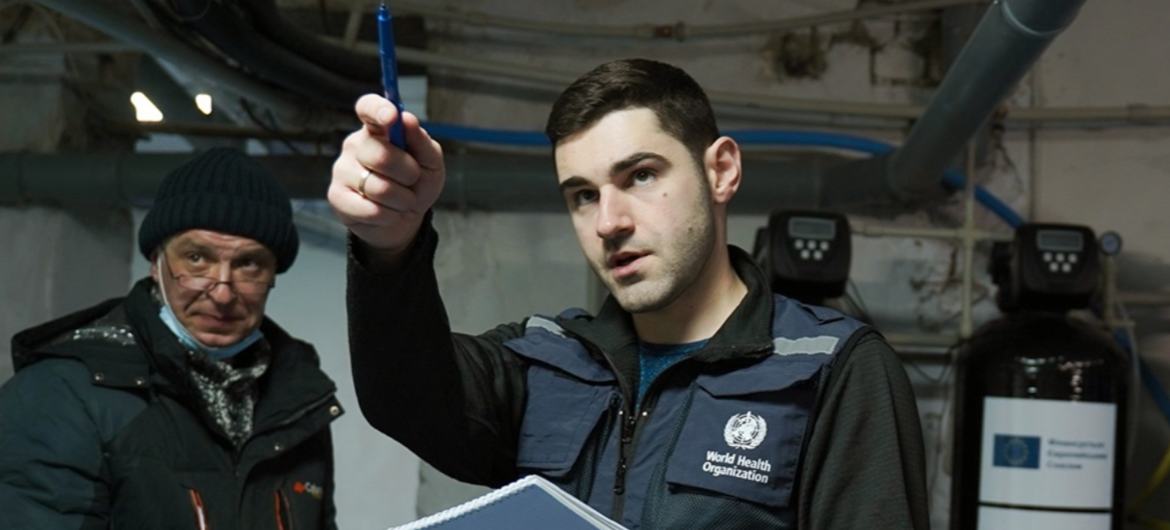
(UN News)* — As health emergencies multiply linked to the climate crisis, governments are joining forces with the UN to protect access to clean water, while data indicates that 118 million people in Europe alone live near healthcare facilities lacking basic sanitation.
“Healthcare facilities are where the vulnerable seek healing. Yet, without adequate water, sanitation and hygiene, for too many people, expected care can become inadvertent harm,” said Dr. Hans Kluge, the World Health Organization (WHO)’s Regional Director for Europe.
Emphasizing that healthcare is “being tested as never before”, Dr. Kluge insisted that bolstering them is an investment in withstanding crises.

 HUMAN WRONGS WATCH