UNITED NATIONS, New York – Across the world, wars are being waged on the very systems set up to protect civilian populations: Health workers, hospitals, health centres and ambulances are being targeted in horrifying numbers.
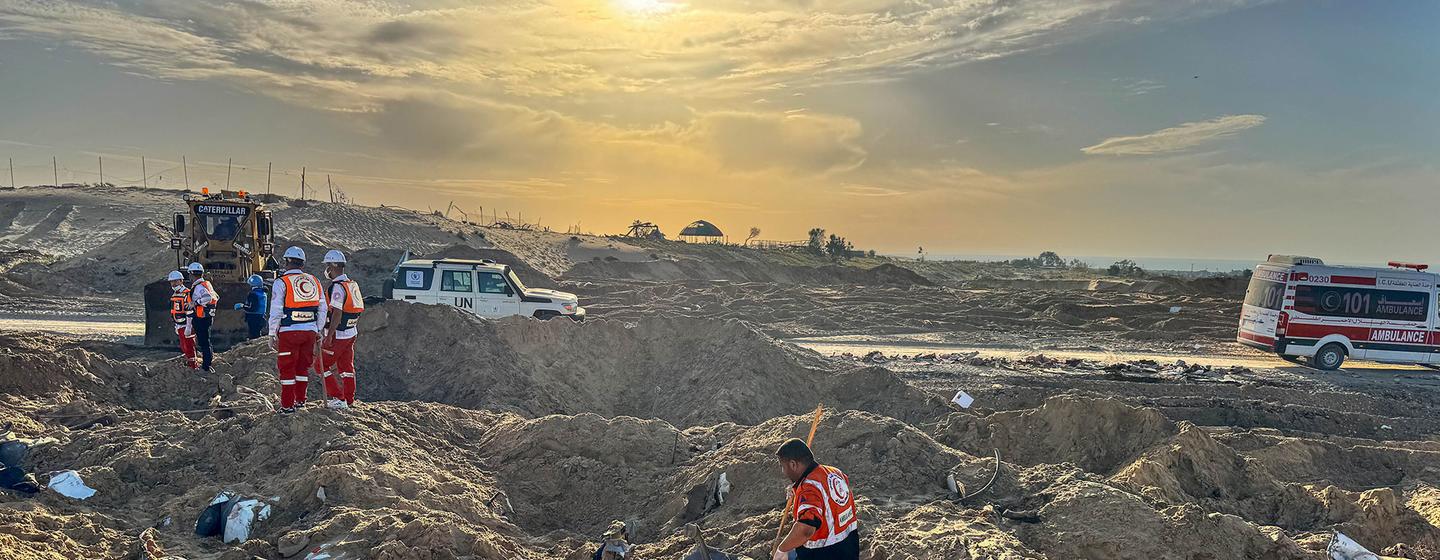
On 30 March 2025, a rescue operation in Tal Al Sultan, Rafah, Gaza,recovered the bodies of 15 humanitarian workers from the Palestine Red Crescent Society, the Palestinian Civil Defense and the United Nations. The available information indicates that they were killed by Israeli forces on 23 March and buried under the sand.
Attacks against health facilities doubled between 2023 and 2024, and more than 900health workers were killed last year.
Humanitarian aid workers dedicated to supporting the most vulnerable in multiple crises were also killed in record numbers in 2024. Yet 2025 is outpacing even these dark statistics.
Decades of progress on tackling malnutrition are under threat from funding cuts.
.
UNICEF/UNI428897/UNICEF/YPN
Malnutrition is deadly. A child suffering from severe acute malnutrition is nine times more likely to die than a well-nourished child.
But the dire consequences of malnutrition aren’t always immediate or visible from the outside.
Poor diets also inflict devastating damage on the inside, stunting children’s growth, impairing their brain development and leaving them susceptible to disease.
IOM Calls for International Support as Yemen Faces Deadly Flooding.
IOM supports communities in Yemen with relief, shelter, and essential services during emergencies. Photo: IOM/Haithm Abdulbaqi
Aden, 28 August 2025 (IOM)* –Since early August, torrential rains and violent windstorms have devastated communities across Yemen, destroying homes, sweeping away livelihoods, and displacing thousands of families already living in precarious conditions.
(UN News)* — Climate change could push at least 5.9 million more children and young people in Latin America and the Caribbean into poverty by 2030 unless governments act now.
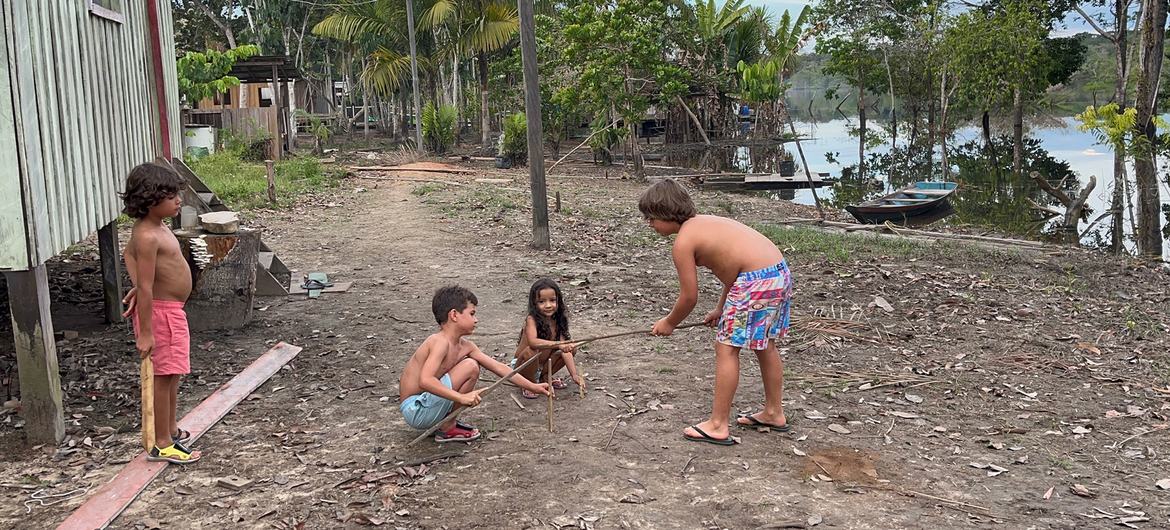
United Nations/Rodolpho Valente | Children play on the banks of the River Negro, a tributary of the Amazon River in northwestern Brazil.
Even worse, the number could triple if countries do not meet their commitments to reduce greenhouse gas (GHG) emissions and to ensure that climate financing prioritises social and climate resilience services for children.
The finding comes in a report by the UN Economic Commission for Latin America and the Caribbean (ECLAC) and the UN Children’s Fund (UNICEF), published on Thursday [28 August 2025] in Panama.
A report ‘Oil and Gas Expansion in the Colombian Amazon: Navigating Risks, Economics, and Pathways to a Sustainable Future, warns oil and gas projects threaten over 483,000 km² of Colombian Amazon forest, home to more than 70 indigenous groups, and risk becoming stranded assets as global fossil fuel demand declines.
BOGOTÁ and SRINAGAR, India, Aug 27 2025 (IPS)* –– A report has warned about the risks of expanding oil and gas exploration in the Colombian Amazon, which may undermine environmental goals, Indigenous rights, and long-term economic stability, unless the government pivots toward sustainable development pathways.
Eight years of displacement for Abu and the Rohingya people
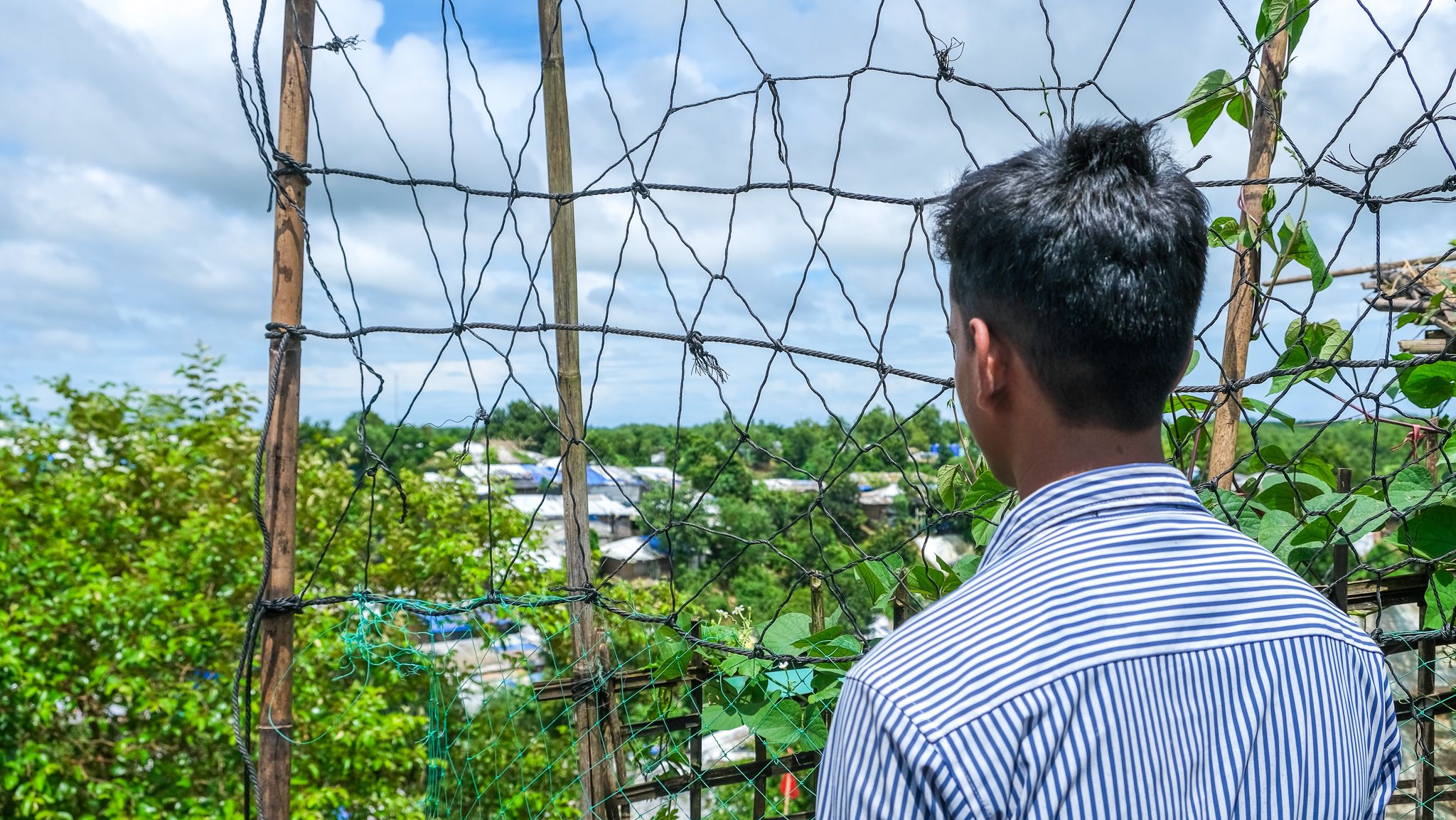
Abu, 18, has spent nearly half his life in this refugee camp.
“Today I am eighteen. I grew up in this refugee camp, waiting for education, waiting for a future, waiting to return home with dignity and rights.”
Abu*, an 18-year-old boy, was only 10 when he and his family fled Myanmar in 2017. Eight years on, he reflects on his life as a refugee and his hopes and fears for the future.
It was a Thursday in August. After lunch, we were resting when suddenly we heard shouting around our house. Our peaceful village, Thingana, surrounded by green fields and trees, turned into chaos.
An armed group was ordering people to leave their homes. They threatened to set fire to the houses and kill anyone who stayed.
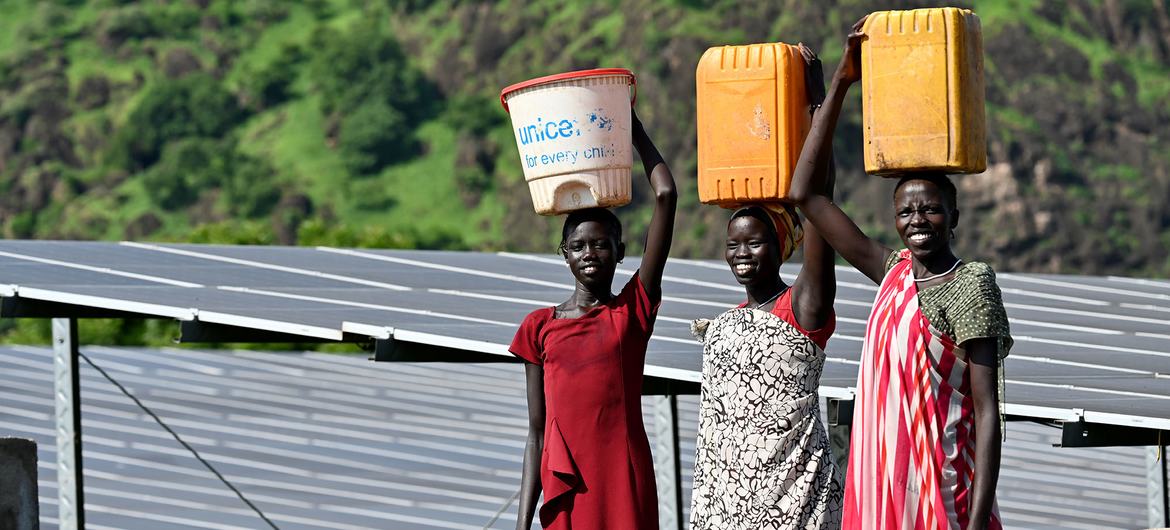
(UN News)* — Some 2.2 billion people worldwide still lack access to safely managed drinking water services, according to the World Health Organization (WHO) – an increasingly urgent challenge as demand for safer access to the vital resource grows.
Currently underway in Stockholm from 24 to 28 August, the 35th World Water Week meeting highlights the crucial link between water and global warming, under the theme, Water For Climate Action.
(UN News)* —From Gaza to Sudan, wars are being waged on the very systems set up to protect civilian populations, with health workers, hospitals, health centres and ambulances being targeted in horrifying numbers, according to the UN agency for reproductive health and rights, UNFPA.
Attacks against health facilities doubled between 2023 and 2024, and more than 900 health workers were killed last year, the agency reported.
Humanitarian aid workers were also killed in record numbers in 2024.
Yet, 2025 is outpacing even these dark statistics at a time when funding for humanitarian work is shrinking and support services established over decades are struggling to operate.
(UN News)* — Extreme heat is fast becoming one of the biggest threats to workers’ health and livelihoods, the World Health Organization (WHO) and World Meteorological Organization (WMO) warned on Friday [].
The new joint report, Climate change and workplace heat stress, underscores the mounting risks as climate change fuels longer, more extreme, and more frequent heatwaves.
Stressing that workers in agriculture, construction, and fisheries are already suffering the impacts of dangerous temperatures, the report points out that vulnerable groups in developing countries – includingchildren, older adults, and low-income communities – face increasing dangers.
GENEVA, Aug 21 2025 (IPS)* – On August 7, a tar-like slurry glistened on the roads leading up to the gate of the Palais Des Nations in Geneva, Switzerland.
Greenpeace protest at the recent Intergovernmental Negotiating Committee (INC 5.2) on plastic pollution held in Geneva. Credit: Ravleen Kaur/IPS
For fear of sticky substances sticking to tires, no vehicles were allowed to go inside for a while, forcing officials arriving from different parts of the world to disembark and walk through a side entrance.
Four people swiftly climbed the gates of the Palais, where the Intergovernmental Negotiating Committee (INC 5.2) on plastic pollution was taking place in Geneva, with yellow fluorescent banners that read “Big Oil polluting inside” and “Plastic treaty not for sale.”




 HUMAN WRONGS WATCH