Dawood is 19 years old and living in a crowded Rohingya refugee settlement in Bangladesh. He says his life is shattered.
In February 2024, the Myanmar military conscripted Dawood and other Rohingya men and boys to fight the Arakan Army, an ethnic armed group, in Rakhine State. They received little or no training, and dozens were killed or injured.
MONTEVIDEO, Uruguay, Jun 16 2025 (IPS)** – At a White House meeting, presidents Nayib Bukele and Donald Trump exchanged praises and joked about mass incarceration while discussing an unprecedented agreement: the USA would pay El Salvador US$6 million a year to house deportees – of any nationality, potentially including US citizens – in its Centre for Terrorism Confinement (CECOT), a notorious mega-prison.
Credit: Kevin Lamarque/Reuters via Gallo Images
This agreement marked the evolution of Bukele’s authoritarian model from a domestic experiment to an exportable commodity for strongmen worldwide.
ALBERTA, Canada, Jun 13 2025 (IPS)* – Aid cuts could cost millions of lives and leave girls, boys, women and men without access to enough food, water, education, health treatment.
.
Credit: United NationsThe 51st G7 summit is scheduled to take place 15-17 June 2025 in Kananaskis, Alberta, Canada. The G7 consists of seven of the world’s largest developed economies: Canada, France, Germany, Italy, Japan, the United Kingdom, and the United States plus the European Union (EU), a non-enumerated member.
G7 countries are making deliberate and deadly choices by cutting life-saving aid, enabling atrocities, and reneging on their international commitments.
—Famine is defined as “extreme food deprivation” by the Integrated Food Security Classification, or IPC, the global hunger monitoring body. It is at the extreme end of IPC Phase 5, the highest hunger level under the IPC’s classification. Not all IPC 5 areas are in famine.
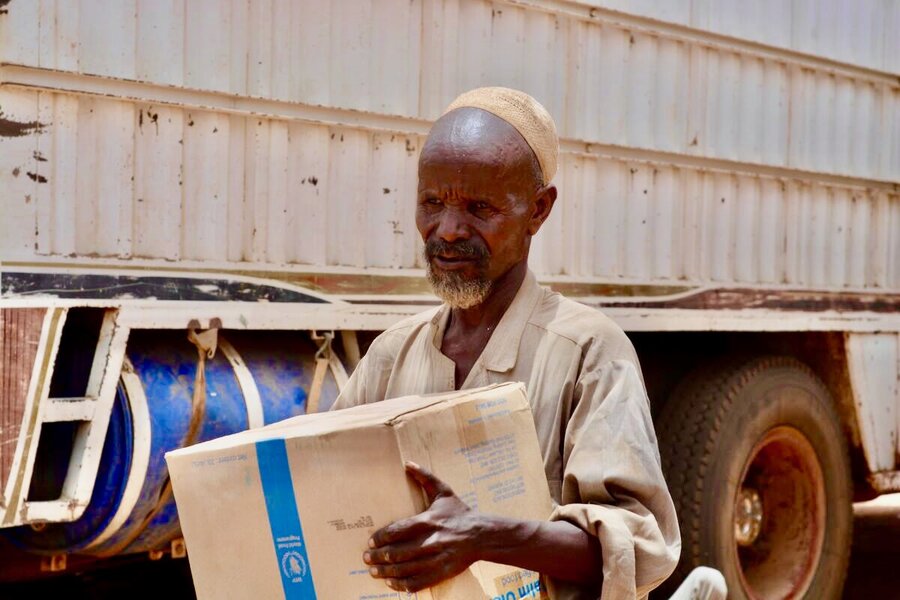
WFP food assistance arriving in Sudan’s North Darfur State, where pockets of famine have been confirmed. Photo: WFP/Mohamed Galal
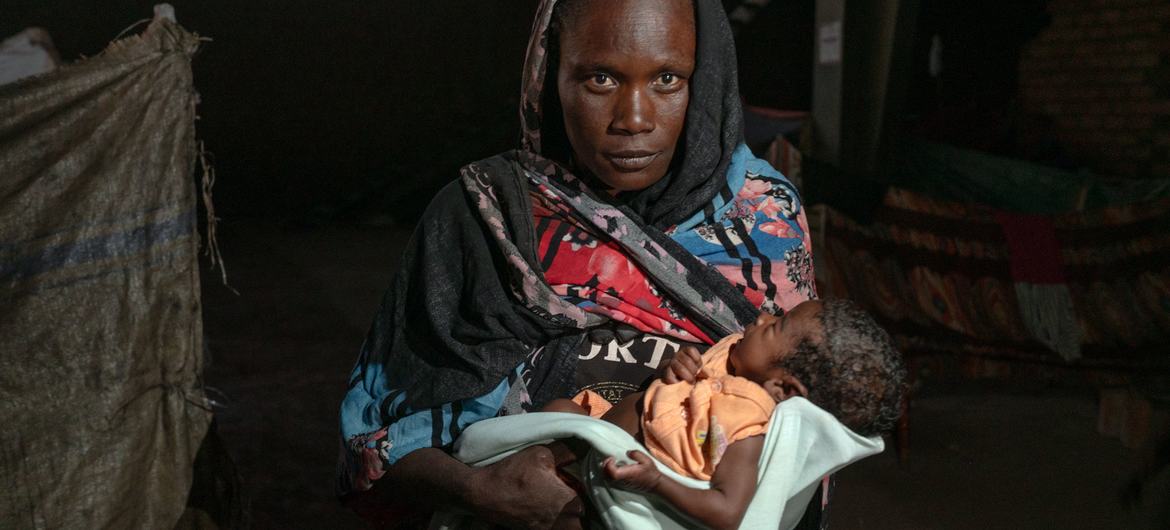
Famine is rare, predictable and – with the right resources, political will and action – preventable.Vulnerable population groups such as young children, pregnant and nursing women and displaced people are most at risk of hunger emergencies.
Once a famine is declared, many people have already died of starvation, and it’s hard to slow it down.
To stem this pollution crisis, countries agreed in 2022 to establish a new body that would provide policymakers with robust, independent information on chemicals, waste and pollution prevention.
Negotiators are finetuning the details of this new science-policy panel, with the latest round of discussions set for 15-18 June in Uruguay.
OSLO, Norway, Jun 12 2025 (IPS)* –The world is experiencing a surge in violence not seen since the post-World War II era. 2024 marked a grim new record: the highest number of state-based armed conflicts in over seven decades.
The scene of a destruction caused by the war in Ukraine. Credit: UNOCHA/Dmytro Filipskyy
“This is not just a spike – it’s a structural shift. The world today is far more violent, and far more fragmented, than it was a decade ago,” warned Siri Aas Rustad, Research Director at the Peace Research Institute Oslo (PRIO) and lead author of the report.
(UN News)* — With 13.5 million people displaced by over 13 years of brutal civil conflict, Syria used to represent the largest displacement crisis in the world. This is no longer the case.
In December last year, the overthrow of the Assad regime by opposition forces reignited hope that most Syrians could see home again soon.
As of May, 500,000 refugees and 1.2 million internally displaced people (IDPs) returned to their areas of origin. But that’s not the only reason Syria is no longer the largest displacement crisis in the world.
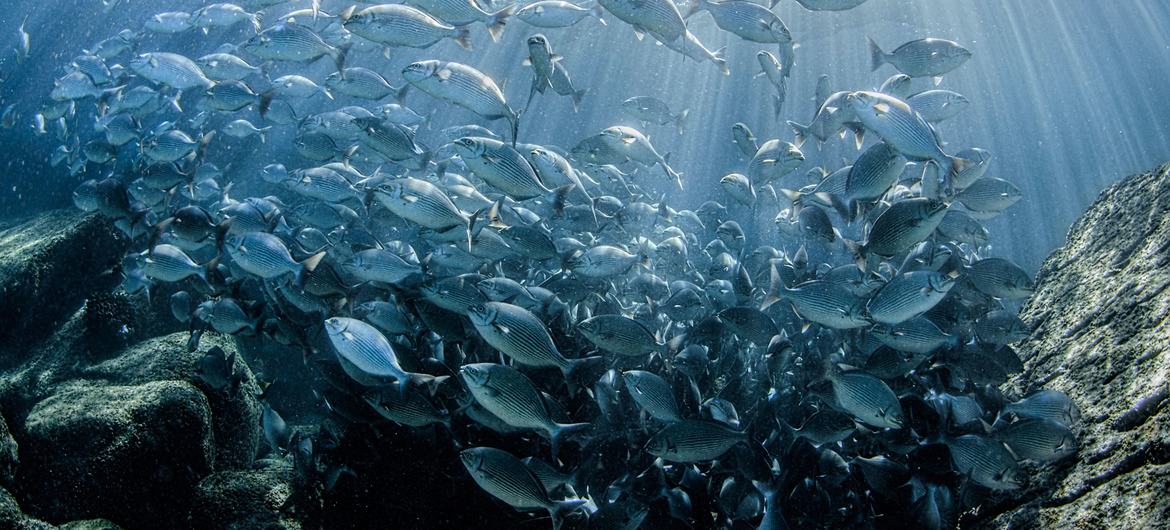
(UN News)* — The ocean is under siege – and greed is to blame. UN Secretary-General António Guterres on Tuesday urged world leaders and grassroots groups to confront the powerful interests driving marine destruction, from illegal fishing and plastic pollution to the accelerating impacts of climate change.
“Some mornings, I can’t even stand, my feet are so swollen. My whole body aches from working all day at the juicer. The doctor said my uric acid is high, but I waited months to get tested. Who has the time or money when missing work means no food?”– Sana, a street vendor selling sugarcane juice in chronic pain, navigating long hours and poor hydration, in Delhi’s extreme temperatures.
.
Street vendor exposed to extreme heat, New Delhi, 2024. Credit: Greenpeace India
BENGALURU, India / COLOMBO Sri Lanka, Jun 2 2025 (IPS)** –From the blistering heat of Delhi’s streets to Colombo’s humid corners, workers in the informal economy are silently enduring the toll of labour on their bodies and livelihoods.
Unprecedented Ocean warming engulfed the South-West Pacific in 2024, harming ecosystems and economies, according to a new report from the World Meteorological Organization (WMO), which highlighted how sea level rise is threatening islands in a region where more than half the population live close to the coast.






 HUMAN WRONGS WATCH