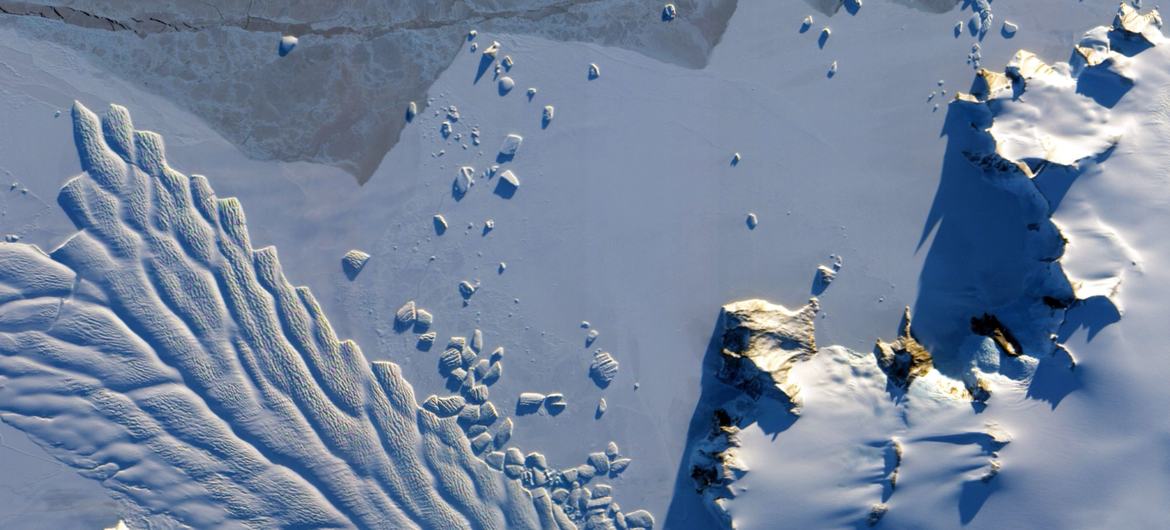
(UN News)* —Glaciers in many regions will not survive the 21st century if they keep melting at the current rate, potentially jeopardising hundreds of millions of people living downstream, UN climate experts said on the first World Day for Glaciers.
Together with ice sheets in Greenland and Antarctica, glaciers lock up about 70 per cent of the world’s freshwater reserves. They are striking indicators of climate change as they typically remain about the same size in a stable climate.
But, with rising temperatures and global warming triggered by human-induced climate change, they are melting at unprecedented speed, said Sulagna Mishra, a scientific officer at the World Meteorological Organization (WMO).
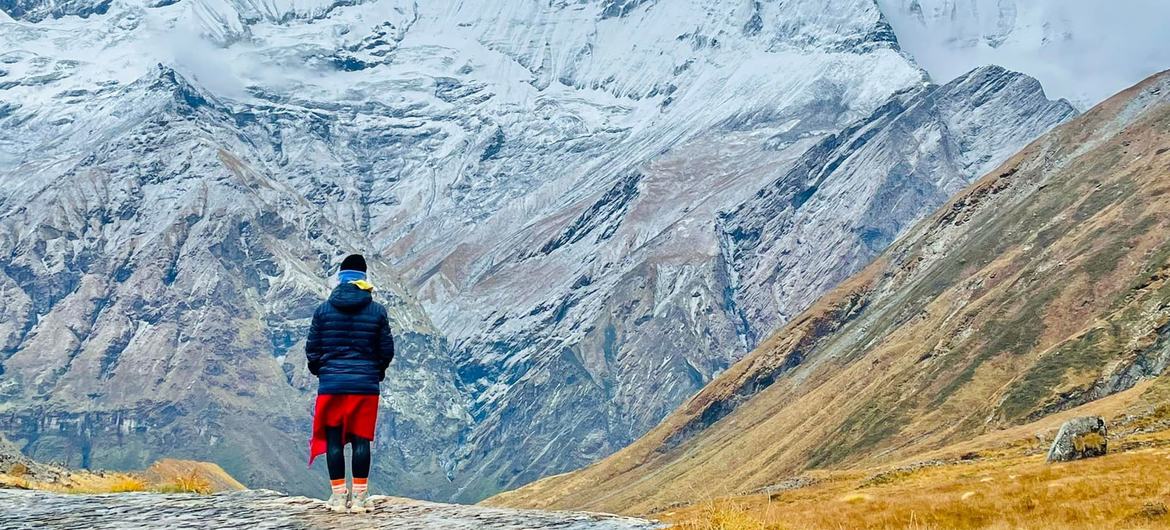
(UN News)* — The United Nations Secretary-General warned on Friday [] that Himalayan glaciers are “caving in,” urging immediate action to address the climate crisis, especially in the world’s most fragile ecosystems.
UN News/Vibhu Mishra | Mountains in Nepal’s Annapurna range, where glaciers are retreating and snow lines are rising due to climate change.
António Guterres issued the warning in a video message to the inaugural Sagarmatha Sambaad, or “Everest Dialogue,” convened by the Government of Nepal in Kathmandu.
“Record temperatures have meant record glacier melt,” he said.
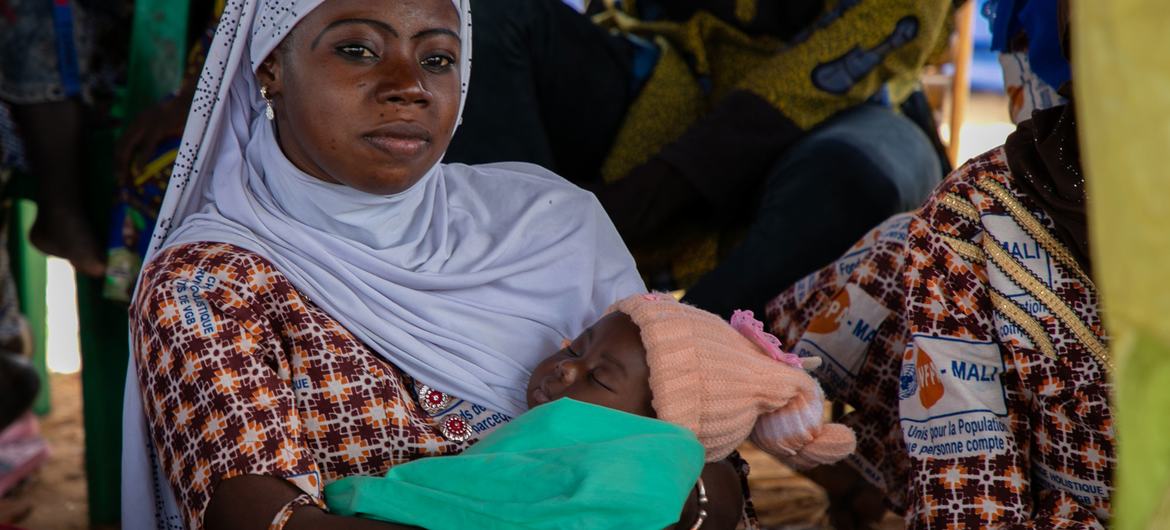
15 May 2025 — Before seeking refuge became her only option, Fadimatou lived a modest yet peaceful life in her hometown of Berberati in the Central African Republic (CAR), surrounded by family.
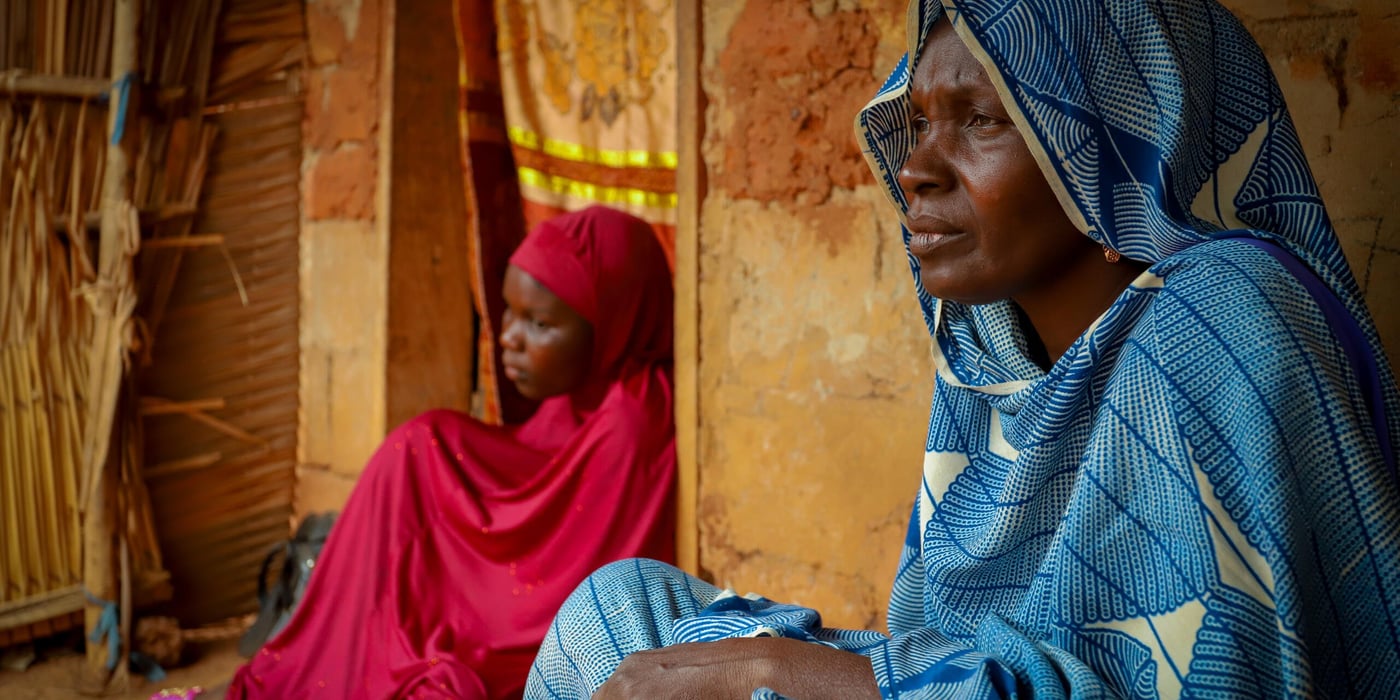
Fadimatou and her daughter. Photo : Patricia Pouhe/NRC
Her husband, a farmer, provided for their daily needs while she cared for their children, ensuring their education and wellbeing. Fadimatou could not imagine what was about to happen.
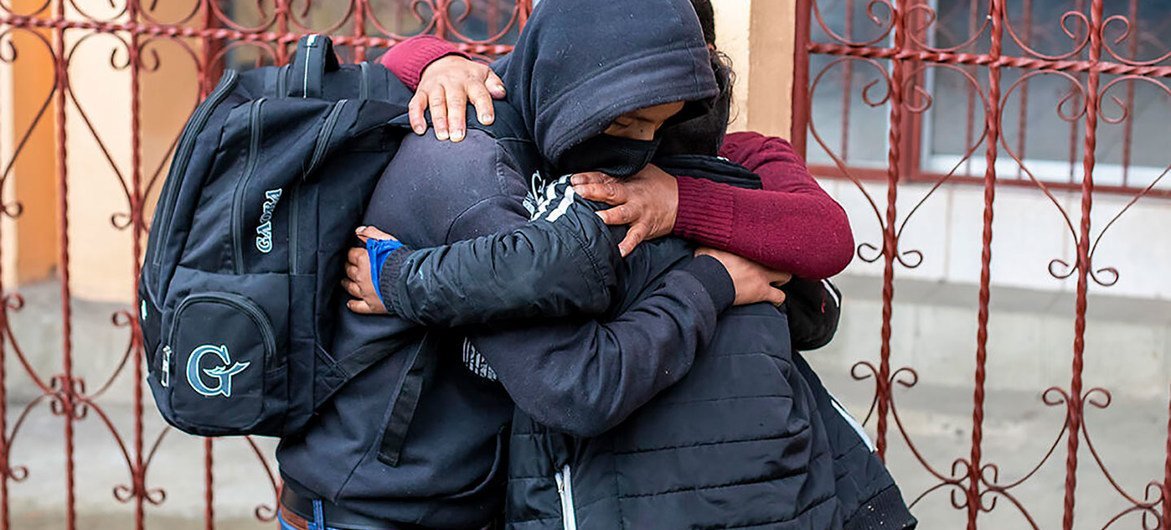
14 May 2025 — When we think about displacement, many of us picture refugees crossing borders in search of safety. But displacement can also happen within one’s own country. There are millions of internally displaced people (IDPs) in the world, yet their stories often remain untold.
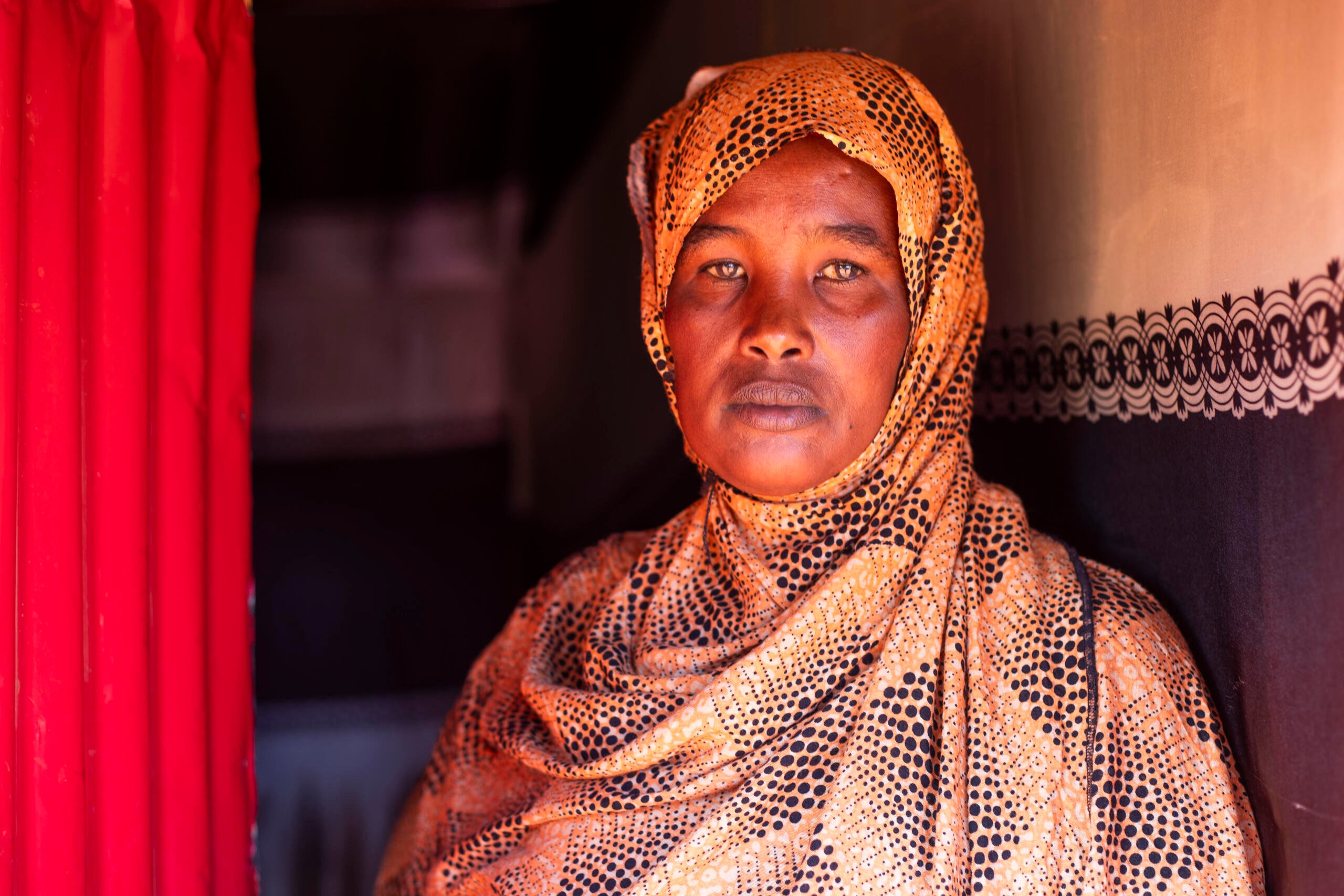
Nurto and thousands of other animal herders had their livelihood destroyed by recurring droughts in Somalia. With her livestock decimated, she was forced to flee her home in search of support and a better life. Photo: Abdulkadir Mohamed/NRC
(UN News)* — The UN Human Rights High Commissioner Volker Türk has voiced concern over the recent deportation of large numbers of non-nationals from the United States, particularly to third countries.
In a report published on Tuesday [], UN Women – the UN agency for gender equality – warned that 47 per cent of these groups may be forced to close within the next six months.
Across 73 countries, 308 million people now rely on humanitarian aid – a number that continues to rise.
Women and girls are disproportionately affected by these crises, facing preventable pregnancy-related deaths, malnutrition, and alarming levels of sexual violence.
Bonn – Accelerating progress to restore 1.5 billion hectares of degraded land around the world and jumpstarting a trillion-dollar land restoration economy will be the focus of this year’s Desertification and Drought Day on 17 June.
The theme of Desertification and Drought Day 2025 is “Restore the land. Unlock the opportunities”, underscoring multiple benefits linked to land restoration.
BALTIMORE, Maryland, May 14 2025 (IPS)* – Here’s a question: Over the past 40 years, what natural disaster has affected more people around the globe than any other?
Livestock in eastern Mauritania are dying due to drought. Credit: UNHCR/Caroline Irby
The past 10 years have been the hottest 10 years on record, and higher temperatures and drier conditions are making more regions vulnerable to drought and arid land degradation, or desertification.
(UN News)* — Devastating floods in South Sudan in recent months left thousands of herders without their most precious possessions: goats, cows and cattle. The animals are central to people’s lives and age-old customs including marriage and cultural traditions. All risk being swept away or scorched by the ravages of climate change.


 HUMAN WRONGS WATCH