Monitoring in Motion for Migrants in the Darien Gap
8 May 2025 —The Darien jungle on the border between Panama and Colombia is a labyrinth of rivers, filled with wild animals and oppressive, humid heat that envelops everything. It is a transit and destination route for migrants and asylum seekers, where fear, despair, and danger are constant.
It is also the main entry point for people heading towards Canada, Mexico and the United States of America. Yet, the greatest danger does not come from nature itself, but from traffickers and criminals who prey on people on the move.
This refrain echoes through centuries of struggle—from the plantations of Saint Domingue to the besieged neighborhoods of Gaza, from the mineral-rich soil of the Congo to the burning plains of Southern Africa.
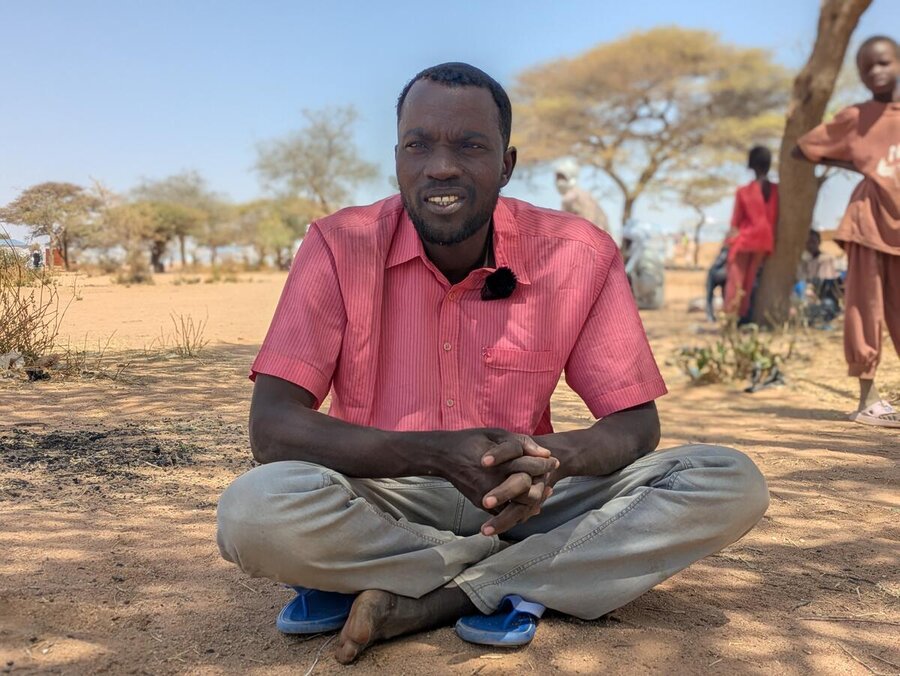
— Hunger and Sudan’s horrific war pushed Abdelminime Moussa from his homeland. Sitting in the sand at eastern Chad’s Koursigue refugee camp, the Sudanese father describes how his family fled assailants who surrounded their village in North Darfur, just across the border.
Abdelminime Moussa at the desolate Koursigue refugee camp in eastern Chad. Moussa and his family count amount the millions of refugees who escaped conflict-torn Sudan. Photo: WFP/Lena von Zabern
“We had nothing,” Moussa says of their arrival earlier this year at this desolate camp, sprinkled with white tents, thorn trees and not much else. “I manage as best as I can to feed my children.”
A million more Somalis could be pushed into severe hunger as recurrent droughts and floods, conflict and high food prices threaten to displace families, disrupt farming, restrict market access and increase humanitarian needs.
5 May 2025 —Madeleine had already lost her husband a few years earlier and could no longer cope with the escalating violence in her village. She decided to flee, heading for an unknown destination with her grandchildren.
Madeleine in front of her house in Bocaranga. Photo: Patricia Pouhe/NRC
Europe is the fastest-warming continent, and the impacts of climate change are clear. 2024 was the warmest year on record for Europe.
Storms were often severe and flooding widespread, claiming at least 335 lives and affecting an estimated 413 000 people.
During the year, there was a striking east-west contrast in climate conditions, with extremely dry and often record-warm conditions in the east, and warm but wet conditions in the west.
5 May 2025 — Twelve years ago, Nimco was forced to flee her home in Mieso, Ethiopia with her nine children when violence erupted between Somali and Oromo communities. They left everything behind, their home, land, and source of income.
()* — The UN refugee agency (UNHCR) warned on Friday [] that a worsening funding crisis is placing refugees – who cannot return home due to war or persecution – in increasing danger.
With humanitarian resources running dry, critical support for millions of forcibly displaced people is under threat.
UNHCR said that two-thirds of countries hosting refugees are already severely overstretched and urgently need support to continue providing education, healthcare and shelter.
(UN News)* — Lifesaving operations everywhere continue to be shut down by sweeping funding cutbacks which will result in millions of people dying, the UN’s top aid official said on Wednesday [].
“Cutting funding for those in greatest need is not something to boast about…the impact of aid cuts is that millions die,” warned Emergency Relief Coordinator Tom Fletcher.
Latin Americans fleeing violence face movement restrictions, exploitation, and asylum barriers, according to a new report.
28 April 2025 — The report, conducted by the Norwegian Refugee Council (NRC), the Danish Refugee Council (DRC) and partners through the ProLAC initiative, is based on a survey of 3,611 households across nine countries.
Hands cover the face of a woman displaced by the armed conflict in Colombia. Photo: Elegante Lab/NRC
It reveals that conflict and violence in Latin America are forcing thousands of people to flee their homes, while armed and criminal groups continue to restrict their movement and take advantage of their vulnerabilities.


 WFP/Petroc Wilton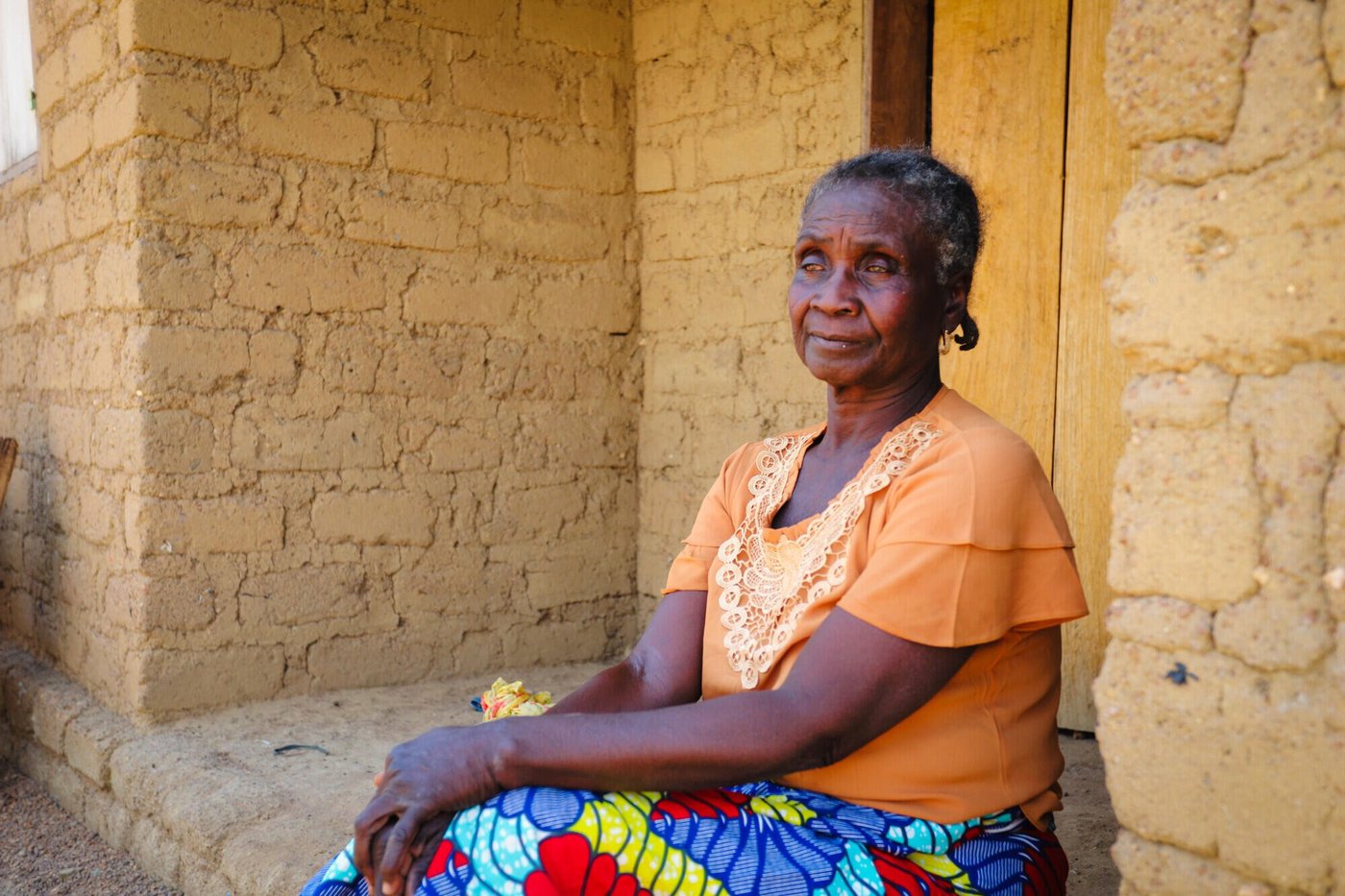



 HUMAN WRONGS WATCH