Text: Kristine Grønhaug. Photo/video: Richard Ashton. Design: Tove Skjeflo
One day last year, when 12-year-old Salwa was at the market in her hometown in Sudan, the dark shadow of war came over her. And when, a few weeks later, her neighbours’ house was bombed and the children who lived there were killed, she fled.
()* — Spotlighting crises roiling parts of eastern Africa, the UN deputy chief concluded a regional visit in Adré, Chad, on Friday [], calling for global solidarity to tackle famine in Sudan, flooding and mass displacement while ensuring free-flowing aid for millions trapped in war zones and those fleeing for their lives.
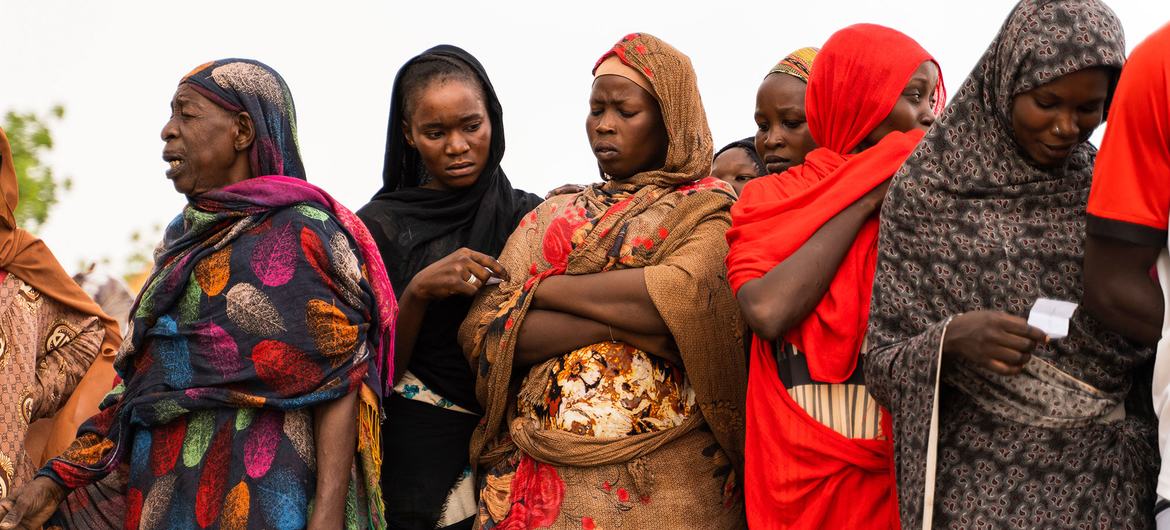
Chad hosts more than 1.1 million refugees, many escaping violence in Sudan, where rival militaries have been fighting since April 2023. At the same time, the war has also triggered colossal suffering within Sudan’s borders.
Yemen: Needs grow for millions displaced amid catastrophic flooding and prolonged humanitarian emergency
This is a summary of what was said by UNHCR spokesperson Mysa Khalaf – to whom quoted text may be attributed – at today’s press briefing at the Palais des Nations in Geneva.
30 August 2024 (UNHCR)* — UNHCR, the UN Refugee Agency, is warning that millions of displaced Yemenis face worsening conditions as Yemen’s prolonged crisis deepens. This is according to the findings of a latest UNHCR assessment.
UNICEF calls for US$ 35 million for life-saving supplies as thousands of people and children remain stranded without food or emergency relief supplies
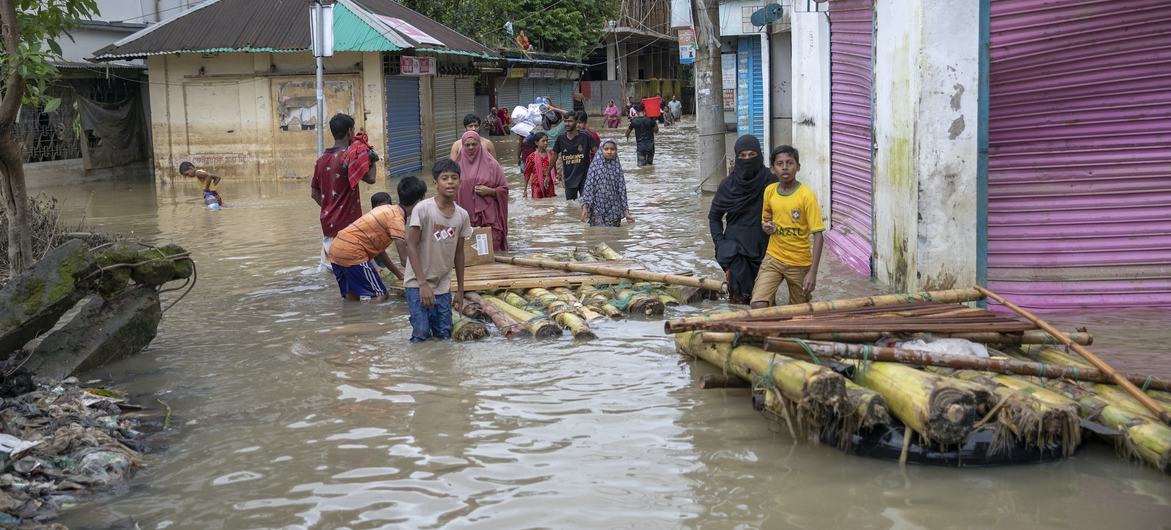
UNICEF/UNI631509/MukutPeople wading through the flood waters in Feni, Bangladesh, August 2024
DHAKA, 30 August 2024 (UNICEF)* -– Over two million children in eastern Bangladesh are at risk as floods sweep through homes, schools and villages, UNICEF has warned. In all, these floods, the worst in eastern Bangladesh in 34 years, have affected 5.6 million people.
Nairobi, 28 August 2024 – In half the world’s countries one or more types of freshwater ecosystems are degraded, including rivers, lakes and aquifers. River flow has significantly decreased, surface water bodies are shrinking or being lost, ambient water is growing more polluted, and water management is off-track.
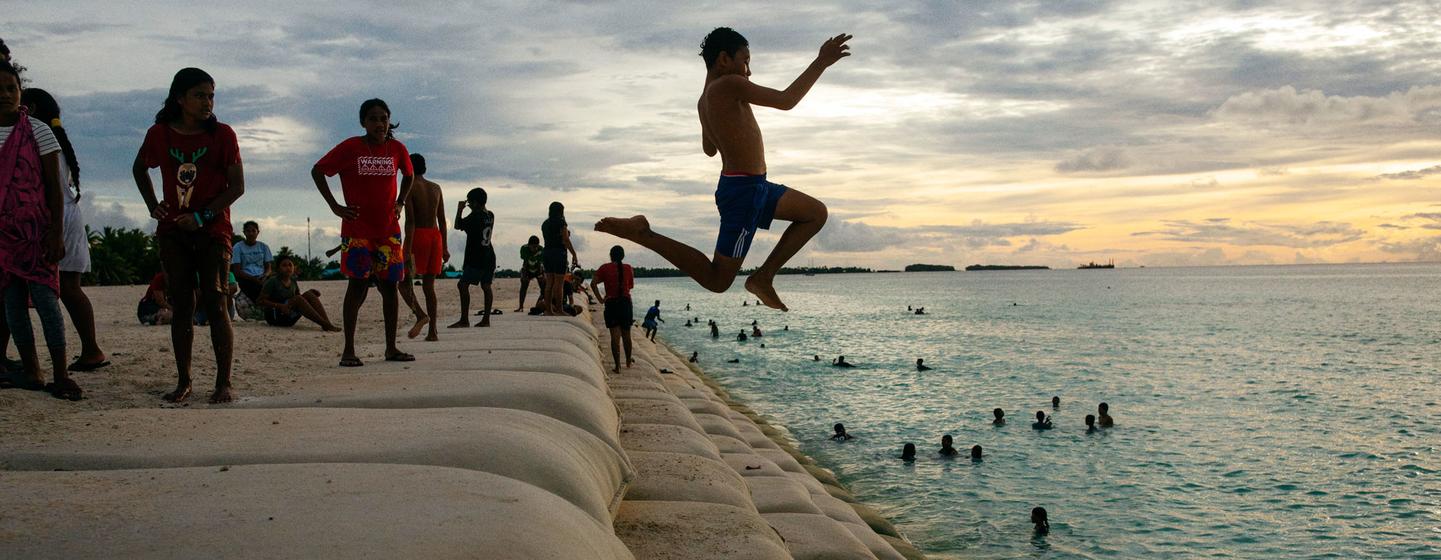
()* — The level of the sea globally is rising faster and higher than ever before, creating what the United Nations has described as an “urgent and escalating threat” to people around the world.
The UN Secretary-General António Guterres has been visiting the Pacific Ocean nations, Tonga and Samoa, where sea level rise has been one of the key issues he has been discussing with the communities he has met.
On 25 September, global leaders and experts will gather at the UN to discuss how best to address the threat.
Here’s what you need to know about sea level rise:
(UN News)* —Over 18 million people in Bangladesh have been affected by severe monsoon conditions, with more than 1.2 million families trapped as flash floods submerge vast areas of the country’s east and southeast.
The worst affected regions are Chattogram and Sylhet, where major rivers are “flowing well above danger levels”, further aggravating the situation, according to the UN Children’s Fund (UNICEF).
.
Initial estimates suggest that around five million people – including two million children – have been affected, many stranded without food and relief.
UNITED NATIONS, Aug 29 2024 (IPS)* – The Communist Manifesto of a bygone era, authored by Karl Marx and Friedrich Engels, begins with an implicit warning: “A specter is haunting Europe—the specter of Communism.”
US President Donald Trump (2017-2021) presiding over a meeting of the UN Security Council. Credit: United Nations
And today another specter is haunting– this time at the United Nations — the specter of a second Trump presidency.
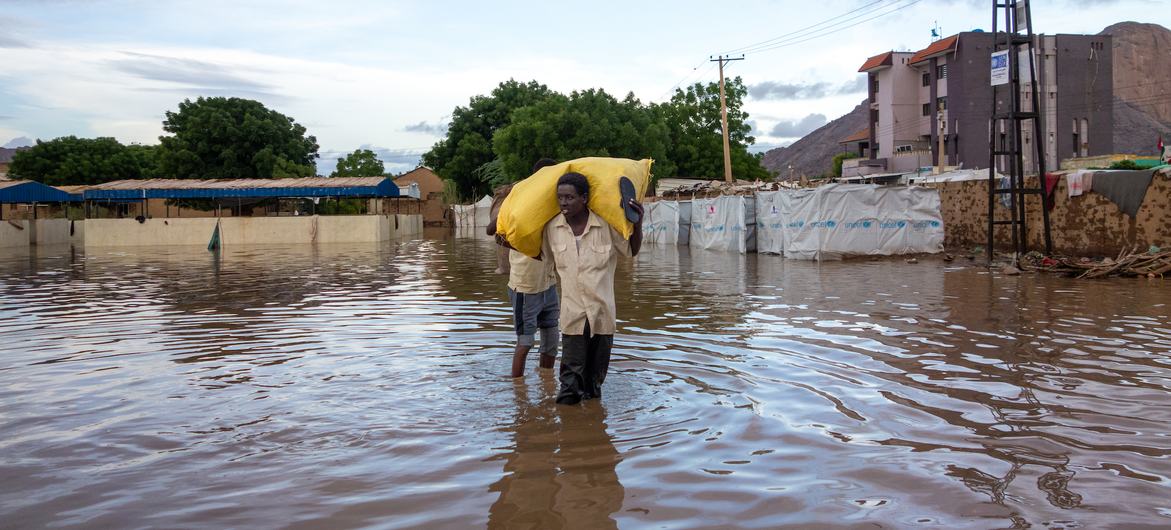
(UN News)* — Around 20 villages in eastern Sudan have reportedly been “destroyed”, with 70 impacted overall, after floodwaters burst through a major dam, according to UN humanitarians – adding to the suffering of communities already devastated by the ongoing war between rival militaries.
The Arba’at Dam, located around 38 kilometers (24 miles) northwest of Port Sudan, collapsed on Sunday, damaging roads, electricity, and telecommunication networks, making it difficult to assess the situation, the UN Office for the Coordination of Humanitarian Affairs (OCHA) reported.
(UN News)* — Protecting war-weary people in Sudan from a second deadly cholera outbreak is proving a huge challenge for aid teams after more than 16 months of heavy fighting, combined with flooding and ongoing access obstacles, they reported on .
“The needs are huge in Sudan; we are talking about people dying of hunger, we have conflict, we have protection issues, we have displacements on a daily basis; the needs are just huge,” compounded by several weeks of heavy rainfall, said Kristine Hambrouck, UNHCR Representative in Sudan.
Famine ‘ongoing’
In addition to cholera, famine is still “ongoing” in Zamzam camp near El Fashertown, according to the UN World Health Organization (WHO). It said that 658 cases have been reported since the latest outbreak was declared on 12 August, with 28 deaths.



 HUMAN WRONGS WATCH