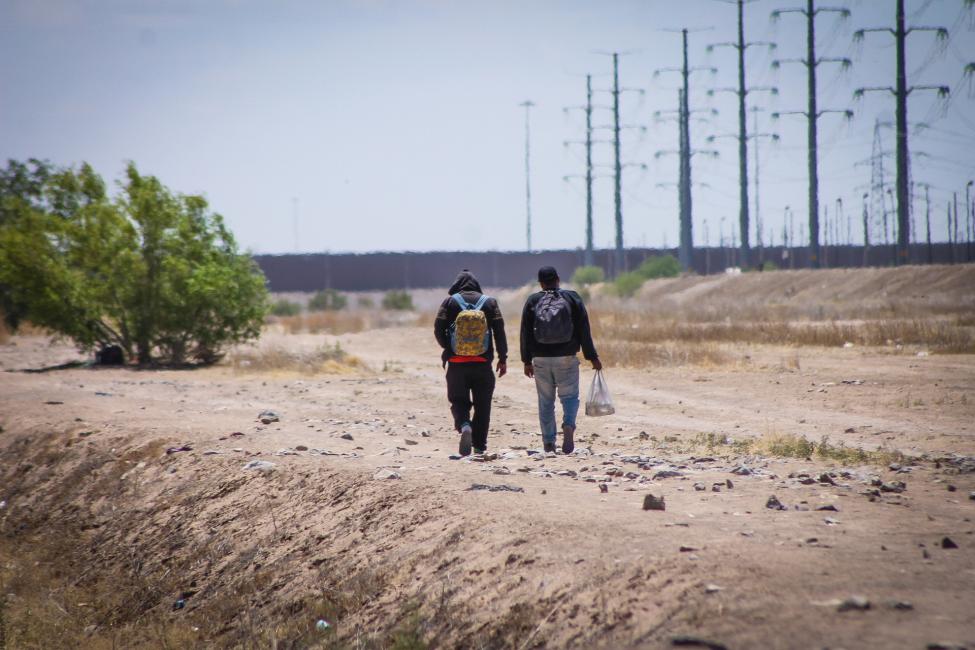
Geneva/Berlin/San José, 12 Setpember 2023 (IOM)* – The International Organization for Migration (IOM) documented 686 deaths and disappearances of migrants on the US-Mexico border in 2022, making it the deadliest land route for migrants worldwide on record.
Deaths and disappearances of migrants in the Americas are increasing every year; 2022 was the deadliest year since IOM’s Missing Migrants Project began in 2014. Photo: IOM/Camilo Cruz
The figure represents nearly half of the 1,457 migrant deaths and disappearances recorded throughout the Americas in 2022, the deadliest year on record since IOM’s Missing Migrants Project (MMP) began in 2014.
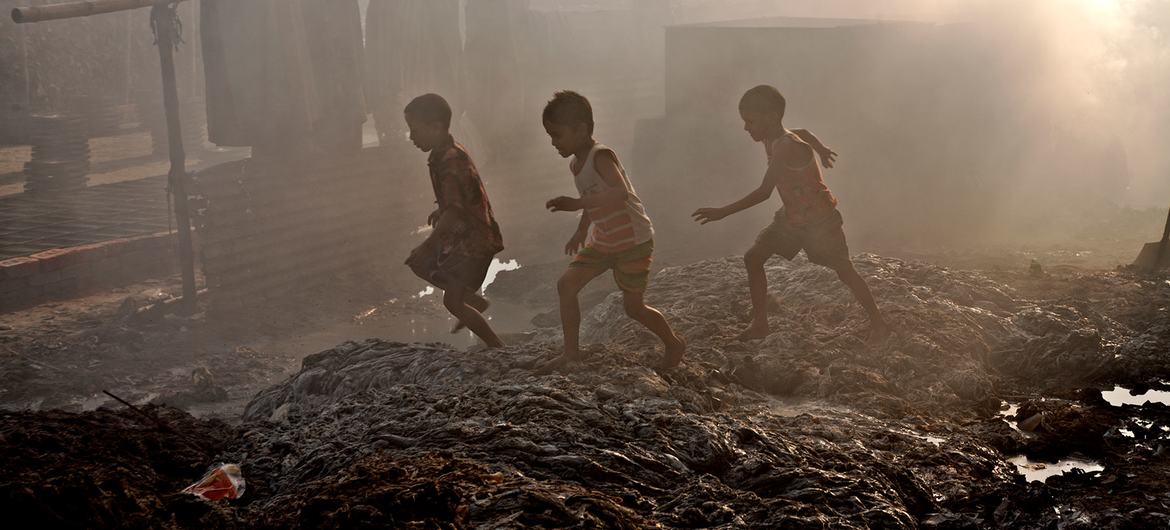
The Rana Plaza factory collapse in 2013sparked a call for change in the global fashion industry. But 10 years on, more than 100 billion clothes a year are made – mostly from oil turned into polyester – by people working in dangerous conditions. This is fast fashion’s impact on people and the planet.
.
This story was originally posted by Greenpeace UK.22 September 2023 — You know the feeling: wardrobe full of clothes, nothing to wear. Online, fashion sales fill your feeds. Clothes are cheaper than ever, and even cheaper in the sales, which now happen year-round.
1. Mother Earth is a sacred, self organized living being. She creates and sustains life.Through her biosphere and her complex ecological processes, she regulates her water systems, her nutrition cycles, and her climate system.Over 4 billion years, using the energy of the sun, the power of photosynthesis by microbes and the green leaf of plants, she brought the temperature of the planet down from 290 C to 13 C, and the concentration of atmospheric CO2 down from 98% to .03%, from around 4,000 to somewhere around 250-270.
Whether – like in Derna – it’s too much water leading to floods, or too little water causing droughts, or polluted water resulting in health risks, addressing the dangers that water poses can save lives.
As climate change intensifies these threats, there is an urgent need for action.
(UN News)* — The consequences of poor chemicals and waste management worldwide are fuelling an “unprecedented global toxic emergency”, independent UN human rights experts have warned, ahead of a major summit next week.
The fifth session of the International Conference on Chemicals Management (ICCM-5), organized by UN environment programme UNEP and hosted by Germany, kicks off in Bonn on Monday.
By approving a new political declaration at UN Headquarters during the high level meeting, Member States also pledged to take concrete action and provide the necessary funding to reach the ambitious goal.
(September 19, 2023) – When the European Commission president arrived on the island of Lampedusa in Italy on September 17, it was an opportunity to reset Europe’s broken approach to migration. Instead, we got a 10-point plan of ineffective and abusive policies, with some wishful thinking.
UNITED NATIONS, Sep 19 2023 (IPS)* – Politically, the United Nations has largely been described as a monumental failure —with little or no progress in resolving some of the world’s past and ongoing military conflicts and civil wars, including Palestine, Western Sahara, Kashmir, and more recently, Ukraine, Yemen, Afghanistan, Syria, Sudan and Myanmar, among others.
Credit: United Nations
Still, to give the devil its due, the UN has made some remarkable progress providing food, shelter and medical care to millions of people caught in military conflicts, including in Ukraine, Sudan, Syria, Libya and Somalia. Has the UN been gradually transformed into a humanitarian aid organization — diplomats without borders?
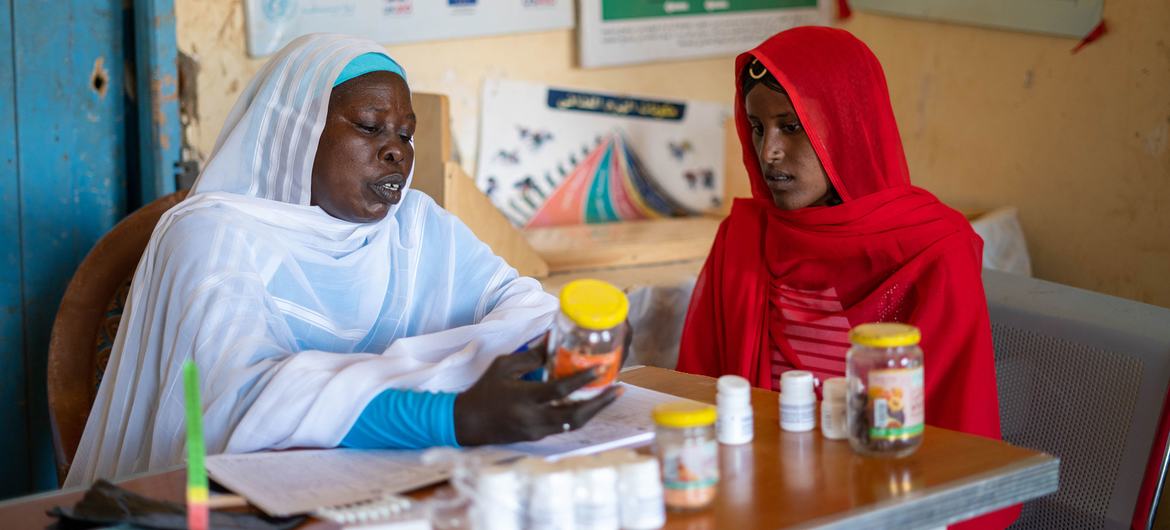
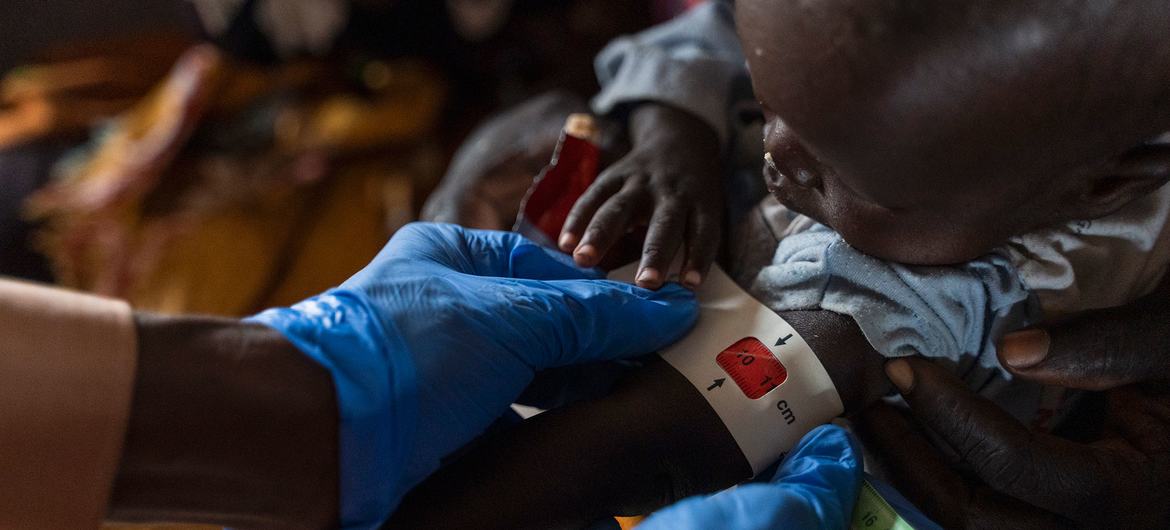
(UN News)* — In war-torn Sudan, more than 1,200 children under five have died in camps in the space of four months from a combination of measles and malnutrition, UN humanitarians said on Tuesday [].
According to the UN refugee agency (UNCHR) and the World Health Organization (WHO), the children were refugees living in nine camps in Sudan’s White Nile state.
UN refugee chief Filippo Grandi insisted that the world had “the means and the money” to prevent every one of those deaths.
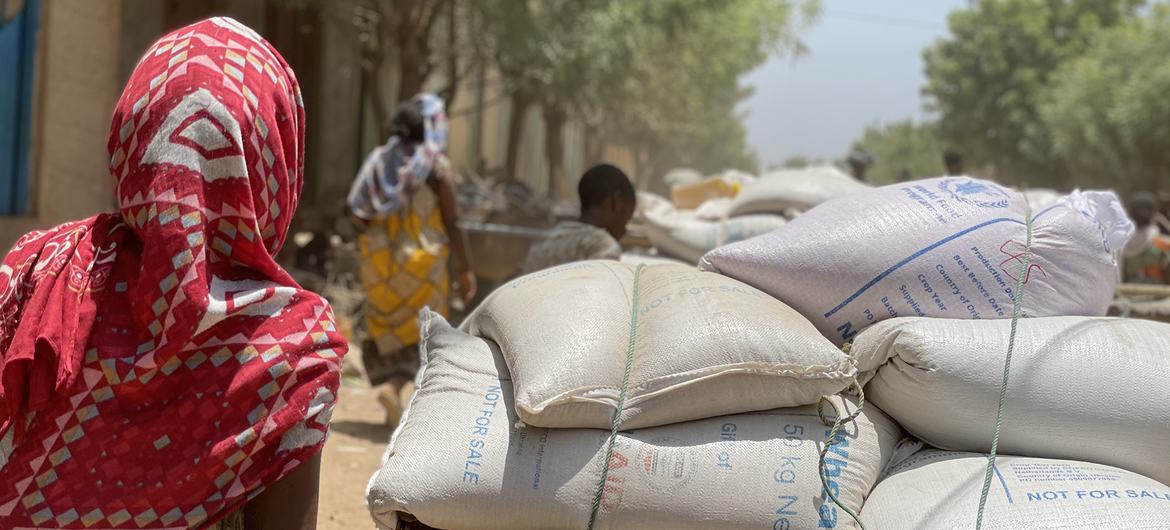
(UN News)* — In Ethiopia, war crimes have continued unabated almost a year after a ceasefire was agreed between the country’s Government and forces from the northern Tigray region, UN-appointed independent rights experts said on Monday [].
The latest report from the International Commission of Human Rights Experts on Ethiopia documents atrocities perpetrated “by all parties to the conflict” since 3 November 2020 – the start date of the armed conflict in Tigray – including mass killings, rape, starvation, destruction of schools and medical facilities, forced displacement and arbitrary detention.
 22 September 2023 — You know the feeling: wardrobe full of clothes, nothing to wear. Online, fashion sales fill your feeds. Clothes are cheaper than ever, and even cheaper in the sales, which now happen year-round.



 HUMAN WRONGS WATCH