(UN News)* — The Desert Locust crisis which struck the greater Horn of Africa region earlier this year threatening food supplies for millions, could re-escalate as recent strong winds carried mature swarmlets from southern Somalia into eastern and northeastern Kenya, the UN Food and Agriculture Organization (FAO) said on Tuesday [24 November 2020].
Although some of the swarmlets that reached Kenya may have already laid eggs before their arrival, there remains a risk of further egg-laying in sandy areas that saw recent rainfalls, according to FAO.
“In this case, hatching and hopper band formation can be expected in early December,” said the agency.
24 November 2020 (FAO)* — Months before the COVID-19 pandemic struck, the FAO-led report, The State of Food Security and Nutrition in the World 2020, had identified Africa as the region with the fastest-growing number of undernourished people.
In the absence of a dramatic change of fortunes, the report said, Africa was on course to overtake Asia and host more than half of the world’s hungry by 2030. And this, with less than a fifth of the global population.
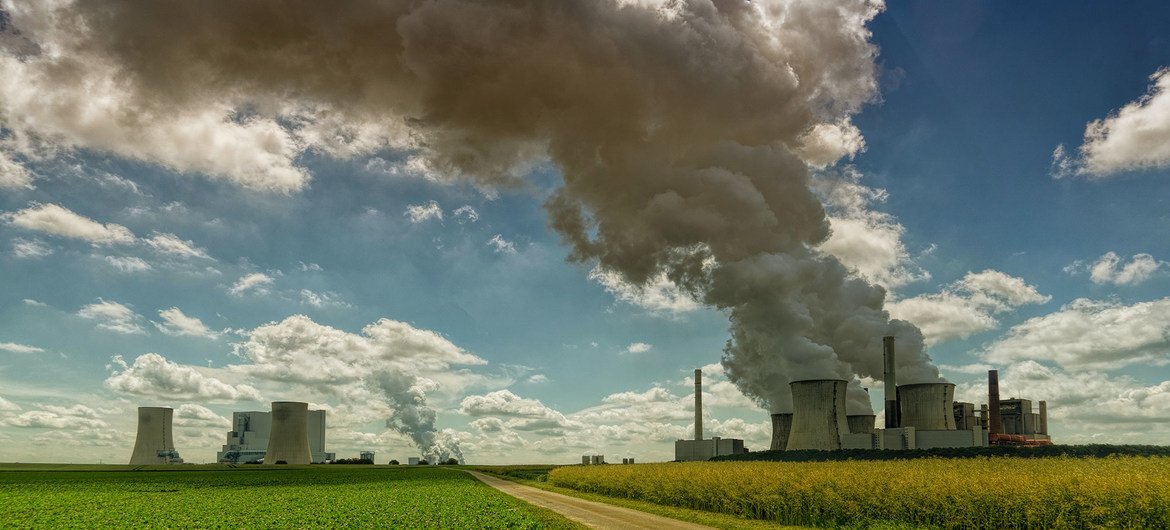
(UN News)* — Levels of carbon dioxide (CO2) in the atmosphere hit a new record of 410.5 parts per million in 2019, and are expected to keep rising this year, the World Meteorological Organization (WMO) said in its annual Greenhouse Gas Bulletin on Monday [23 November 2020].
Unsplash/Johannes Plenio | Carbon dioxide levels continue at record levels, despite the economic slowdown caused by the COVID-19 pandemic.
“We breached the global threshold of 400 parts per million in 2015. And just four years later, we crossed 410 ppm. Such a rate of increase has never been seen in the history of our records. The lockdown-related fall in emissions is just a tiny blip on the long-term graph. We need a sustained flattening of the curve”, WMO Secretary-General Petteri Taalas said in a statement.
UNITED NATIONS, Nov 20 2020(IPS)* – The world’s major military powers exercise their dominance largely because of their massive weapons arsenals, including sophisticated fighter planes, drones, ballistic missiles, warships, battle tanks, heavy artillery—and nuclear weapons of mass destruction (WMDs).
Credit: United Nations
But the sudden surge in the coronavirus pandemic last week, particularly in the US and Europe, has resurrected the lingering question that cries out for an answer:
Will overwhelming fire power and WMDs become obsolete if biological weapons, currently banned by a UN convention, are used in wars in a distant future?
According to the latest figures from Cable News Network (CNN), the grim statistics of the coronavirus pandemic include 56.4 million infections and 1.5 million deaths worldwide.
As of last week, the US alone has been setting records: more than 11.5 million pandemic cases and over 250,500 deaths since last March, with more than 193,000 infections every day.
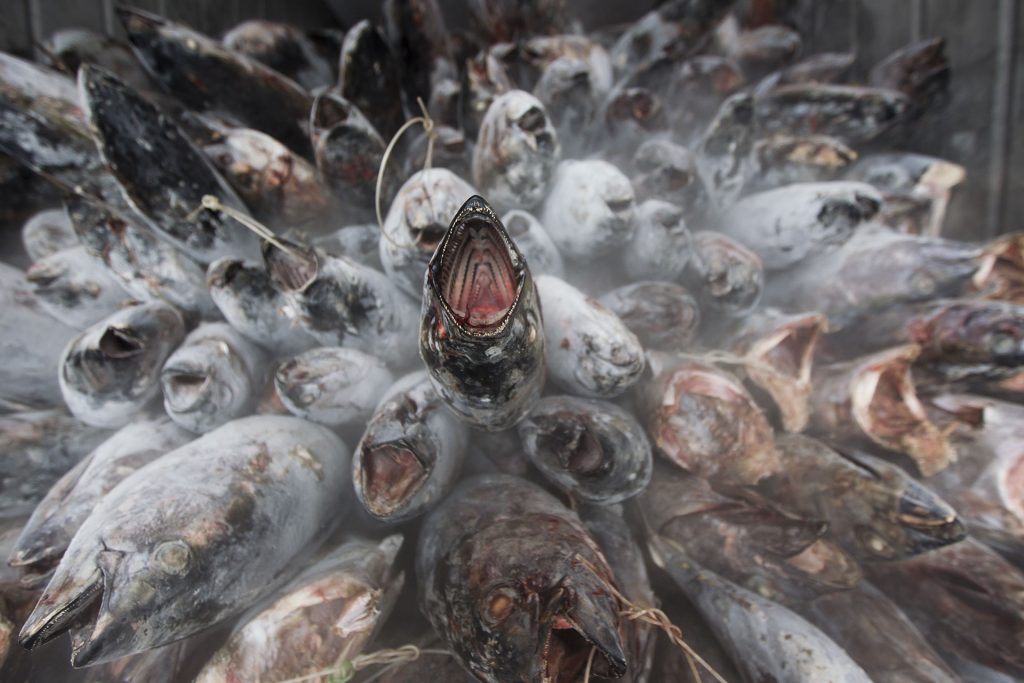
(Greenpeace International)* — November 21st marks World Fisheries Day, and whilst there’s plenty to celebrate about small and sustainable fisheries ALL around the world, there is a huge shadow cast by a few greedy, corporate entities which we cannot afford to ignore.
21 November marks World Fisheries Day, celebrating a profession and a way of life that supports the livelihoods of 1 out of every 10 people on the planet
21 November 2020 (FAO)* — To celebrate World Fisheries Day on 21 November, FAO and the Holy See will jointly organize an event aimed at focusing international attention on the need to improve working conditions in the fisheries sector.
19 November 2020 (FAO)* — Wasted food. Polluted seas. Landfill sites full to bursting. After years of using our precious natural resources as if they were limitless, the outcomes of our behaviours are making it clear that it is time to change our ways. And the answer? Well, a no-waste, environmentally and socially considerate bioeconomy is an excellent place to start.
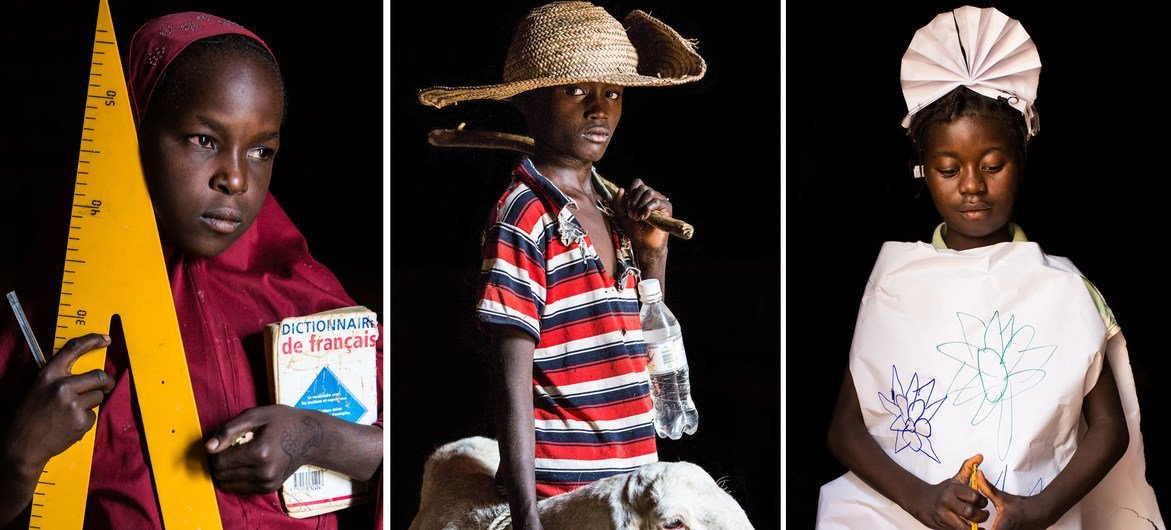
20 November 2020 (UN News)* — Engineer, nurse, breakdancer, shepherd, human rights lawyer, journalist, musician and president are just some of the future dreams harboured by young displaced people in the Sahel region of Africa.
One Day, I Will by Vincent Tremeau presented by UNOCHA
One day I will be a: teacher: Sakima from Niger; shepherd: Abdel, Niger; nurse: Maimouna, Central African Republic.
.
Children across the region have been asked what they want to be when they grow up as part of a UN photography exhibition entitled “One Day, I will” and while their hopes may match those of other young people around the world, their opportunities, after fleeing their homes, are perhaps more limited.
20 November 2020 (UNEP)* — It is a global rallying cry for everyone – from governments to multinational companies, to school children – to get involved in reviving damaged ecosystems.
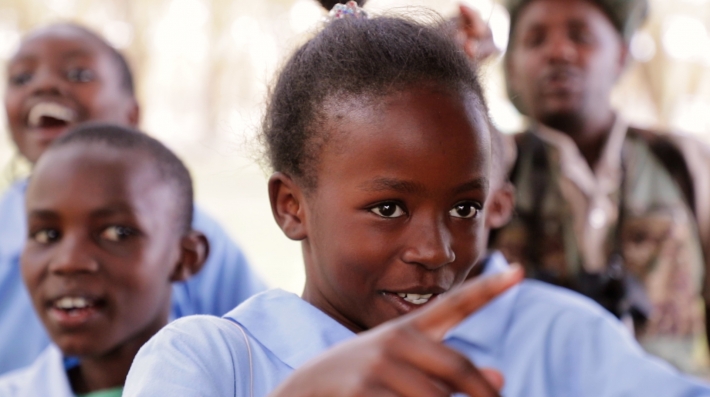
To mark World Children’s Day, which is 20 November, the United Nations Environment Programme recreated the journey of one young girl as she learns about the value of the natural world and how to protect it.
20 November 2020 (WMO)* — Above normal temperatures and precipitation are expected across most of the Arctic region for November-January 2020/2021, according to a new seasonal climate outlook produced at the 6th session of Arctic Climate Forum.





 HUMAN WRONGS WATCH