The ILO’s latest analysis of the labour market impact of COVID-19 exposes the devastating and disproportionate effect on young workers, and analyses measures being taken to create a safe return to work environment.
GENEVA, 27 May 2020 (ILO)* – More than one in six young people have stopped working since the onset of the COVID-19 pandemic while those who remain employed have seen their working hours cut by 23 per cent, says the International Labour Organization (ILO).
22 May 2020 (WMO)* — An above-normal 2020 Atlantic hurricane season is expected because of a number of climate factors and warmer-than-average sea surface temperatures, according to forecasters with NOAA’s Climate Prediction Center, a division of the National Weather Service.
The outlook predicts a 60% chance of an above-normal season, a 30% chance of a near-normal season, and only a 10% chance of a below-normal season. The Atlantic hurricane season runs from June 1 through November 30.
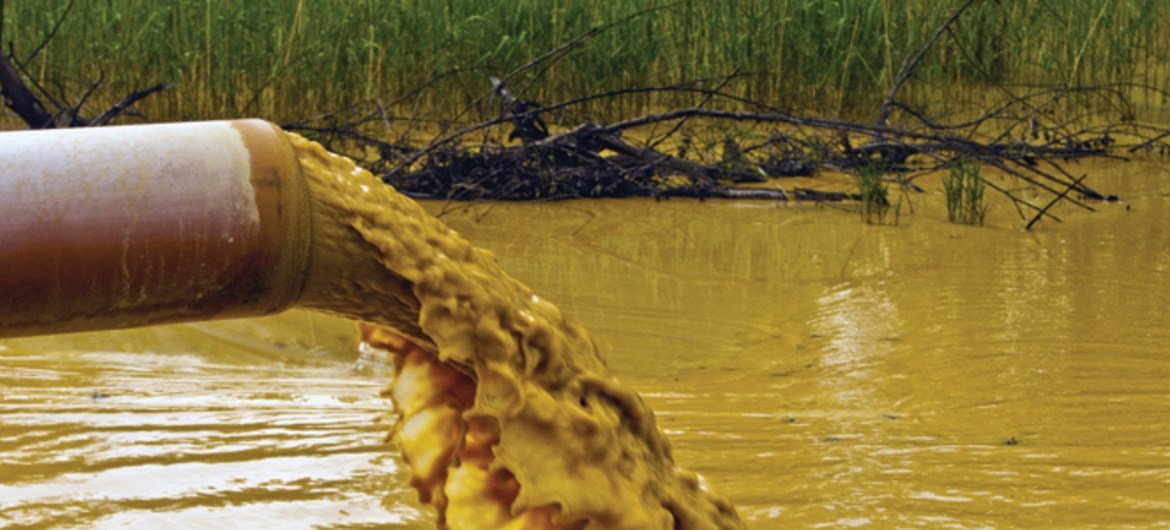
(UN News)* — Last week’s deadly toxic gas leak at a Korean-owned polymer plant in south-eastern India, is a grim wake up call for the chemical industry to acknowledge and fulfil its responsibility to respect human rights, the UN independent expert who monitors the issue, said on Thursday [14 May 2020].
Photo: UNEP (FILE PHOTO) Toxic and life-threatening chemicals can enter the environment through industrial and urban discharges, agricultural run-off and the burning and release of waste.
The United Nations Environment Programme (UNEP) stands with those suffering from the COVID-19 pandemic. UNEP is responding in a number of ways, including by supproting global efforts to protect biodiversity, to put an end to the illegal trade in wildlife, to safeguard the handling of chemicals and waste and to promote economic recovery plans that take nature and the climate emergency into account. This article is one of several highlighting UNEP’s duty to help nations build back better after the pandemic to increase resilience to future crises.
8 May 2020 (UN Environment)* — With scientists saying the polar ice caps are melting six times faster than in the 1990s there is an urgent need to reduce greenhouse gas emissions as quickly as possible to prevent catastrophic sea-level rise.
“This is a population that has a poor nutritional status, and also has diseases that have not been treated, so they are more likely to contract the virus.”
Homeless Chileans live in tents in public spaces | Photo: Twitter/@RendirseJamass
26 March 2020 (teleSUR)* — Chile’s government requested the homeless population to “stay at home” and to maintain hygiene to prevent Covid-19. The administrative request generates mockeries and polemic reactions.
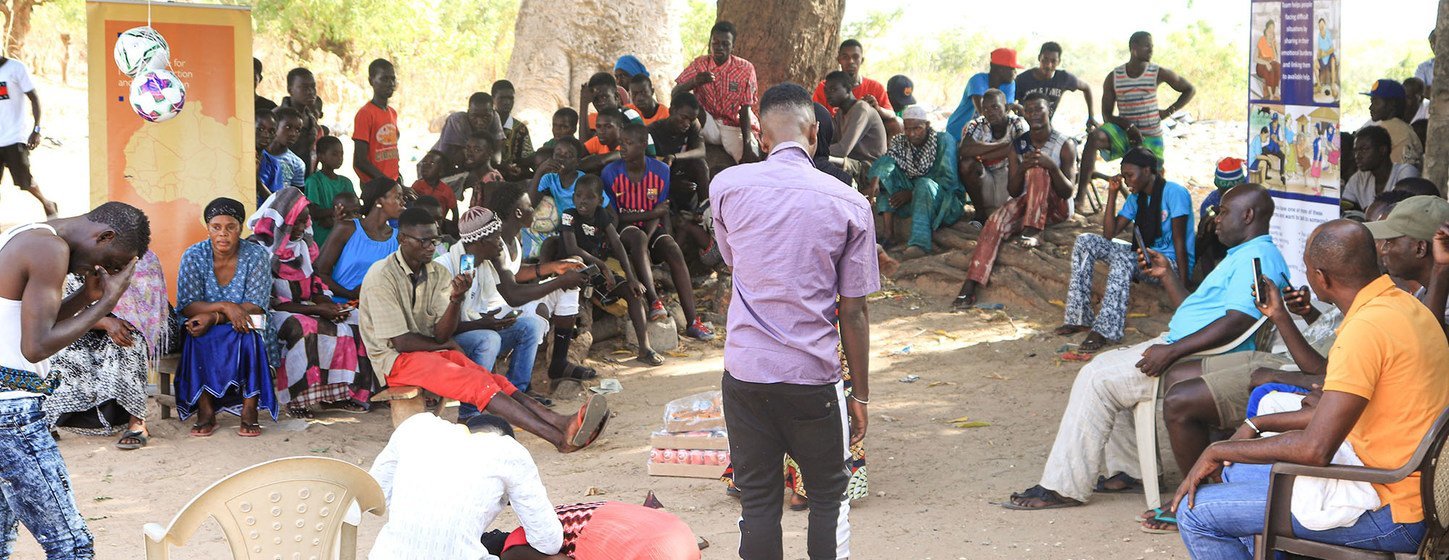
26 March 2020 (UN News)*— Every year, migrants embarking on sea-crossings see their journey end in tragedy: those who survive and return home can struggle to cope with daily life, and need support. To help migrant returnees, the UN has a range of programs aimed at tackling the mental health side-effects of trauma.
Sulayman*, an 18 year old from the North Bank region of The Gambia in West Africa, says that he will never forget what he saw, the day that he was caught up in a devastating tragedy: the ship he was travelling on sank off the Mauritanian coast, drowning at least 62 people who had left the country, in the hope of a better life elsewhere.
19 March 2020 (UN Environment)* — When you see a new car, you might think of the speed it can attain, the sound system on offer, the upholstery, or its range, if electric. But have you ever stopped to think about the greenhouse gas emissions created by its manufacture—including mining the metals and moulding the plastics that go into its construction?
.
In the transport sector, one way to reduce greenhouse gases is to use fewer and recycled materials—a process experts call “material efficiency”.
Protesters march across Brussels’ European district during a rally ‘For a fairer Europe for workers’ in Brussels, Belgium, 26 April 2019. [EPA-EFE/STEPHANIE LECOCQ]
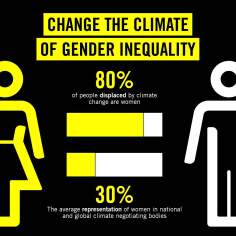
Climate change is a challenge that burdens us all, but not equally. Women and girls are among those affected disproportionately, especially those belonging to marginalized and discriminated communities in the Global South. And yet their voices are rarely heard in decision making forums.
We want to change the climate of gender inequality.





 HUMAN WRONGS WATCH