MBUJI-MAYI / GENEVA, 3 July 2019 (WHO)* — Phase 2 of the biggest ever oral vaccination campaign against cholera is scheduled to take place from 3-8 July 2019 in 15 health districts in the four central provinces of the Democratic Republic of the Congo (DRC) – Kasaï, Kasaï Oriental, Lomami et Sankuru.
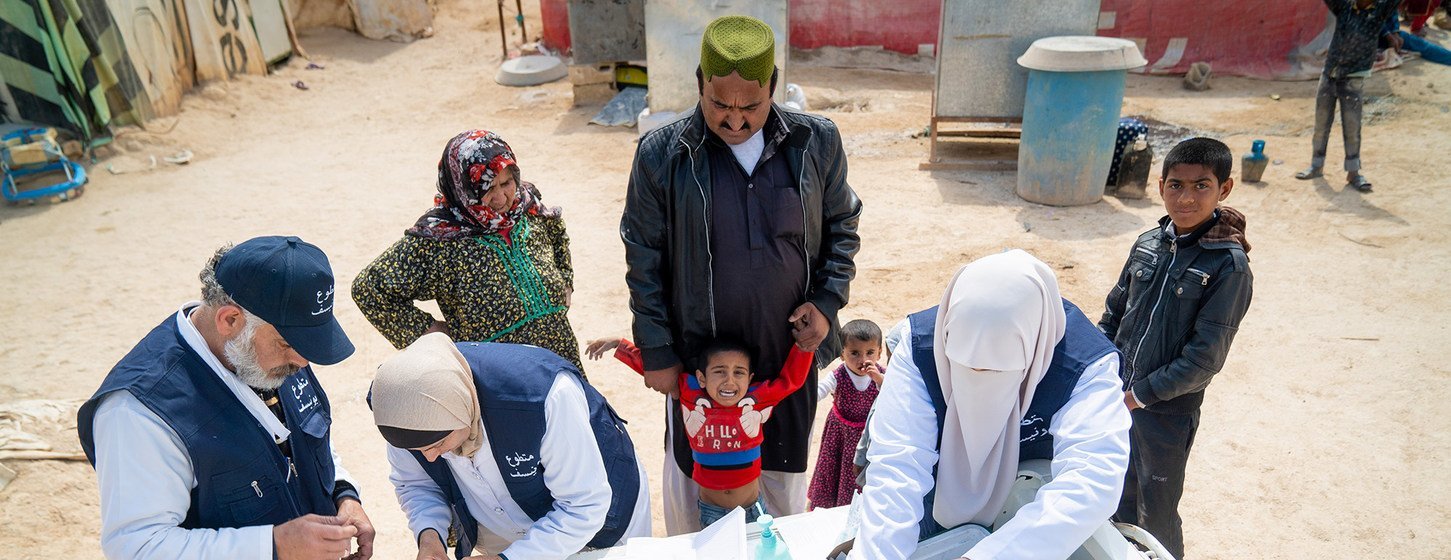
A local official receives a dose of oral cholera vaccine in Tshilenge, July 2019 | WHO
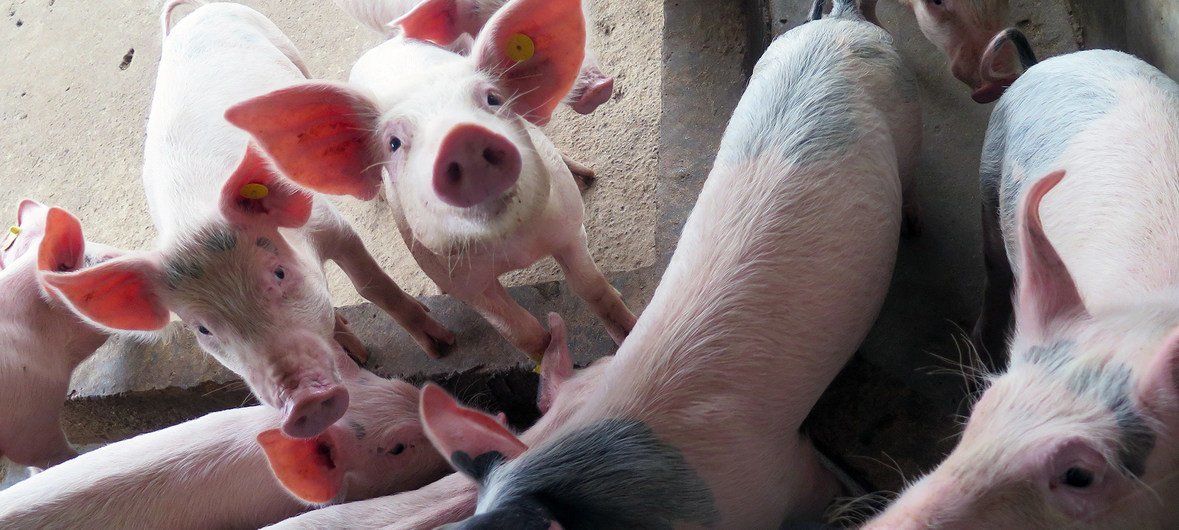
The rapid spread of African Swine Fever (ASF) across East and Southeast Asia is threatening the food security and livelihoods of millions of households in the region which rely on pig farming, The UN’s Food and Agriculture Organization, FAO, reported on Tuesday [2 July 2019].
IAEA/Laura Gil Martinez | African Swine Fever is a highly contagious disease that can cause a devastating impact on small-scale pig farmers and can be transmitted from pigs to humans. (file March 2017)
Small scale farmers account for a significant proportion of pig meat production in the vast region, and the outbreak is of particular concern for these producers, who may lack the expertise and funds necessary to protect their herds from the disease.
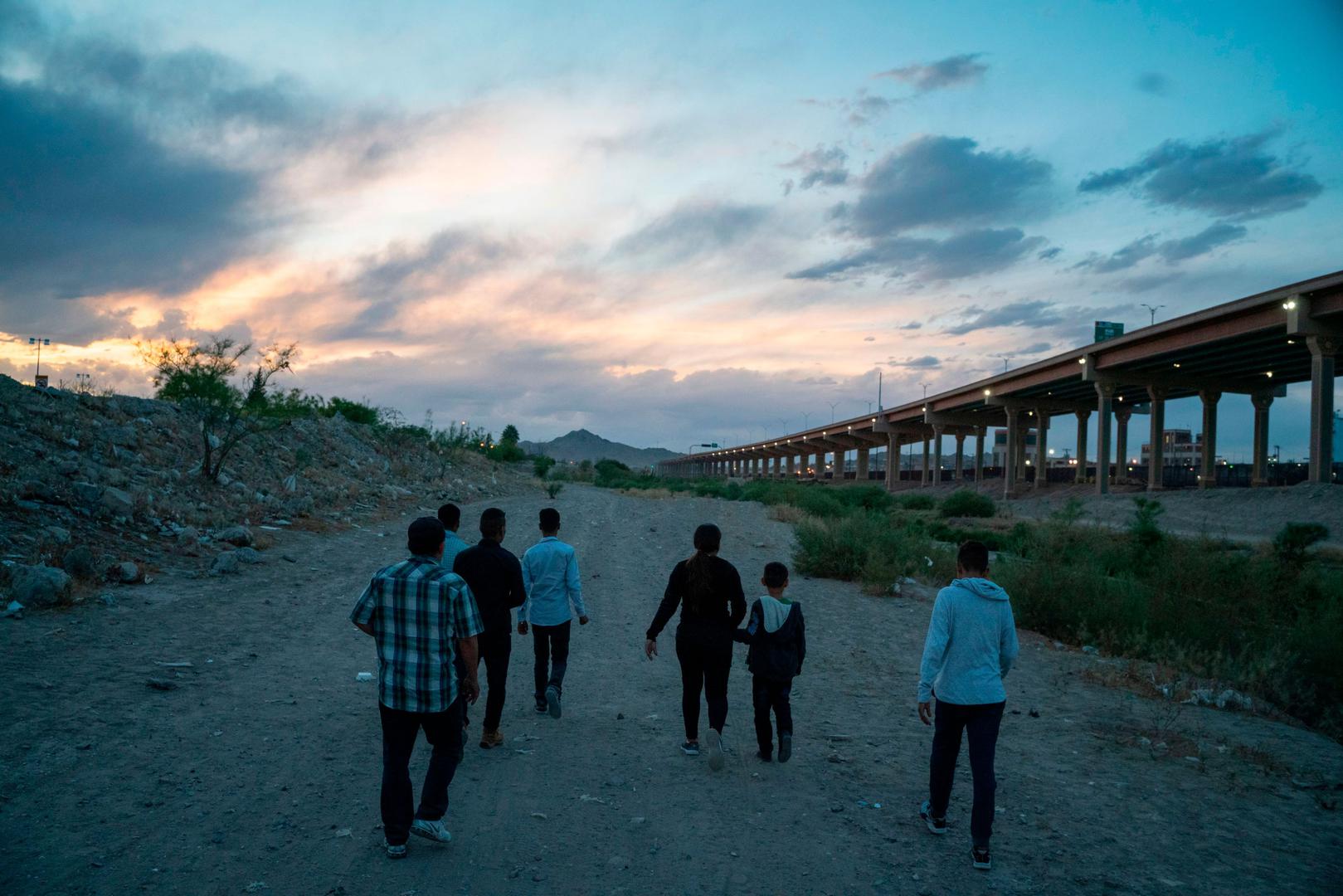
El Paso, TX, 2 July 2019 (Human Rights Watch)* – The United Statesgovernment should cease returning asylum seekers to wait in Mexico during their US immigration court proceedings, Human Rights Watch and the Hope Border Institute said in a report released today [2 July 2019].
Figures suggest that many young asylum seekers arriving in the UK have their ages wrongly disputed leading to serious safeguarding problems.
Young asylum seekers who have their age disputed by local authorities are at risk of significant harm.| Wikimedia Commons. Some rights reserved.
1 July 2019 (openDemocracy)* — The Court of Appeal recently declaredthat the UK Home Office’s policy of determining the age of young asylum seekers is unlawful as it fails to ensure that children are not mistakenly treated as adults.
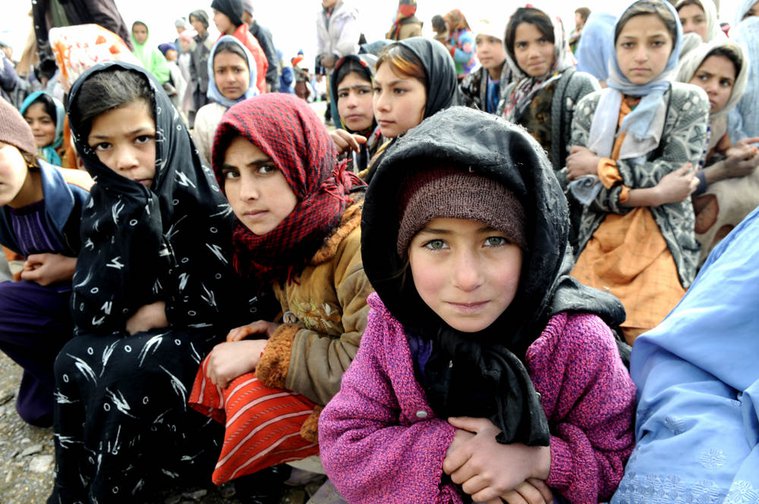
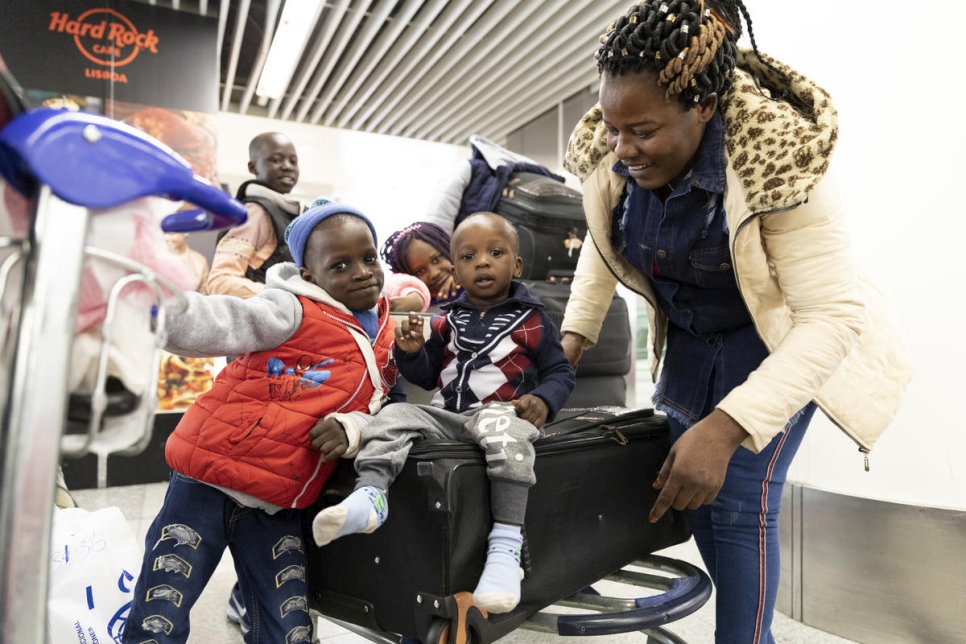
(UNHCR)* — According to latest estimates released on 01 July 2019 at an annual resettlement forum, hosted by UNHCR, the UN Refugee Agency, more than 1.44 million refugees currently residing in over 60 refugee hosting countries will be in need of resettlement in 2020. | Español
30 June 2019 — As global temperatures reach record highs, providing cooling systems which are effective, sustainable and which do not harm the environment is increasingly essential for everyday life. That’s according to Rachel Kyte, Chief Executive Officer of Sustainable Energy for All, and Special Representative of the United Nations Secretary-General for Sustainable Energy for All (SEforALL).
From the cold chain systems that maintain uninterrupted refrigeration during the delivery of food and vaccines, to protection from extreme heat waves globally – access to cooling is a fundamental issue of equity, and as temperatures hit record levels, for some, it can mean the difference between life and death.
Maputo/Geneva, 27 June 2019 (WHO)* —The number of people at risk of trachoma – the world’s leading infectious cause of blindness – has fallen from 1.5 billion in 2002 to just over 142 million in 2019, a reduction of 91%, WHO has reported.
27 June 2019 (UN Environment)* — The Artic landscape is changing at an unprecedented pace: in Sweden, entire towns and villages, houses half sunken into the ground, are being moved to more stable ground, as the permafrost they had been built on shifts and melts.
.
**Thermokarst, Pokhodsk, Russia. Photo by Hans Joosten
.
In the Canadian north, suitable houses have become so rare that apartment prices have skyrocketed, triggering a housing crisis. All around the Arctic, homes lay abandoned, the damage too severe. Roads and other vital infrastructure are at risk, too.
Yet another under-reported human-made disaster: the relentless desertification of Planet Earth that may make uninhabitable some regions like the Middle East, endanger food security, aggravate climate crisis, and force more and more millions of people to flee.
There is something in the air. I am not talking about pollution or greenhouse gas emissions. I am talking about the change humanity needs to address these and other environmental challenges, which have placed our planet and societies in imminent peril.
Inger Andersen
We can all sense this change: in our workplaces and schools, in our cities and communities, in the boardroom and in the media, in parliaments and city councils, in laboratories and business incubators.
People from all corners of the world are demanding a fundamental redesign of how we – as individuals and as a society – interact with the planet.



 HUMAN WRONGS WATCH