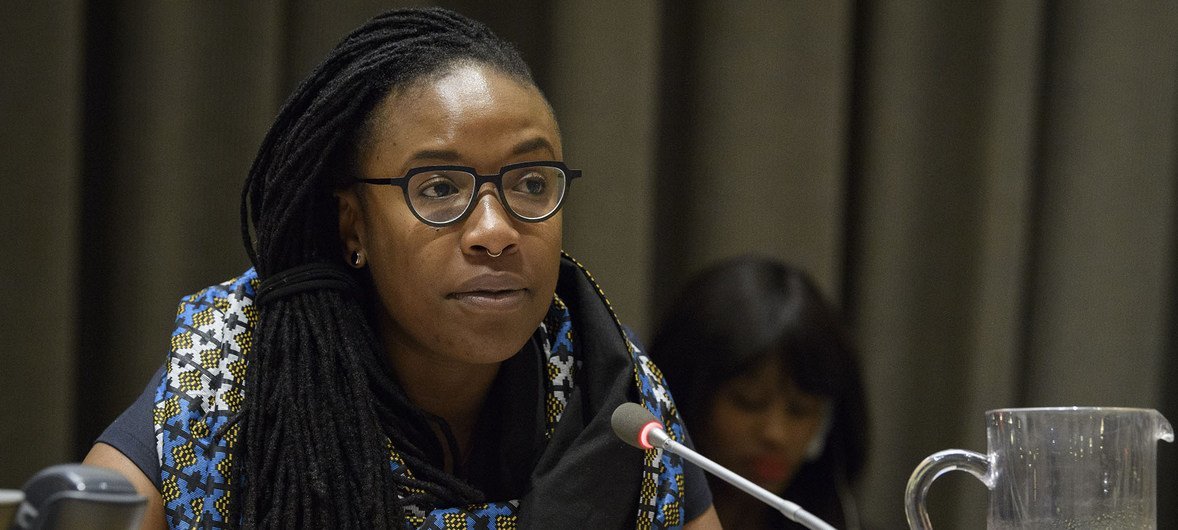
24 November 2018 (UN Women)* — Emmanuella was seven years old when she was raped. At 17, Tabasum was kidnapped and forced to marry an older man, who went on to burn her. Helen was bullied at school because she liked girls and not boys. Elisa was dragged to the town square and beaten, because she dared to participate in politics. Nana escaped being raped by an acquaintance and went on to start conversations about consent well before #MeToo hit global headlines.
With all we have to work for — species diversity, forests, climate, oceans, and basic justice — must we really be concerned about the state of Earth’s sand?
We might wonder why there would ever be a sand shortage, since deserts cover more than a third of Earth’s land surface, but wind-formed desert sand is too fine for construction.
Highly valued river and lake sand contains the right-sized particles for landfill and strong concrete. Dubai, on the edge of the vast Arabian desert, imports sand from Australia. Qatar imports over $6 billion worth of sand annually.
— While trying to save the 2015 Joint Comprehensive Plan of Action (JCPOA), or the Iran nuclear deal, some European leaders have stepped up pressure on Iran’s ballistic missile programme, simultaneously demanding talks and threatening sanctions. Iran—which sees ballistic missiles as crucial to the country’s defence—has responded by saying that its missile programme is non-negotiable.
.
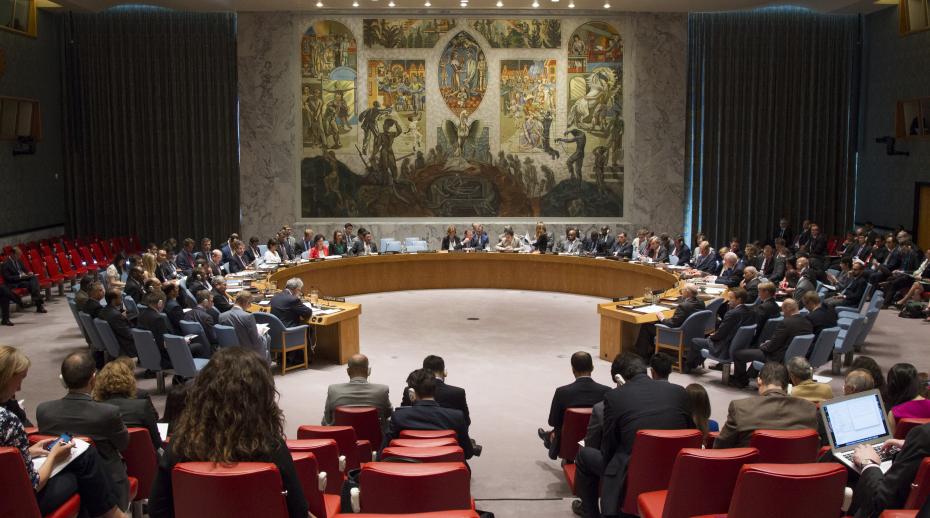
The UN Security Council Adopts Resolution on Iran Nuclear Deal (Resolution 2231), taken on 20 July 2015. Photo: Flickr/UN Photo/Loey Felipe.
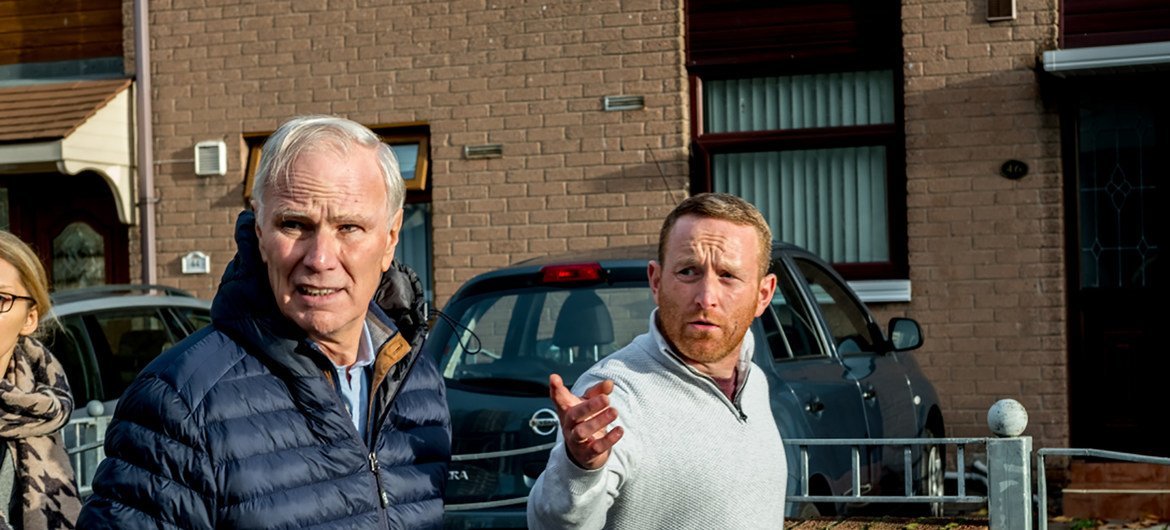
Brexit – the United Kingdom’s impending exit from the European Union – will drive more UK citizens into poverty unless the Government takes action to shield the most vulnerable, warned Philip Alston, the UN Special Rapporteur on extreme poverty and human rights, in a damning statement released on Friday [16 November 2018].*
Bassam Khawaja | Philip Alston, UN Special Rapporteur for Extreme Poverty and Human Rights visits New Lodge in North Belfast, UK. (2018)
The UN envoy’s comments came at the end of a 12-day visit to the UK, which saw him travel to nine cities across the country, meeting members of civil society, front line workers, and officials from a range of political parties in local, devolved and UK Governments.
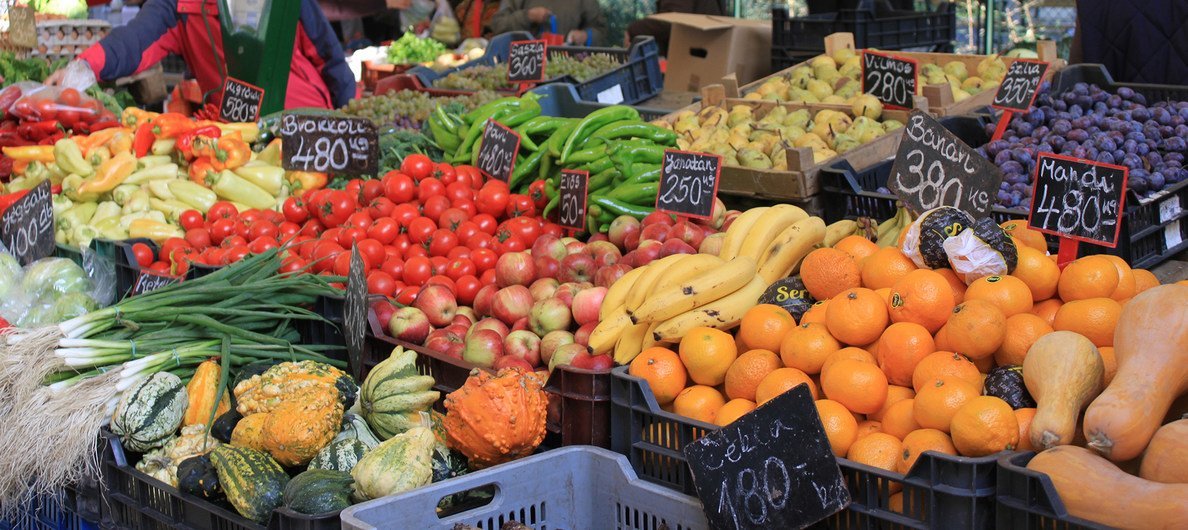
ROME, 14 November 2018 (FAO)* — Diets vary greatly from place to place based on food availability, eating habits and culture. Yet, when it comes to food, there is a lot that we know about what is and what is not good for us and this is true no matter where we live. Societal changes, however, are making these choices more complicated.
While many countries are still dealing with undernutrition, more and more people around the world are eating energy-dense, high-fat, high-sugar and high-salt foods.
12 November 2018 – The Dutch authorities have been accused by UN experts of racism in the country’s welfare system, after seven children of African descent were forcibly removed from their parents.
UN Photo/Manuel Elias | E. Tendayi Achiume, Special Rapporteur on racism, xenophobia and related intolerance
In May, police took the children into care, including a breastfeeding infant – reportedly without “duly considering their best interests, preserving the family structure or first providing instructions on how to combat problems in the home,” the experts said.
“This family separation has caused immense traumaand psychological damage and we are deeply troubled about the impact on the children’s physical and mental wellbeing,” said E. Tendayi Achiume, Special Rapporteur on contemporary forms of racism, racial discrimination, xenophobia and related intolerance and Michal Balcerzak, Chairperson of the Working Group of Experts on People of African Descent.
ROME, 9 November 2018 (FAO)* — An estimated 700 000 people die each year from antimicrobial resistant (AMR) infections and an untold number of sick animals may not be responding to treatment. AMR is a significant global threat to public health, food safety and security, as well as to livelihoods, animal production and economic and agricultural development.
The intensification of agricultural production has led to a rising use of antimicrobials – a use that is expected to more than double by 2030. Antimicrobials are important for the treatment of animal and plant diseases but must be used responsibly and only when needed.
With one-in-five deaths associated with poor-quality diets, the United Nations Food and Agriculture Organization (FAO) issued a co-authored report on Wednesday 7 November 2018, urging policymakers to reduce food loss and waste, to improve access to nutritious and healthy food.
Geneva, October 30, 2018 (UN Environment)* —Millions of lives could be saved and one billion people living in Asia could be breathing clean air by 2030 if 25 simple and cost-effective measures are implemented, according to a new UN report. Currently, about 4 billion people – 92 per cent of Asia and the Pacific’s population – are exposed to levels of air pollution that pose a significant risk to their health.
Bali, 29 October 2018 (UN Environment)*– A Global Commitment to eradicate plastic waste and pollution at the source has been signed by 250 organisations including many of the world’s largest packaging producers, brands, retailers and recyclers, as well as governments and NGOs.
The New Plastics Economy Global Commitment is led by the Ellen MacArthur Foundation, in collaboration with UN Environment, and will be officially unveiled at the Our Ocean Conference in Bali today [29 October 2018].






 HUMAN WRONGS WATCH
