Human Wrongs Watch
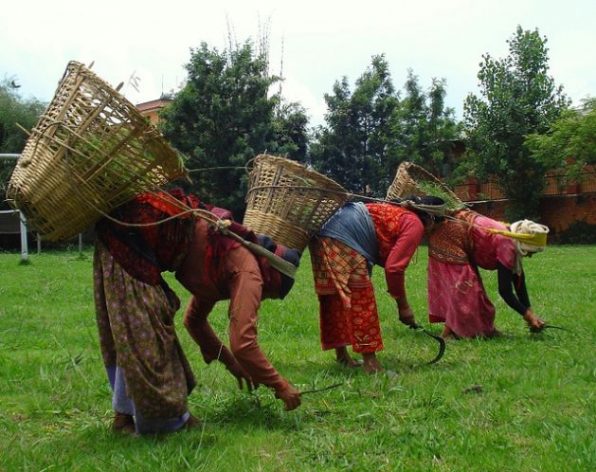
– Make no mistake. Violence against women has been perpetuated, specially when it comes to those who have already been deprived of their basic human rights, as it is the case of rural women in over two-thirds of the world.
'Unseen' News and Views
(UN News)* — African States are on the front line of the climate crisis, a senior UN official told the Security Council on Wednesday [], but far more action is needed to turn the tide on rising emissions, and reduce global warming.
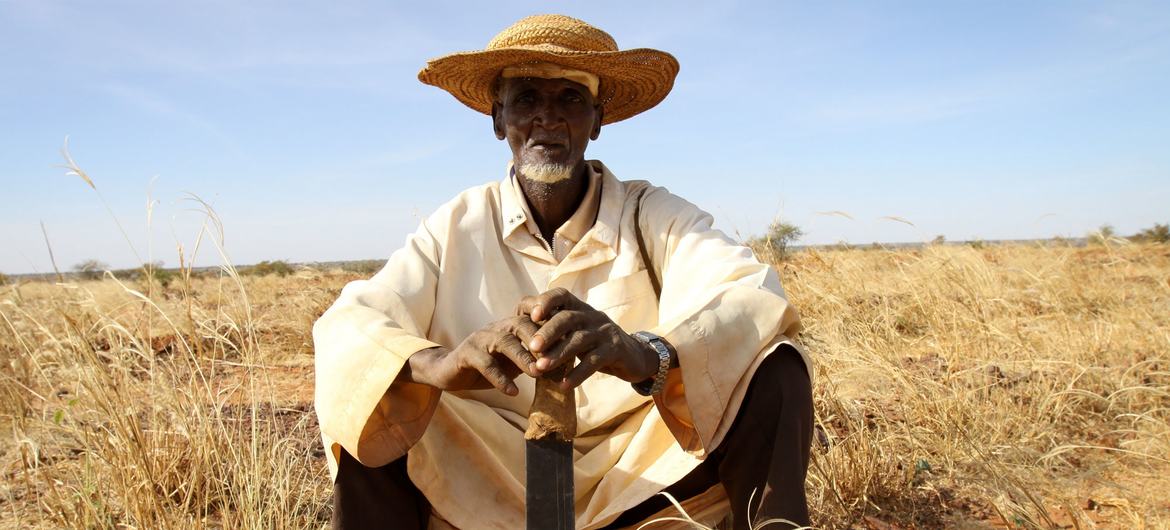
During a debate on strengthening the response to the impacts of climate change on peace and security in Africa, Assistant Secretary-General for Africa, Martha Ama Akyaa Pobee, said that “our response today does not match the magnitude of the challenge we are facing”.“
To support the African continent…we must act on multiple fronts”, she said, calling for “ambitious climate action”, and accelerated implementation of the Paris Agreement.
 It is becoming increasingly clear that the concept of the absolutely sovereign nation-state is a dangerous anachronism in a world of thermonuclear weapons, instantaneous communication, and economic interdependence.
Probably our best hope for the future lies in developing the United Nations into a World Federation. The strengthened United Nations should have a legislature with the power to make laws that are binding on individuals, and the ability to arrest and try individual political leaders for violations of these laws.
The world federation should also have the power of taxation, and the military and legal powers necessary to guarantee the human rights of ethnic minorities within nations.

Mineral supply chains are often linked to child abuse, human trafficking, forced labour and other human rights violations. Credit: Tommy Trenchard/IPS
With 500 million plus people living in extreme poverty, Africa has also been transformed in a sort of grave for half of the world’s victims of terror. The continent is also the land with the highest suicide rate on Earth. Why?

UK prime minister and Chancellor Liz Truss and Kwasi Kwarteng | PA Images / Alamy Stock Photo
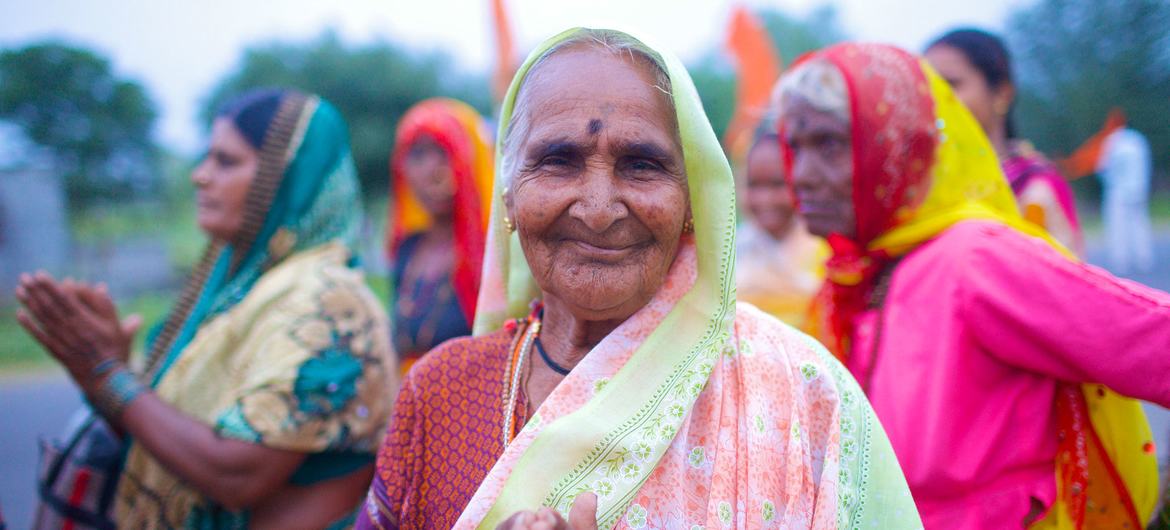
UN Secretary-General António Guterres drew attention on Saturday, the International Day of Older Persons, to the “resilience of the more than one billion older women and men” in a rapidly changing world.

Most cities are not able to meet the triple objective of being economically productive, socially inclusive and environmentally sustainable, according to the United Nations findings on the occasion of the World Habitat Day. Credit: Bigstock
Yes, life in urban centres represents plenty of offices, constructions, job opportunities, shops, bars, restaurants, transport systems, and health and education services. So much that 2 of 3 people are forecasted to be concentrated in urban areas by 2050.

The villagers work in a forest they planted to save themselves from the ravages of climate change. Credit: Umar Manzoor Shah/IPS
In 2013, this farmer had sowed a ginger crop on his half-acre land and was hoping for a profitable yield. However, providence had willed otherwise. In September that year, unseasonal rains wreaked havoc on Sheemanto’s village, destroying his crops beyond repair.
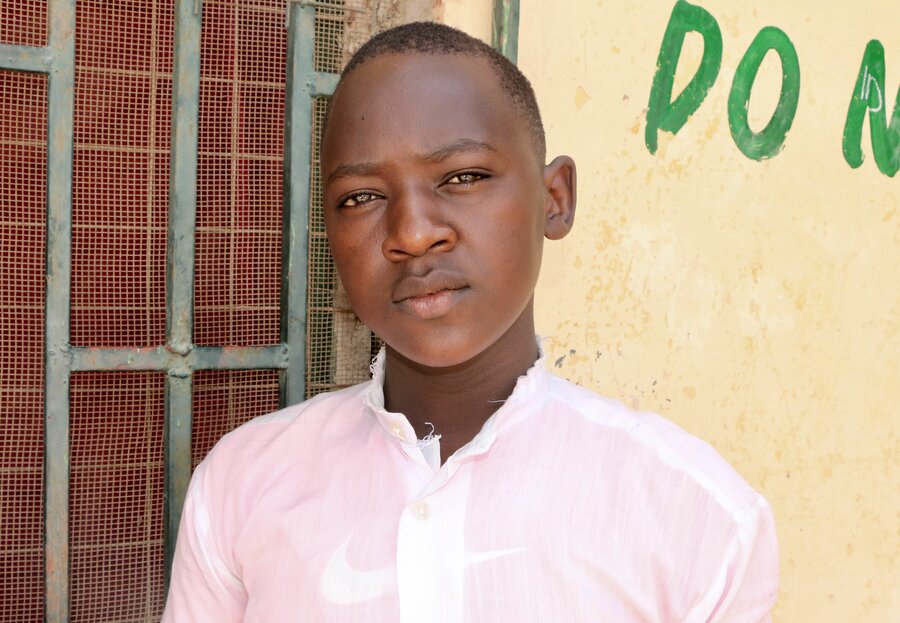
And that’s the idea – that nothing must go to waste in Kenya’s school meals. With the World Food Programme’s (WFP) support, meals are integrated into the government’s National Education Management Information System – an online tool that automates the management of all data and processes in the education sector.

Approximately 14 percent of the food we produce each year is lost during production and distribution, while a further 17 percent ends up being wasted by retailers and consumers. ©FAO/Miguel Schincariol
Each year, approximately 14 percent of the food we produce is lost between when it is harvested and before it reaches the shops. A further 17 percent of our food ends up being wasted by retailers and consumers.
 HUMAN WRONGS WATCH