(UN News)* —Ending hunger by 2030 would cost just $93 billion a year — less than one per cent of the $21.9 trillion spent on military budgets over the past decade, according to the UN World Food Programme (WFP).
By 2026 a staggering 318 million people would face crisis levels of hunger or worse, more than double the figure recorded in 2019, the food agency reported in its 2026 Global Outlook.
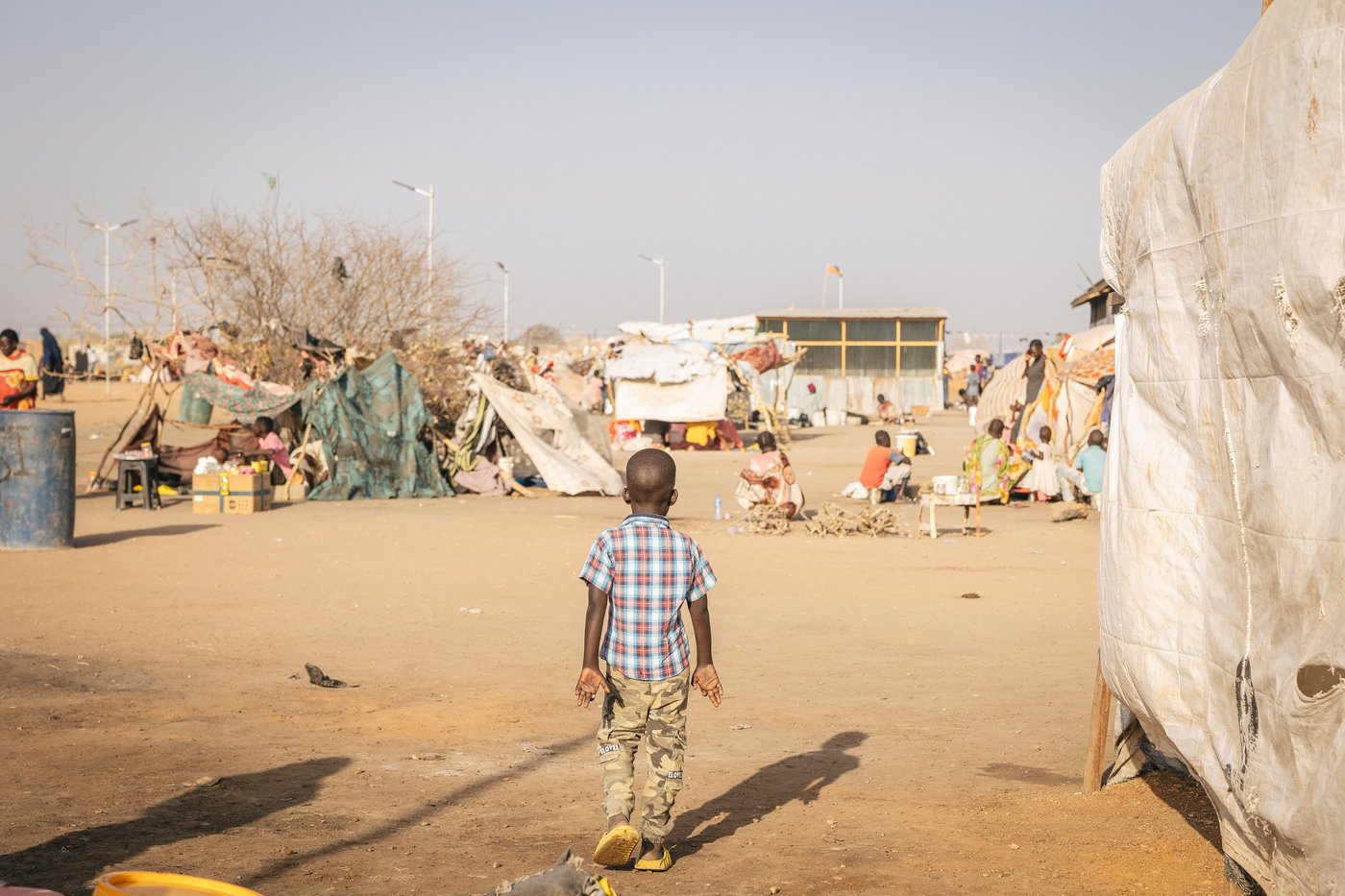
5 November 2025 — Just back from South Sudan, Nathan Carey recounts the scenes in Renk, where refugees escaping Sudan’s brutal conflict find themselves trapped again, this time by hunger, disease, and neglect.
South Sudan | Life in Renk Transit Centre. Photo: Richard Ashton/NRC
The heat in Renk hits like a wall. By midday, the air is heavy and unrelenting, the sun glaring down on the endless line of trucks pulling up to the South Sudan border.
I was there when 17 trucks arrived from Sudan, each packed with exhausted and terrified people.
Harqabobe, Somalia – On nights when storm clouds gathered over the valley, fear ran through the community. “When it rained, we worried what might come from the valley,” recalls Huria.
“Would the water rise while we slept? Would it come without warning on a clear day?”
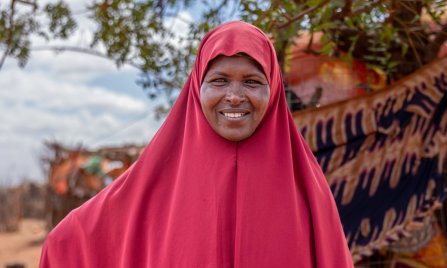
Huria stands among those leading efforts to restore the land and protect their homes from future floods. Photo: IOM 2025/Yusuf Abdirahman
For years, this small village in Somalia’s Middle Shabelle region, north of Mogadishu, was caught in a brutal cycle. Rains came hard and erratic, washing through the valley and tearing apart homes and fields.
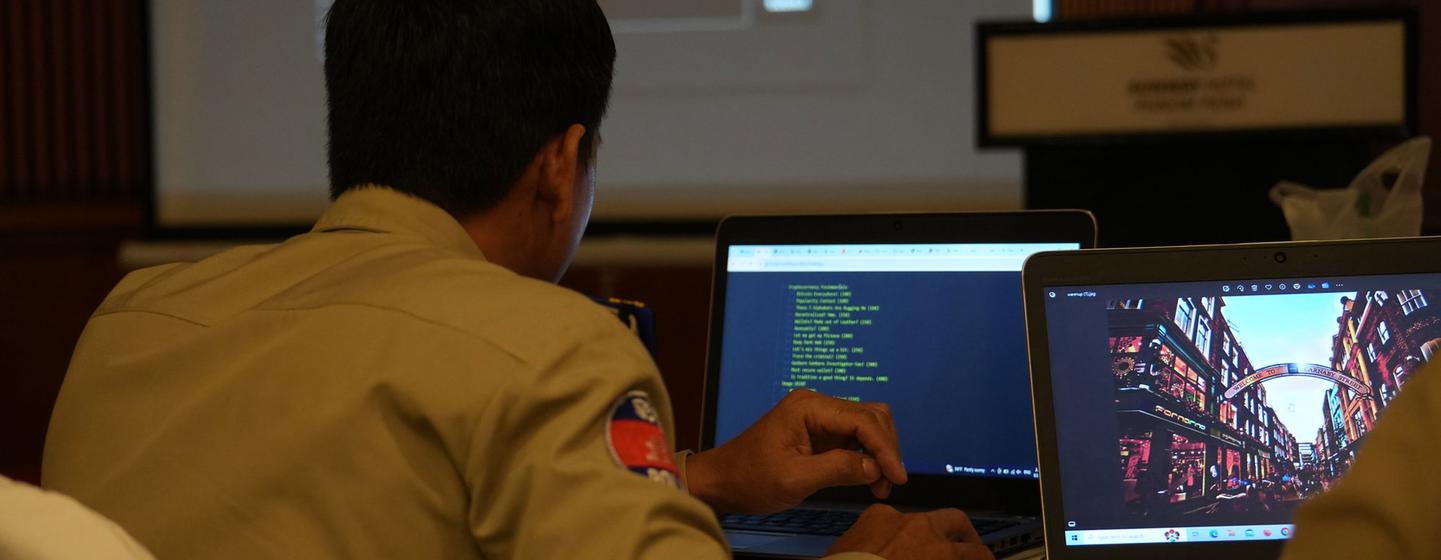
(UN News)* —Imagine this: you visit the familiar website of your local hardware store. Everything looks the same — the same design, the same brand name, the same interface.
You place your order, make the payment, and only later notice a small detail: just one letter in the website address was different.
That’s how easily you can fall into a cybercriminal trap. If you’re lucky, the amount lost is small, and your bank acts fast — refunding the money and reissuing your card.
But not everyone is so fortunate: in many countries, recovering stolen funds is nearly impossible.
9 October 2025 — The combined wealth of EU billionaires increased by more than 400 billion euros in just six months this year – the equivalent of over two billion euros a day.
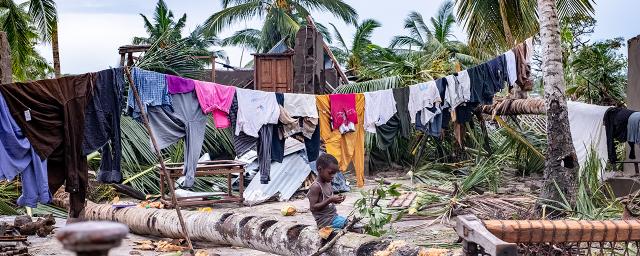
A boy sits amid scenes of destruction in Macomia town after it was hit by tropical cyclone Kenneth, which made landfall in Cabo Delgado province in Northern Mozambique, on 25th April 2019. Photo: Tommy Trenchard/Oxfam
That is according to Oxfam’s new report, “A European Agenda to Tax the Super-Rich”which comes ahead of European finance ministers meeting to discuss ways to finance the EU’s budget.
In 2025, the EU counted nearly 500 billionaires, 39 more than in 2024. In the last year alone, a new billionaire was created, on average, every 9 days in the EU.
RIO DE JANEIRO, Aug 27 2025 (IPS)* ––Brazil, which stands out for exporting basic products such as iron ore, oil, coffee, and soybeans, rather than industrialized goods with higher added value, now intends to make a shift regarding rare earths, a key component in new technologies that it has in abundance.| En español
The turbines in a wind farm, like this one in the Northeast region of Brazil, contain magnets made from rare earths in their generators. This makes rare earths, which Brazil has in abundance, indispensable for both decarbonized electricity generation and the development of electric motors in the automotive sector and others. Credit: Fotos Públicas
Brazil is the second country in reserves of this natural resource, estimated at 21 million tons, surpassed only by China, with 44 million tons, explained Julio Nery, director of Mining Affairs at theBrazilian Mining Institute (Ibram).
Together, the two countries account for about two-thirds of the total.
(UN News)* — Climate change could push at least 5.9 million more children and young people in Latin America and the Caribbean into poverty by 2030 unless governments act now.
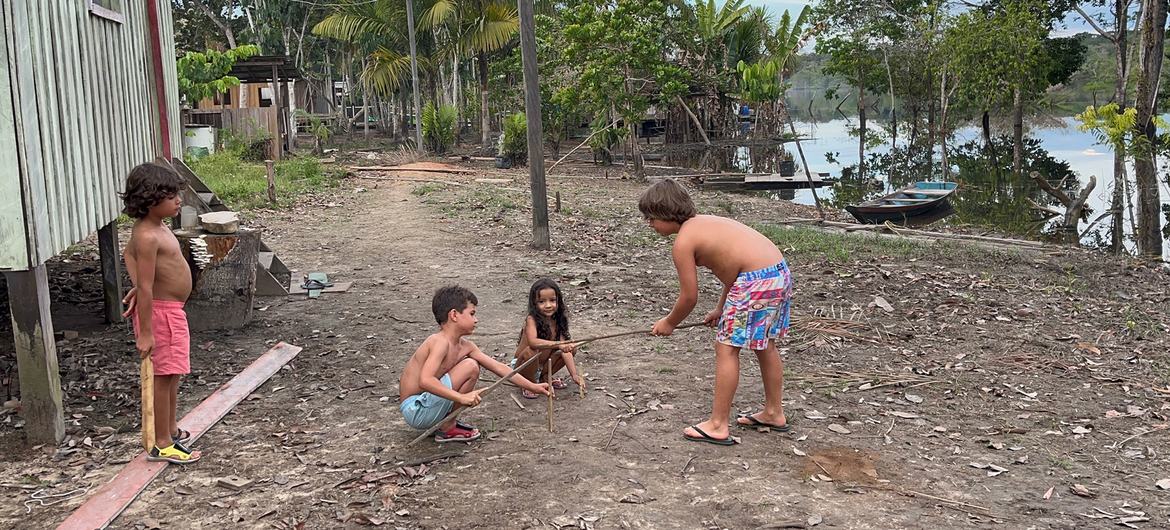
United Nations/Rodolpho Valente | Children play on the banks of the River Negro, a tributary of the Amazon River in northwestern Brazil.
Even worse, the number could triple if countries do not meet their commitments to reduce greenhouse gas (GHG) emissions and to ensure that climate financing prioritises social and climate resilience services for children.
The finding comes in a report by the UN Economic Commission for Latin America and the Caribbean (ECLAC) and the UN Children’s Fund (UNICEF), published on Thursday [28 August 2025] in Panama.
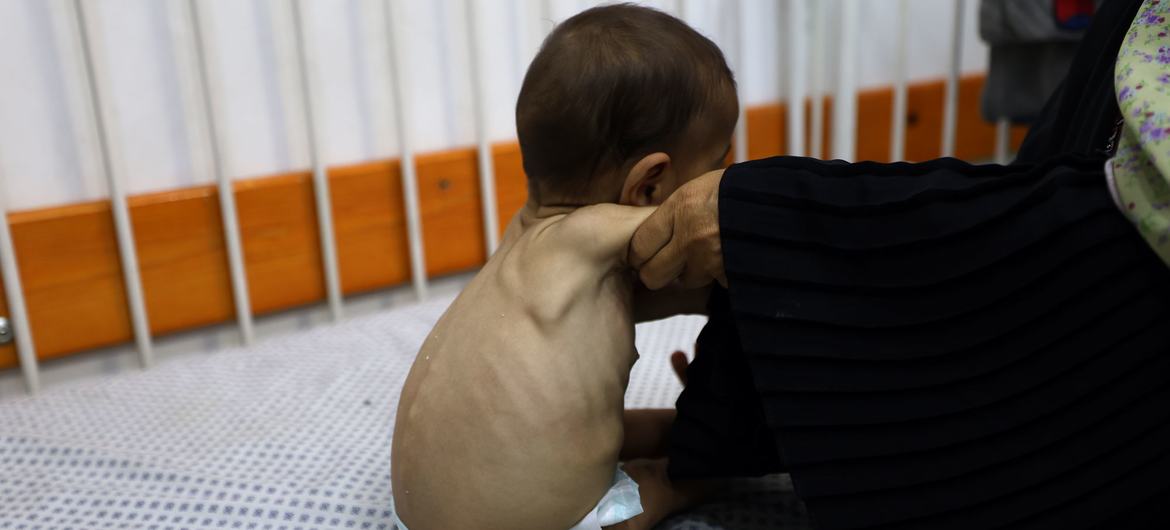
(UN News)* — As Gaza faces famine-like conditions, large numbers of people reportedly continue to be killed and injured while searching for food, the UN Office for the Coordination of Humanitarian Affairs (OCHA) said on Friday [].
The months-long deprivation of most life-sustaining basic goods has led to a deepening of the crisis. More than 100 people were killed, and hundreds of others injured, along food convoy routes and near Israeli-militarised distribution hubs in the past two days alone.
As one in three people currently going days without food, OCHA reiterated that no one should ever be forced to risk their life to get something to eat.
BRUSSELS, Belgium / MONTEVIDEO, Uruguay, Jul 14 2025 (IPS)* –Donald Trump’s bullying tactics ahead of NATO’s annual summit, held in The Hague in June, worked spectacularly.
Credit: Piroschka Van De Wouw/Reuters via Gallo Images
By threatening to redefine NATO’s article 5– the collective defence provision that has anchored western security since 1949 – Trump won commitments from NATO allies to almost triple their defence spending to five per cent of GDP by 2035.
European defence budgets will balloon from around US$500 billion to over US$1 trillion annually, essentially matching US spending levels.


 HUMAN WRONGS WATCH