MÉRIDA, Mexico , Apr 18 2022 (IPS)* – At home, Isabel Bracamontes uses gas only for cooking. “We try to prepare food that doesn’t need cooking, like salads,” she says in the southeastern Mexican city of Mérida. | En español
.
The Yucatán peninsula in southeastern Mexico has abundant solar and wind resources, but relies on fossil fuels for electricity generation. The photo shows a wind turbine belonging to the state-owned CFE next to a section of the power grid between Cancún and Puerto Morelos, in the state of Quintana Roo. CREDIT: Emilio Godoy/IPS
UNITED NATIONS, Apr 18 2022 (IPS)* – As the world is rocked by a confluence of crises, the global economic outlook for 2022 is becoming ever more uncertain and fragile. Prospects for sustainable development for all and achieving the Sustainable Development Goals (SDGs) by 2030 are bleak, particularly for developing countries.
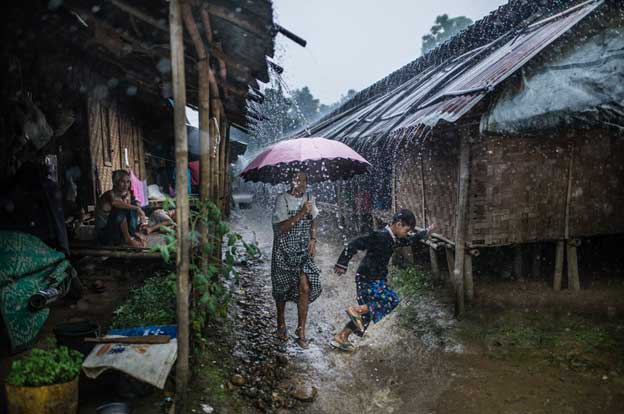
A rainy day in the camps under COVID-19 lock-down, Maina IDP camp, Kachin, Myanmar. Credit: UNICEF/UNI358777/Oo.
While some, mostly developed countries, had access to cheap financing to cushion the socio-economic impacts of the pandemic and invest in recovery, many others did not.
14 April 2022 (UN News)* — The world’s best-known coral reefs could be extinct by the end of the century unless we do more to make them resilient to our warming oceans.
.
Ocean Image Bank/Brook Peterson | Coral reefs harbour the highest biodiversity of any ecosystem globally.
That’s the stark message from UNESCO, which is behind an emergency bid to protect these natural marine wonders, 29 of which are on the agency’s protected World Heritage list.
Our oceans are getting warmer because of increasing global carbon dioxide emissions.
13 April 2022 (WMO)* – Eastern Africa is facing the very real prospect that the rains will fail for a fourth consecutive season, placing Ethiopia, Kenya, and Somalia into a drought of a length not experienced in the last 40 years. Humanitarian agencies have issued urgent appeals for support to prevent widespread famine.
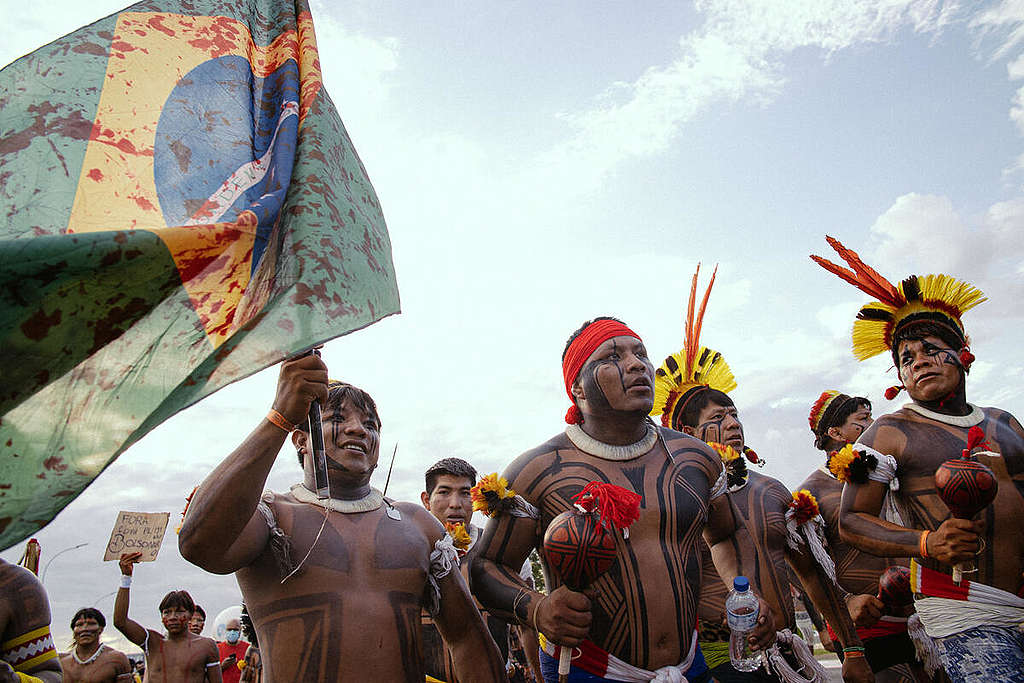
The 18th Free Land Camp is underway in Brasilia, with thousands of Indigenous People coming together for 10 days of non-violent, mass demonstrations to denounce the ongoing violations of their rights and to foster solidarity across Brazilian society.
However, whatever insight these two giants of an earlier era brought to our understanding of war, the reality is that a great deal has been learned since they corresponded.
Nevertheless, since the emergence of an identifiable, organized anti-war movement during World War I which has grown to include a diverse range of activists and organizations from across the political spectrum, as well as peace and conflict resolution scholars from various disciplines, there is little evidence that this movement, or any of the many organizations within it, has been learning from its failures by systematically undertaking or commissioning further research to understand the phenomenon of war more completely and then devising a strategy to end it based on that learning.
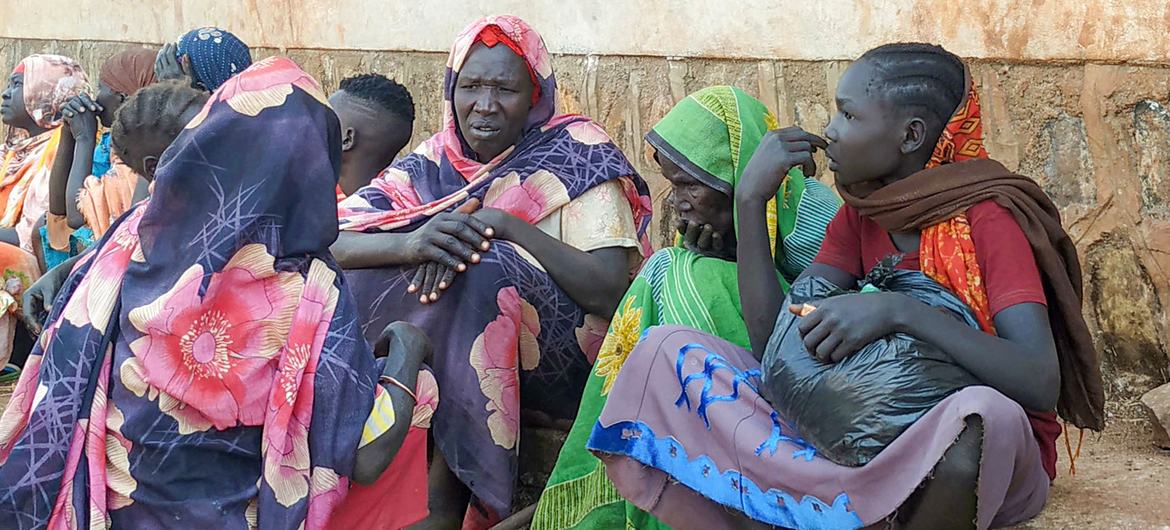
(UN News)* — Millions of displaced families across eastern Africa will fall deeper into hunger as food rations dwindle due to humanitarian resources being stretched to the limit as the world grapples with a toxic cocktail of conflict, climate shocks, and COVID-19, UN humanitarians warned on Wednesday [13 April 2022].
Nairobi, Kenya, Apr 13 2022 (IPS)* – Ahmed Bakari’s ill-fated journey to ‘greener pastures’ started with a social media private message from a stranger back in 2017. The message said an international NGO was recruiting teachers and translators to work in Somalia.
Traffickers target unemployed youth in Kenya. While the government is working to combat this crime, COVID-19 impacted their efforts. Here a police officer is in discussion with a community policing committee that works together to combat criminal activities, like trafficking. Credit: Joyce Chimbi/IPS
12 April 2022 (UNEP)* — The recent collapse of a 1,100km2 ice shelf in Antarctica came at a time of record high temperatures and is a symptom of a planet in climate crisis, experts say.
A penguin stands on an iceberg in Yankee Harbour, Antarctica, February 18, 2018. Reuters/Alexandre Meneghini
The Conger ice shelf, which cleaved away from the eastern side of Antarctica in March, is the latest victim of rising temperatures at the Earth’s poles.
Experts say as the polar regions warm, more ice is likely to melt, potentially pushing up sea levels and inundating coastal communities.
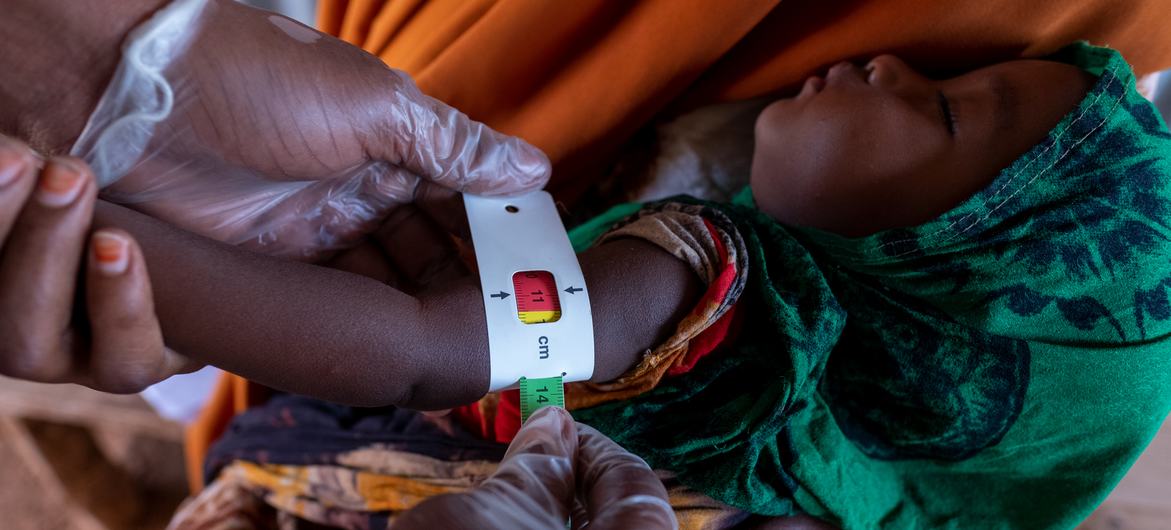
(UN News)* – The threat of famine is very real in Somalia and South Sudan and urgent action is needed now to avoid a catastrophe, UN humanitarians warned on Tuesday [12 April 2022].
The alert from the World Food Programme (WFP) and Food and Agriculture Organization (FAO) followed the latest food security assessments which showed that six million people in Somalia will face acute food insecurity in the coming months, unless the rains come.






 HUMAN WRONGS WATCH