12 November 2021 (UNEP)*— Beneath the ocean surface, an expansive network of dynamic skeletal-like invertebrates harbours at least 25 per cent of all known marine species. Both hard and soft corals provide the basis for functioning coral reefs, which are some of the planet’s most biologically diverse and valuable ecosystems.
Unsplash/Francesco Ungaro / 12 Nov 2021
They provide important cultural, economic, recreational and social benefits to hundreds of millions of people. They buffer shorelines against damage from storms and provide a source of medicine. And they are dying.
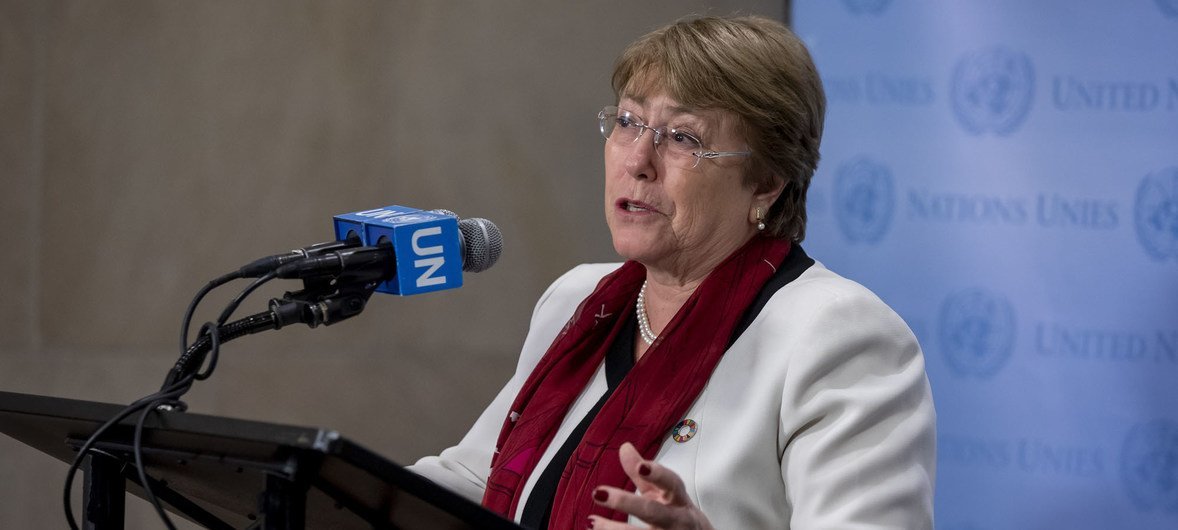
(UN News)* — The UN Human Rights High Commissioner has urged Belarus and Poland to urgently resolve the burgeoning migrant crisis on their mutual border, where thousands of people have gathered in an attempt to enter the European Union (EU).
UN Photo/Laura Jarriel | United Nations High Commissioner for Human Rights Michelle Bachelet (file).
In a statement on Wednesday 10 November 2021, UN rights chief Michelle Bachelet said she was appalled that large numbers of migrants and refugees continue to be left in a desperate situation in near-freezing temperatures.
Glasgow, 10 November 2021 (WMO)* – Sea surface temperatures and ocean heat in parts of the South-West Pacific are increasing at more than three times the global average rate, with marine heatwaves bleaching once vibrant coral reefs and threatening vital ecosystems upon which the region depends.
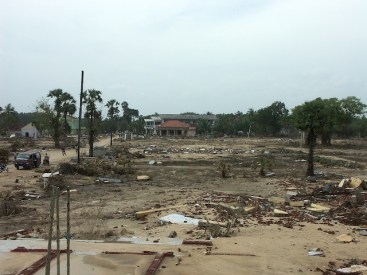
MADRID, Nov 8 2021 (IPS)* – While negotiators from all over the world have been discussing, since 31 October 2021 in Glasgow, every single word, coma and dot in order to reach a final text that is expected to apparently keep everyone happy but really not everybody satisfied, 50% of world’s population will live in coastal areas, exposed to floods, storms and tsunamis by the year 2030.
The pulverised beach in Kalmunai, located in eastern Sri Lanka, was stripped of most of its standing structures by the ferocity of the waves. Credit: Amantha Perera/IPS
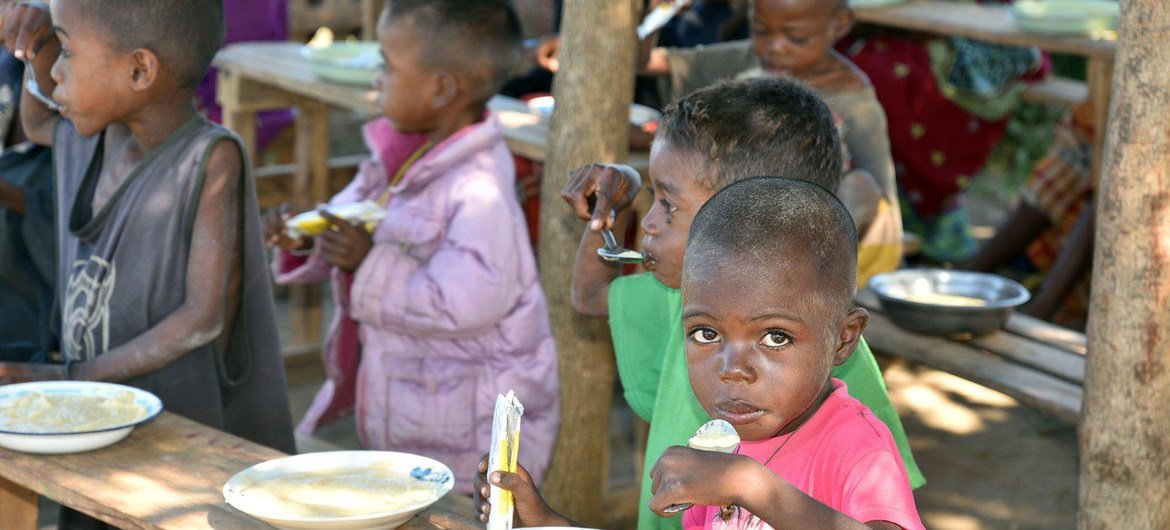
(UN News)* — The UN World Food Programme (WFP) warned on Monday [8 November 2021] that the number of people teetering on the edge of famine in 43 countries, has risen to 45 million – up by three million this year – as acute hunger spikes around the world.
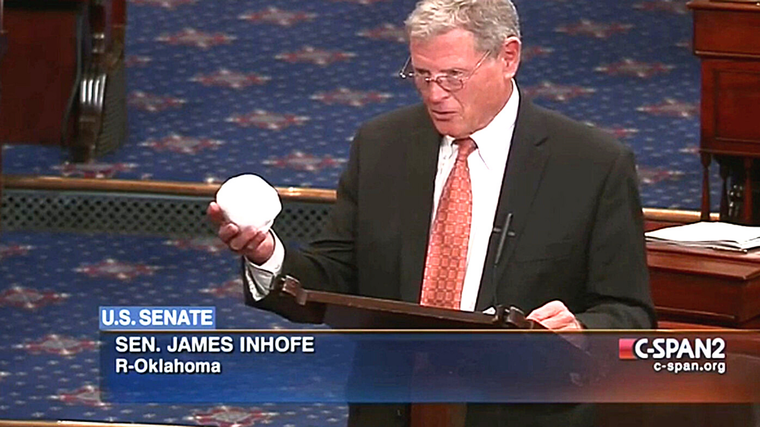
American democracy is in crisis. That’s why the US can’t be counted on to act responsibly on the world stage with any consistency.
Senator James Inhofe from Oklahoma uses a snowball to ‘disprove’ global warming, 2015
7 November 2021 (openDemocracy)* — Young Earth creationism, scientists portrayed as part of an anti-Christian conspiracy, environmentalists viewed with extreme suspicion.
Growing up as an evangelical within the world of the US Christian Right, and attending Christian schools, I know first-hand how extreme they are, and how aggressive in their defence of “alternative facts”.
5 November 2021 (UNEP)* — November 6 marks the International Day for Preventing the Exploitation of the Environment in War and Armed Conflict. Curtailing the use of Explosive Weapons in Populated Areas (EWIPA) is a humanitarian priority due to increasing civilian deaths and injuries from armed conflict in urban settings and indirect environmental impacts, which are now recognized as an important dimension of their use.
REUTERS/Ceerwan Aziz / 05 Nov 2021
The environment is an inseparable part of the well-being, health and survival of civilians. EWIPA cause harmful pollution and destruction, which constrains access to the environment civilians live in.
GLASGOW, Nov 4 2021 (IPS)* – “For my people, the effects of climate change are an everyday reality. The rainy season is shorter and when it rains, there are floods. And we’ve suffered droughts.” said Hindou Oumarou Ibrahim, a member of the Wodaabe or Mbororo pastoral people of Chad.| En español
In the face of substantial international offers of funding for indigenous lands and forests at COP26, indigenous peoples are calling for specific schemes for their participation. Shuar leader Katan Kontiak (left) of Ecuador and Hindou Oumarou Ibrahim of Chad took part in a Nov. 2 forum on the indigenous peoples and local communities platform. CREDIT: Emilio Godoy/IPS
(UN News)* — As millions took to the streets of cities around the world on Saturday 6 November 2021, demanding greater climate action, some countries taking part in the COP26 negotiations, made new pledges to invest in nature-based solutions and a greener approach to farming.
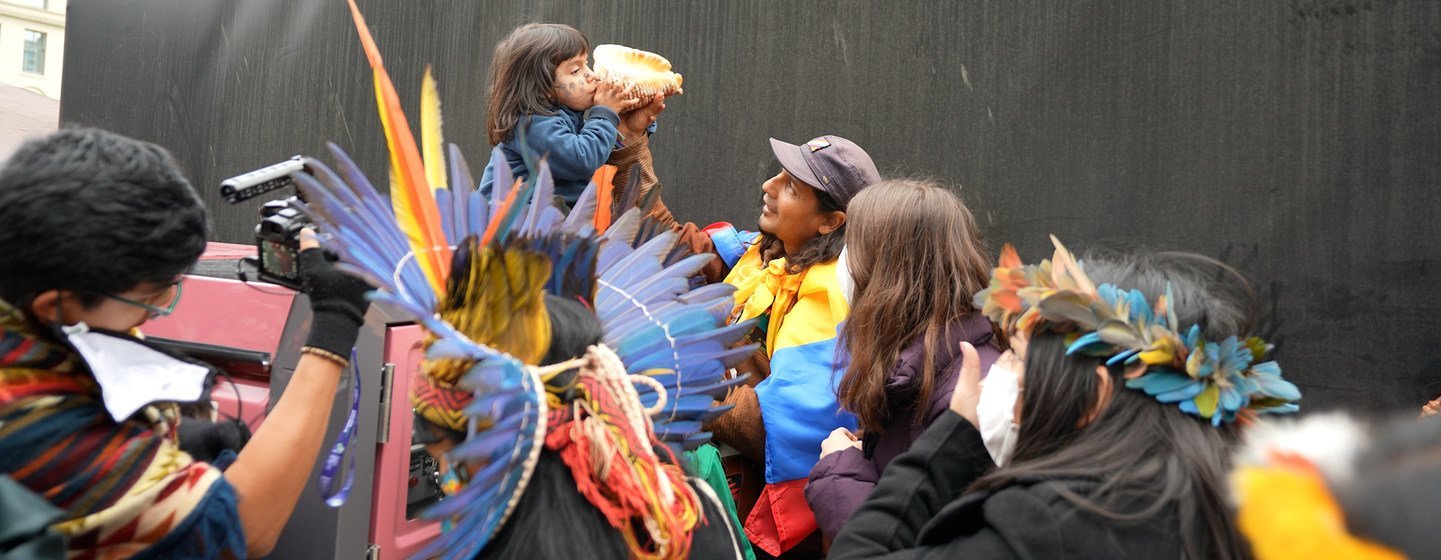
UN News/Grace Barret | Indigenous activists demonstrate on the streets of the COP26 host city, Glasgow, during the landmark UN climate conference.
.
Mother Nature, or “Pachamama”, as they say in Latin America, took centre stage as the pivotal UN climate conference reached the halfway point.
Nature is critical to our survival: it provides the oxygen we need to breathe, regulates weather patterns, supplies food and water for all living things, and is home to countless species of wildlife, and the ecosystems they need to survive.
According to the UN Environment Programme (UNEP), human activity has disrupted almost 75 per cent of the earth’s surface and put some one million animal and plant species on the endangered list.
3 November 2021 (UNEP)* — The impact of climate change on global peace and security is high on the agenda as world leaders gather at the COP26 UN Climate Change Conference in Glasgow this week.
Photo: Reuters/Muhammad Fuhaid | Belongings on a truck heading to a camp for internally displaced people in Marib, Yemen.
As UN Secretary-General António Guterres said in his landmark state of the planet speech: climate change is one of the biggest dangers to peace. “The fallout of the assault on our planet is impeding our efforts to eliminate poverty and imperiling food security. And it is making our work for peace even more difficult, as the disruptions drive instability, displacement and conflict.”



 HUMAN WRONGS WATCH