Archive for ‘Climate Crisis’

28/06/2021

The Trillion Dollar Climate Finance Challenge (And Opportunity)

Investments in renewable energy and sustainable infrastructure are growing, however from January 2020 to March 2021, globally, more money was spent on fossil fuels, which when burned, create the harmful gasses driving climate change.

read more »

28/06/2021

The Future Belongs to the Tropics

28 June 2021 (United Nations)* — The International Day of the Tropics celebrates the extraordinary diversity of the tropics while highlighting unique challenges and opportunities nations of the Tropics face.

It provides an opportunity to take stock of progress across the tropics, to share tropical stories and expertise and to acknowledge the diversity and potential of the region.

The Tropics are a region of the Earth, roughly defined as the area between the tropic of Cancer and the tropic of Capricorn.

read more »

26/06/2021

Formal and Informal Micro-, Small and Medium-Sized Enterprises Make Up 90% of All Firms, Account for 70% of Total Employment and 50% of GDP…

Human Wrongs Watch

A close-up of a smiling man with a smiling woman sewing in the background.


Sewing workshop of a family business in China. PHOTO:Marcel Crozet / ILO

26 June 2021 (United Nations)* — The COVID-19 crisis has taught us that the pandemic and containment measures do not impact everyone in the same way.

Among the private sector, Micro-, Small and Medium-sized Enterprises (MSMEs), especially those led by women, youth, ethnic minorities and migrants, suffered the most.

read more »

26/06/2021

‘The Global Climate Crisis Is Exacerbating and Intensifying Water-Related Disasters, Jeopardizing Lives and Livelihoods’

Human Wrongs Watch

(UN News)* — The global climate crisis is “exacerbating and intensifying” water-related disasters, jeopardizing lives and livelihoods, the UN chief on 25 June 2021 said at a major sustainable development symposium.
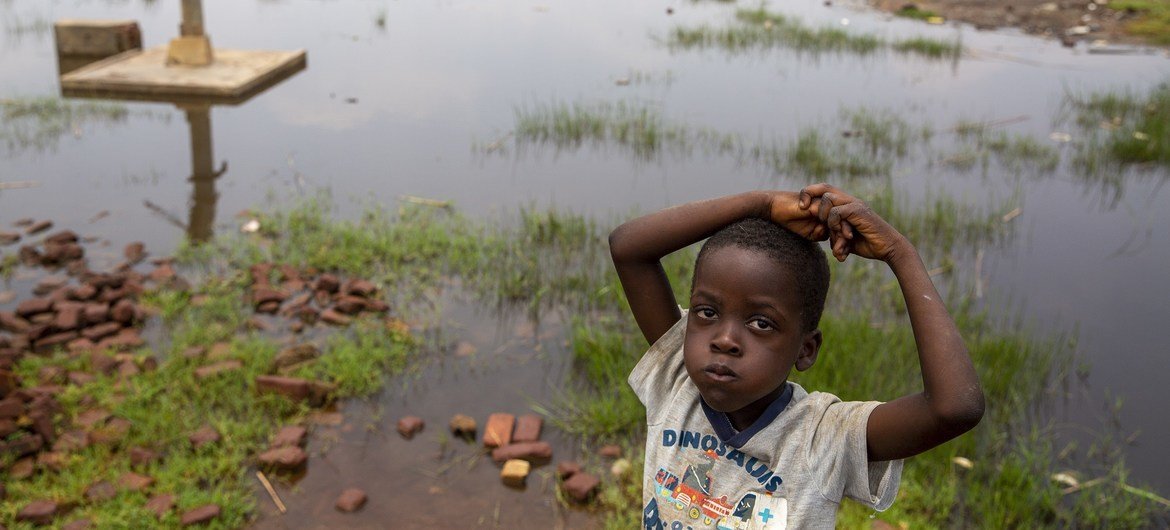
© UNICEF/Karel Prinsloo | A child stands near a water pump surrounded by floodwaters in Gatumba, located near Bujumbura in Burundi.
.
“For decades, natural disasters, [which] have been one of the major causes of worsening poverty, forcing some 26 million people into poverty each year and reversing developmental gains… are almost always connected to water, whether through floods, storms, droughts, tsunamis or landslides”, Secretary-General António Guterres told the Fifth UN Special Thematic Session on Water and Disasters. 

26/06/2021

Increasing Threats to Indigenous Peoples’ Unique Capacity to Conserve Biodiversity, Foster Resilient Food Security

Human Wrongs Watch

ROME (FAO)*  –  The Food and Agriculture Organization of the United Nations (FAO), together with the Alliance of Bioversity International and The International Center for Tropical Agriculture (CIAT) on 25 June 2021 released a new study identifying hundreds of diverse plant and animal species that Indigenous Peoples around the world depend on and care for to generate food sustainably and enhance biodiversity – and warning of increasing threats to these sophisticated food systems.
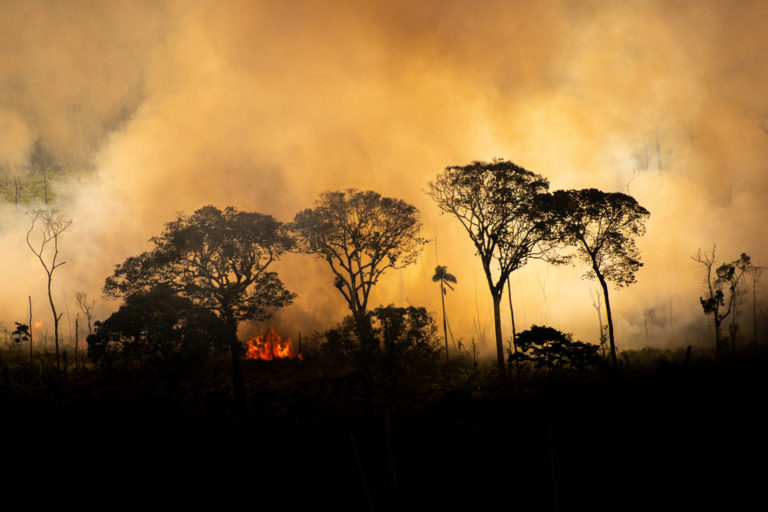
Photo: @Fundación Omacha/ Fernando Trujillo

Procuring food in Colombia.

read more »

25/06/2021

Banks Increased Deforestation-Linked Investments by $8B during Covid-19: Report

Human Wrongs Watch

By Mongabay – TRANSCEND Media Service*

A fire in an area that registered Prodes deforestation warnings between 2017-2019. Photo: Christian Braga / Greenpeace.

  • A new analysis of financial data by Forests & Finance, a coalition of NGOs, has found that weak policies and continued major investments in forest-risk sectors are driving deforestation in Southeast Asia, Latin America and West and Central Africa.

read more »

25/06/2021

Education Is a Key Lifeline for World’s Forests

Human Wrongs Watch

New survey points out that forest education must be strengthened to meet global challenges

Photo: ©FAO/Ch. Errath

Forestry education needs to be improved, according to new survey.

ROME, 24 June 2021 (FAO)* – Forest education at all levels – from primary schools to universities – is insufficient in many countries of the world, according to the results of a global survey led by the Food and Agriculture Organization of the United Nations (FAO), the International Tropical Timber Organization (ITTO) and the International Union of Forest Research Organizations (IUFRO) with the support of other international and regional partners.

25/06/2021

Pollution from Farming and Harbours Imperils Coastal Habitats: New Report

Human Wrongs Watch

25 June 2021 (UNEP)* — The plants and animals that live along the world’s coasts are coming under increased pressure from pollution tied to harbours, agriculture, and fish and shrimp farming warns a new report from the International Resource Panel.

.

OceanImageBank_TheOceanAgency_Plastics_06_(1)

Photo: The Ocean Agency / 25 Jun 2021

The study, Governing Coastal Resources, says there is an urgent need to limit coastal pollution and other byproducts of industry, including the introduction of invasive species.

Failing that, some coastal ecosystems, as well as the ocean-based economy they support, could collapse, said the report.

read more »

24/06/2021

Greece: Pushbacks and Violence against Refugees and Migrants Are ‘de facto’ Border Policy

23/06/2021

Sustainability Solution or Climate Calamity? The Dangers and Promise of Cryptocurrency Technology

20 June 2021 (UN News)*The negative environmental impact of cryptocurrencies such as Bitcoin has been widely covered in the press in recent weeks and months, and their volatility has also been flagged as a cause for concern.
Unsplash/André François McKenz | Bitcoin is a decentralized digital currency that you can buy, sell and exchange directly, without an intermediary like a bank.
Nevertheless, the UN believes that blockchain, the technology lying behind these online currencies, could be of great benefit to those fighting the climate crisis, and help bring about a more sustainable global economy.