17 June 2021 (UNCCD)* — Climate change, overuse and conversion for agriculture, cities and infrastructure mean that one fifth of the planet’s land area is degraded. This damage, which also drives drought and desertification, harms the livelihoods of almost half the planet’s population.
However, as much as one billion hectares can be restored over the next 10 years if there is political will.
Mali has partnered with UNDP to strengthen agricultural communities and empower women to mitigate the consequences of climate change and desertification in the Sahel region of Africa. UNDP/Imen Meliane
Humanity is waging a relentless, self-destructive war on nature.
Biodiversity is declining, greenhouse gas concentrations are rising, and our pollution can be found from the remotest islands to the highest peaks.
We must make peace with nature.
The land can be our greatest ally. But the land is suffering.
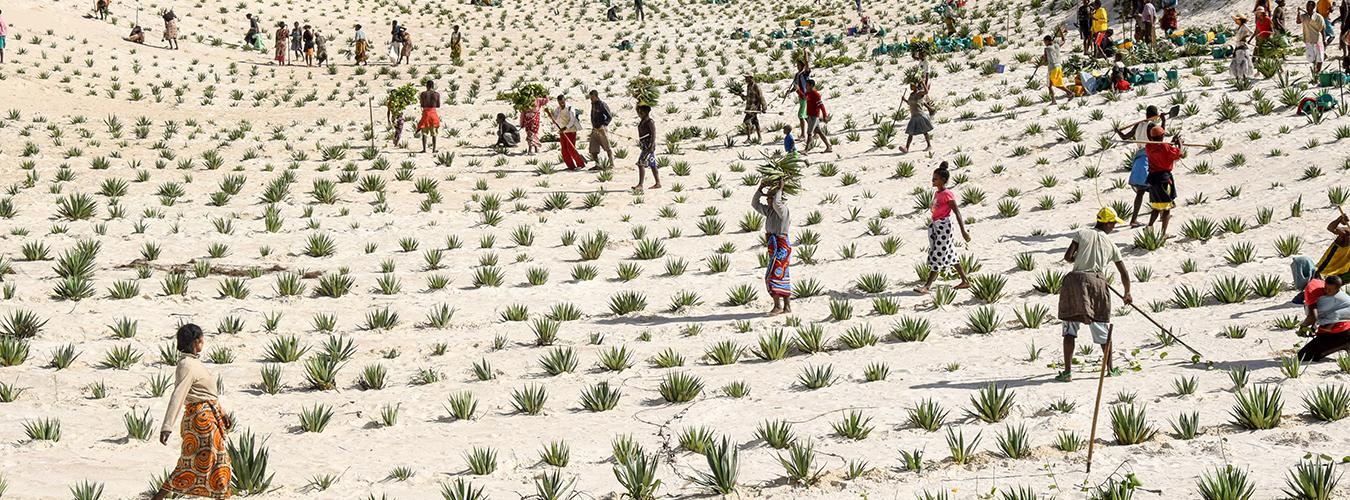
In Faux-Cap, Madagascar, the dunes and their strong winds pose a threat to their crops. With the greenest weapons, its inhabitants worked for 120 days to secure 75 hectares of dunes. Once settled, the risk is over. PHOTO:UNDP Madagascar
16 June 2021 (United Nations)* — The 2021 Desertification and Drought Day to be held on 17 June will focus on turning degraded land into healthy land. Restoring degraded land brings economic resilience, creates jobs, raises incomes and increases food security.
15 June 2021 (IFAD)* — Every year, on 16 June, the International Day of Family Remittances (IDFR) is observed to raise further awareness on the abnegation and sacrifice of migrant workers, who support their families and communities of origin through the money they send back home, particularly in these times of crisis.
This year, the IDFR lauds the human spirit and resilience of over 200 million migrants who defied predictions of the pandemic and continued to send money home to their countries of origin.
16 June 2021 (United Nations)* — The International Day of Family Remittances (IDFR) was adopted by the United Nations General Assembly and is observed on 16 June. The IDFR recognizes more than 200 million migrant workers, women and men, who send money home to over 800 million family members.
(UN News)* — Due to the ever-increasing demands of the global economy, the resources of the planet are being used up at an alarming rate and waste and pollution are growing fast. The idea of a more sustainable “circular economy” is gaining traction, but what does this concept mean, and can it help save the planet?
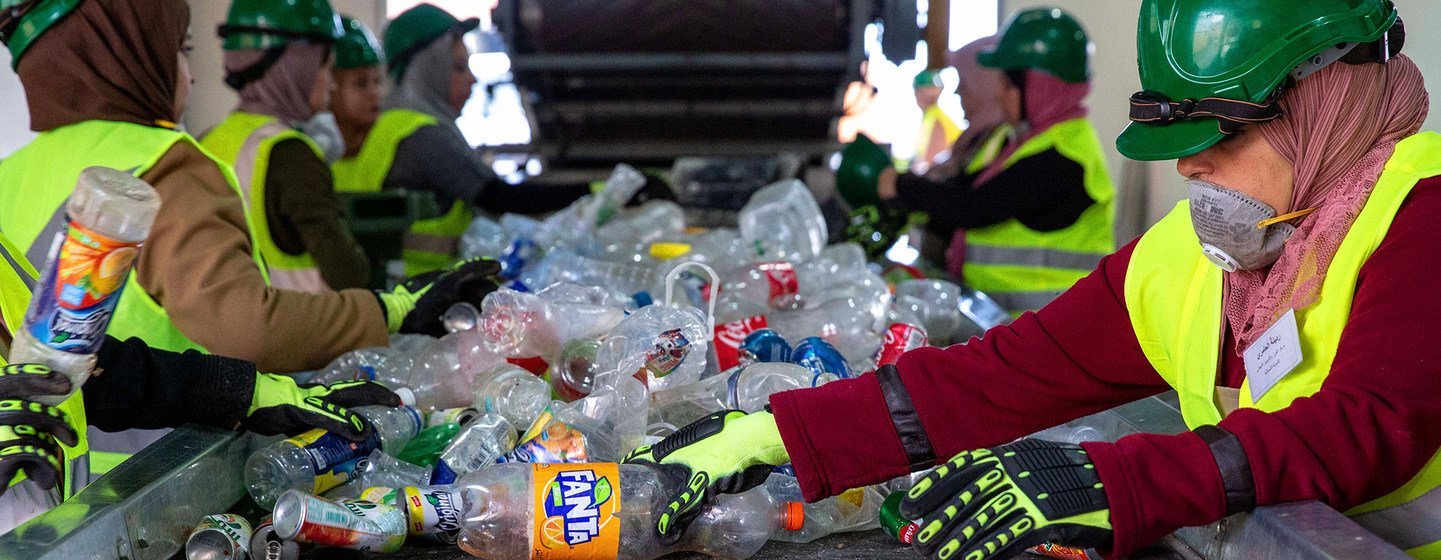
UNDP/Sumaya Agha | Women sort plastic at a recycling plant in Jordan.
1) Business as usual, the path to catastrophe
Unless we make some major adjustments to the way the planet is run, many observers believe that business as usual puts us on a path to catastrophe.
Around 90 per cent of global biodiversity loss and water stress (when the demand for water is greater than the available amount), and a significant proportion of the harmful emissions that are driving climate change, is caused by the way we use and process natural resources.
11 June 2021 (WMO)* — Above normal air and sea-surface temperatures are expected over the majority of the Arctic regions in June, July, and August 2021.
8 June 2021 (United Nations)* — The ocean covers over 70% of the planet. It is our life source, supporting humanity’s sustenance and that of every other organism on earth.
Magnificent sea anemone with its vivid red underside presents its guest, a resident pink skunk anemonefish. Ngemelis Region, Palau, South Pacific. This photo was one of the winners in the UN Oceans Day Photo Contest. PHOTO:Michael Gallagher
The ocean produces at least 50% of the planet’s oxygen, it is home to most of earth’s biodiversity, and is the main source of protein for more than a billion people around the world.
Not to mention, the ocean is key to our economy with an estimated 40 million people being employed by ocean-based industries by 2030.
Ahead of G7, coalition of luminaries says “new relationship with the planet” and “transformational action this decade” absolutely necessary.
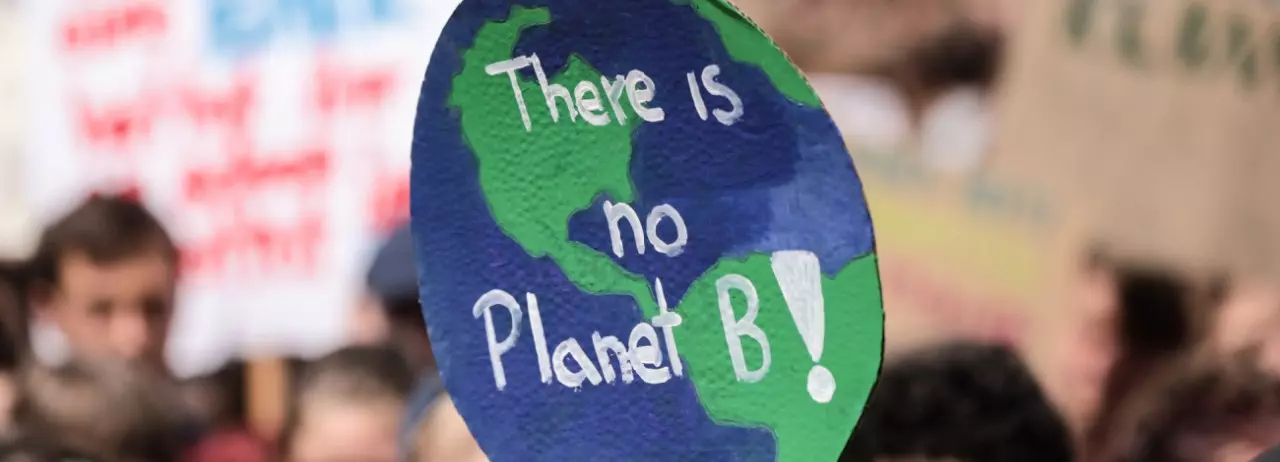
Students demonstrate holding signs reading “There is no Planet B” during the Fridays for Future climate strikes in May 2019. (Photo: Kay Nietfeld/picture alliance via Getty Images)
A group of 126 Nobel laureates and other experts today called on the leaders of the G7 nations and the United Nations secretary-general to help put the global community on a path to establishing “a new relationship with the planet,” as the world continues to battle the Covid-19 pandemic and faces a coming decade which will be “decisive” in determining whether the Earth remains habitable.
(Greenpeace International)* – Under the cover of night, away from prying eyes, the activity takes place. It’s worth billions of dollars but the price that it comes with is tainted with reports of murder, slavery, corruption, and deception of the most evil kind.
Sounds like the premise of a brand new Netflix series, but instead this is the reality of what happens in one of the world’s most lucrative industries. And the secret activity worth billions of dollars? Fish.





 HUMAN WRONGS WATCH