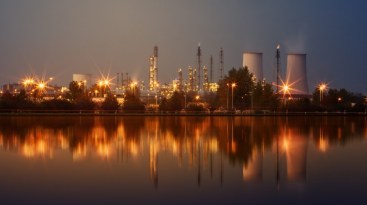
UNEP’s annual Emissions Gap Report 2020 finds that, despite a dip in 2020 carbon dioxide emissions caused by the COVID-19 pandemic, the world is still heading for a temperature rise in excess of 3°C this century.
read more »
'Unseen' News and Views
UNEP’s annual Emissions Gap Report 2020 finds that, despite a dip in 2020 carbon dioxide emissions caused by the COVID-19 pandemic, the world is still heading for a temperature rise in excess of 3°C this century.
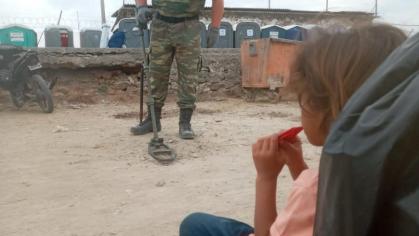
(Athens) Thousands of asylum seekers, aid workers, United Nations, and Greek and European Union employees may be at risk of lead poisoning in a new migrant camp that Greek authorities have built on a repurposed military firing range on the island of Lesbos, Human Rights Watch said on 8 December 2020.
8 December 2020 – Writer Neil Gaiman launches animated version of ‘What You Need to Be Warm’ to raise life-saving funds for Syrian refugees left out in the cold.
A submission for the Neil Gaiman #DrawForRefugees initiative. © UNHCR/Christina Clemis
(Stockholm) — Sales of arms and military services by the sector’s largest 25 companies totalled US$361 billion in 2019, 8.5 per cent more than in 2018. The largest companies have a geographically diverse international presence. This is according to new data released on 7 December 2020 by the Stockholm International Peace Research Institute (SIPRI).
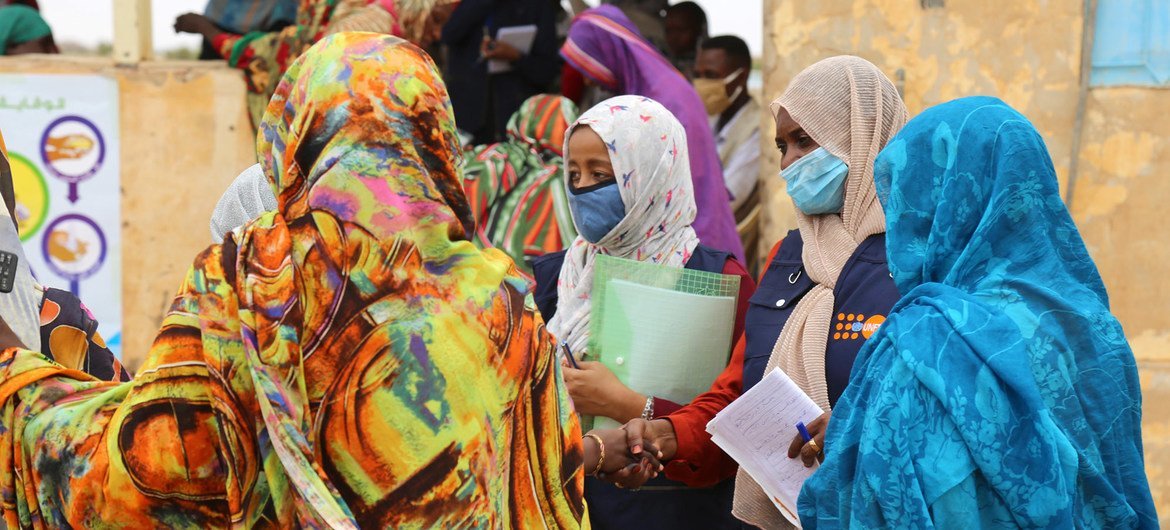
“The rights and needs of women and adolescent girls in emergencies are often overlooked, and COVID-19 has made matters worse, with rising intimate partner violence, sexual violence and child marriage”, said Natalia Kanem, Executive Director of the UN Population Fund (UNFPA).

“I use gas”, announces a minibus driving along a street in Mexico City. Natural gas is becoming increasingly widely used as fuel for public transportation in Mexico, coming mainly from the United States where it is extracted through hydraulic fracturing or fracking, a technique that requires high volumes of water and toxic chemicals. CREDIT: Emilio Godoy/IPS
7 December 2020 (UNEP)* — The record-breaking wildfires that engulfed the western United States this year show the danger from global heating and ecosystem decline, but also light up opportunities for forest and landscape restoration to reduce the threat of catastrophic fires.
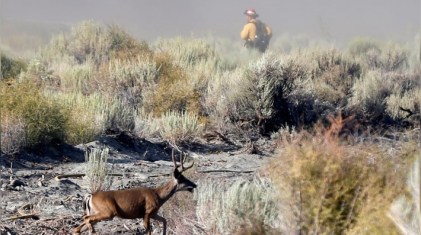
Altered rainfall patterns are lengthening fire seasons from the Mediterranean to Australia. Record heat and drought are sucking moisture from trees and undergrowth. And some regions are seeing more violent thunderstorms, whose lightning can provide a fateful spark.
Scientists say forest restoration and other natural solutions could provide up to one-third of the mitigation needed to keep global warming below 2°C.

Mass Extinctions Due to Human Activities

John Scales Avery
According to a recent United Nations report, more than a million species of plants and animals are currently threatened with extinction because of human activities. Rates of extinction today are as much as 1,000 times greater than the normal background rate.
As the greenhouse gas emissions of human society push the earth towards catastrophic climate change, rates of extinction in the biosphere will certainly become higher.
Are Humans Threatened with Extinction?
What about our own species? Are we too threatened with extinction?
There are certainly several threatened catastrophes that might greatly reduce the global population of humans. In a thermonuclear war, followed by nuclear winter, a large part of the world’s population might perish.


 HUMAN WRONGS WATCH