While the global food systems we depend on come under increasing strain, there’s a solution to the growing crisis that most North Americans can find in their own backyards–or front lawns.
A confluence of crises—lockdowns and business closures, mandates and worker shortages, supply chain disruptions and inflation, sanctions and war—have compounded to trigger food shortages; and we have been warned that they may last longer than the food stored in our pantries. What to do?
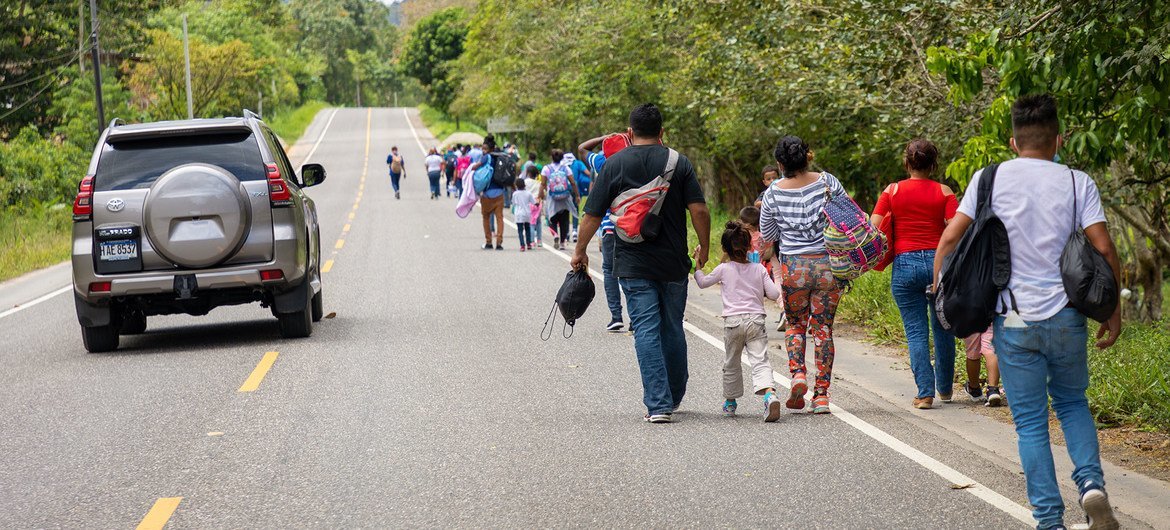
(UN News)* — Ever greater numbers of vulnerable people are risking their lives on dangerous migration routes in Latin America, forced to move by the global food security crisis that’s been made worse by spiralling inflation linked to the war in Ukraine, the UN World Food Programme (WFP) said on Tuesday [14 June 2022].
“We are having countries like Haiti with 26 per cent food inflation and we have other countries that really are off the charts even with food inflation,” said Lola Castro, WFP Regional Director in Latin America and the Caribbean (LAC).
Latest data indicates that 9.7 million people in the 13 LAC countries where WFP works are already extremely food insecure, up from 8.3 million in late 2021.
“We are looking at around 14 million people as forecast if the crisis continues,” said Ms. Castro.
RIO DE JANEIRO, Jun 13 2022 (IPS)* – Amidst sharpening inequality and the ongoing dismantling of social policies, hunger in Brazil surged over 70% in just two years, impacting more than 33 million people, up from 19 million in 2020.
.
Brazil ranks as the third largest economy in the Americas, and the 10th largest in the world, It is a major exporter of food products, but, hunger has surged over 70% in just two years in the country, impacting more than 33 million people, up from 19 million in 2020. Credit: Mario Osava/IPS
MADRID, Jun 14 2022 (IPS)* – 1 in 6 people over 60 years of age –nearly 141 million people globally– suffers from abuse, according to World Health Organization (WHO) estimates.
.
The United Nations expects an increase in elder abuse because of the ageing populations: the global population of people aged 60 years and older will more than double, from 900 million in 2015 to 2 billion in 2050. Credit: Maricel Sequeira/IPS
The World Elder Abuse Awareness Day (WEAAD) (June 15th), aims to raise awareness and eradicate this problem that affects both developing and developed countries.
(UN News)* — UN High Commissioner for Refugees, Filippo Grandi, on Monday [13 June 2022] dismissed the British Government’s proposal to process United Kingdom-bound asylum seekers in Rwanda, describing the offshore deal between the two countries announced in April, as “all wrong”.
.
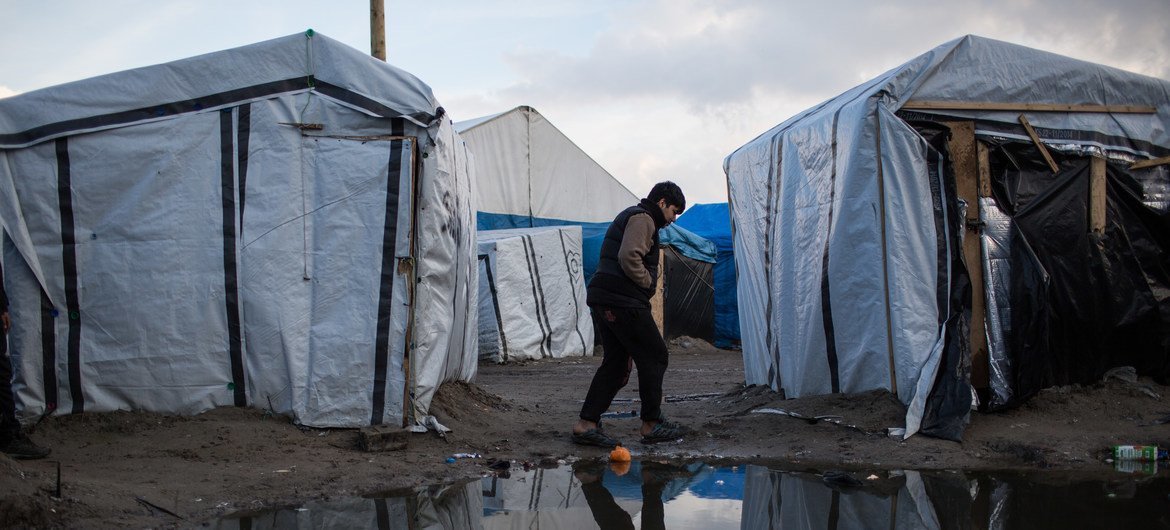
UNICEF/Geai | A boy walks through a migrant camp in Calais, northern France. Many asylum seekers attempt the sea crossing to England from the French coast.
.
The development comes as senior judges in the UK ruled that the Government’s first flight taking asylum seekers to the African nation, could go ahead.
In early 2020, the Global Elite launched its long-planned coup to capture control of the human population by killing off a substantial proportion and technologically imprisoning those left alive as transhuman slaves.
A primary intended outcome of this agenda is to enable the Elite to own and completely control use of the Earth’s remaining resources.
Using the World Economic Forum (WEF) as its primary agent, and with the complicity of key international organizations and all national governments (after some hiccoughs requiring the assassination of five national presidents), the Global Elite has gone about progressively implementing the many components of its plan for a full takeover of Planet Earth. See ‘The Final Battle for Humanity: It is “Now or Never” in the Long War Against Homo Sapiens’.
9 June 2022 (UNEP)* — The harmful chemicals released from plastic products throughout their entire life cycle can pose a serious risk to humans and the environment, particularly when waste is not properly managed, finding its way to air, water and soils.
Photo: Unsplash
Global cumulative plastic production is predicted to reach 34,000 million tonnes between 1950 and 2050.
MADRID, Jun 7 2022 (IPS)* – Imagine a patient connected to a vital oxygen device to keep him or her breathing, thus alive. Then, imagine what would happen if this patient unplugged it. This is exactly what humans have been doing with the source of at least 50% of the whole Planet’s oxygen: the oceans.
The ocean produces 50% of the planet’s oxygen, absorbs 30% of carbon dioxide produced by humans, buffering the impacts of global warming, and is the main source of protein for a billion people around the world. Credit: IPS
But oceans do not only provide half of all the oxygen needed. They also absorb about 30% of carbon dioxide produced by humans, buffering the impacts of global warming while alleviating its consequences on human health and that of all natural resources.
(By UN News)* — Safe food is one of the most critical guarantors for good health, the UN said on Tuesday [7 June 2022] – the fourth global World Food Safety Day – aiming to mobilize action for preventing, detecting and managing foodborne risks and improving human health.
.Benefits of safe food for well-being include improved nutrition and reduced absenteeism in schools and in the workplace.
According to the Food and Agriculture Organization (FAO), only when food is safe can we fully benefit from its nutritional value and from the mental and social benefits of sharing a safe meal.
“Unsafe foods are the cause of many diseases and contribute to other poor health conditions, such as impaired growth and development, micronutrient deficiencies, noncommunicable or communicable diseases and mental illness,” said FAO.
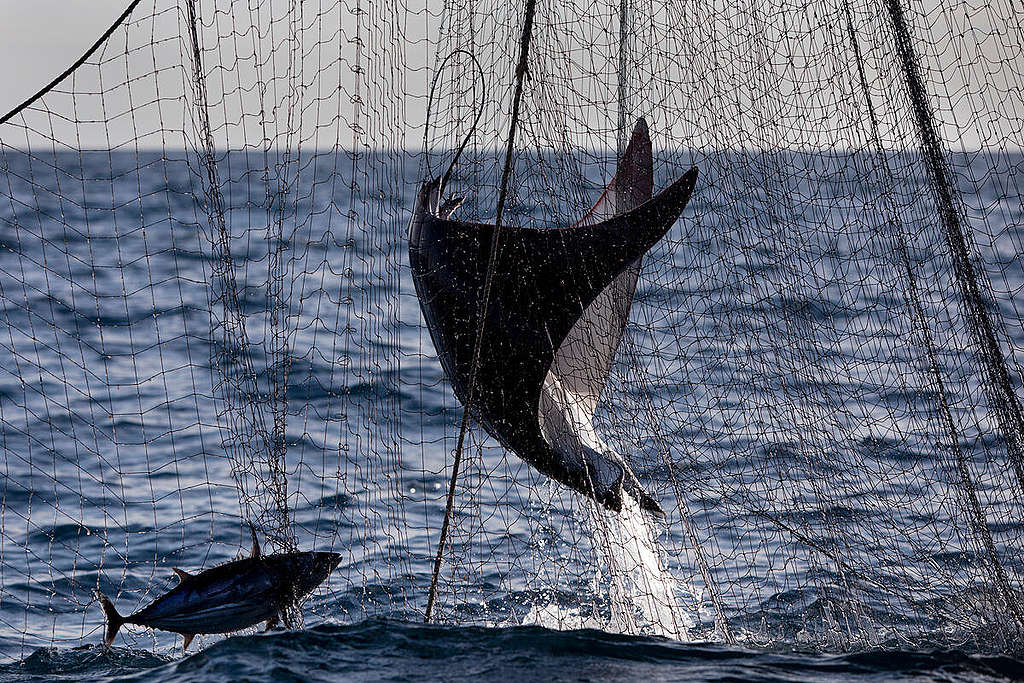
The “high seas”. For the uninitiated, a mere mention of the phrase throws up images of a vast never-ending expanse of pristine blue waters. But in reality, we know this vast expanse is far from pristine – threatened as it is by a toxic cocktail of climate change, plastic pollution, and the potential threat of deep-sea mining.






 HUMAN WRONGS WATCH