MADRID, Mar 15 2022 (IPS)* – More than 60 percent of the world’s adult labour force –or about 2 billion workers– work in the informal economy. “They are not recognised, registered, regulated or protected under labour legislation and social protection. The consequences can be severe, for individuals, families as well as economies.”
Women sell fruit and vegetables on a sidewalk in the Philippines. Credit: ILO/Minette Rimando
The International Labour Organization (ILO) on 18 February 2022 on this issue reported that despite major efforts over the years, there are few signs of the informal economy shrinking in size.
Farmers and fishing communities have had to let go of their folk knowledge on weather and seasonal patterns that used to guide them for the best times to carry out the various steps in their trade—planting, harvesting, setting out to sea, preservative drying of goods, etc.
Governments inability or unwillingness to implement solutions to the climate crisis is deeply entrenched, and seemingly intractable | Image from Wall Street International Magazine.
March 2022 (Wall Street International)* — For far too many climate change activists, 2021 and the beginning of 2022 have plunged people into feelings of helplessness and hopelessness.
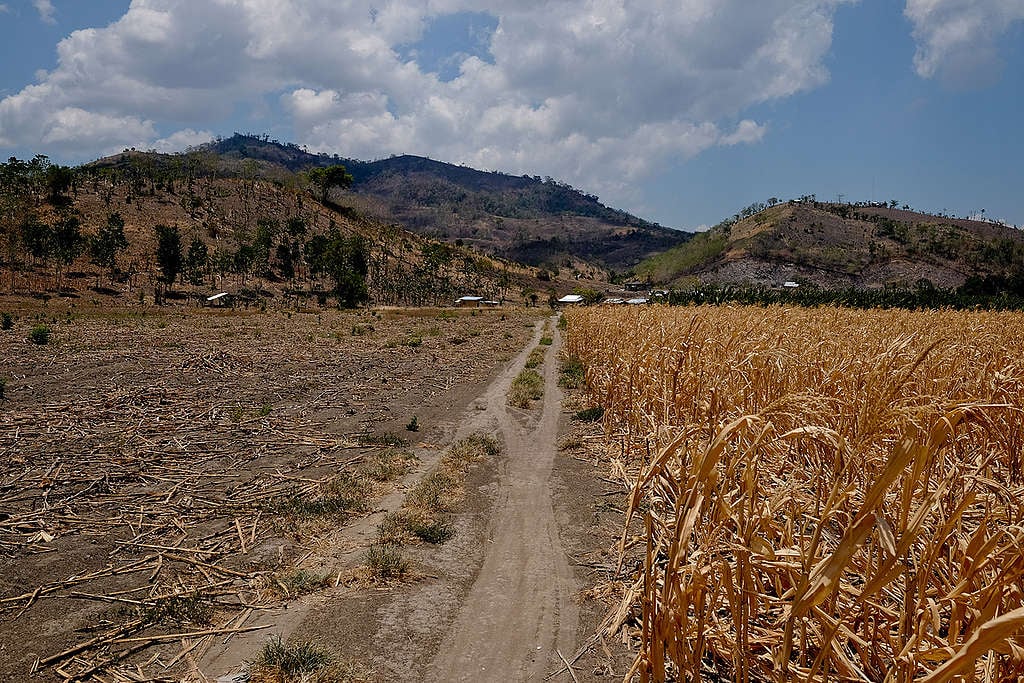
The inertia of the existing fossil fuel infrastructure and governments inability/unwillingness to implement tangible, collaborative, global solutions to the climate crisis is deeply entrenched, and seemingly intractable.
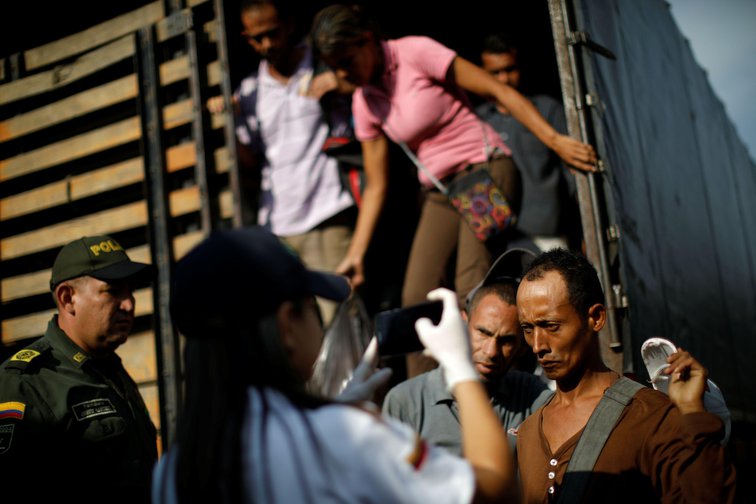
With 95% of Venezuelans living in extreme poverty, every day hundreds are forced to walk to neighbouring Colombia in search of work | PORTUGUÊS
Nearly six million Venezuelans have left for neighbouring countries | Carlos Garcia Rawlins/REUTERS/Alamy Stock Photo
12 March 2022 (openDemocracy)* — “I gave my children a small cup of rice. That was all we had. Then I left,” says Emily, sitting on a grassy mound near a river and a road that leads into the Colombian town of Pamplona. Like nearly six million other Venezuelans, she has left home for a neighbouring country.
10 March 2022(UN News)* — The business model of the news media is ‘broken’ and with it, our fundamental right to information is at risk, a new UNESCO report examining global trends in freedom of expression warns.
Unsplash/Lilly Rum | The dominating presence of social media has led to a decline in demand for traditional print journalism.
In the past five years, both news audiences and advertising revenues have moved in huge numbers to internet platforms, with only two companies – Google and Meta (formerly known as Facebook) – soaking up half of all global digital advertising spending.
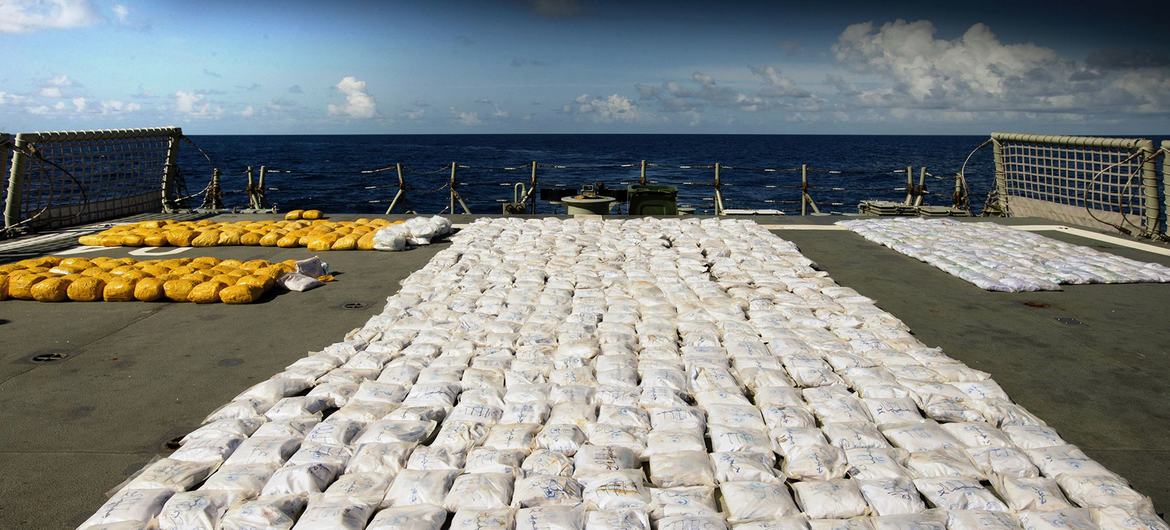
(UN News)* — The International Narcotics Control Board (INCB), an independent, UN-backed body, is calling on governments to do more to regulate social media platforms that glamourize drug-related negative behaviour and boost sales of controlled substances.
In its annual report, released on Thursday [10 March 2022], the INCB notes increasing evidence of a link between exposure to social media and drug use, which disproportionately affects young people, the main users of social media platforms, and an age group with relatively high rates of drug abuse.
MADRID, Mar 10 2022 (IPS)* – Climate change and land-use change are projected to make wildfires more frequent and intense, with a global increase of extreme fires of up to 14 percent by 2030, 30 percent by the end of 2050 and 50 percent by the end of the century, according to a new report by the UN Environment Programme (UNEP) and GRID-Arendal, a non-profit environmental communications centre based in Norway.
Protect our people and future generations: Water and Climate Leaders call for urgent action
.
Geneva 8 March 2022 (WMO)* – Water and Climate Coalition leaders have issued a call for more urgent and united action “to protect our people and future generations” in the face of alarming new scientific evidence from the Intergovernmental Panel on Climate Change of growing global threats to water availability and from water-related hazards.
(UN News)* — At least two-thirds of households with children have lost income since the COVID-19 pandemic hit two years ago, according to a joint report published on Wednesday [9 March 2022] by the UN children’s agency (UNICEF) and World Bank.
The report, Impact of COVID-19 on the welfare of households with children, presents findings from data collected in 35 countries, and notes that households with three or more children were most likely to have come up short, with more than three-quarters experiencing a reduction in earnings.
LIMA, Mar 7 2022 (IPS)* – “Pachamama (Mother Earth) is upset with all the damage we are doing to her,” says Hilda Roca, an indigenous Peruvian farmer from Cusipata, in the Andes highlands of the department of Cuzco, referring to climate change and the havoc it is wreaking on her life and her environment. | En español
Peruvian farmer Hilda Roca, 37, stands in her agro-ecological garden in Cusipata, a town located at more than 3,300 meters above sea level in the highlands of Cuzco, where she grows vegetables for her family and sells the surplus with the support of her adolescent daughter and son. CREDIT: Mariela Jara/IPS






 HUMAN WRONGS WATCH