6 July 2021 (UNEP)* — Unprecedented biodiversity loss, pollution, climate change and the rise of zoonotic diseases have showcased the symbiotic relationship between humans and nature.
.
Unsplash / Markus Spiske / 05 Jul 2021
The human right to a safe, clean, healthy and sustainable environment, as well as other human rights, can only be realized where biodiversity thrives and ecosystems are healthy.
(UNEP)* — Deepika Hemrom’s parents pay her school fees with plastic. Not Master Card or Visa but actual plastic waste.
Photo: Akshar Foundation / 16 Apr 2021
They are participating in a ground-breaking scheme in Assam, India, that allows low-income families to use single-use plastic in lieu of money to pay for private schooling.
Deepika’s parents are manual labourers and this unique payment method means the 13-year-old, who dreams of becoming a doctor, can access a quality education, which would otherwise be out of her family’s financial reach.
Small family farms make up 85 per cent of all farms worldwide, and the people who live on them constitute the majority of the rural poor. To mitigate the challenges that come with working in isolation − and to increase profitability and productivity − these smallholders form organizations.
WASHINGTON DC, Jul 2 2021 (IPS)* – After more than a decade of rising tensions and growing nuclear competition between the two largest nuclear-weapon states, U.S. President Joe Biden and Russian President Vladimir Putin agreed at their June 16 summit to engage in a robust “strategic stability” dialogue to “lay the groundwork for future arms control and risk reduction measures.”
A UN meeting on the International Day for the Total Elimination of Nuclear Weapons, 26 September. Credit: UN Photo/Kim Haughton
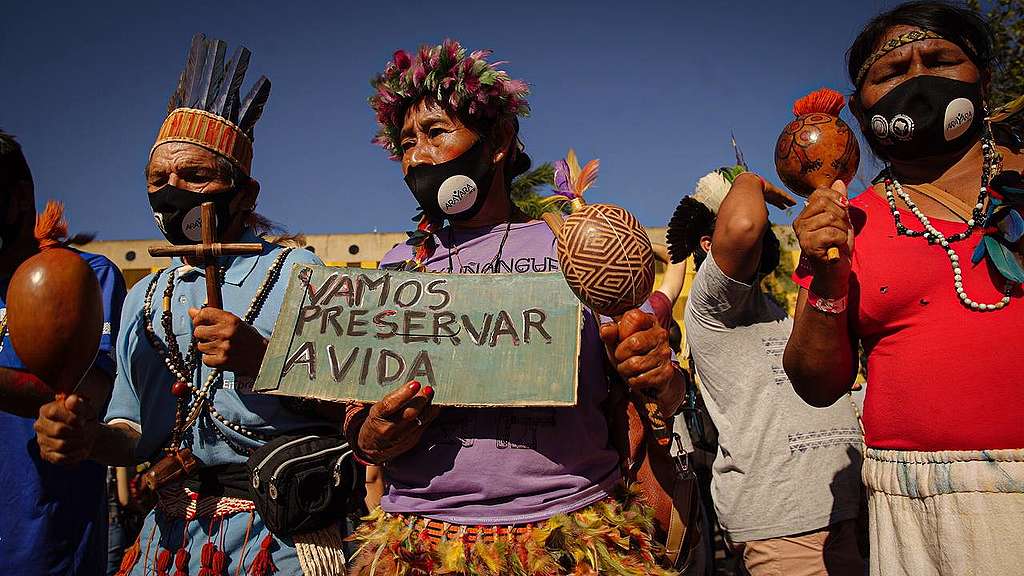
(Greenpeace International)* — After living on and fighting for their lands for centuries, the rights of Indigenous Peoples in Brazil are endangered by a legal loophole called Marco Temporal that could legalize theft of their lands—unless the Brazilian Supreme Court stops it.
2 July 2021 (UNEP)* — The world’s first-ever international Food Systems Summit is slated for September 2021 and seeks to galvanize a global commitment and action to transform our food systems.
With almost 690 million people going hungry in 2019, and most current farming practices driving biodiversity loss and global heating, there is an urgent need to take stock and change direction.
Latest estimates reveal that 3 in 10 people worldwide could not wash their hands with soap and water at home during the COVID-19 pandemic.
UNICEF/UN0388486/Panjwani
GENEVA/NEW YORK, 1 July 2021 (UNICEF)* – Billions of people around the world will be unable to access safely managed household drinking water, sanitation and hygiene services in 2030 unless the rate of progress quadruples, according to a new report from WHO and UNICEF.
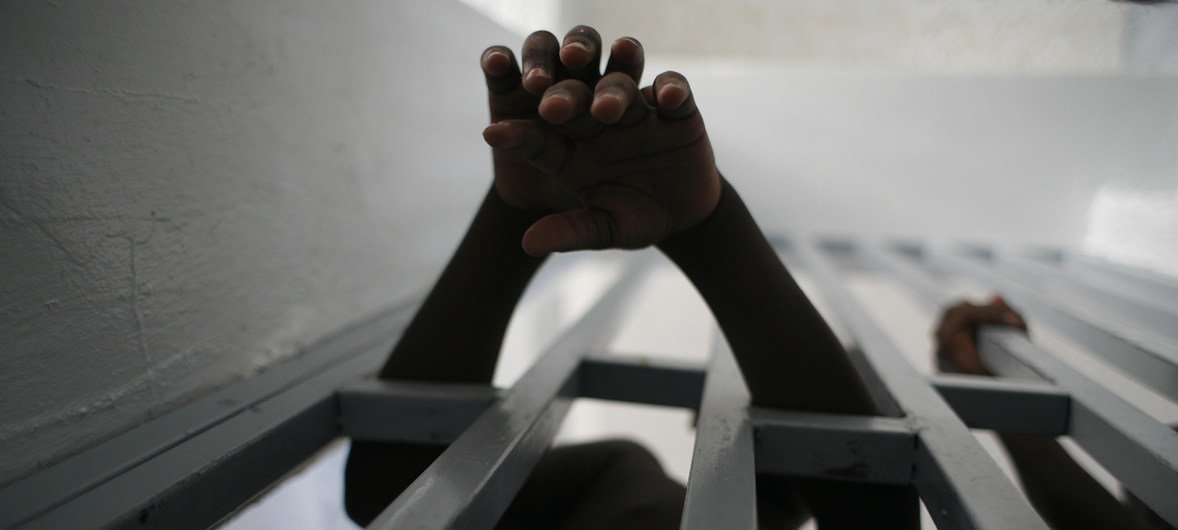
(UN News)* — Extreme overcrowding and lack of access to food, water and health, are among the ‘inhumane conditions’ that prisoners in Haiti must endure, often over the course of many years, according to a new UN report.
.The document published on Wednesday [30 June 2021], based on visits to 12 detention centres by UN staff at the beginning of 2021, notes that in some instances up to 60 people were crammed into spaces measuring just 20 square meters, leaving them unable to even lie down on the floor to sleep.
30June 2021 — (Wall Street International)* — The story goes that on his first voyage to what would become America, Christopher Columbus disembarked on October 12, 1492, on a beach he named San Salvador, today Wattlin, in the Bahamas archipelago.
By December 1 he chose to live in a wonderful setting on an island he called Hispaniola. He took possession of it without asking, obviously, the locals. Colonization began by building a fort called “La Navidad”, on the north coast of what is today Haiti.





 HUMAN WRONGS WATCH