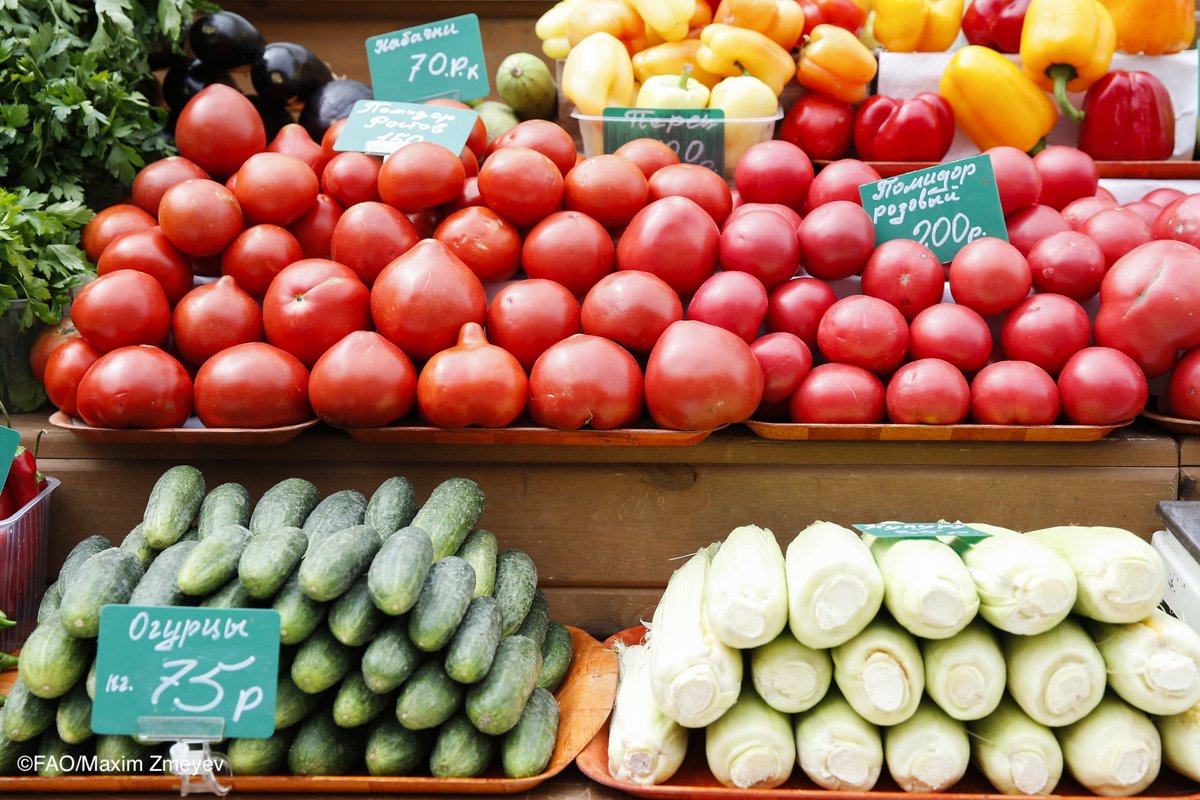
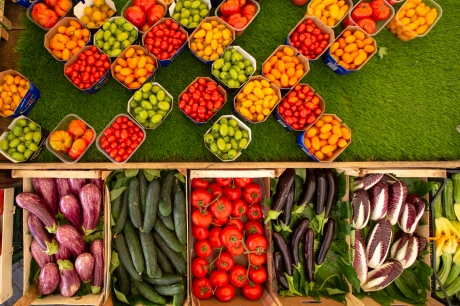
10 April 2021 (FAO)* — If there was ever a time that made us pay attention to our health, it has been this one of the COVID-19 pandemic. This year has also made that clear that not everything in the world of health is under our control. However, many of us are lucky enough to have a say in one important element and that is what we eat.
9 April 2021 (FAO)* — Jumla beans. Black, red and yellow spotted, cultivated by hand in one of the most remote districts of Nepal’s mountains.
Despite their great nutritional value and environmentally friendly production, jumla beans threaten to be replaced by other crops because mountain producers cannot make a decent income from them.
Sentiments in Bolivia for and against the coup d’etat of November 2019 are predictably along class lines. Those from more affluent sections felt that the socialist policies of the government of President Evo Morales (which was in power from 2006 to 2019) were eating into their authority.
Bolivia coup-appointed president Jeanine Anez. November 2019 VOA News -YouTube
But these sections could not oust Morales at the ballot box because his policies of redistribution were wildly popular among the mass of the population.
China, the largest economy measured in Purchasing Power Parity | Image fromWall Street International.
9 April 2021 (Wall Street International)* — In 1986 on returning for my first 3-week visit to China, I wrote an article, “China: Key Player in a New World Game” in The Futurist, December 1986. I had been invited by China’s State Council at the recommendation of my good friends, Alvin and Heidi Toffler, best-selling authors of Future Shock (1970), who both had, and still, have a big following in China.
A new report, published on 14 Mar 2021 in the Royal Swedish Academy of Sciences’ journal Ambio, points out that humanity is hurtling towards destruction unless we have the collective wisdom to change course quickly. Here is a link to the article:
John Scales Avery
The Ambio article was written as part of the preparation of a meeting of Nobel Prize winners to discuss the state of the planet. The virtual meeting will be held on April 26-28, 2021.
We Must Achieve a Steady-State Economic System
A steady-state economic system is necessary because neither population growth nor economic growth can continue indefinitely on a finite earth. No one can maintain that exponential industrial growth is sustainable in the long run except by refusing to look more than a short distance into the future.
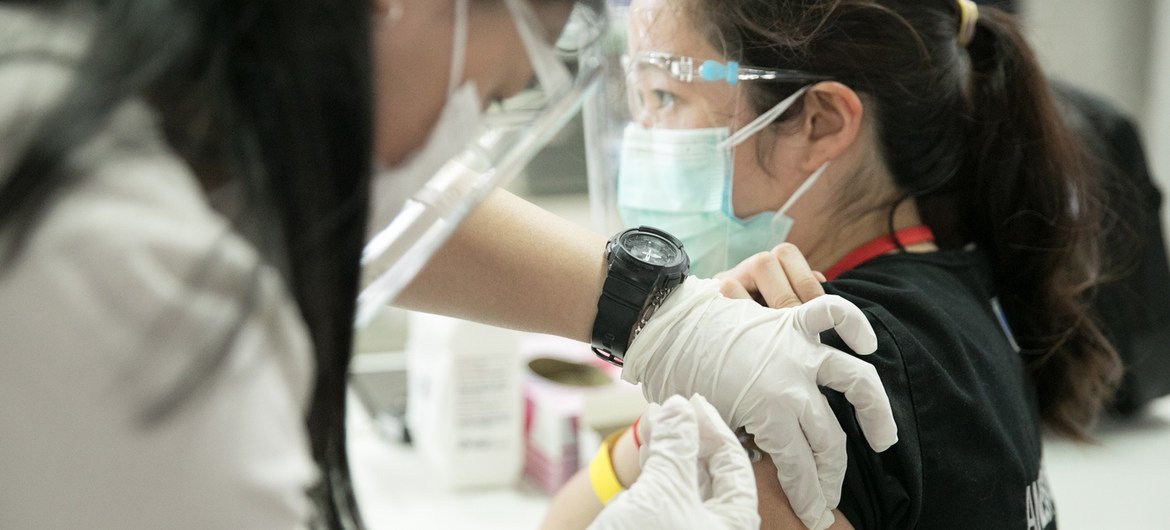
(UN News)* — The vast majority of COVID-19 vaccines administered have so far gone to wealthy nations, the World Health Organization (WHO) on 9 April 2021 reported.
Although more than 700 million vaccine doses have been administered globally, richer countries have received more than 87 per cent, and low-income countries just 0.2 per cent.
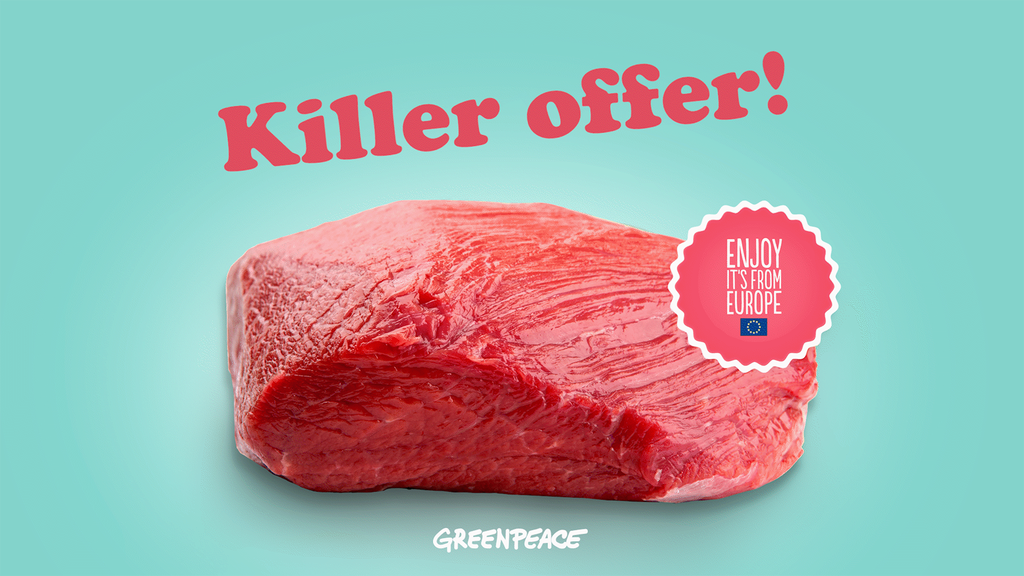
(Greenpeace International)* — The meat and dairy industries in Europe have a problem. More and more people do not want their steaks, their minced meat and their chicken wings.
(UN News)* — The world is “a long way off” from meeting the goals of the landmark Paris Agreement on Climate Change, the President of the crucial upcoming UN climate conference, COP26, on 8 April 2021 said.
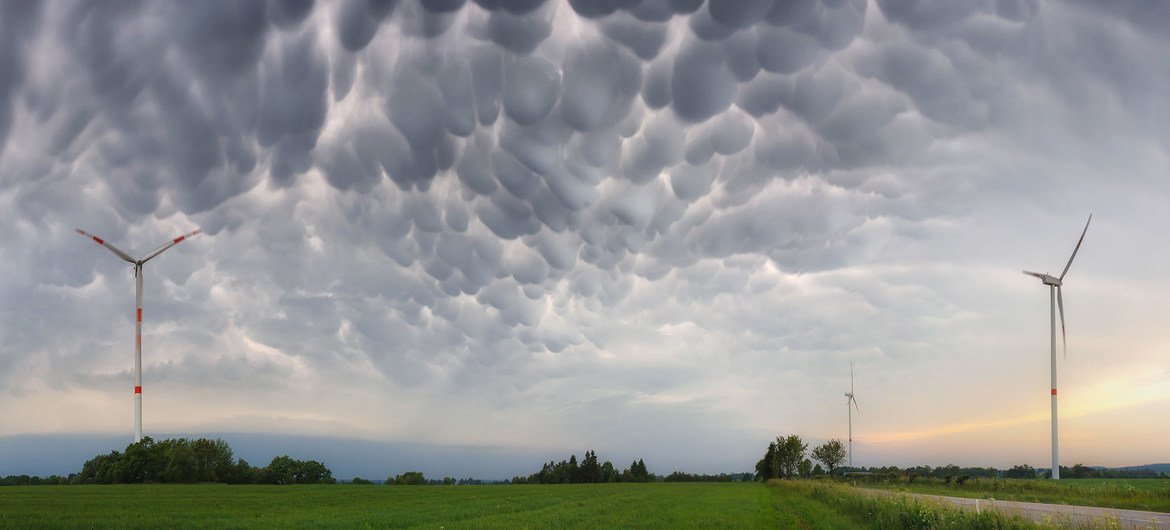
WMO/Boris Jordan | Wind farms, like this one in Belgium, are a key source of sustainable energy.
British politician Alok Sharma was speaking during a global discussion on the ‘green’ transition in sectors such as energy, transport and food systems, held as part of the 2021 Spring Meetings of the World Bank and the International Monetary Fund (IMF).
ROME, 8 April 2021 (FAO)* – The Food and Agriculture Organization of the United Nations (FAO) has partnered with the International Maritime Organization (IMO) and 30 countries in a major initiative to tackle marine litter and clean up the world’s oceans.
Fishing vessels in the port of Civitavecchia in Italy.
The GloLitter Partnerships Project is being implemented by FAO in partnership with the IMO, with initial funding from the Government of Norway through the Norwegian Agency for Development Cooperation (Norad).
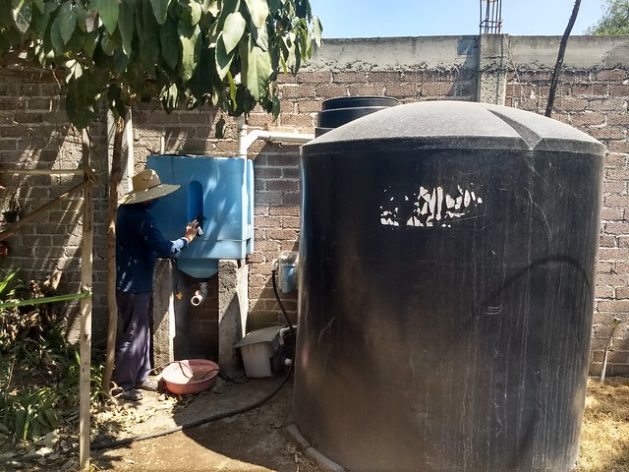
MEXICO CITY, Apr 5 2021 (IPS)* – In neighbourhoods like Tehuixtitla in southern Mexico City, rain brings joy, because it provides water for showering, washing dishes and clothes, and cooking, by means of rainwater harvesting systems (RHS).
Gabino Martínez cleans the “Tláloc”, the tank that filters dust from the rainwater collection system in his home in the Tehuixtitla neighborhood in the Xochimilco district in southern Mexico City. During the May to November rainy season local residents collect the water they use for washing, bathing and cooking, due to the lack of access to piped water. CREDIT: Emilio Godoy/IPS




 HUMAN WRONGS WATCH