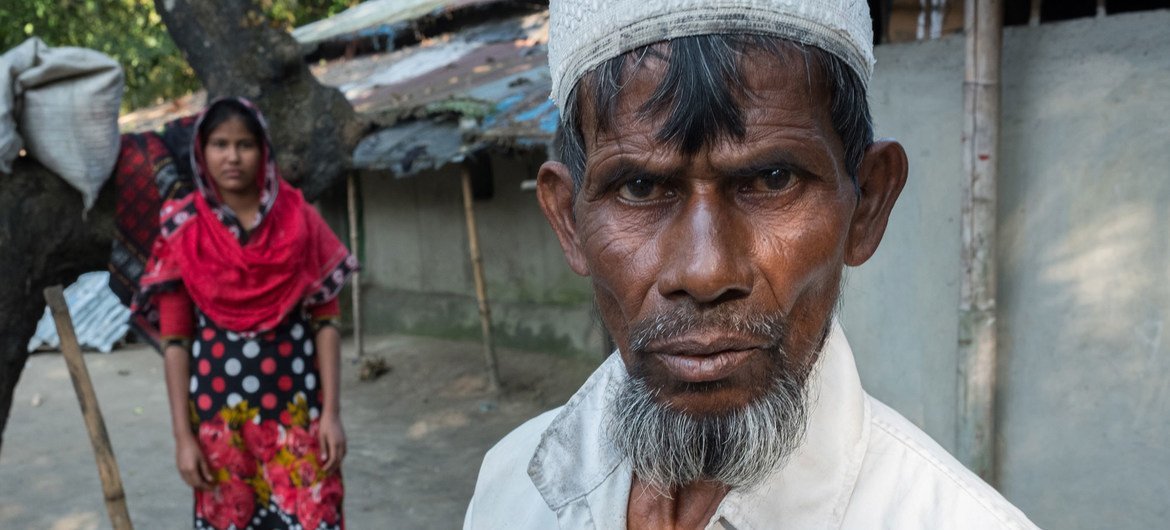
7 October 2020 (UN News)* — Across the world, girls as young as 12 are being forced or tricked into marrying men who exploit them for sex and domestic work, in what the UN Office on Drugs and Crime (UNODC) has called an “under-reported, global form of human trafficking”.
.
UNICEF/UN0159775/Nybo | Farmer Nurul Haque stands near his 13-year-old daughter in Bangladesh, saying he may have to pull her from school and marry her off to an older man because he has few financial options left.
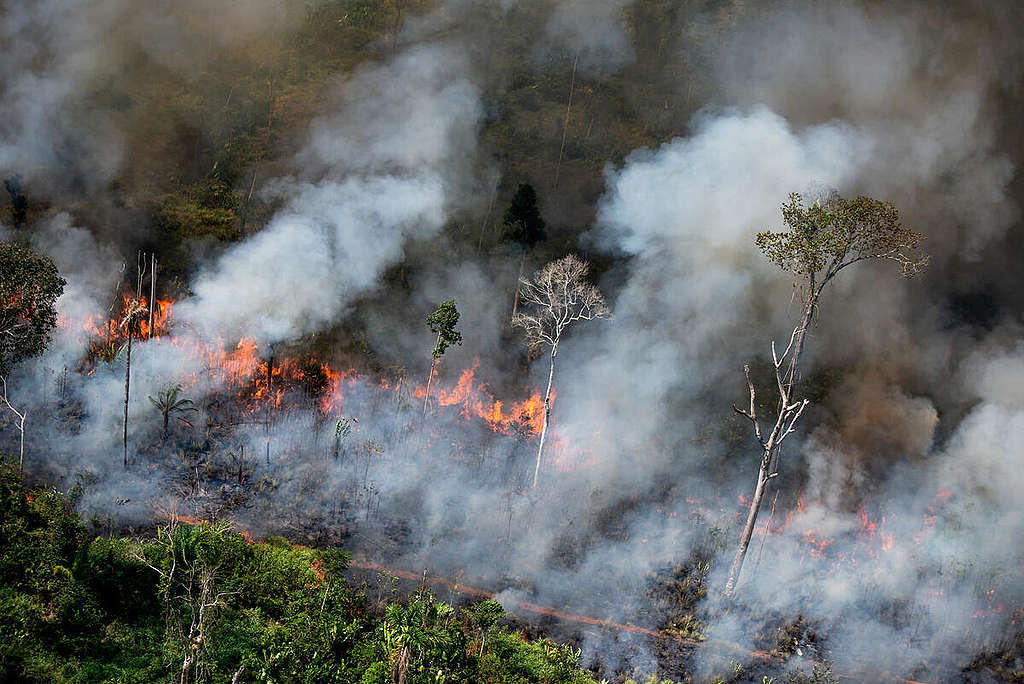
(Greenpeace International)* — It is no accident that there are fires all across Brazil, and it is no accident that the fires this year are worse than last. In fact, the fires in 2020 are the worst in the last decade.
The world is looking in horror for the second straight year as historic blazesravage the world’s largest tropical forest. All the while, instead of fighting the fires, the Brazilian government fans the flames by emboldening those who are setting the fires to expand their agribusiness.
7 October 2020 (UN Environment)* — In 1933, U.S. President Franklin D. Roosevelt signed an executive order allocating US$ 10 million for emergency conservation efforts under the New Deal, putting unemployed Americans to work. When South Korea was struggling with famine and a refugee crisis in the 1950s, the government restored forests and farmland, creating hundreds of thousands of rural jobs.
5 October 2020 (Wall Street International)* — The central problem which the world faces in its attempts to avoid catastrophic climate change is a contrast of time scales. In order to save human civilization and the biosphere from the most catastrophic effects of climate change we need to act immediately. Fossil fuels must be left in the ground. Forests must be saved from destruction by beef or palm oil production.
The dangerous greenhouse gas methane is bubbling up from melting permafrost in the Arctic and from the shallow seas north of Siberia | Image fromWall Street International.
6 October 2020 (WMO)* — The annually occurring ozone hole over the Antarctic is one of the largest and deepest in recent years. Analyses show that the hole has reached its maximum size.
The 2020 ozone hole grew rapidly from mid-August and peaked at around 24 million square kilometres in early October. It now covers 23 million km2, above average for the last decade and spreading over most of the Antarctic continent.
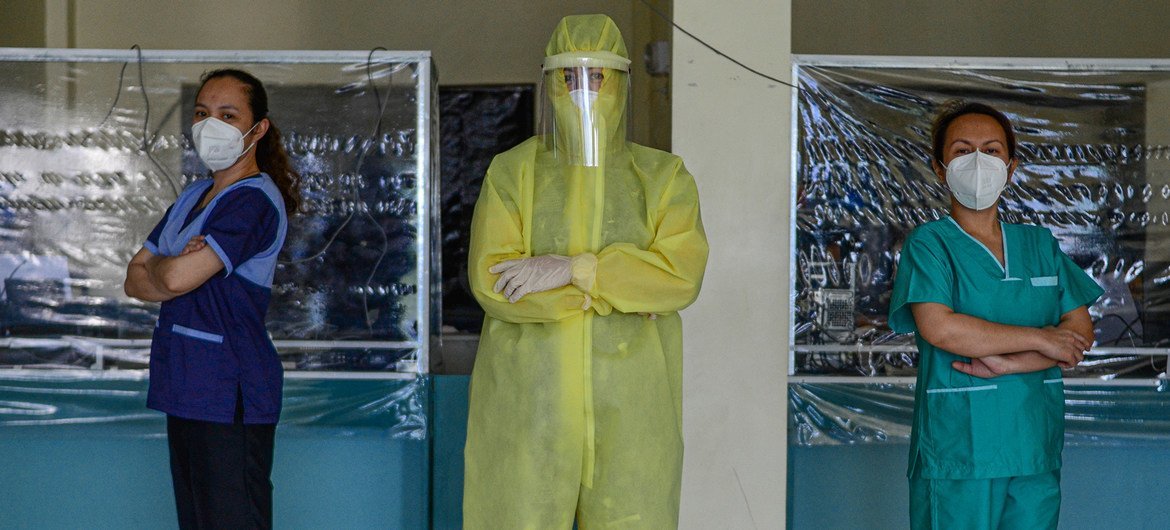
(UN News)* — While COVID-19 has affected all countries, the pandemic is “uneven”, and it is estimated that 10 per cent of the global population may have been infected with the virus, senior officials with the World Health Organization (WHO) said on Monday [5 October 2020].
UN Women/Louie Pacardo | Wearing a full protective suit, a women doctor who leads a group of volunteer medical professionals attending to COVID-19 patients and persons under investigation at a community hospital in the Philippines.
Speaking to a special session of the agency’s Executive Board, WHO chief Tedros Adhanom Ghebreyesus said 10 countries account for 70 per cent of all reported cases and deaths, and just three countries account for half.
5 October 2020 (Wall Street International)* — We humans, having populated every part of Earth’s surface and visited the Moon, now are perched atop the planet’s food chain. We are learning from this perilous position but hastening the extinction of all other species in our shared, life-supporting biosphere.
The planet is now teaching us directly how our lifestyles are causing climate disasters: fires, floods, droughts, super-storms, rising seas and pandemics.
1 October 2020 (openDemocracy)* — “Who the hell cuts a health budget in the middle of a pandemic?” woefully expressed a fellow comrade upon learning of the Nigerian government ‘s decision to slash the national health expenditure budget by almost half.
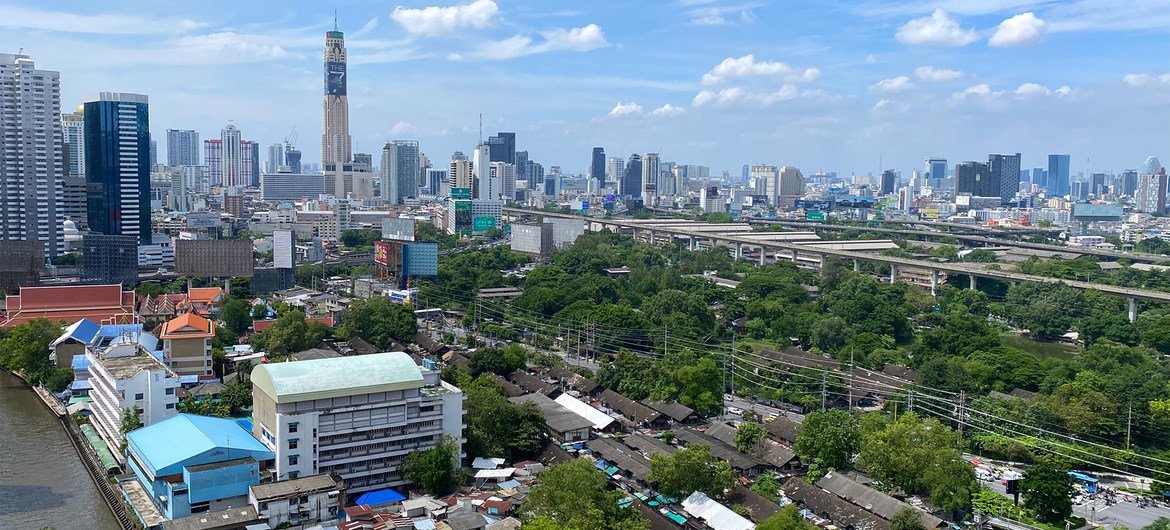
5 October 2020 (UN News)* — Commemorating World Habitat Day, on Monday, top UN officials called for urgent action to provide low-income families and vulnerable populations with affordable housing with security of tenure and easy access to water, sanitation, transport and other basic services.
UN News/Vibhu Mishra | A view of the city of Bangkok, the capital of Thailand.
“Access to clean water and sanitation, along with social distancing, are key responses to the pandemic. Yet in slums it has proved difficult to implement these measures,” said Mr. Guterres.
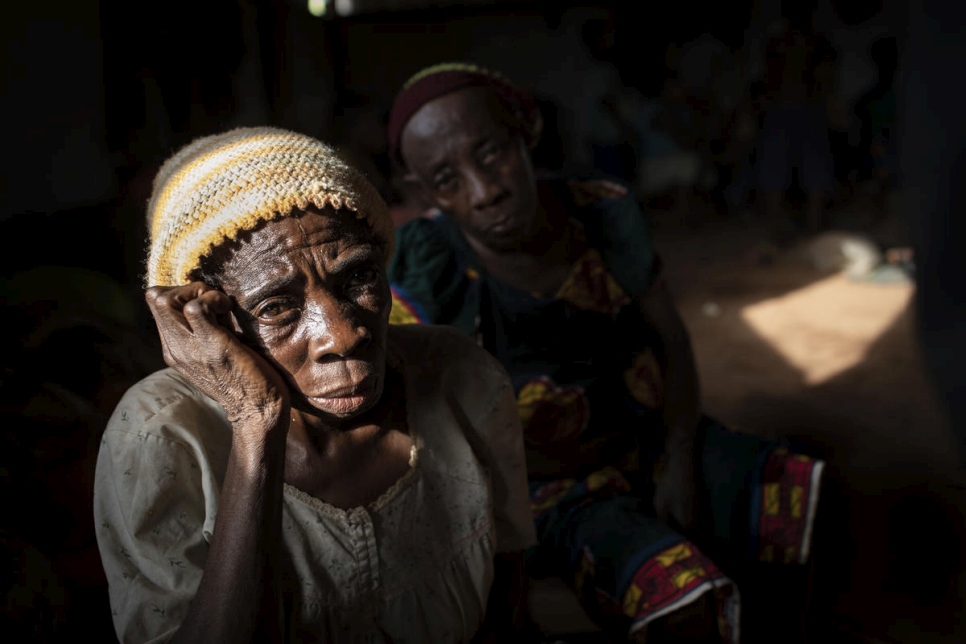
Physical decline, deepening economic hardship and isolation make life tougher for older people, who comprise four per cent of the forcibly displaced population worldwide. | Español | Français | عربي
SAN JOSE, Costa Rica – Despite suffering knee problems and hypertension, 69-year-old Nicaraguan asylum-seeker Esperanza* used to get up at dawn every day to pick coffee to support her family in Costa Rica.




 HUMAN WRONGS WATCH