A global study has revealed exactly why corals glow during ocean heatwaves: to try and survive.
Photo by IYORBank_CoralBleaching_TheOceanAgency
The research by the University of Southampton’s Coral Reef Laboratory shows that some corals exhibit a dazzling colourful display when they suffer bleaching due to warmer temperatures—to protect themselves.
The university’s scientists found that glowing colours in bleached corals act like a protective layer (similar to sunscreen) when symbiotic micro-algae are lost. The vivid colours are also a blinking neon sign that encourages the algae to return. The study suggests that corals develop extreme colouration within 2 to 3 weeks after exposure to mild or temporary heat stress.
NEW YORK, Jul 20 2020 (IPS)* – “We may all come on different ships, but we are in the same boat now,” Martin Luther King Jr once said. His timeless wisdom rings truer than ever today for the many challenges the world is facing. COVID-19, continued armed conflicts and forced displacement, climate-change induced disasters, deep divides and widespread discrimination mark the human family in the 21st century.
Yasmine Sherif
While COVID-19 is indeed a health crisis, the state of the world is in a bigger, multi-dimensional crisis. The one safe solution is education. Not just any education, but a quality education. One that is holistic and empowers the young generation, especially girls, to realize their potential, be productive and bring lasting peace to their communities and the world.
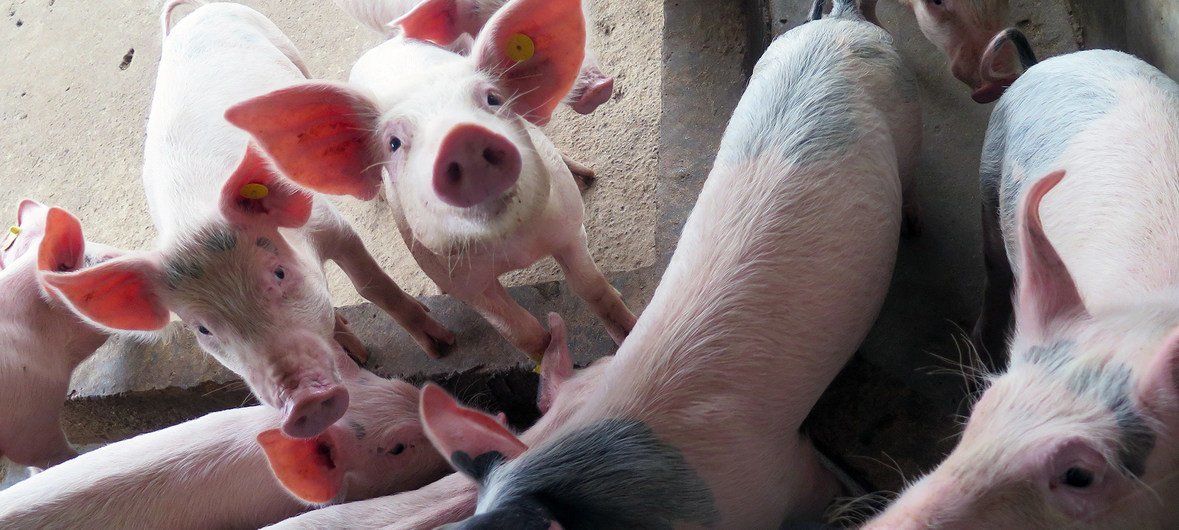
A disease that may kill every pig it infects and for which there is no effective vaccine, can be eradicated if more countries continue to work together to limit its spread, the UN Food and Agriculture Organization (FAO) said on 20 July 2020. (*).
IAEA/Laura Gil Martinez | African Swine Fever is a highly contagious disease that can cause a devastating impact on small-scale pig farmers. (file March 2017)
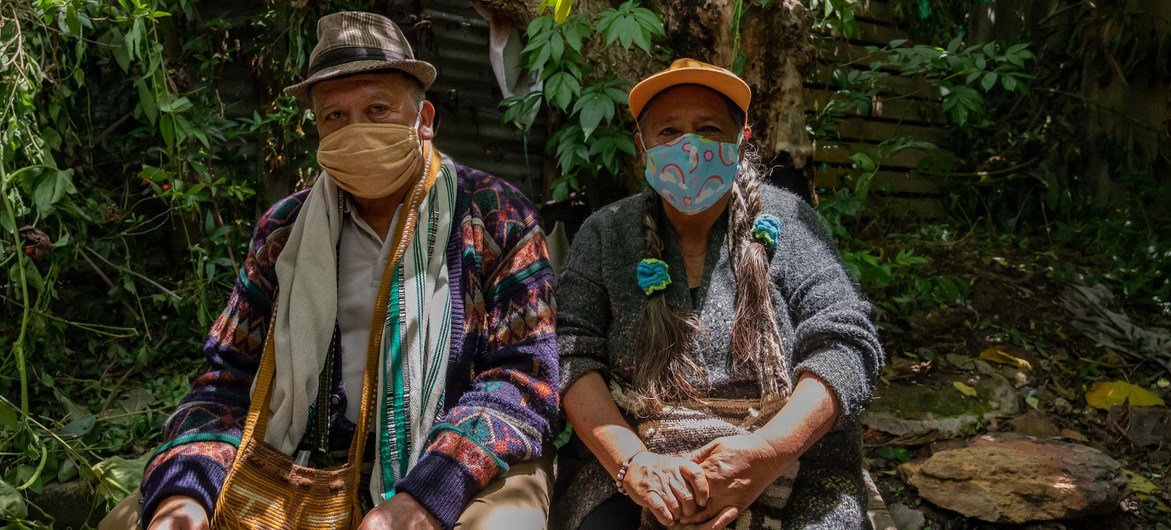
(UN News)* — With the Americas still the epicentre of the COVID-19 pandemic, the impact on the region’s indigenous people is of deep concern, the World Health Organization (WHO) said on 20 July 2020.
PAHO/Karen González Abril | The Bogotá Ministry of Health have sent a Muisca nurse to Suba, in the north of Bogotá, Colombia, to check on the local indigenous population.
.
More than 70,000 cases and over 2,000 deaths were reported among this population as of 6 July, according to the UN agency. There have been at least six cases among the Nahua people, who live in the Peruvian Amazon, latest information has revealed.
20 July 2020 (UN Environment)* — There was a time when industrial agriculture seemed to be a panacea for a fast-growing world. Synthetic fertilizers, chemical pesticides and high-yield cereal hybrids promised to reduce hunger, accommodate growing populations and stimulate economic prosperity. Between 1960 and 2015, agricultural production more than tripled, resulting in an abundance of low-cost fareand averting global food shortages.
But not everything went as anticipated. Decades of industrial farming have taken a heavy toll on the environment and raised some serious concerns about the future of food production. “Efficient farming is not just a matter of production,” says James Lomax, a United Nations Environment Programme (UNEP) Programme Manager. “It is also about environmental sustainability, public health and economic inclusivity.”
A new statelessness determination procedure in Ukraine gives people without identity documents the right to work, study and access health care. | Español | Français
17 July 2020 (UNHCR)* — Despite having cancer, Olena Miryasheva was denied access to health care: she could not be registered at the outpatient clinic, could not obtain a prescription, and could not even undergo a medical examination which would have been free for a Ukrainian citizen.
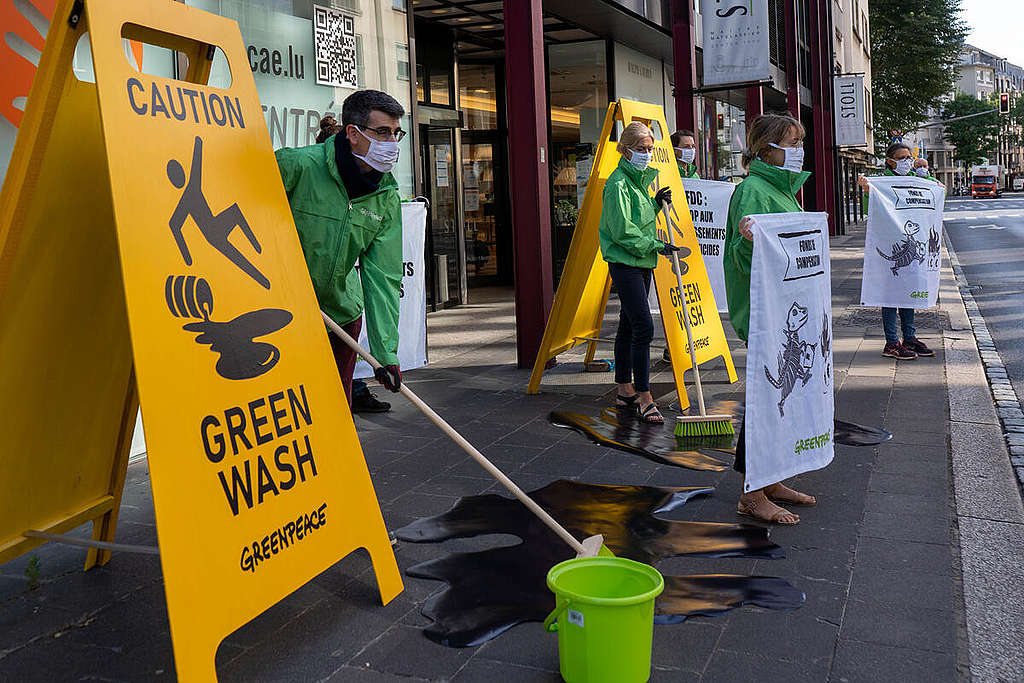
(Greenpeace International)* — COVID has underlined the deep mutual connection and reliance we have with the natural world. It is also showing that our current socio-economic systems — driven by hectic lifestyles, mindless consumption and putting a price-tag on nature — doesn’t work. It clarifies that linking relentless and voracious economic growth with our personal well-being makes no sense. But what else do we have to work with?
The Fahrenheit 9/11 director lauded Cuba’s medical professionals for their collaborative efforts around the world.
Filmmaker Michael Moore sends a message to Concert for Cuba. July 18, 2020. | Photo: Twitter / @JoseRCabanas
19 July 2020 (teleSUR)* — U.S. filmmaker Michael Moore is one of many U.S. and Cuban artists and personalities participating in this weekend’s virtual Concert for Cuba in support of the valiant efforts of Cuban doctors in their mission to assist 34 nations in their fight against COVID-19.
20 July 2020 (United Nations)* — Throughout history, games and sports have helped humanity to survive times of crisis by reducing anxieties and improving mental health. While the coronavirus outbreak has forced most gaming and sports activities to scale down, chess has demonstrated remarkable resilience, adaptability and a very strong convening power in time of pandemic.
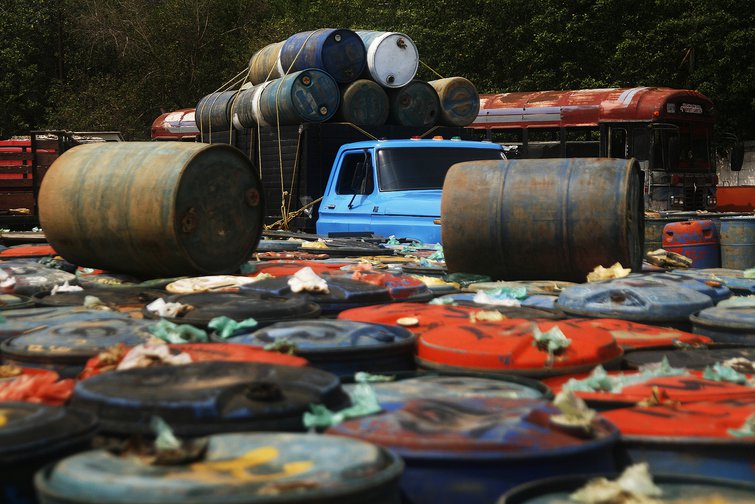
The subsidized price of fuels and the systematic looting of PDVSA have led Venezuela to an unusual situation: being an oil producing country, now it needs to import huge shipments of gasoline.
Empty barrels of gasoline in Maracaibo, Venezuela, december 2019| Humberto Matheus, Nur photos, PA Images.
16 July 2020 (openDemocracy)* — Venezuela is going through a general collapse of public services, which adds to the problem of hyperinflation, the low wages, and precarious living conditions. This context has motivated frequent protests in many communities affected by the lack of water, cooking gas, electrical power, or fuel across the country.






 HUMAN WRONGS WATCH