Human Wrongs Watch
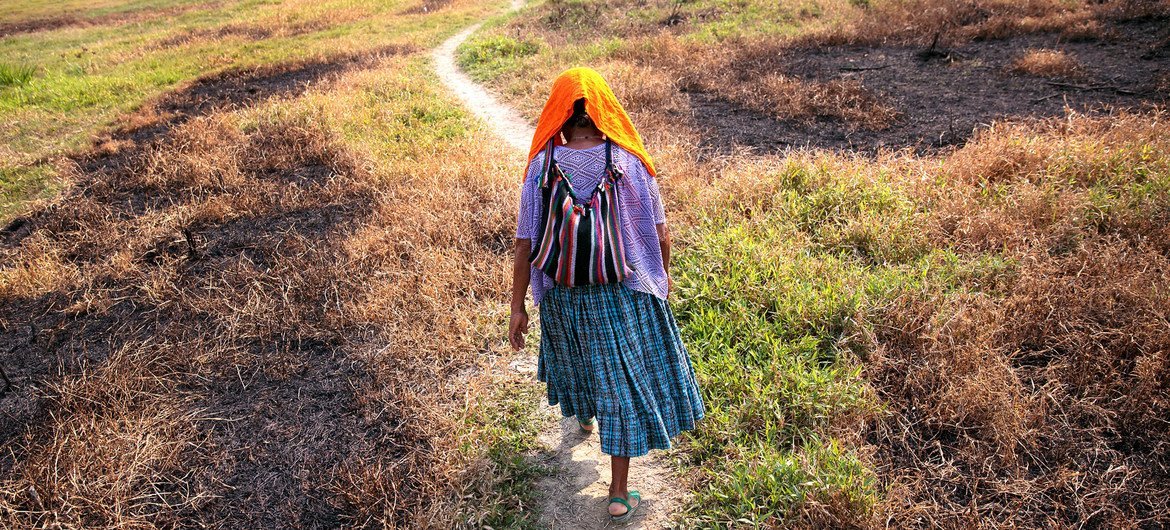
Although international law “unequivocally prohibits torture in all instances”, the UN chief pointed out that it nevertheless continues in many countries, “even those where it is criminalized”.
'Unseen' News and Views

This month, the United Nations Environment Programme (UNEP) released a brand-new animation to explain the increasingly popular concept of ecosystem-based adaptation (EbA).
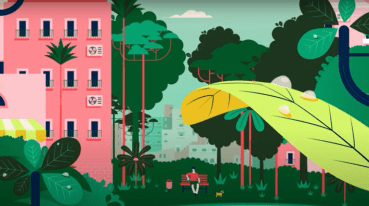
25 June 2020 (UN Environment)* — Restoring and protecting nature is one of the greatest strategies for tackling climate change, but not just for the obvious reason that it sucks carbon out the air. Forests, wetlands, and other ecosystems act as buffers against extreme weather, protecting houses, crops, water supplies and vital infrastructure.
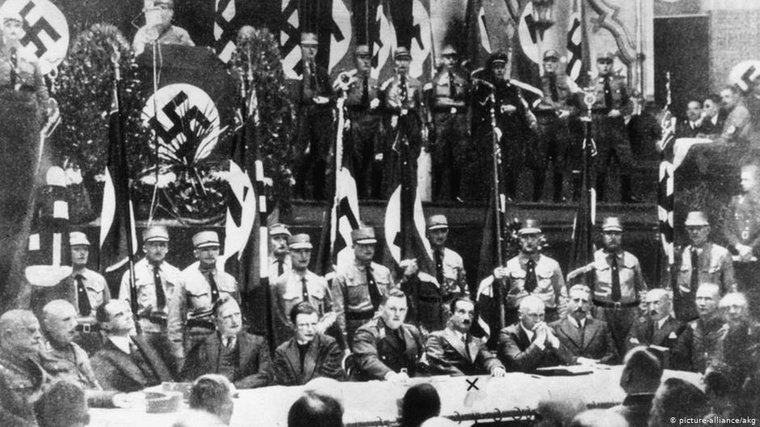
23 June 2020 (openDemocracy)* — On 28 May 2020, Björn Höcke, the leader of Germany’s far-right party Alternative für Deutschland in the state of Thuringia published a glossy picture of himself on his Facebook profile.
On the photo, one can see him sitting on a park bench reading a magazine called Die Kehre (Magazine for the Protection of Nature) a new far-right magazine whose first issue was published in spring 2020.
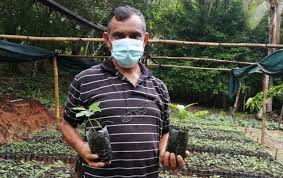
When the COVID-19 pandemic hit, Hector Frias, a Panamanian farmer, had just begun producing coffee plant seedlings. Coffee production had been abandoned for decades in the area. Now that it was just starting up again, Hector couldn’t give up on it. ©FAO
24 June 2020 (FAO)* — They were just getting on their feet when the pandemic hit.
Hector Frias is a Panamanian farmer who heads an association of coffee producers in Los Santos Province, a region in the central part of the country. Unlike other regions in Panama famous for Geisha coffee , this part of the country is not known for coffee production.

– Over the course of his presidency, US President Donald Trump’s racism has become more evident with more leaks of his private remarks, which he has been generally quick to deny, qualify and explain away.

Despite his thinly disguised contempt for women, ‘non-white’ ethnic minorities, and most foreigners, unsurprisingly, he is respectful of power and privilege, especially when they may help him. Trump’s version of ‘kiss up, kick down’.
“Least racist person in the world”
Unsurprisingly, Trump has claimed he is the least racist person in the world. Unsurprisingly too, his record suggests otherwise.
Trump has frequently created controversies with racially charged comments and actions, and was even sued for racial discrimination by the US Justice Department in the 1970s.
Trump won the 2016 presidential election with an ethno-populist agenda featuring racist elements.
Geneva (IOM)* – One of the most neglected protection issues in emergencies is human trafficking. Often viewed as a pre-existing problem and not as a direct consequence of conflict or natural disaster, trafficking remains largely unaddressed during emergencies.
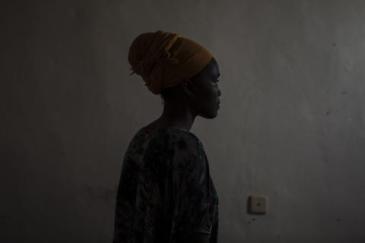
Ethiopian girl at the TAS centre for unaccompanied children IOM/ Mohamed Muse
For traffickers around the world, each disaster signals a sudden availability of potential prey.
The International Organization for Migration (IOM) works in close Partnership with governments and humanitarian partners to address all aspects of counter-trafficking responses – Prevention, Protection, and Prosecution.
(UN News)* — While warring parties agreed to more than 30 action plans, road maps, command orders and other measures to better protect children in 2019 – the highest number in any one year – rape and other forms of sexual violence remain vastly under-reported, including against boys, the leading UN advocate on the issue told the Security Council on 23 June 2020.
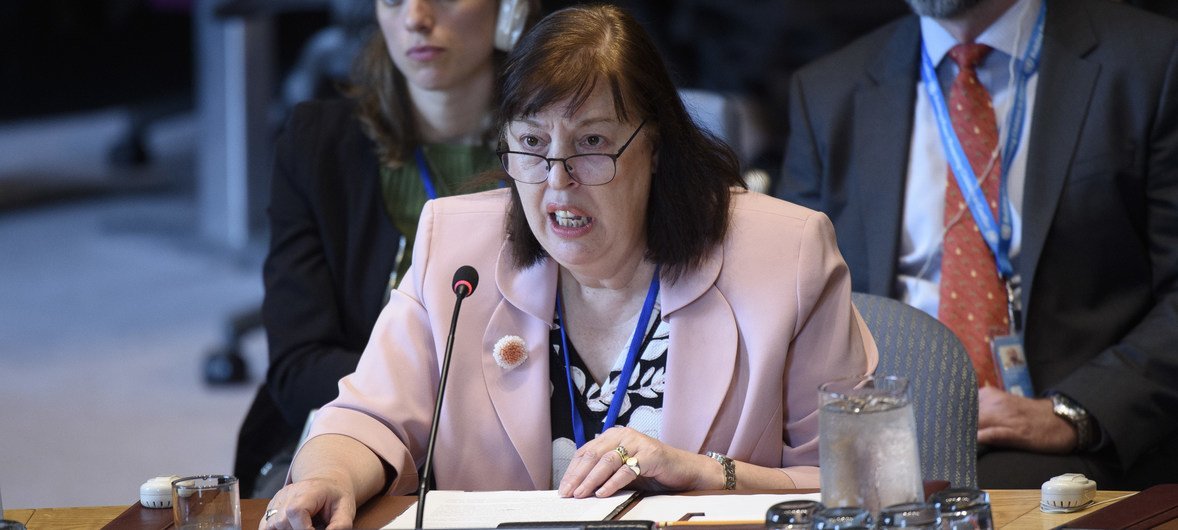
Virginia Gamba, the UN Special Representative on Children and Armed Conflict, blamed “the fear of stigma and retaliation, involvement of powerful perpetrators and lack of services for survivors”, all of which discourage children and their families from reporting violations and seeking justice. Over 730 cases of sexual violence were verified during last year.
(UN News)* — Inclusive education should be a “non-negotiable” right for all children, the head of the UN Educational, Scientific and Cultural Organization (UNESCO) said in a new report launched on 23 June 2020.
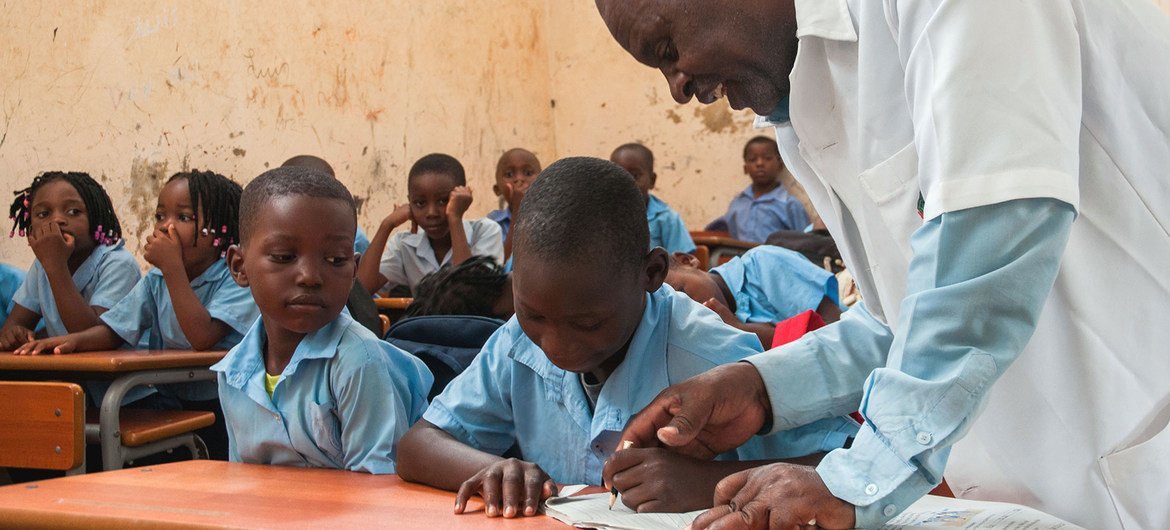
“It has never been more crucial to make education a universal right, and a reality for all”, UNESCO chief Audrey Azoulay said in the report’s foreword.
 HUMAN WRONGS WATCH