12 May 2020 (United Nations)* — Living together in peace is all about accepting differences and having the ability to listen to, recognize, respect and appreciate others, as well as living in a peaceful and united way.
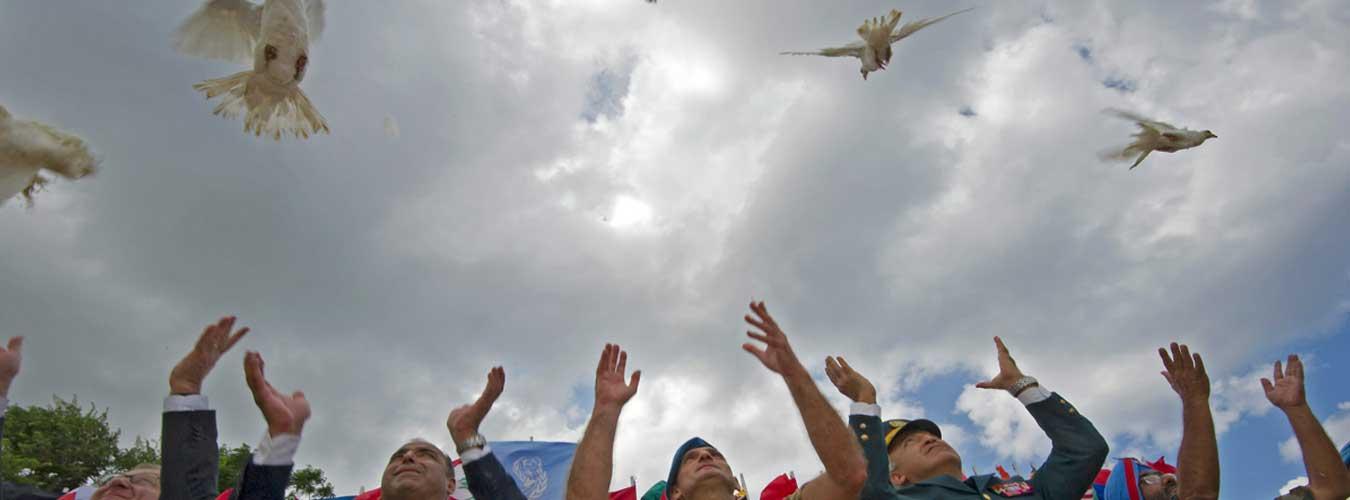
The United Nations Interim Force In Lebanon (UNIFIL) commemorates the International Day of Peace by releasing doves, a symbol of peace. UN Photo/Pasqual Gorriz
.
The UN General-Assembly, in its resolution 72/130, declared 16 May the International Day of Living Together in Peace, as a means of regularly mobilizing the efforts of the international community to promote peace, tolerance, inclusion, understanding and solidarity.
10 May 2020 (Wall Street International)* — The United Nations has designated the 16th of May as a day devoted to Living Together in Peace. It therefore seems appropriate to mark this day by discussing the reasons why war must be eliminated as a human institution.
11 May 2020 (UN Environment)* — Over the past few weeks there have been many reports of localized air quality improvements as the world has locked down to combat the coronavirus pandemic. However, no one should think that the climate crisis is therefore over—far from it.
The most recent data from the United States National Oceanic and Atmospheric Association (NOAA) shows global carbon dioxide (CO2) levels rising sharply.
In April 2020 the average concentration of CO2 in the atmosphere was416.21 parts per million (ppm), the highest since measurements began in Hawaii in 1958.
Furthermore, ice core records indicate that such levels have not been seen in the last 800,000 years.
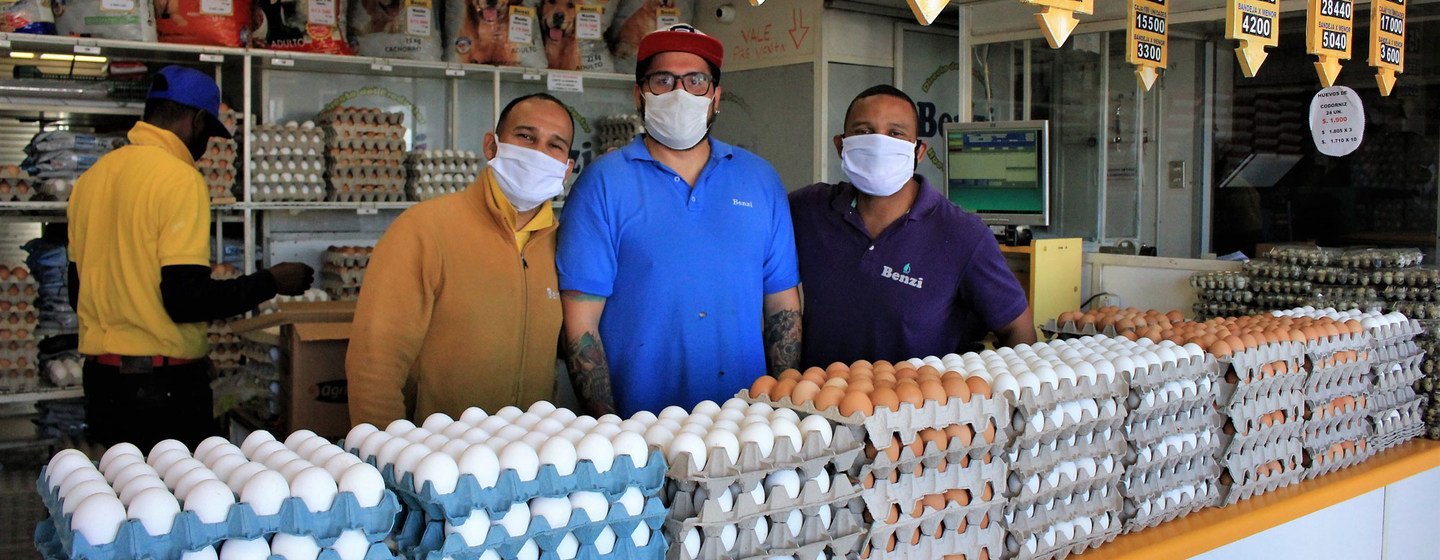
10 May 2020 (UN News)* — The UN food agency, FAO, warns that hunger and fatalities could rise significantly in urban areas, without measures to ensure that poor and vulnerable residents have access to food. In Latin America, cities are finding ways to keep food supplies flowing, despite the current restrictions on movement and supplies.
Several Latin American municipalities have been taking action to minimise the consequences of lockdown measures, and ensure that food systems do not break down, as work dries up.
10 May 2020 (UN News)* — The US island state of Hawaii has committed to generating 100 per cent of its power using renewable energy by 2045, demonstrating to other US states and island communities across the world, that sustainable energy can be a reality.
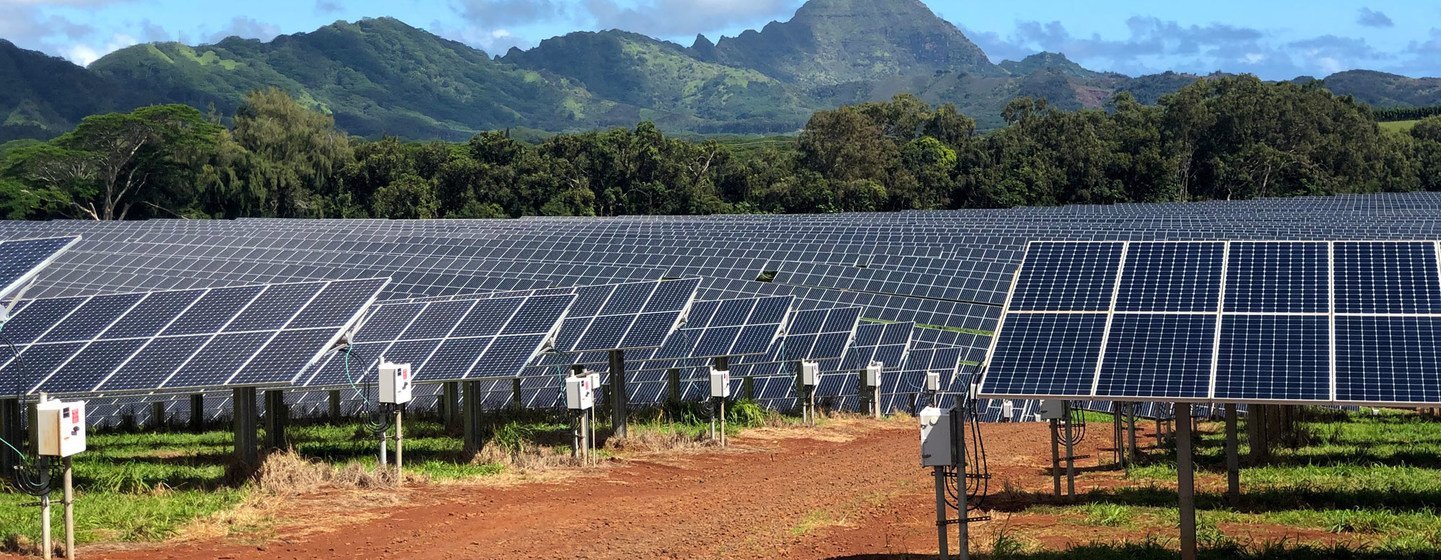
ILO Photo/Kevin Cassidy | The Kauai Island Utility Cooperative solar facility in the US state of Hawaii.
.
UN News travelled to Hawaii with the International Labour Organization (ILO) to talk to a power company executive and a sheep farmer to find out how they are contributing to that goal.
Neatly arranged rows of deep marine blue-coloured photovoltaic panels are lined up on the undulating hills of one of Hawaii’s volcanic islands, creating a sea of solar-energy generation.
Big tech, nationalist politics, and the billionaire class have propelled a novel political economy. What impact will the virus have on this new status quo?
Jan Scheunert/Zuma Press/PA Images
Crisis redux
As the coronavirus and its political combatants hold the world hostage, it is pertinent to scrutinize the (geo) political and economic context within which the pandemic has emerged. Many analyses view neoliberalism as the culprit, having given rise to a dismantling and marketization of public services such as healthcare for which we are now paying the price.
Building back from COVID-19 will be an inter-generational effort. Decisions being taken now about what sectors of our economy to prioritize and what opportunities to seize in the recovery effort may impact the lives of children and youth disproportionately. Securing a healthy, safe future that is more resilient to global threats is fundamental, as this emerging generation of voters and consumers are increasingly aware.
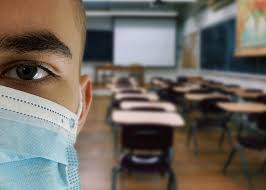
Photo by Alexandra Koch / Pixabay
School programmes moved online. Schedules changed. Routines thrown into turmoil. It is difficult to know what long-term changes COVID-19 will have on the children who are enduring the current pandemic, but something surely is coming. Whether it is shifts in attitude toward society, work or education, the youngest generation will not come out of this the same.
Lockdown measures will worsen poverty and vulnerabilities among the world’s two billion informal economy workers, says the International Labour Organization.
GENEVA, 7 May 2020 (ILO)* – COVID-19 lockdown and containment measures threaten to increase relative poverty levels among the world’s informal economy workers by as much as 56 percentage points in low-income countries, says a new briefing paper issued by the International Labour Organization.
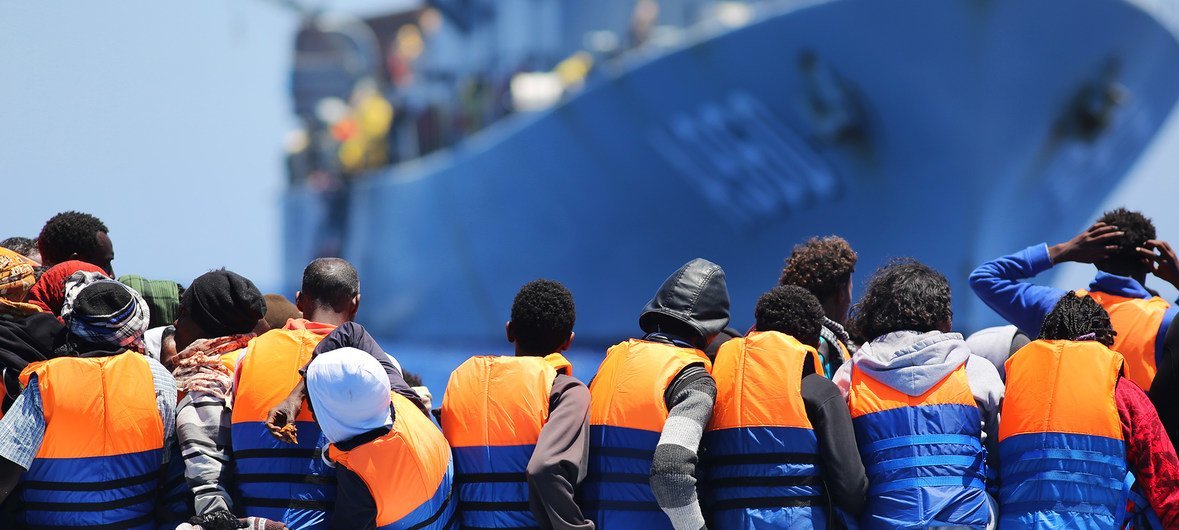
(UN News)* — Restrictions against humanitarians who rescue migrant boats in the central Mediterranean are putting lives at risk and must be lifted immediately, the UN human rights office said on Friday [8 May 2020].
Frontex/Francesco Malavolta | Migrants crossing the Mediterranean Sea are rescued by a Belgian ship (file photo).
The appeal follows reports of failure to assist, and even push back, vessels carrying desperate people in one of the world’s deadliest migration routes, amidst the fears and disruption caused by the coronavirus pandemic.
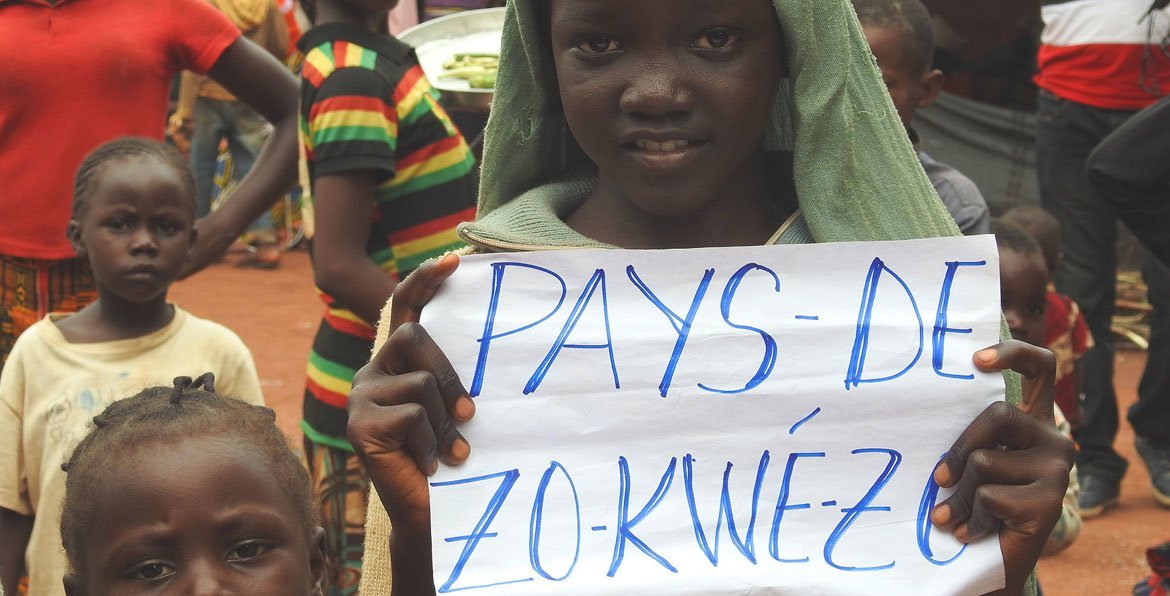
8 May 2020 (UN News)* — UN Secretary-General António Guterres is calling for concerted global action to quash the “tsunami” of hate speech that has risen alongside the COVID-19 pandemic.
OCHA/Yaye Nabo Sène | A young girl holds a sign which says Zo Kwe Zo, Central African Republic’s national motto, meaning all human beings are equal (file photo).
.
“COVID-19 does not care who we are, where we live, what we believe or about any other distinction. We need every ounce of solidarity to tackle it together. Yet the pandemic continues to unleash a tsunami of hate and xenophobia, scapegoating and scare-mongering”, he said.


 HUMAN WRONGS WATCH