1️⃣ The consequences of nuclear weapons are catastrophic.
Nuclear weapons are not like other weapons, they are designed to mass murder civilians, wipe out entire cities and cause irreversible harm to the environment.
First responders like the Red Cross have warned that they would have no capacity to deal with a nuclear detonation, and if the conflict were to escalate into nuclear war, recent studies show over 5 billion people could die from the famine that follows.
(Stockholm) — World military expenditure reached $2718 billion in 2024, an increase of 9.4 per cent in real terms from 2023 and the steepest year-on-year rise since at least the end of the cold war.
.
Photo: Shutterstock
Military spending increased in all world regions, with particularly rapid growth in both Europe and the Middle East.
(UN News)* — The 78th World Health Assembly opened on 19 May 2025 with a broad appeal to global solidarity, as delegates from around the world gather in Geneva to confront mounting health, climate, and financial challenges – and finalise a global treaty to head off the next pandemic.
Pest-infected plants can trigger a cascade of negative effects on food supplies and induce outbreaks of zoonotic diseases…
.
.
Plant health is the foundation of food security and is interconnected with human, animal and environmental health. Healthy plants provide nutrient-rich diets for humans and animals and help promote a balanced ecosystem.
Pest-infected plants can trigger a cascade of negative effects on food supplies and induce outbreaks of zoonotic diseases transmitted through harmful pathogens.
In 2024, over 295 million people across 53 countries and territories faced acute hunger—an increase of almost 14 million people compared to 2023, while the number of people facing catastrophic levels of hunger reached a record high.
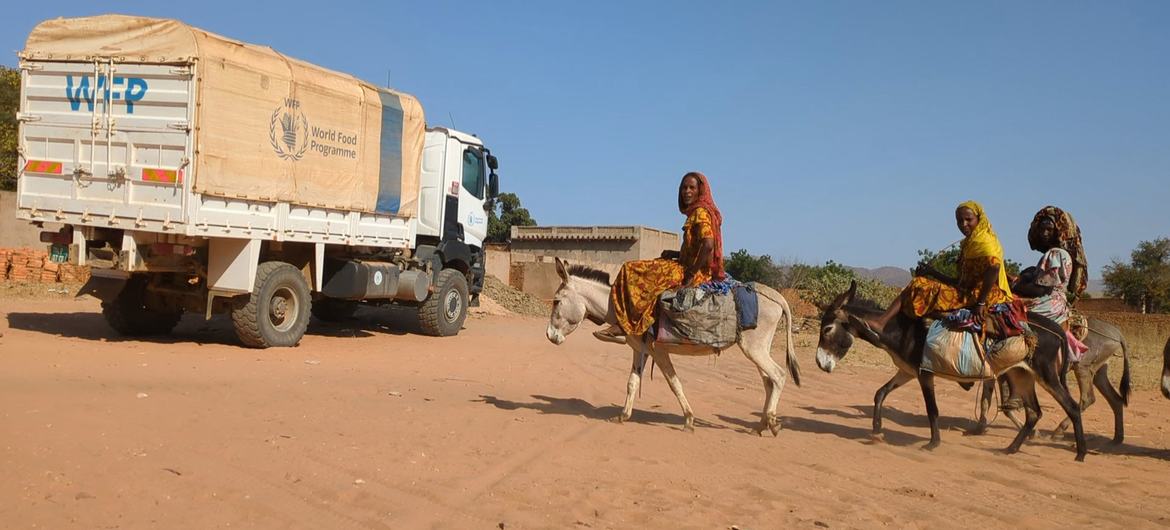
Geneva/New York/Rome/Washington (FAO)* –Acute food insecurity and child malnutrition rose for the sixth consecutive year in 2024, pushing millions of people to the brink, in some of the world’s most vulnerable regions, according to the Global Report on Food Crises (GRFC), released on 16 May 2025.
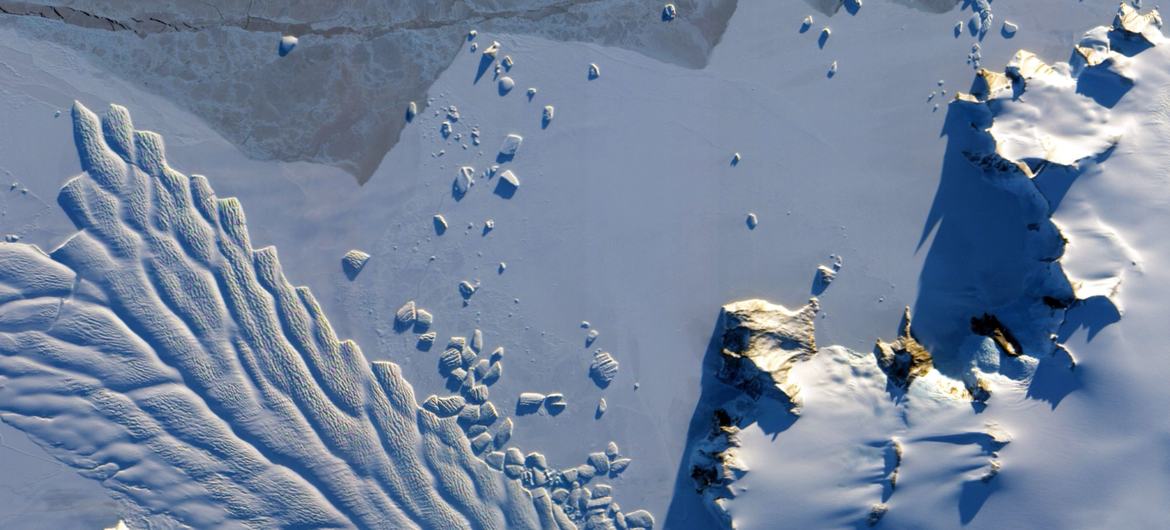
(UN News)* —Glaciers in many regions will not survive the 21st century if they keep melting at the current rate, potentially jeopardising hundreds of millions of people living downstream, UN climate experts said on the first World Day for Glaciers.
Together with ice sheets in Greenland and Antarctica, glaciers lock up about 70 per cent of the world’s freshwater reserves. They are striking indicators of climate change as they typically remain about the same size in a stable climate.
But, with rising temperatures and global warming triggered by human-induced climate change, they are melting at unprecedented speed, said Sulagna Mishra, a scientific officer at the World Meteorological Organization (WMO).
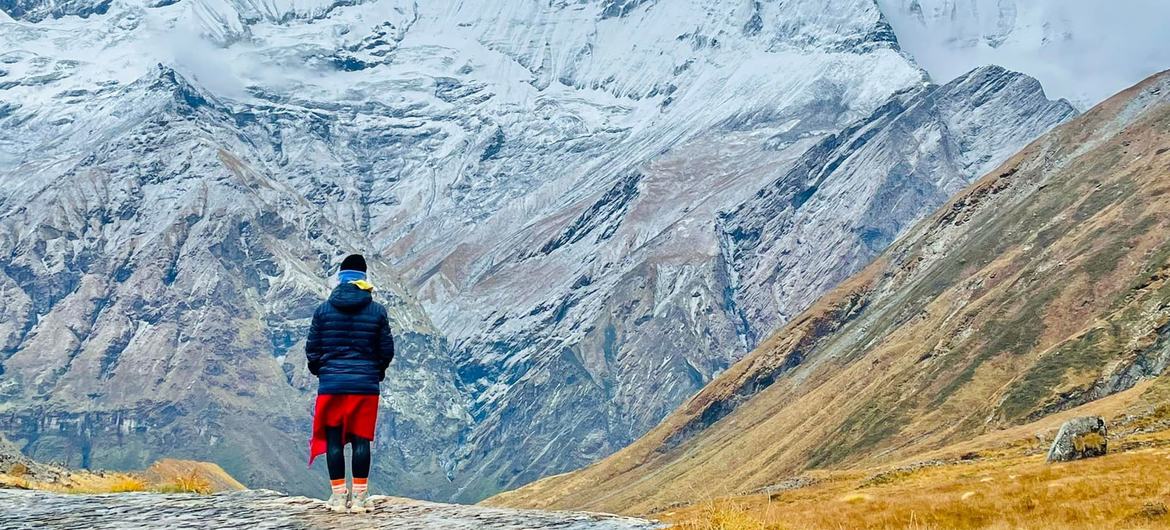
(UN News)* — The United Nations Secretary-General warned on Friday [] that Himalayan glaciers are “caving in,” urging immediate action to address the climate crisis, especially in the world’s most fragile ecosystems.
UN News/Vibhu Mishra | Mountains in Nepal’s Annapurna range, where glaciers are retreating and snow lines are rising due to climate change.
António Guterres issued the warning in a video message to the inaugural Sagarmatha Sambaad, or “Everest Dialogue,” convened by the Government of Nepal in Kathmandu.
“Record temperatures have meant record glacier melt,” he said.
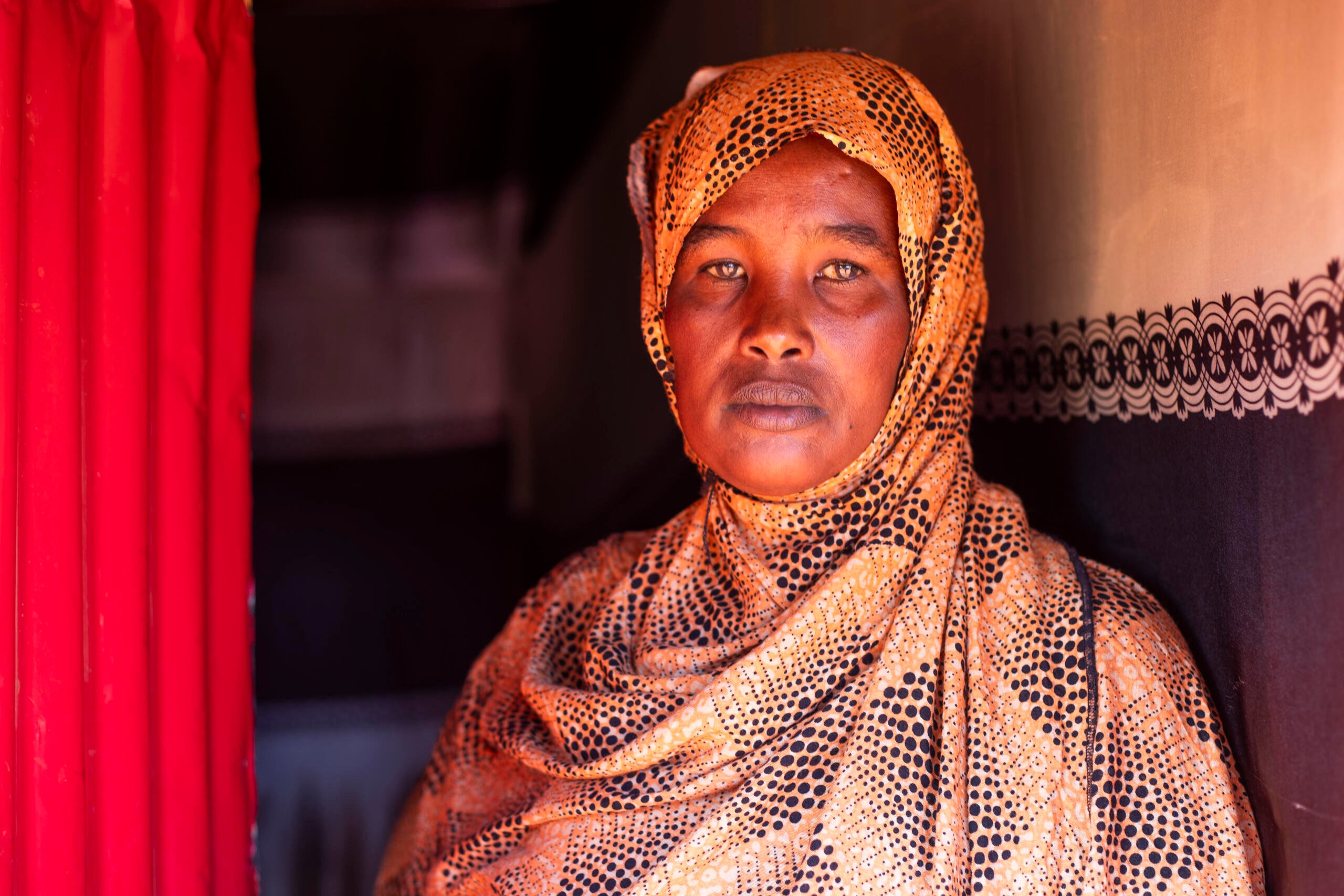
14 May 2025 — When we think about displacement, many of us picture refugees crossing borders in search of safety. But displacement can also happen within one’s own country. There are millions of internally displaced people (IDPs) in the world, yet their stories often remain untold.
Nurto and thousands of other animal herders had their livelihood destroyed by recurring droughts in Somalia. With her livestock decimated, she was forced to flee her home in search of support and a better life. Photo: Abdulkadir Mohamed/NRC
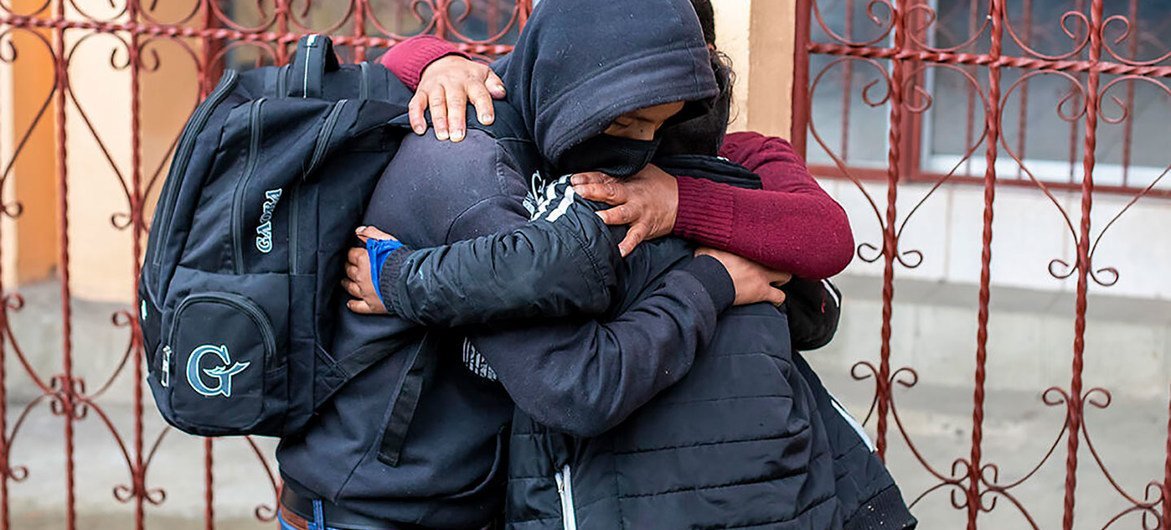
(UN News)* — The UN Human Rights High Commissioner Volker Türk has voiced concern over the recent deportation of large numbers of non-nationals from the United States, particularly to third countries.
(Beirut) – Scores of migrant workers in Saudi Arabia die in gruesome yet avoidable workplace-related accidents, including falling from buildings, electrocution, and even decapitation, Human Rights Watch said on 14 May 2025.



-for-the-idph-website_110ce078c4af444dd9594a7ab76ad8387.jpg?sfvrsn=fd3a43d6_0 "3_WEB BANNER (WITHOUT THE SAVE THE DATE) FOR THE IDPH WEBSITE_")

 HUMAN WRONGS WATCH