(UN News)* — A wide-ranging UN climate report, released on Tuesday [10 March 2020], shows that climate change is having a major effect on all aspects of the environment, as well as on the health and wellbeing of the global population.
WMO Video screen shot | An unusually early and exceptionally intense heatwave has set new temperature records in Europe, posing a major threat to people’s health, agriculture and the environment.
Downside scenario sees a $2 trillion shortfall in global income. UNCTAD calls for coordinated policymaking to prevent a global economic meltdown.
.
9 March 2020 (UNCTAD)* — The spread of the coronavirus is first and foremost a public health emergency, but it’s also a significant economic threat. The COVID-19 shock will cause a recession in some countries and depress global annual growth this year to below 2.5%, the recessionary threshold for the world economy.
Young people face an uncertain future in the labour market because of automation, the narrow focus of much vocational training and the lack of jobs to match their qualifications, says a new ILO report.
GENEVA, 9 March 2020 (ILO)* – The number of young people currently not in employment, education or training (NEET) is rising, and young women are more than twice as likely as their male counterparts to be affected, according to a new International Labour Organization (ILO) report.
5 March 2020 (WMO)* — The past winter was by far the warmest on record for Europe, according to the Copernicus Climate Change Service/ECMWF. It was the second warmest February, both globally and for Europe.
From December 2019 to February 2020, there was persistent mild weather over Europe, particularly in the north and east. The average temperature was almost 1.4°C higher than that of the previous warmest winter, 2015/16 (when there was a strong El Niño) and 3.4ºC above the 1981-2010 norm.
FAO calls for $900 million to support the livelihoods of 43 million people facing acute hunger
Vaccinating a beneficiary’s cow in an area supported by FAO in Alzaydiah, Yemen.
ROME, 9 March 2020 (FAO)* — While global attention has focused on the swarms of Desert Locusts attacking crops in East Africa, a number of other countries and regions are also confronting serious food security threats and require support, according to the Food and Agriculture Organization.
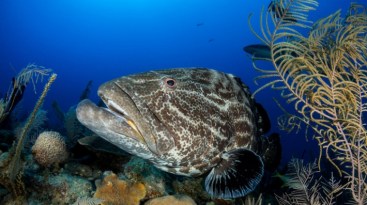
5 March 200 (UN Enviroment)* — Did you know that coral reefs provide a home that supports more than a quarter of all marine life? Corals are much more than just beautiful to watch. They provide important ecosystem services to people and planet. Yet they are under threat of near extinction if we don’t act now. For 2020’s #WorldWildLifeDay, the United Nations Environment Programme created special materials to call attention to the role corals play for climate action.
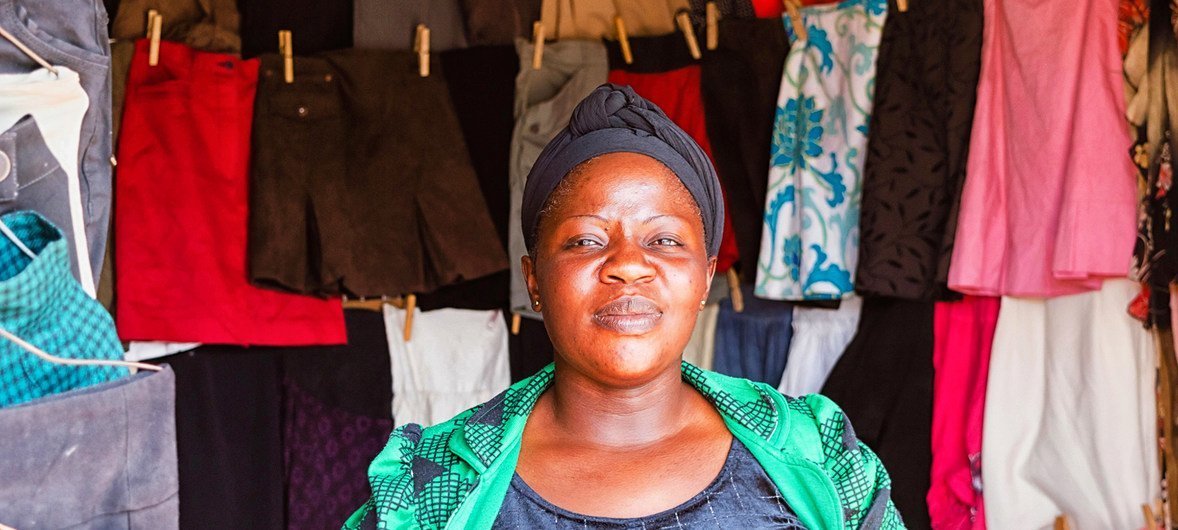
(UN News)* — Despite decades of progress in closing the gender equality gap, close to nine out of 10 men and women around the world, hold some sort of bias against women, according to new findings published on Thursday [5 March 2020] from the UN Development Programmme (UNDP).
UNCTAD |Women traders in Tanzania have helped to boost growth rate but still face inequality
.
The first UNDP Gender Social Norms Index analyzed data from 75 countries, which are collectively home to more than 80 per cent of the global population, and found new clues to the invisible barriers women face in achieving equality – potentially forging a path forward to breaking through the so-called “glass ceiling”.
4 March 2020 (UN Environment)* — Climate change and ecological degradation are threatening the health and future of children in every country, and every country in the world is failing to shield children from these threats, according to the findings of a recent landmark report released by a Lancet Commission of over 40 child and adolescent health experts from around the world. The Commission was convened by the World Health Organization, the United Nations Children’s Fund and The Lancet.
SYDNEY and KUALA LUMPUR, Mar 4 2020 (IPS)* – As the outbreak of the novel coronavirus COVID-19 threatens a global pandemic, major stock markets around the world have suffered their worst performance since the 2008 financial crush.
Growth disruption
The OECD has warned that the coronavirus outbreak could halve global economic growth this year to 1.5%, the slowest rate since 2009. It has cut its 2020 growth forecast for China to a 30-year low of 4.9%, down from 5.7% in November.
The IMF downgraded its growth forecast for China to 5.6% in 2020, its lowest since 1990. Economists, polled by Reuters during 7-13 February, expected China’s economic growth to slump to 4.5% in the first quarter of 2020, down from 6% in the previous quarter, the slowest since the financial crisis.
Meanwhile, China’s manufacturing sector tumbled in February, as many factories remained closed after the annual lunar new year break. The Manufacturing Purchasing Managers Index (PMI), a widely used measure of factory activity, plunged to a record low in February, reflecting the sharp contraction.
FAO report highlights risks posed by locusts in Africa amid stronger output trends in the Near East and Asia.
Farmers in Tanzania.
.
ROME, 5 March 2020 (FAO)* – The effects of inadequate rainfall on agricultural production added two countries – Namibia and Tanzania – to FAO’s list of countries in need of external assistance for food, adding to strains triggered by desert locusts even as global cereal production appears strong, according to FAO’s quarterly Crop Prospects and Food Situation report, released today [5 March 2020].





 HUMAN WRONGS WATCH