27 December 2019 — Cutting child mortality by a third in Brazil, reaching carbon neutrality in Finland and redirecting trillions of dollars of investment to funds that promote sustainability: these are some examples of initiatives from governments, civil society and the private sector, designed to speed up the UN’s goal of achieving a fairer society for all. (*).
.
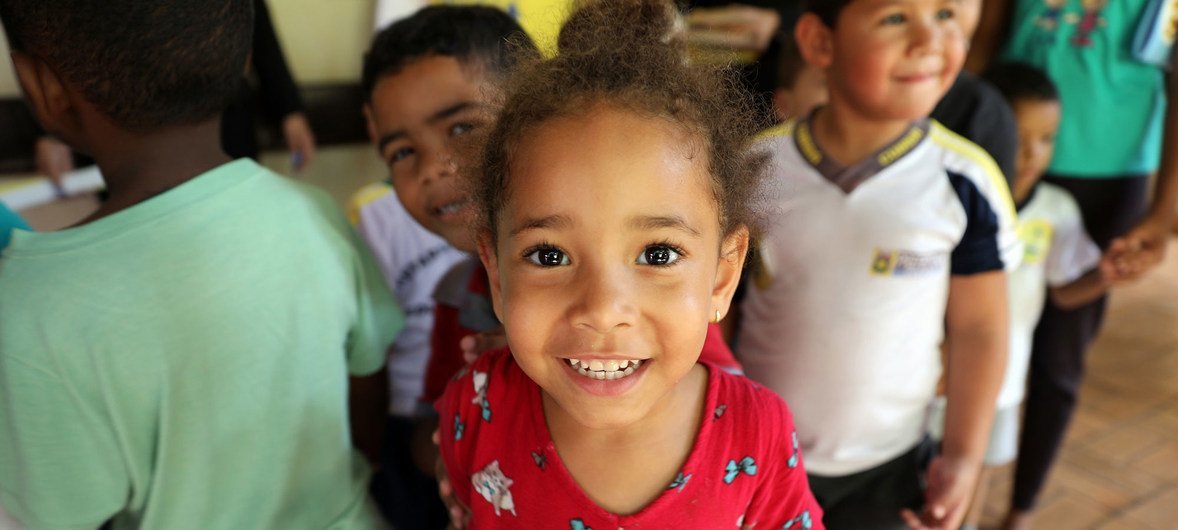
PAHO | The Pan American Health Organization (PAHO) launches Vaccination Week in the Americas in Brazil, urging countries in the region to unite to end measles.
26 December 2019 (UN Environment)* — Did you know that some tree species can only be germinated through the belly of an elephant? That’s just one example of how plants and animals (including humans) are intricately connected and cannot survive without all the bacteria and fungi that make for the heathy soils that plants need to prosper.
26 December 2019 (Wall Street International)* — There are so many things wrong with Donald Trump that one hardly knows where to begin. He is a racist, habitual liar, tax evader, cruel cager of infants, misogynist, narcissist, bully, violator of numerous laws, both national and international, a friend of rich oligarchs and enemy of the poor, to mention only a few of his faults. He has made the United States resemble Germany, Italy or Spain in the 1930s, when fascism was on the rise.
27 December 2019 (UN Environment)* — Studies have identified charcoal production as one of the main drivers of deforestation and forest degradation in Zambia. The traditional methods of making charcoal lead to high carbon emissions and are a waste of wood resources.
.
Photo by UN-REDD Programme
“Of course, I would prefer not making charcoal. It’s bad for my health, but it’s also harmful to the women who are using it to cook and it destroys the forest,” says one of the members of the Choma Charcoal Association in Zambia.
25 December 2019 — The International Labour Organization (ILO) is marking its centenary in 2019 and as part of the commemoration has launched a photography project called “Dignity at Work: The American Experience” to document the working life of people across the United States. UN News joined the ILO on a visit to the southern US state of Louisiana. (*).
ILO Photo/John Isaac | New Orleans-based Kai Bussant repairs and refurbishes hats.
Kai Bussant is a fashion designer and milliner in New Orleans. She refurbishes hats at the Goorin Bros store. She has multiple jobs including styling and tailoring, and is about to launch her own fashion brand. She sold her first piece of clothing when she was at elementary school.
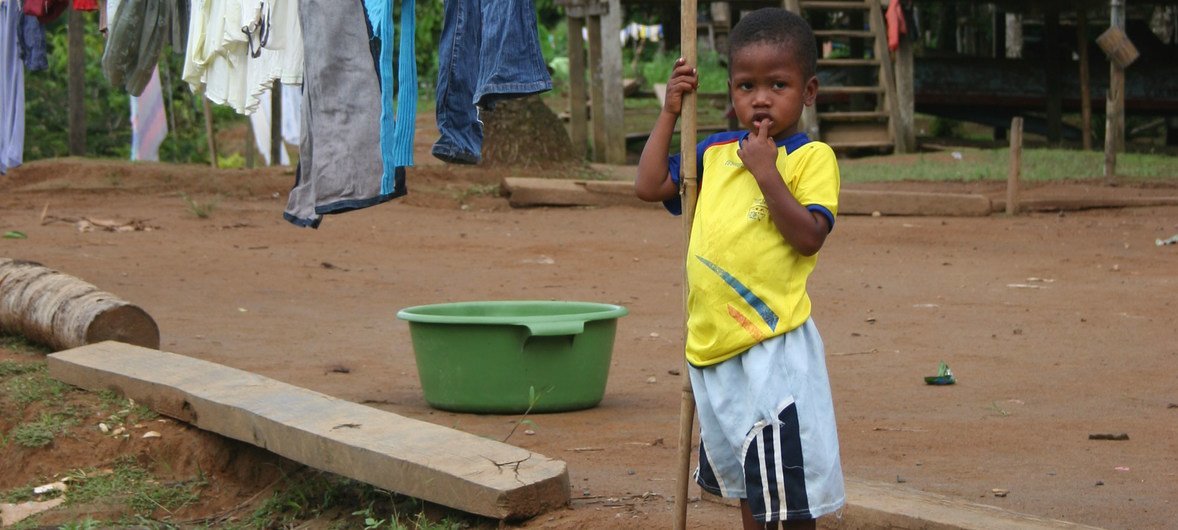
Ecuador must implement and enforce laws and policies to protect the rights of Afro-Ecuadorians, the UN Working Group on People of African Descent said on Monday [23 December 2019], calling for an end to the “discrimination, exclusion and extreme poverty they suffer.”(*).
23 December 2019 (Wall Street International)* — It had been a hard day. Actually, it has been hard from the very beginning of the political season. All started, thought the Irish judge Bill O’Connor, the day in which the Senate accepted to discuss the term “sentient” for the new generation of sentient robots.
Judge Bill, at the head of his conservative party, had made a fierce fight against such an idea, claiming that the term “sentient” was fuzzy and deprived of scientific value-and certainly not applicable to machines.
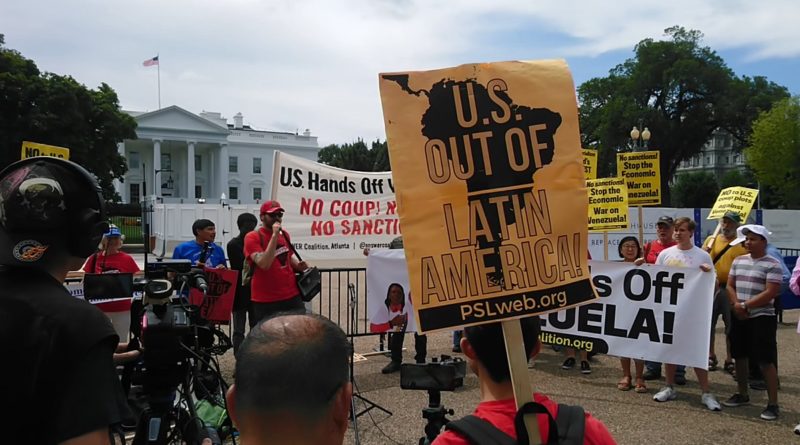
A year ago, John Bolton, Trump’s short-lived national security advisor, invoked the 1823 Monroe Doctrine making explicit what has long been painfully implicit: the dominions south of the Rio Grande are the empire’s “backyard.”
(Greenpeace International)* — Like many ecologists, every week I read announcements about a new “game changing” technology that promises to turn our ecological crisis around. The game rarely changes.
Governments and corporations cling to the belief that the world economy can grow forever, even as resources are depleted and carbon emissions keep increasing.
23 December 2019 (UN Environment)* — Over the last few months, the scientific community has repeatedly sounded the alarm on biodiversity breakdown and the climate emergency. Scientists and most governments agree that the world is facing an unprecedented environmental crisis with huge numbers of species on the brink of extinction and global temperatures continuing to rise.
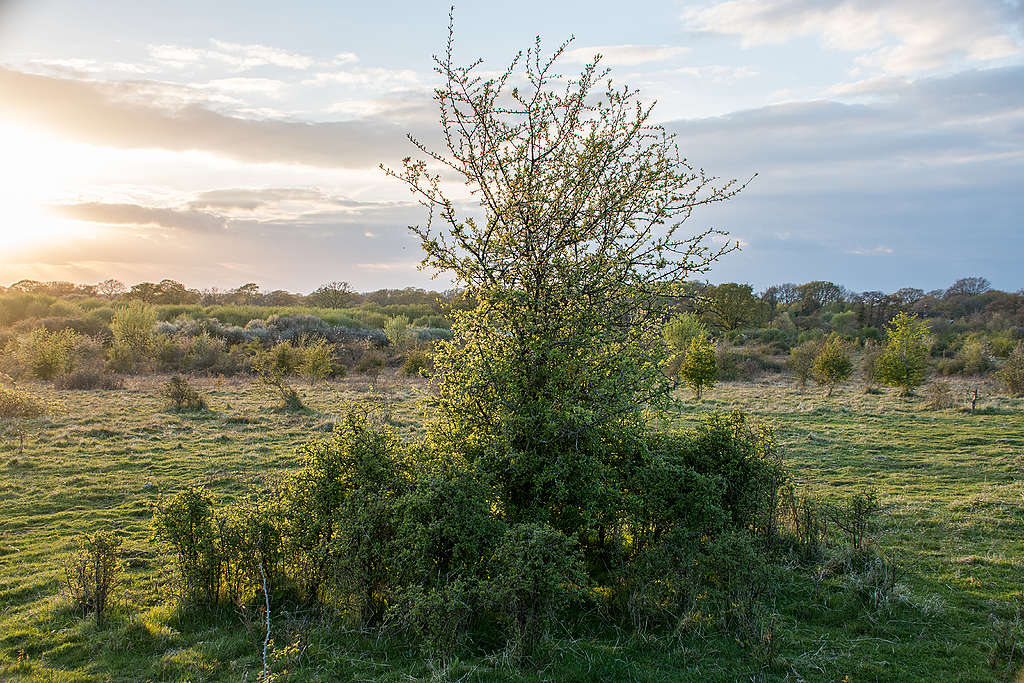
Photo by Geoffroy Mauvais/IUCN
Nature-based solutions offer the best way to achieve human well-being, address climate change and protect the planet. Yet nature is in crisis, as we are losing species at a rate 1,000 times greater than at any other time in recorded human history.






 HUMAN WRONGS WATCH