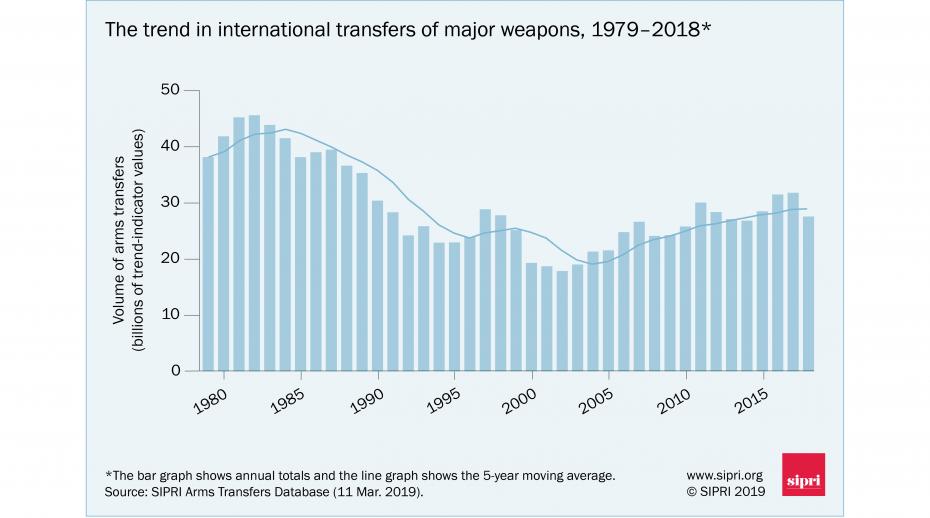
Stockholm — The volume of international transfers of major arms in 2014–18 was 7.8 per cent higher than in 2009–13 and 23 per cent higher than in 2004–2008, according to new data on arms transfers published today [11 March 2019] by the Stockholm International Peace Research Institute (SIPRI).*
The trend in international transfers of major weapons, 1979—2018. Data and graphic: SIPRI
The five largest exporters in 2014–18 were the United States, Russia, France, Germany and China. Together, they accounted for 75 per cent of the total volume of arms exports in 2014–18. The flow of arms increased to the Middle East between 2009–13 and 2014–18, while there was a decrease in flows to all other regions.
Impoverished people living in numerous countries today would stand a far better chance of survival, and risk far less trauma, if weapon manufacturers such as Lockheed Martin, Boeing, General Dynamics, and Raytheon stopped manufacturing and selling death-dealing products.
Family visit, Kabul. Credit: Dr. Hakim
About three decades ago, I taught writing at one of Chicago’s alternative high schools. It’s easy to recall some of their stories—fast-paced, dramatic, sometimes tender. I would beg my students to three-hole-punch each essay or poem and leave it in a binder on our classroom shelf, anxious not to lose the documentation of their talents and ideas.
The size of the global chemical industry exceeded US$5 trillion in 2017 and is projected to double by 2030.
The benefits of action to minimize the adverse impacts of chemicals have been estimated in the high tens of billions of United States dollars annually.
International treaties and voluntary instruments have reduced the risks of some chemicals and wastes, but progress has been uneven and implementation gaps remain.
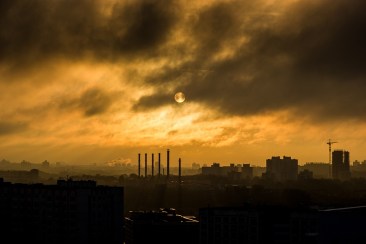
Nairobi, 11 March 2019 (UN Environment)*– Countries will not meet the internationally agreed goal to minimize the adverse impacts of chemicals and waste by 2020, meaning that urgent action is required to reduce further damage to human health and economies, according to a UN report released today [11 March 2019].
Resource extraction has more than tripled since 1970, including a fivefold increase in the use of non-metallic minerals and a 45 per cent increase in fossil fuel use
By 2060, global material use could double to 190 billion tonnes (from 92 billion), while greenhouse gas emissions could increase by 43 per cent
The extraction and processing of materials, fuels and food contribute half of total global greenhouse gas emissions and over 90 per cent of biodiversity loss and water stress
Nairobi, 12 March 2019 (UN Environment)*– Rapid growth in extraction of materials is the chief culprit in climate change and biodiversity loss – a challenge that will only worsen unless the world urgently undertakes a systemic reform of resource use, according to a report released at the UN Environment Assembly.
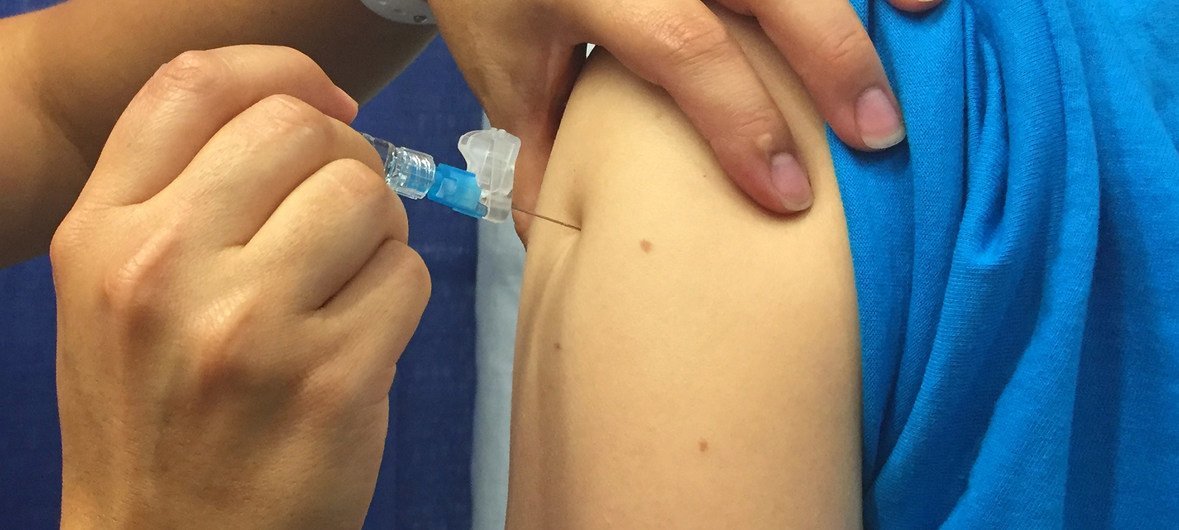
A new UN-led plan has been unveiled to tackle the estimated one billion cases of influenza which occur each year, and protect against the “real” threat of a global pandemic, the head of the organization’s health agency said on Monday [11 March 2019].
National Institute of Allergy and Infectious Diseases, NIH | A seasonal flu shot being administered. The World Health Organization (WHO) unveiled a new global strategy to head of the “real” threat of pandemic on 11 March, 2019.
(Greenpeace International)*— Some have spent months in the depths of the Amazon to make sure Indigenous voices reach the mainstream. They’ve gripped their cameras on long boat rides to document a disaster that needs to make headlines. And others have gone to the bottom of a coal mine, combatted polar temperatures, or swam with sharks to capture photos that will help protect our planet.
.With a camera in one hand and an eagle eye on the world, documenting this pale blue dot we call home is no easy task. But these photographers are telling the stories of their own communities, breaking the silence about underreported crises, and are determined to compel the world to action through image.
10 March 2019 (Wall Street International)* — Lady Liberty has gotten herself into a huge mess. She has been in problematic relationships before, but nothing like this. Donald Trump has been so blatantly abusive to her that it has become almost impossible not to see it. As a psychologist working with trauma, I have seen this kind of relationship too many times to ignore it.
As a suitor, Mr. Trump began his pursuit with typical sociopathic trickery, with lies and deception. Many women have been taken in by this kind of performance and so were many Americans. His early presentation is as someone who just wants the best for her, but that is all smoke and mirrors.
11 March 2019 (UN Environment)* — If you’re sweltering in Delhi or shivering in Detroit and want affordable, environmentally friendly cooling or heating, district energy may be your best bet.
Photo by Foster and Partners | Photo from UN Environment.
A district energy system is a network of pipes that heat and cool buildings across a neighbourhood or entire city. Modern district energy systems connect renewables, waste heat, thermal storage, power grids, thermal grids and heat pumps—delivering up to 50 per cent less primary energy consumption for heating and cooling.
Visionary cities and countries have been able to decarbonize heating and cooling and achieve high efficiency, renewable energy, and CO2targets with modern district energy.
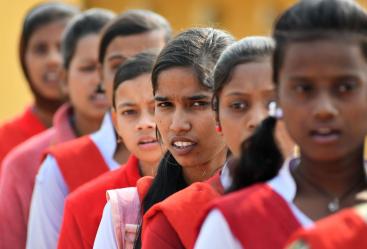
“As my daughters are getting educated, they don’t have to depend on others”
UNICEF India/2019/ RanjanRah
BIHAR, India, 8 March 2019(UNICEF)* -– Imagine. You are a parent of four and you live in Bihar, one of the lowest income states in East India. As a child, you were lucky enough to go to school. But your family could not afford to keep you learning, so you were married off in your teens and dropped out.
Now, imagine. Your daughter’s future looks dramatically different than yours as a child. She has a brilliant opportunity ahead of her. She can complete her studies and pursue higher education. She gets a chance you never got: choosing what she wants in life.





 HUMAN WRONGS WATCH