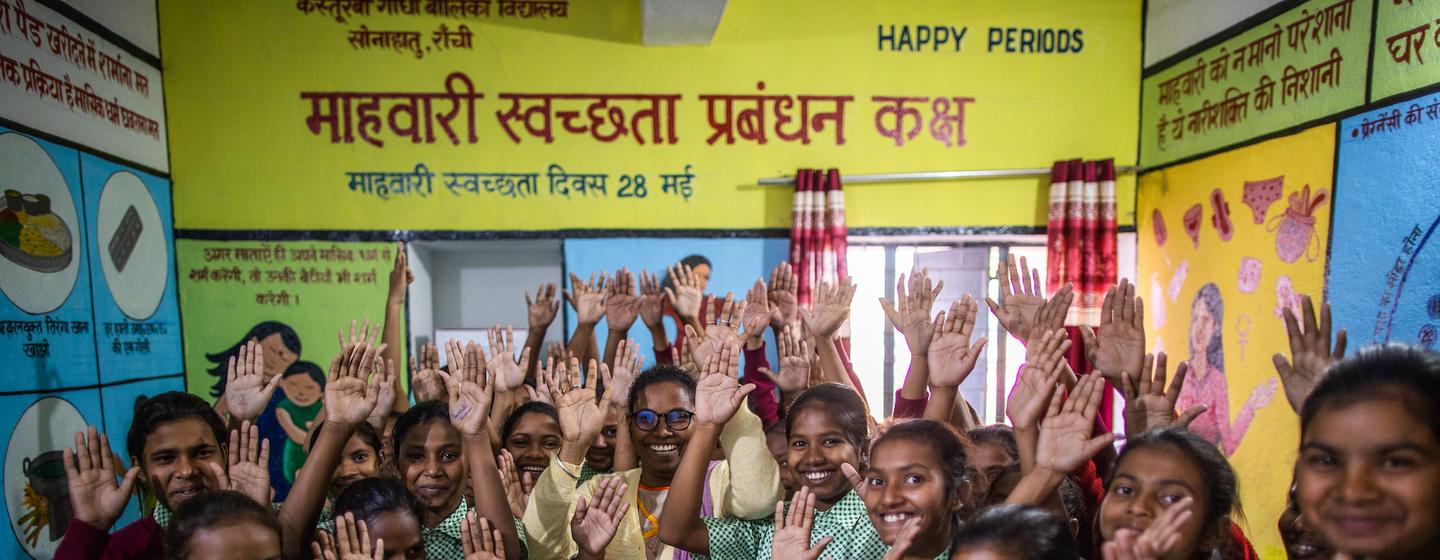
()* —Every month, nearly two billion women and girls menstruate, but during times of war and climate disasters, from the conflict in Gaza to the devastation caused by Cyclone Remal in Asia, UN humanitarian teams rush to serve affected communities, providing critical aid, which includes dignity kits.
.
UNICEF/Prashanth Vishwanathan | A teacher in India leads an awareness class about menstrual and general hygiene to her students. (file)
What exactly is a dignity kit? On the heels of Menstrual Hygiene Day, marked annually on 28 May, here are five fast facts:
Jun 20 2024 (IPS)** — This year, bee pollen has become a trendy superfood thanks to a wide range of potential benefits. Last year, sea moss led the superfood trends. Before that, it was turmeric.
.
We need help illuminating the dark matter in food and charting the intricate interplay between food, ecosystems, climate and health, argue the authors. Credit: Shutterstock.
Invariably, these newly celebrated superfoods are never new; they have long been consumed by non-Western cultures.
For the fifth time since 2008, Russia has proposed to negotiate with the U.S. over security arrangements, this time in proposals made by President Vladimir Putin on June 14, 2024.
Four previous times, the U.S. rejected the offer of negotiations in favor of a neocon strategy to weaken or dismember Russia through war and covert operations.
The U.S. neocon tactics have failed disastrously, devastating Ukraine in the process, and endangering the whole world. After all the warmongering, it’s time for Biden to open negotiations for peace with Russia.
Since the end of the Cold War, the U.S. grand strategy has been to weaken Russia. As early as 1992, then Defense Secretary Richard Cheney opined that following the 1991 demise of the Soviet Union, Russia too should be dismembered.
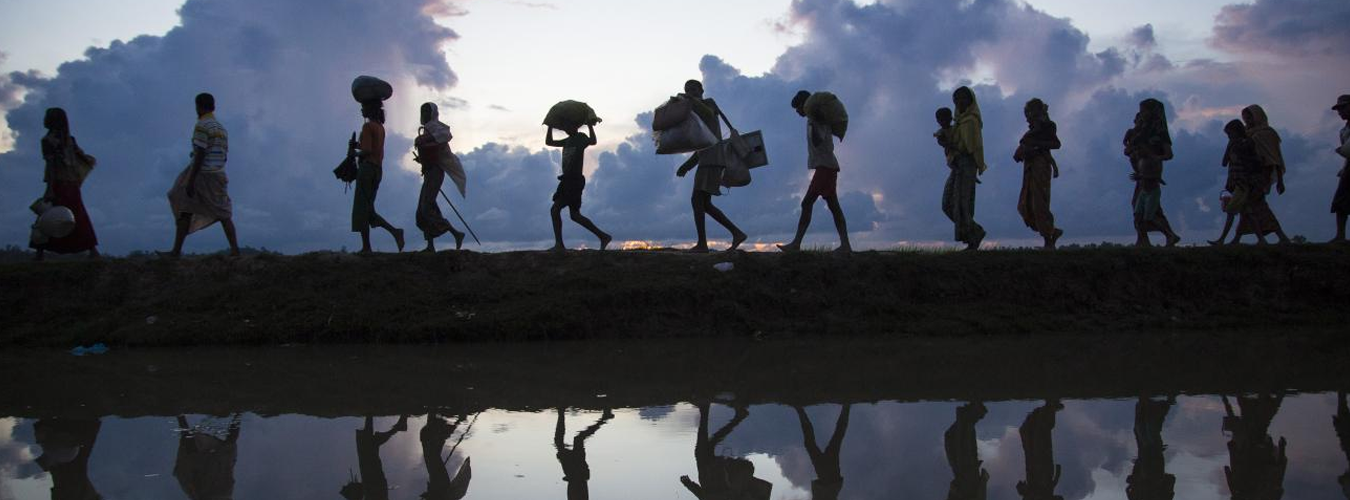
(UN News)* —“Conflict, climate chaos and upheaval” have forced more than 120 million people from their homes including 43.5 million who have fled across national borders said the UN Secretary-General in his message for World Refugee Day, marked on Thursday [20 ].
That’s a record number on the move – “fuelling profound human suffering”, António Guterres added, while at the same time honouring their strength and courage.
Drawing attention to the day each 20 June, is also about stepping up efforts to protect and support those forced from their homes “on every stop of their journey.”
(United Nations)* — Refugees need our solidarity now more than ever. Solidarity means keeping our doors open, celebrating their strengths and achievements, and reflecting on the challenges they face.
Solidarity with people forced to flee also means finding solutions to their plight – ending conflicts so they can return home in safety, ensuring they have opportunities to thrive in the communities that have welcomed them, and providing countries with the resources they need to include and support refugees.
Mario Lubetkin is FAO Assistant Director-General and FAO Regional Representative for Latin America and the Caribbean
The escalation of violence and multiple crises worsen Haiti’s acute food insecurity. Credit: Justine Texier / FAO
SANTIAGO, Jun 20 2024 (IPS)* – Although the most recent evidence shows signs of improvement in food insecurity in Latin America and the Caribbean, the data reveal a worrying upward trend in Haiti and sectors of the subregion.
The situation in Haiti is particularly alarming: violence, a prolonged economic crisis, and extreme weather events have brought the country to a critical point with devastating consequences for its population. A further deterioration in acute food insecurity is projected between June and October 2024.
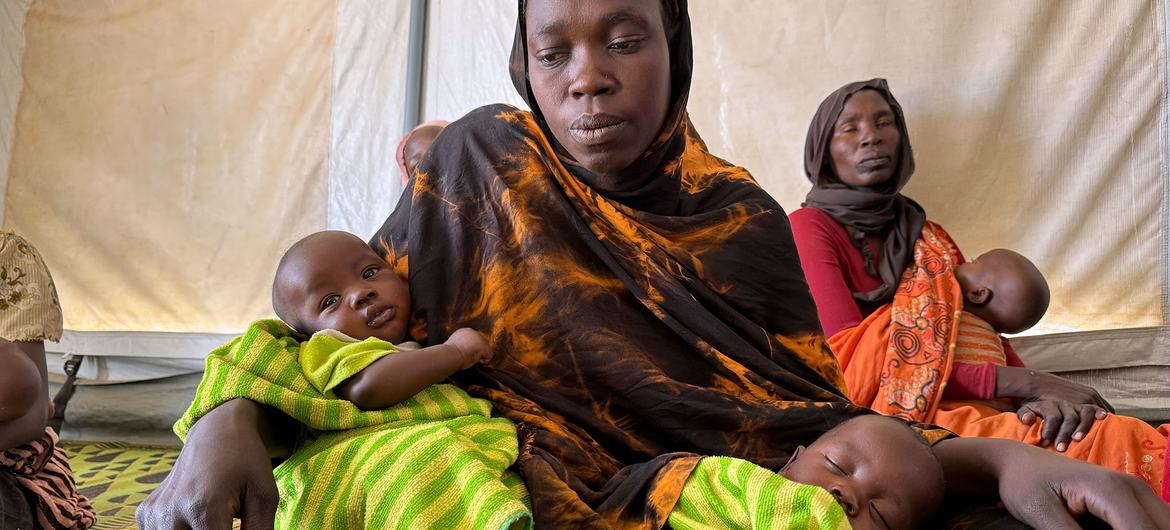
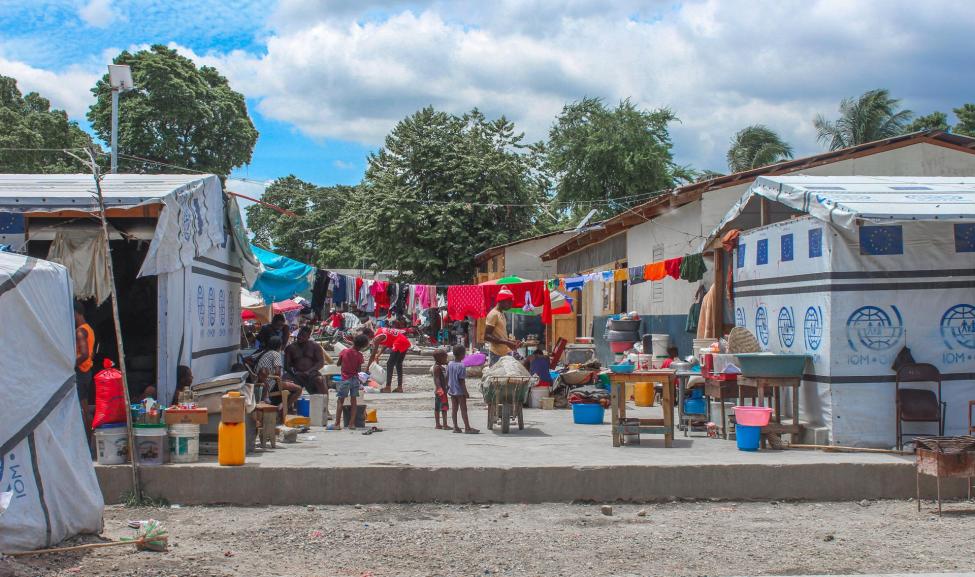
Geneva/ Port-au-Prince, 18 June 2024 (IOM)* – Nearly 580,000 people are internally displaced across Haiti, a 60 per cent increase since March, according to the latest data from the International Organization for Migration (IOM) in the country.
.
.
.
.
.
.
.
“The figures we see today are a direct consequence of years of spiraling violence – that reached a new high in February – and its catastrophic humanitarian impact,” said Philippe Branchat, head of the IOM in Haiti.
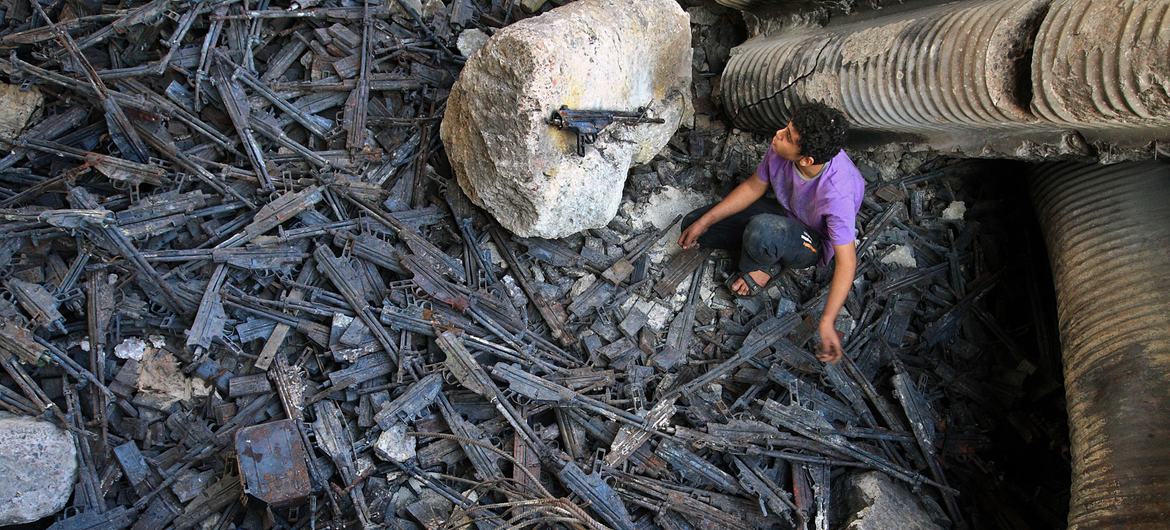
Delivering remarks in New York on behalf of the Secretary-General at a meeting aimed at eradicating the illicit trade in small arms, Izumi Nakamitsu, the head of the UN Office of Disarmament Affairs, warned on Tuesday [] that military expenditures continue to rise across the globe.
New conflicts are placing millions of people in the line of fire, and small arms and light weapons play a major role in these conflicts, she said.
KUALA LUMPUR, Malaysia, Jun 17 2024 (IPS)* –Since 2008, farmland acquisitions have doubled prices worldwide, squeezing family farmers and other poor rural communities. Such land grabs are worsening inequality, poverty, and food insecurity.
Squeezing land and farmers
A new IPES-Food report highlights land grabs (including for ostensibly ‘green’ purposes), the financial means used, and some significant implications.
Jomo Kwame Sundaram
Powerful governments, financiers, speculators, and agribusinesses are opportunistically gaining control of more cultivable land.
The report notes the 2007-08 food price spike and financial crash catalysed more land acquisitions.
Quantitative easing and financialization after the 2008 global financial crisis enabled even more land grabs. Investors, agri-food companies, and even sovereign wealth funds have obtained farmland worldwide.
Agribusinesses and other investors want land to make more profits, urging governments to enable takeovers. Cultivable land is being used for cash crops, natural resource extraction, mining, real property and infrastructure development, and ‘green’ projects, including biofuels.
Rome (IFAD)* -–In celebration of the International Day of Family Remittances (IDFR) on 16 June, the G20’s Global Partnership for Financial Inclusion (GPFI) has on 14 June 2024 unveiled a new report that provides evidence of the transformative impact of digital remittances, as a driver of financial inclusion and poverty reduction worldwide.
Despite persistent gender gaps, the hard-earned money sent back home by migrant workers remains a vital lifeline for over 800 million people, particularly for women and vulnerable populations.




 HUMAN WRONGS WATCH