(UN News)* — Innovative measures to address debt are required to help the world’s more than 100 middle-income countries expand their economies and exit the COVID-19 pandemic, UN Secretary-General António Guterres told the General Assembly on Thursday [17 June 2021].
Addressing a high-level meeting on these nations, which account for more than half of the UN’s 193 Member States, he underlined the need for financing to help them recover in the wake of the global crisis.
WHO guidance to help the world reach the target of reducing suicide rate by 1/3 by 2030
Unsplash/Dmitry Schemelev | Suicide remains one of the leading causes of death worldwide, according to WHO’s latest estimates.
(WHO)* — Suicide remains one of the leading causes of death worldwide, according to WHO’s latest estimates, published on 17 June 2021 in “Suicide worldwide in 2019”.
Every year, more people die as a result of suicide than HIV, malaria or breast cancer ̶ or war and homicide. In 2019, more than 700 000 people died by suicide: one in every 100 deaths, prompting WHO to produce new guidance to help countries improve suicide prevention and care.
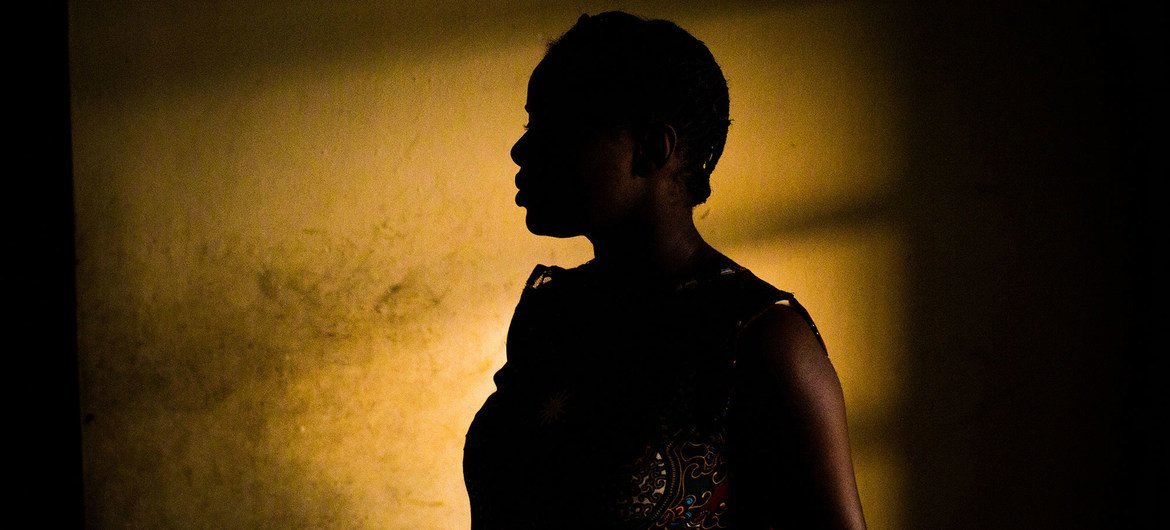
Already a “cruel tactic of war, torture, terror and repression”, Secretary-General António Guterres pointed to the turmoil caused by the COVID-19 pandemic that “has made it even more difficult to hold perpetrators of sexual violence to account”.
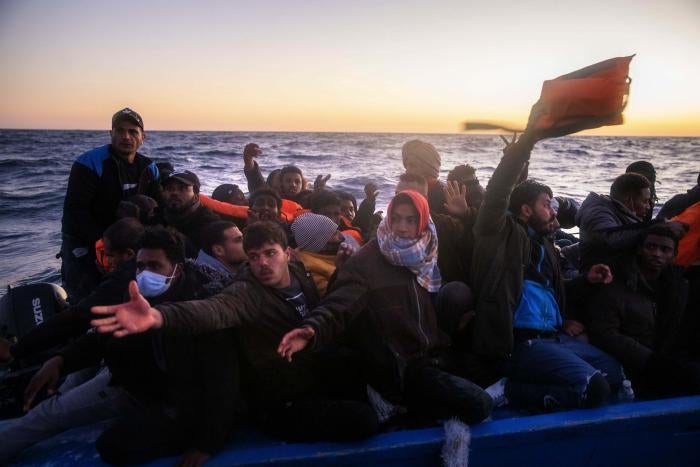
(Milan) – European Union governments have a collective responsibility to protect the lives and rights of people on the move along the central Mediterranean route, Human Rights Watch on 16 June 2021 said.
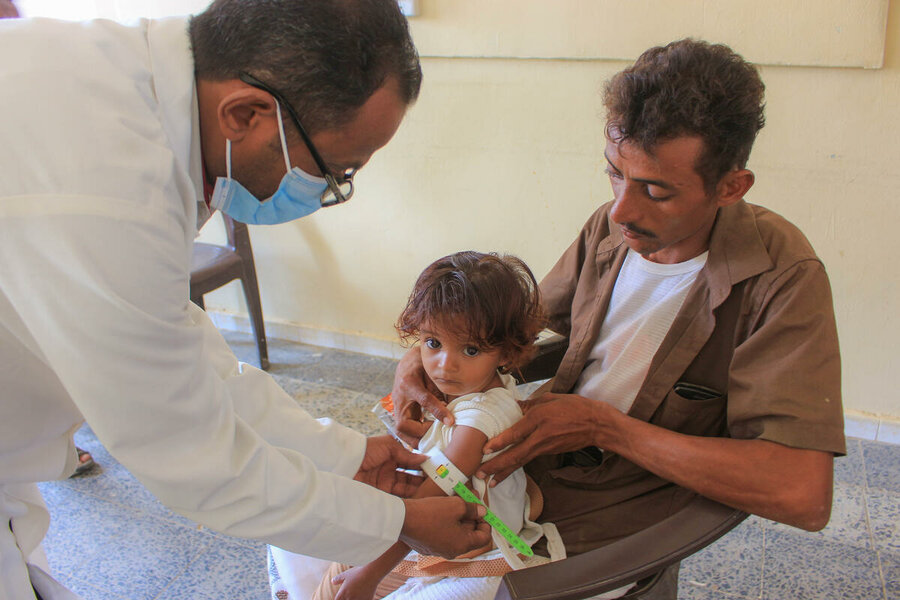
16 June 2021 (WFP)* — Famine — driven by conflict and fueled by climate shocks and the economic downturn caused by the COVID-19 pandemic — could soon become a reality for millions of people. Below, the World Food Programme’s acting director of nutrition, Allison Oman Lawi, explains what famine is — and spells out the urgent need for action to avert it.
Yemen: A child at a WFP-supported clinic in Hajjah is diagnosed with moderate acute malnutrition. Photo: WFP/Issa Al-Ragh
17 June 2021 (UNCCD)* — Climate change, overuse and conversion for agriculture, cities and infrastructure mean that one fifth of the planet’s land area is degraded. This damage, which also drives drought and desertification, harms the livelihoods of almost half the planet’s population.
However, as much as one billion hectares can be restored over the next 10 years if there is political will.
Mali has partnered with UNDP to strengthen agricultural communities and empower women to mitigate the consequences of climate change and desertification in the Sahel region of Africa. UNDP/Imen Meliane
Humanity is waging a relentless, self-destructive war on nature.
Biodiversity is declining, greenhouse gas concentrations are rising, and our pollution can be found from the remotest islands to the highest peaks.
We must make peace with nature.
The land can be our greatest ally. But the land is suffering.
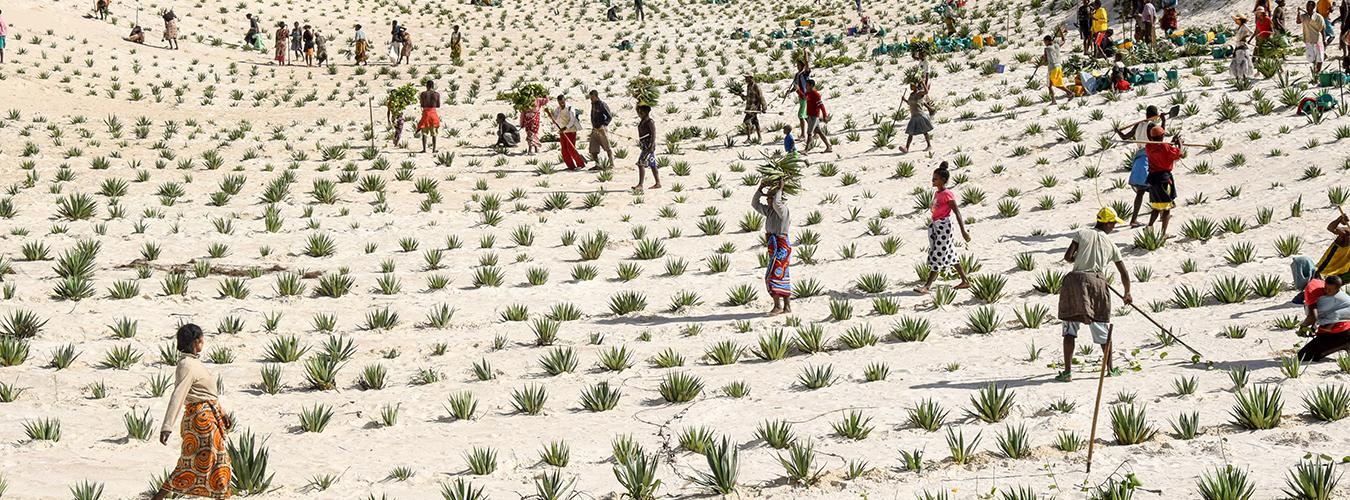
In Faux-Cap, Madagascar, the dunes and their strong winds pose a threat to their crops. With the greenest weapons, its inhabitants worked for 120 days to secure 75 hectares of dunes. Once settled, the risk is over. PHOTO:UNDP Madagascar
16 June 2021 (United Nations)* — The 2021 Desertification and Drought Day to be held on 17 June will focus on turning degraded land into healthy land. Restoring degraded land brings economic resilience, creates jobs, raises incomes and increases food security.
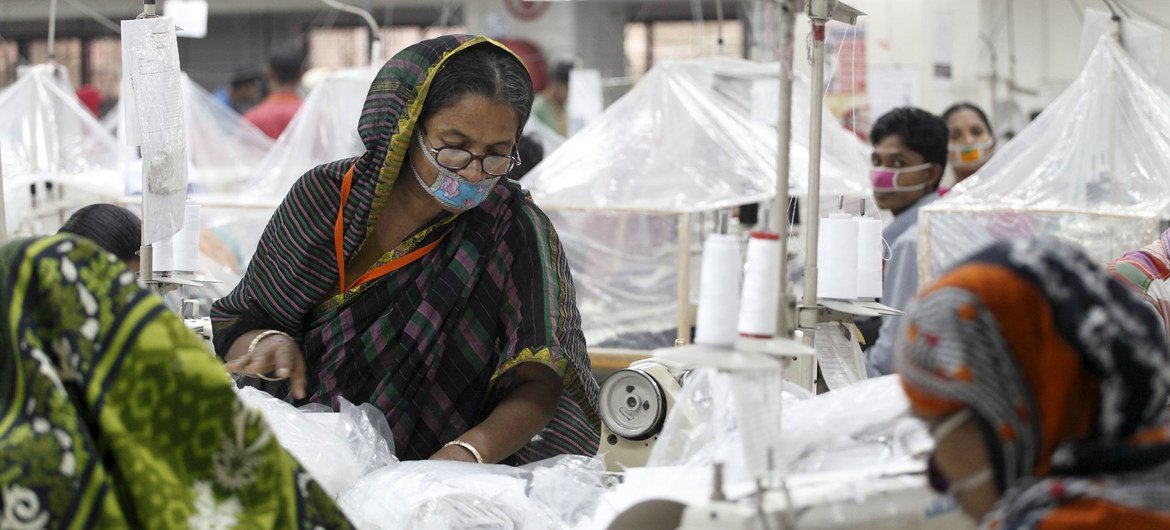
15 June 2021 (IFAD)* — Every year, on 16 June, the International Day of Family Remittances (IDFR) is observed to raise further awareness on the abnegation and sacrifice of migrant workers, who support their families and communities of origin through the money they send back home, particularly in these times of crisis.
This year, the IDFR lauds the human spirit and resilience of over 200 million migrants who defied predictions of the pandemic and continued to send money home to their countries of origin.



 HUMAN WRONGS WATCH