14 October 2020 (FAO)* — The COVID-19 global health crisis has been a time to reflect on things we truly cherish and our most basic needs. These uncertain times have made many of us rekindle our appreciation for a thing that some take for granted and many go without: food.
.
.
Food is the essence of life and the bedrock of our cultures and communities. Preserving access to safe and nutritious food is and will continue to be an essential part of the response to the COVID-19 pandemic, particularly for poor and vulnerable communities, who are hit hardest by the pandemic and resulting economic shocks.
11 October 2020 (Wall Street International)* — This series of articles will discuss the basic differences between human and computer intelligence, a particularly important distinction today, flooded as we are with predictions that artificial intelligence and robots will soon surpass human abilities. What is true and what is fiction in the conflicting stories we hear about this subject?
12 October 2020 (UN Environment)* — Looking for easy and simple ways to make high-impact, achievable steps to reduce your carbon pollution and persuade others to do the same? Here are 16 actions:
These actions, derived from experts and research by the United Nations Environment Programme (UNEP) alongside others, are featured as part the Count Us In campaign, a diverse coalition of culture, faith, sport, cities and businesses.
Organizers hope the activities and support of the partners will inspire one billion people to take practical steps to reduce carbon pollution and challenge leaders to act more boldly on climate.
Individual action can make a significant impact. Count Us In organizers estimate that if 1 billion people take practical action in their own lives, they could reduce as much as 20 per cent of global carbon emissions.
(UN News)* — The first 20 years of this century have seen a “staggering” rise in climate disasters, UN researchers said on Monday [12 October 2020], while also maintaining that “almost all nations” have failed to prevent a “wave of death and illness” caused by the COVID-19 pandemic.
Geneva, 13 October 2020 (World Meteorological Organization)* — Over the past 50 years, more than 11,000 disasters have been attributed to weather, climate and water-related hazards, involving 2 million deaths and US$ 3.6 trillion in economic losses.
Historical facts do not repeat themselves, but they can rhyme, like the verses of a long poem.
Brazilian President Jair Bolsonaro greets people during the 198th anniversary celebration of the country’s Independence Day in Brasilia, Brazil, on September 7, 2020 / Lucio Tavora /PA Images
7 October 2020 (openDemocracy)* — Historical facts do not repeat themselves, but they can rhyme, like the verses of a long poem. I heard this phrase from my friend Sidney Chalhoub, a prestigious historian and professor at Harvard University.
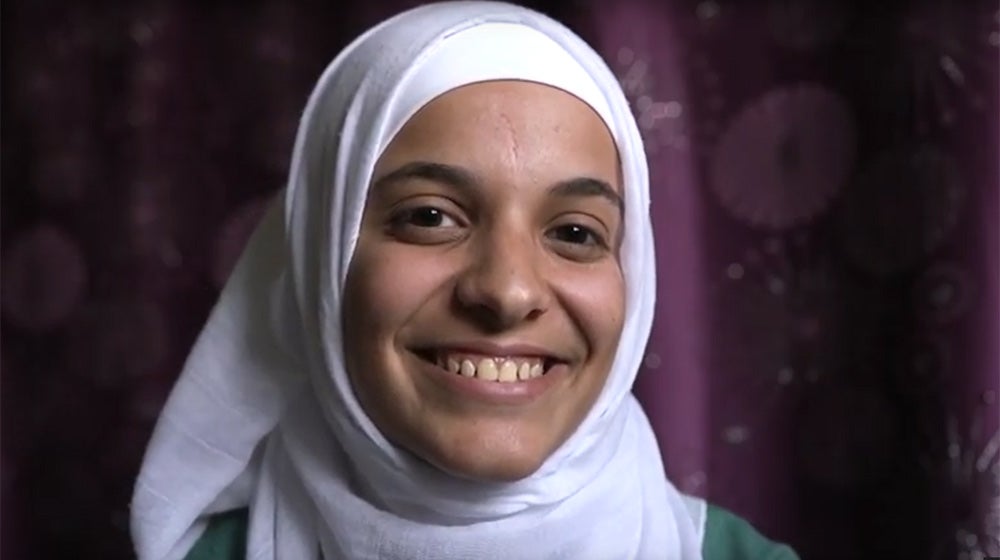
New York, 10 October 2020 (UNFPA)* – On 11 October, organizations and activists around the world will mark the International Day of the Girl Child, shining a spotlight on the rights, needs, vulnerabilities, contributions and future potential of girls everywhere.
The theme for the day is “My Voice, Our Equal Future” because girls’ voices are seldom heard – not in the halls of governments, nor in homes or classrooms.
But what do we learn when we finally listen to girls?
IBADAN, Nigeria, Oct 12 2020 (IPS)* – Africa’s hopes of feeding a population projected to double by 2050 amidst a worsening climate crisis rest on huge investments in agriculture, including creating the conditions so that women can empower themselves and lead efforts to transform the continent’s farming landscape.
Rhoda Tumusiime
As we celebrate the 2020 International Year of Rural Women, Africa needs to reflect more on the role women play in food and nutrition security, land and water management.
Also, the impact of COVID-19 on women’s capacity to provide food for their families and care for their loved ones underscores the importance of strengthening their capacities by designing gender responsive actions.
We know the world has the technology and resources to eradicate hunger but finding the right policies and the will to implement them often elude us.
12 October 2020 (UN Women)* — This year on International Day of Rural Women (15 October), the spotlight is on the urgent need for Building rural women’s resilience in the wake of COVID-19, for “building back better” by strengthening rural women’s sustainable livelihoods and wellbeing.
The Connecting Business initiative (CBi), supported by OCHA and UNDP, is a coordinated network of local business responding to disasters, such as Hurricane Dorian in the Bahamas in 2019. PHOTO:UN Photo/OCHA/Mark Garten
COVID-19 and the climate emergency are telling us that we need clear vision, plans and competent, empowered institutions acting on scientific evidence for the public good.




 HUMAN WRONGS WATCH