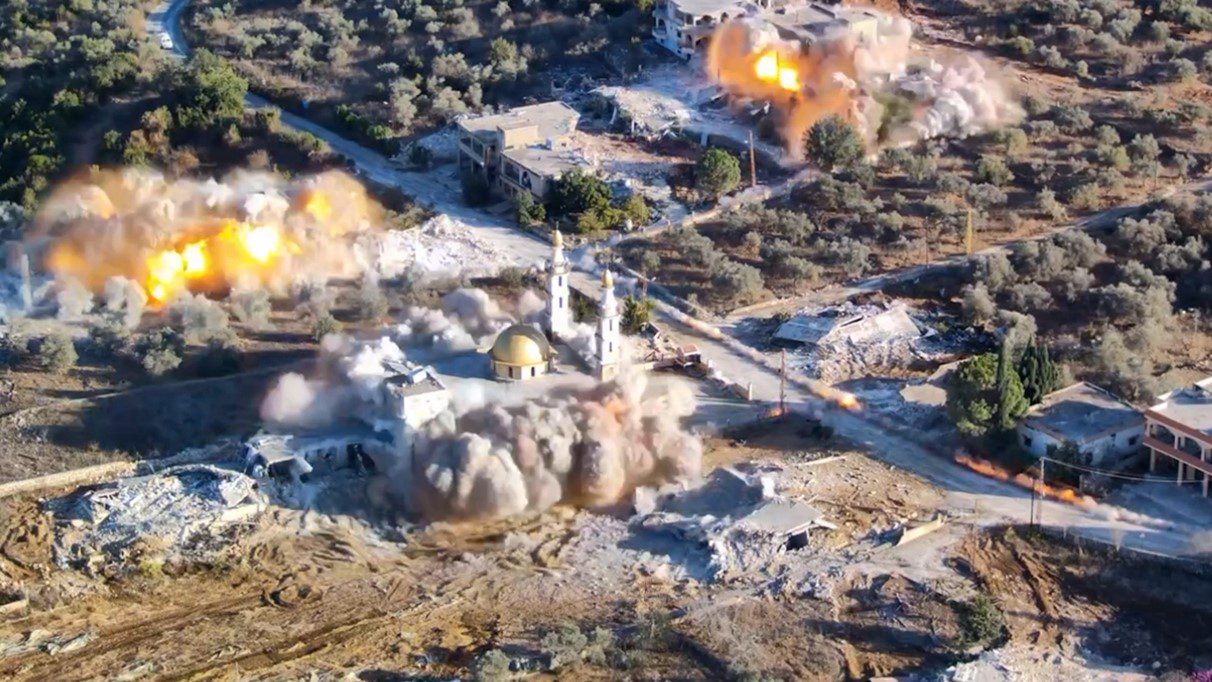
26 August 2025 — The Israeli military’s extensive and deliberate destruction of civilian property and agricultural land across southern Lebanon must be investigated as war crimes, Amnesty International said in a new briefing.
A frame of a video circulated on social media in November 2024 shows the destruction by manually laid explosives of a mosque and nearby buildings in Dhayra, southern Lebanon.
.
Homes and buildings destroyed by explosives and bulldozers
More than 10,000 structures heavily damaged or destroyed, even after ceasefire declared
“Israeli troops deliberately left a trail of devastation as they moved through the region” – Erika Guevara Rosas
31 August 2025 — Hundreds of media outlets, brought together by the campaigning platform Avaaz and Reporters Without Borders (RSF), are waging a campaign calling for the protection of Palestinian journalists in Gaza, the emergency evacuation of reporters seeking to leave the Strip, an end to impunity for Israeli crimes against Gaza’s reporters and that foreign press be granted independent access to the territory.
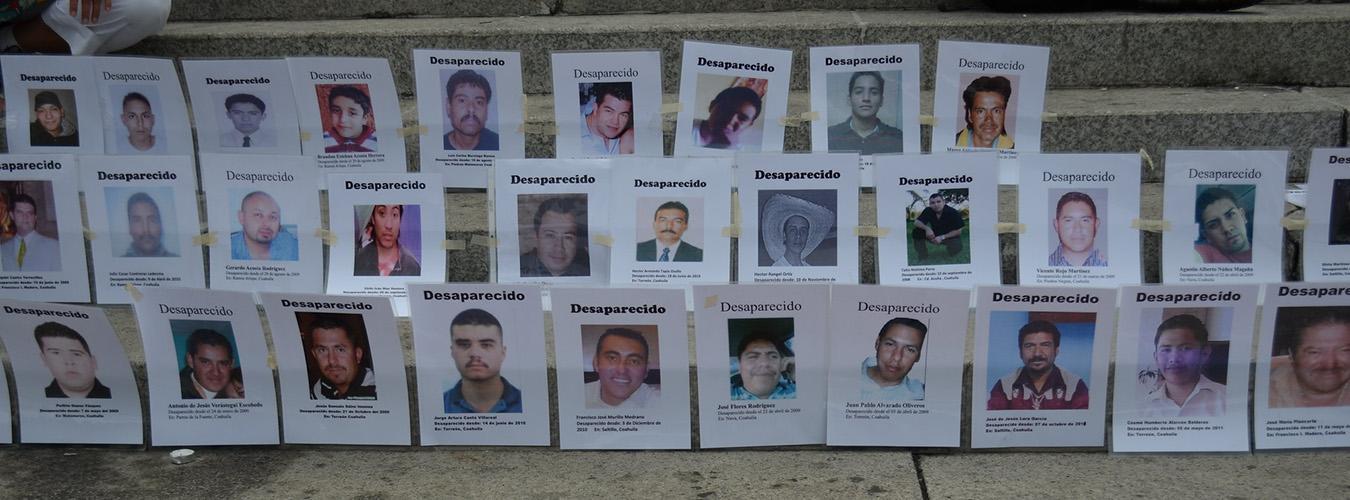
The families and friends of the victims, experience slow mental anguish, not knowing whether the victim is still alive and, if so, where he or she is being held, under what conditions, and in what state of health. PHOTO:OHCHR Mexcio
Enforced disappearance has frequently been used as a strategy to spread terror within the society.
The feeling of insecurity generated by this practice is not limited to the close relatives of the disappeared, but also affects their communities and society as a whole.
Enforced disappearance has become a global problem and is not restricted to a specific region of the world.
Once largely the product of military dictatorships, enforced disappearances can nowadays be perpetrated in complex situations of internal conflict, especially as a means of political repression of opponents.
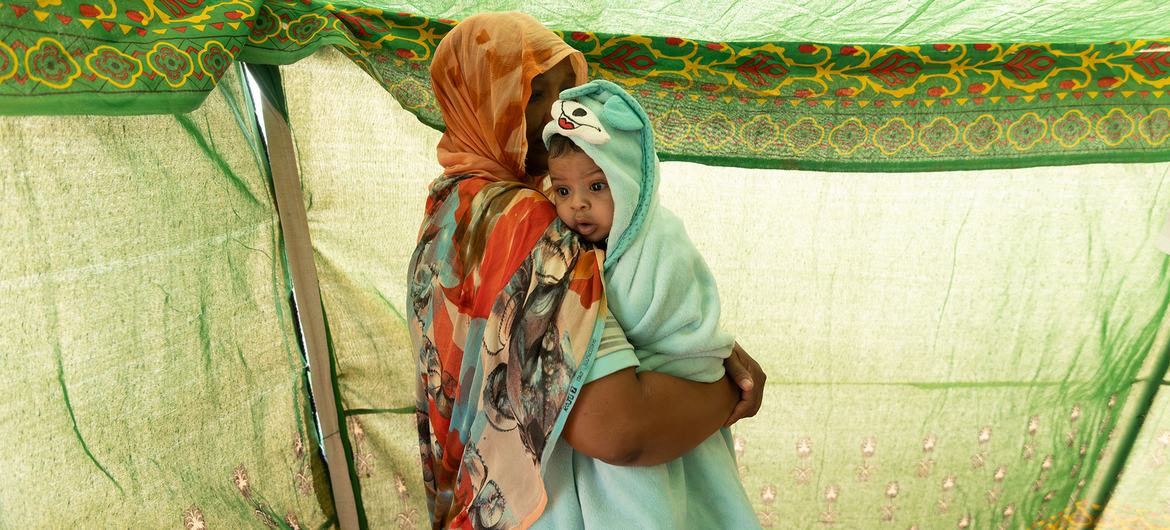
(UN News)* — Humanitarians continue to push for more support for Sudan amid ongoing conflict, rising malnutrition and a cholera outbreak, a senior UN aid coordination official said on Thursday [] in New York.
Edem Wosornu, Director of Operations and Advocacy for the humanitarian affairs office, OCHA, briefed journalists on her recent visit to Sudan and neighbouring Chad – a critical entry point for aid and a haven for some 850,000 people who have fled fighting between the Sudanese army and the Rapid Support Forces (RSF) militia.
The war erupted in April 2023 and she said it has created one of the world’s largest humanitarian crises, with some 30 million people needing assistance.
(UN News)* — In the occupied West Bank village of Kufr Qaddum, *Yousef stands behind a sealed iron gate, cut off from the olive trees that have sustained his family for generations.
Like thousands of Palestinian farmers, he faces growing restrictions from Israeli forces and settlers, who have made the olive harvest season – running from September to November – a time of uncertainty and struggle.
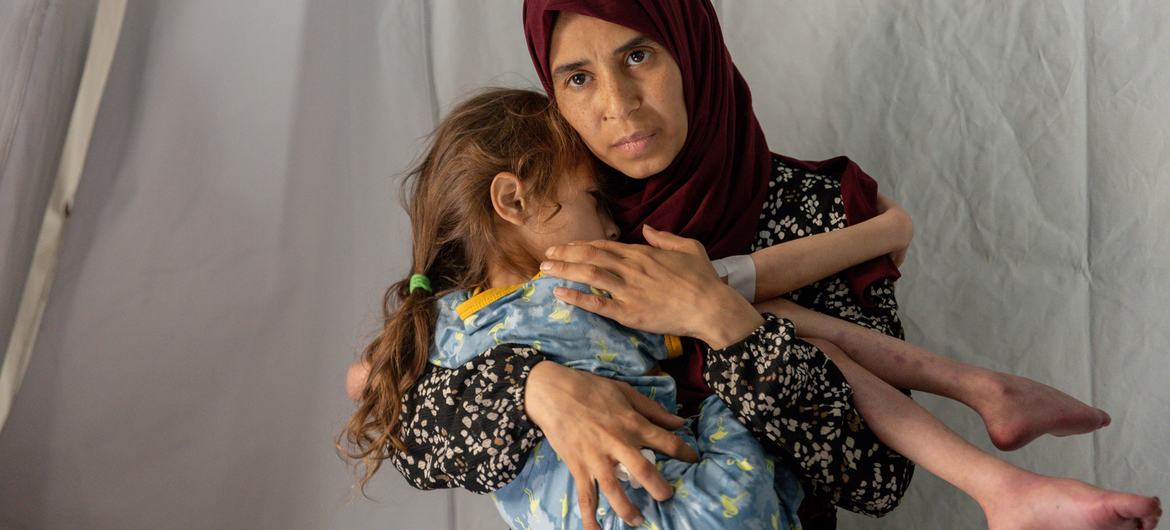
(UN News)* — Amid reports of increased Israeli military operations across Gaza City on Friday [], UN aid agencies repeated urgent warnings of ongoing famine and a likely rise in preventable disease, linked to the dire living conditions in the war-shattered enclave.
“We are on a descent into a massive famine,” said Jens Laerke, spokesperson for the UN aid coordination office, OCHA, “and we need massive amounts of food getting into the Strip and safely distribute it across the Gaza Strip”.
GAZA STRIP, Occupied Palestinian Territory, 25 August 2025 –“Where is the world watching what’s happening to us, and to our children? All families in the world have children,” said Inas, who lives in a displacement camp with her three children in Gaza city – where famine has been confirmed for the first time.
“Would they accept their children waking up hungry?”
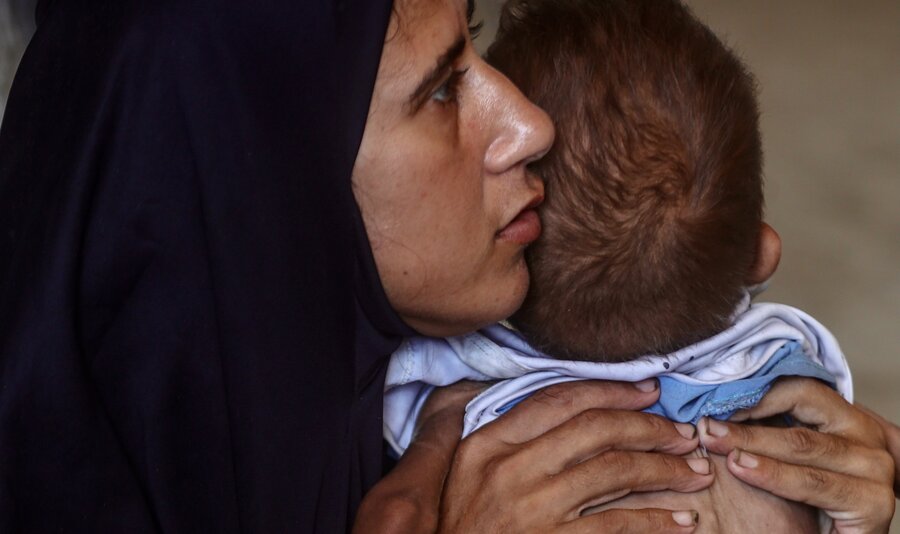
Cradling 18-month-old Mohamed in her arms, Hedaia remembers a once-healthy child when food was available – despite Mohamed’s muscular atrophy, a rare genetic weakness.
Today, the little boy is skeletal.
.
Hedaia, holding 18-month-old Mohamed, who has a rare genetic disorder. She says he was a healthy little boy when there was enough food. Photo: WFP/Ali Jadallah “He needs milk, diapers and specific foods,” Hedaia said, as her son cried softly. “But we can’t afford them.” (For their safety, only the first names of Gazan interviewees are being used in this story.)
. Hedaia’s struggle to find food is reflected across Gaza, where 641,000 people will face catastrophic hunger by the end of September, according to figures released today (22 August).
Eight years of displacement for Abu and the Rohingya people
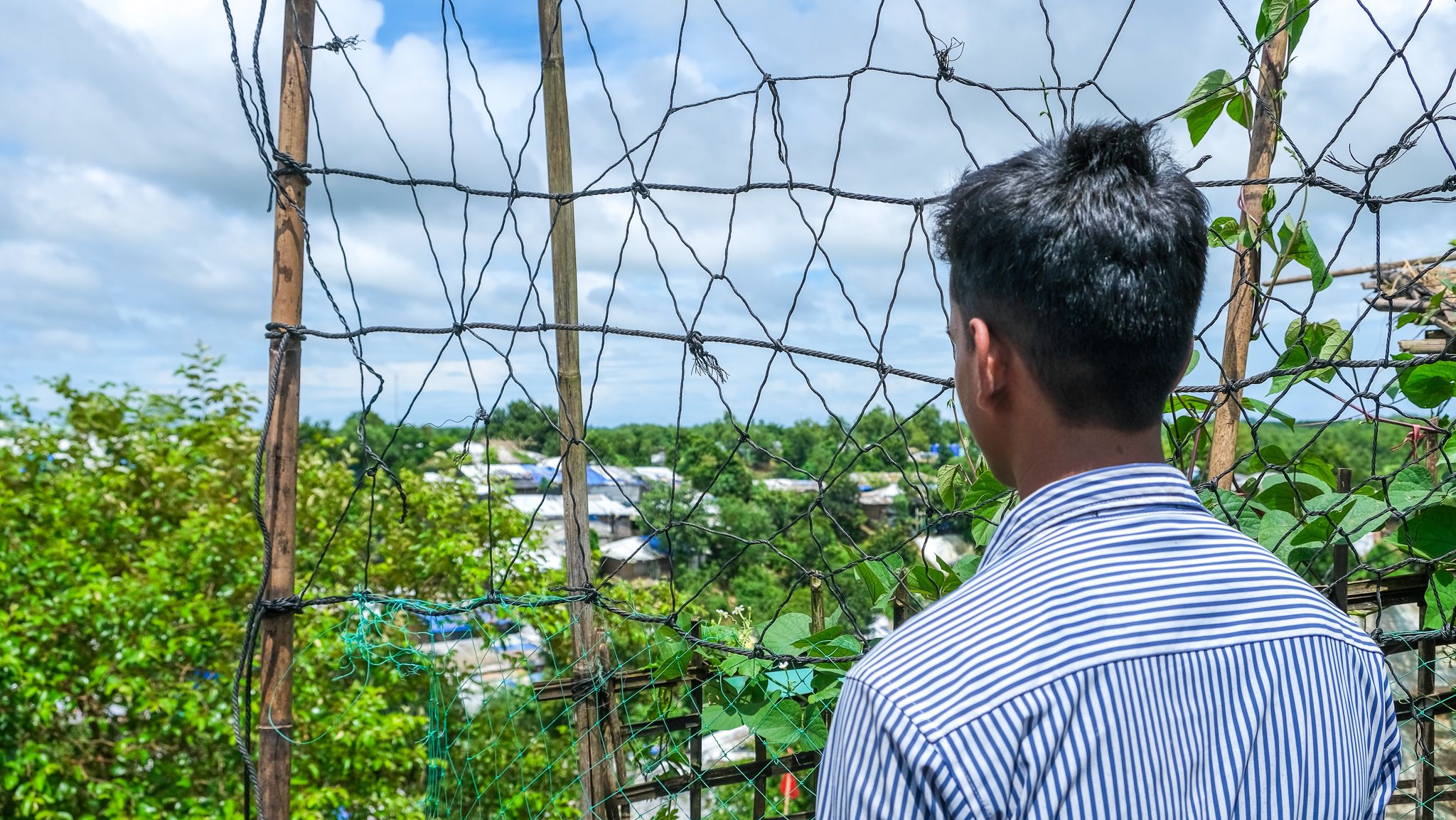
Abu, 18, has spent nearly half his life in this refugee camp.
“Today I am eighteen. I grew up in this refugee camp, waiting for education, waiting for a future, waiting to return home with dignity and rights.”
Abu*, an 18-year-old boy, was only 10 when he and his family fled Myanmar in 2017. Eight years on, he reflects on his life as a refugee and his hopes and fears for the future.
It was a Thursday in August. After lunch, we were resting when suddenly we heard shouting around our house. Our peaceful village, Thingana, surrounded by green fields and trees, turned into chaos.
An armed group was ordering people to leave their homes. They threatened to set fire to the houses and kill anyone who stayed.
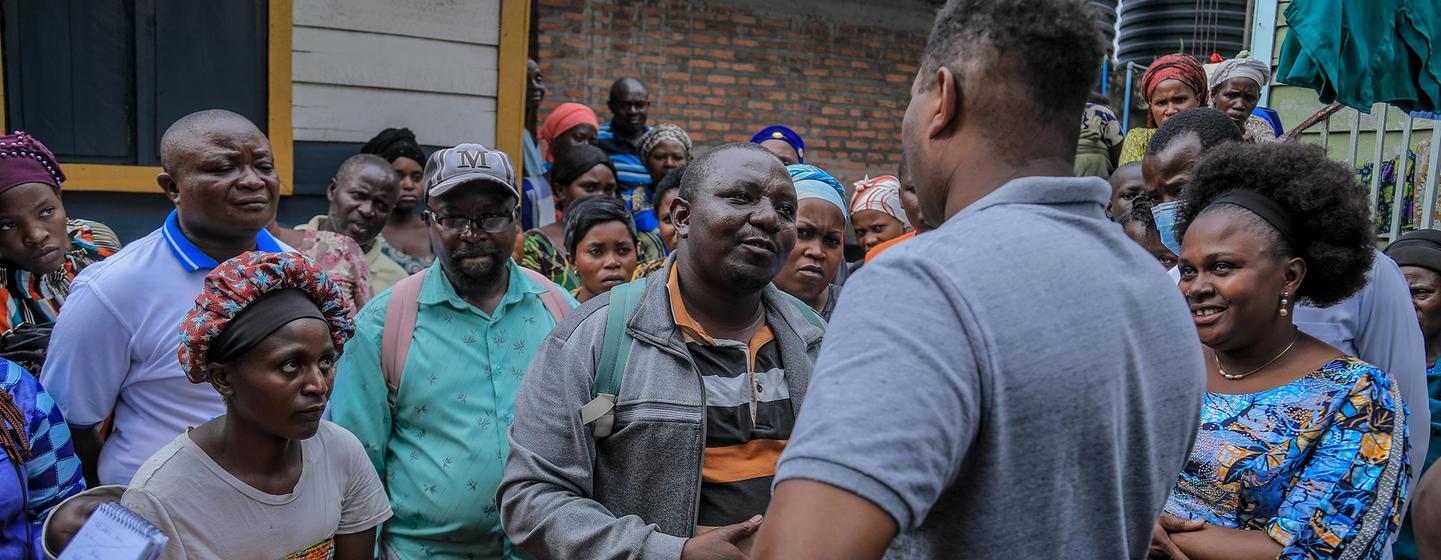
(UN News)* — In the days leading up to the fall of Goma, the capital of North Kivu in eastern Democratic Republic of the Congo, Dr. Thierno Balde slept with a helmet and bulletproof vest beside his bed as shells rattled the walls of his hotel.
Gunfire tore through the dark. Night after night, the 44-year-old physician from Guinea clung to the hope that the besieged city would hold somehow.
Then, one morning in late January, the call came: he and the remaining international staff had to be evacuated immediately.
“We took the last flight out,” he recalled.
Hours later, Goma was in the hands of M23. The Tutsi-led rebel group, backed by neighbouring Rwanda, had just landed its boldest military victory in the region yet.



 HUMAN WRONGS WATCH