30 July 2025 — After surviving 17 months of bombing and displacement in Gaza, Palestine, Emad, an MSF nurse supervisor, was medically evacuated with his family to France in March 2025.
In this short documentary, he recounts what they endured during the war — from the destruction of their home, and repeated displacement, to the limited access to healthcare for his daughter, Sila, who was born with a congenital heart condition.
Currently at least 12,000 patients, including thousands of children like Sila, need to be evacuated urgently from Gaza to access vital medical care.
If you want to glimpse the strange, brutal logic that governs our world, don’t start with politicians or generals—start with the bank towers glittering above your city skyline and the endless parade of military hardware rolling across distant deserts.
These are the altars of the age: places where class warfare is waged relentlessly, not through open declarations but via the everyday rituals of finance and force.
And though the language of “class warfare” may evoke images of barricades and revolution, the reality today is far more insidious—a meticulously organized onslaught against the fabric of society itself, a crime against peace perpetrated not by outlaws, but by the very architects of our economic and military order.
Class warfare, in this sense, is neither forgotten rhetoric nor historical artifact.
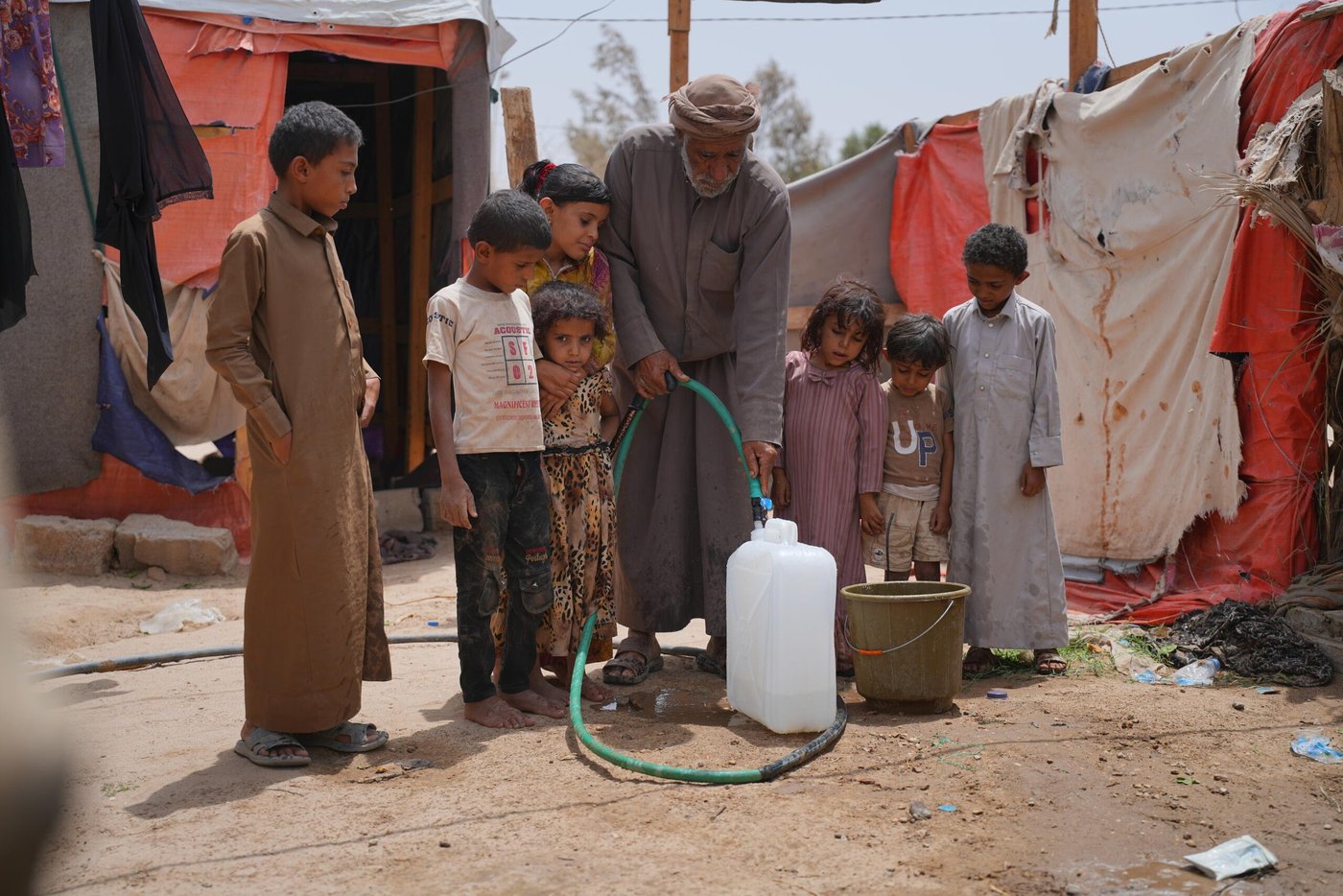
29 July 2025 – While summer rains typically offer some relief, this year’s cumulative rainfall is expected to drop by 40 per cent in some regions, leaving 15 million people who are water insecure in a precarious state without safe drinking water or reliable sanitation.
Mureshed, 75, surrounded by his grandchildren in Hajjibah camp, Yemen. Suleiman Al-Shara’abi/NRC
Low seasonal rainfall in Yemen has severely exacerbated an already dire situation, with Yemenis in both rural areas and cities struggling to access clean water, warns the Norwegian Refugee Council (NRC).
“With every year that passes, Yemenis see their ability to access water shrink,” said Angelita Caredda, NRC’s Middle East and North Africa Regional Director.
Aid cuts and humanitarian deadlock are fuelling a full-blown public health disaster.
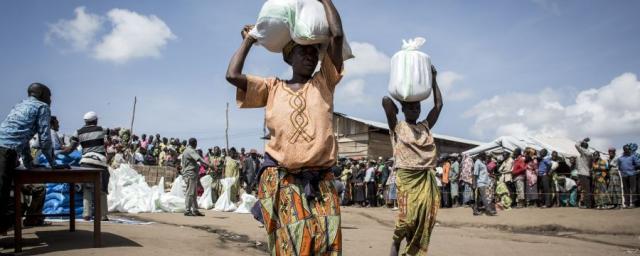
In Sake and Minova, 500 people are sharing a single water tap.
Francoise lost six children in the conflict in DRC. She has been displaced to a camp in Bunia with her five remaining children after their village was attacked. Photo: John Wessels/Oxfam
Six months since the renewed war in the Democratic Republic of Congo (DRC), a full-blown public health emergency is accelerating, Oxfam warned on 24 July 2025
Since January, more than 35,000 suspected cholera cases and at least 852 related deaths have been reported – an average of more than four deaths every day and a 62 percent increase compared to 2024.
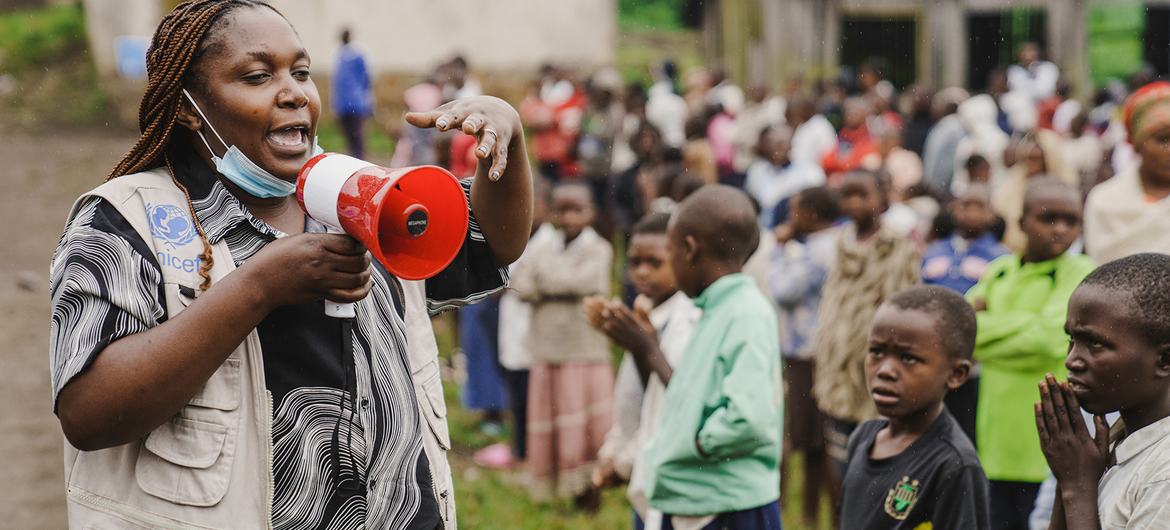
(UN News)* — Some 80,000 children are estimated to be at high risk of cholera in West and Central Africa as the rainy season begins across the region, the UN Children’s Fund (UNICEF) said on Wednesday [].
“The heavy rains, widespread flooding and the high level of displacement are all fuelling the risk of cholera transmission and putting the lives of children at risk,” saidUNICEF regional director for West and Central Africa Gilles Fagninou.
Cholera is an acute diarrhoeal infection caused by consuming food or water contaminated with bacteria. The disease can be treated with oral rehydration solution and antibiotics but can be fatal within hours if untreated.
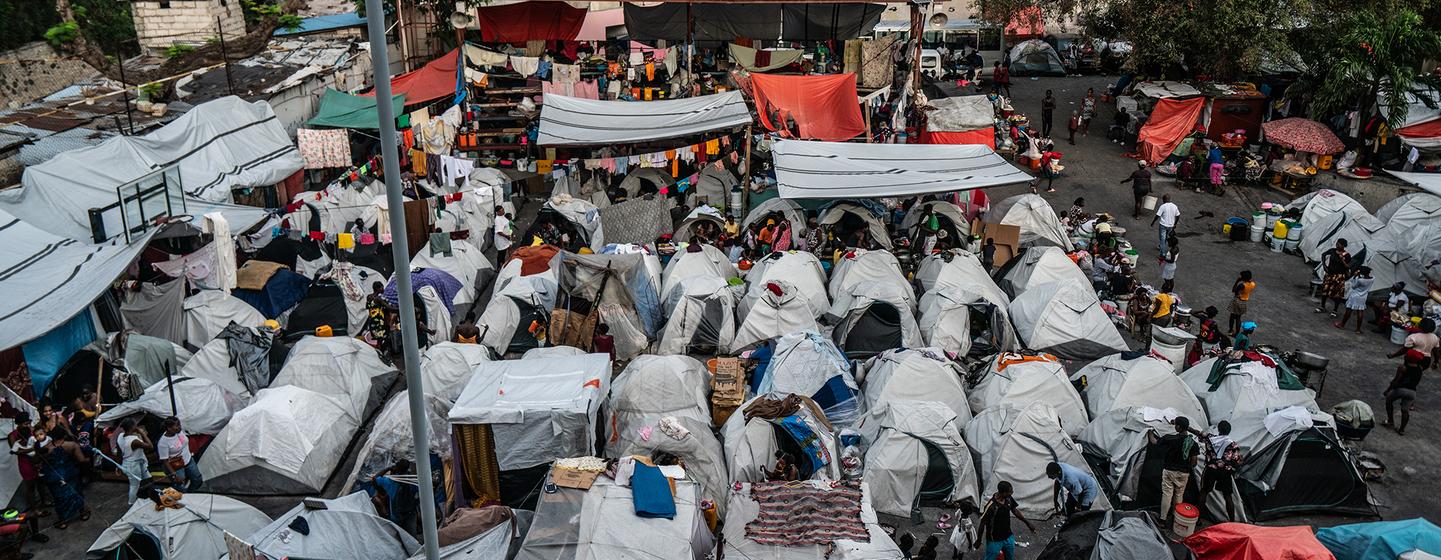
(UN News)* —People in Haiti have expressed “despair” following the “abrupt suspension” of a wide range of humanitarian services, according to the UN aid coordinationoffice, OCHA, in the Caribbean country.
The cancellation of most US funding in January means many services to the most vulnerable people have been cut or put on hold.
Multiple political, security and socioeconomic crises have led to 5.7 million people suffering from a lack of food and have forced 1.3 million people to flee their homes.
With a dramatic reduction in funding, Haiti faces a crucial “turning point”.
ATLANTA, USA, Jul 30 2025 (IPS)* –– Why is a grinning Netanyahu, Israel’s Prime Minister, wildly cheered by both Democrats and Republicans whenever he addresses the US Congress, while at the same time in Gaza countless innocent civilians are being killed by American bombs and bullets—and now babies are starving?
Rescue workers line up body bags in Tal Al Sultan, in Rafah, in southern Gaza. Credit: UNOCHA
Shamefully, Israel’s leader, a certified genocidaire, is one of the few global leaders to have ever been granted the privilege of speaking to Congress, which he has done frequently.
But the world sees and will remember his Big Lie that “There is no starvation in Gaza.”
The mantle of righteousness that once adorned the American flag after WW II is shredded, perhaps beyond repair.
(UN News)* — The promise seemed simple: a job, a fresh start, a way out. Instead, Maria* stepped off a boat onto a picture-perfect Trinidadian beach with hope in her heart and into a nightmare that would shadow her for years.
.On the World Day Against Trafficking in Persons, observed on 30 July, follow the journey of a woman who escaped..Eight years ago, Maria left Caracas, Venezuela, driven by dwindling opportunities and the hope of completing her veterinary studies..At just 21, she accepted an offer from an acquaintance who promised work in Trinidad and Tobago, cleaning homes, waiting tables. It seemed like a lifeline, a way to support herself and her family back home..She didn’t know then that she was stepping into a well-laid trap.
30 July 2025 (United Nations) — Human trafficking continues to be a global threat driven by organized crime. More and more victims are being trafficked every year, across greater distances, with greater violence, for longer periods of time and for greater profit.
From 2020 to 2023, there were more than 200,000 detected victims globally, which is just the tip of the iceberg.
The actual number of unreported cases is believed to be significantly higher.
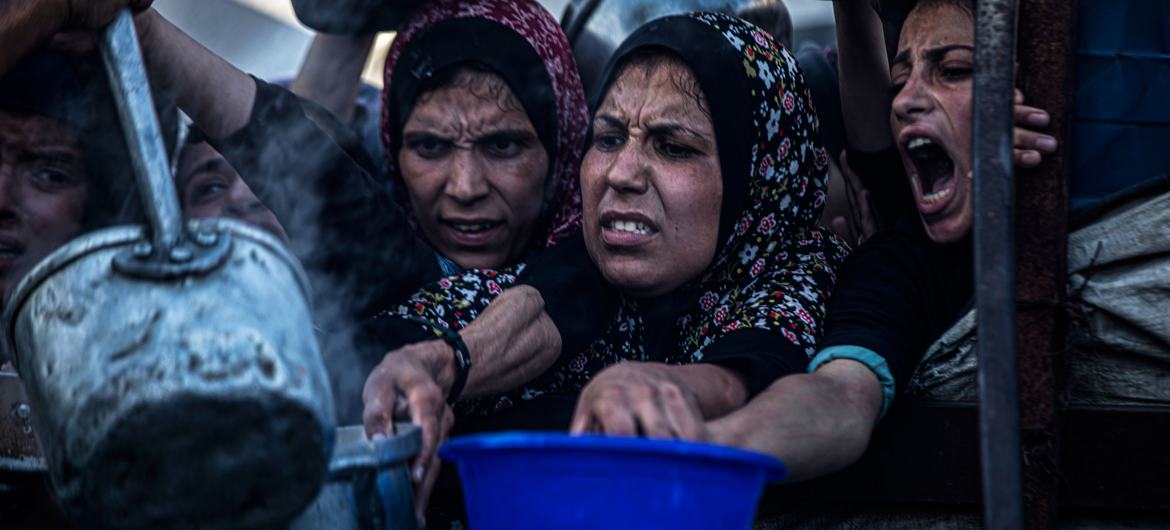
(UN News)* —As starvation worsens in war-torn Gaza, UN agencies repeated warnings on Monday [] that Israel’s decision to support a “one-week scale-up” of aid is far from enough to reverse deadly malnutrition rates in the enclave.






 HUMAN WRONGS WATCH