Human Wrongs Watch
'Unseen' News and Views
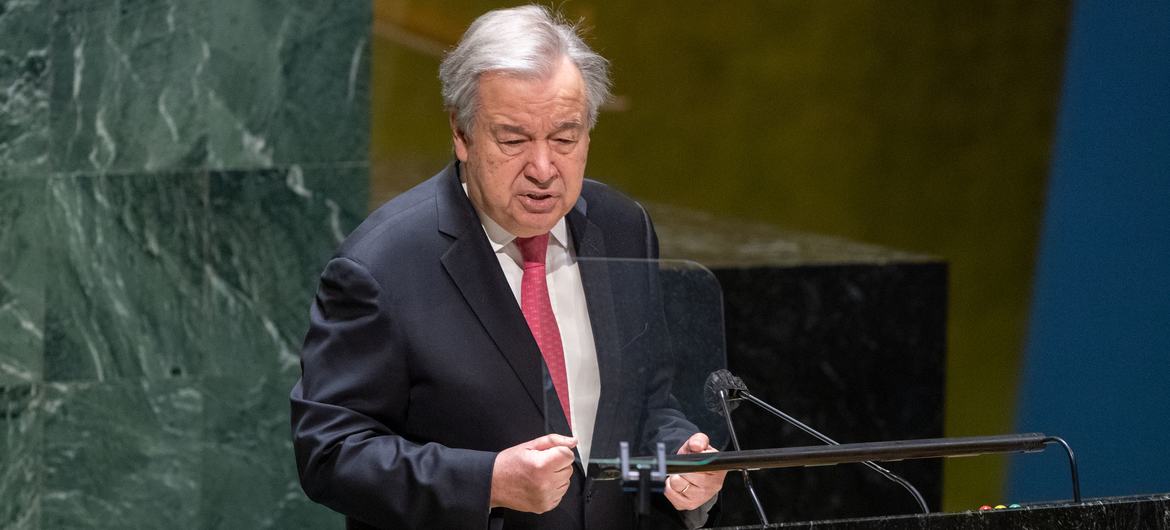
(UN News)* — The UN chief has condemned airstrikes launched early on Friday [21 January 2022] by the Saudi-led coalition battling Houthi rebels in Yemen, that struck a detention centre in the rebel-held city of Saada, which have left at least 60 dead, and more than hundred injured.
.
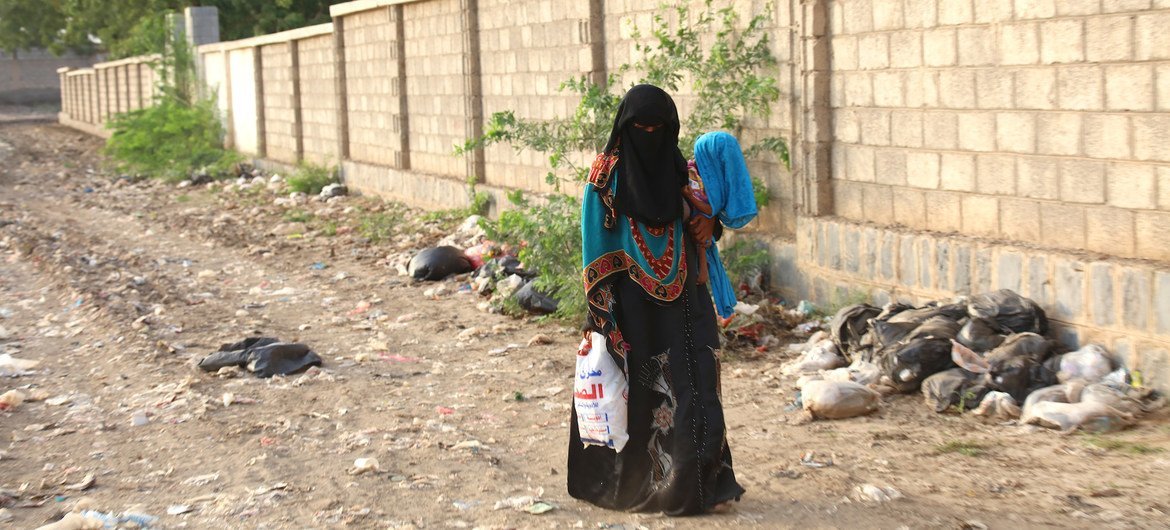
(UN News)* — Escalating conflict in Yemen has seen an alarming number of air and drone strikes already this year, notably against civilians and non-military targets, the UN rights office, OHCHR, said on Tuesday [18 January 2022].
.
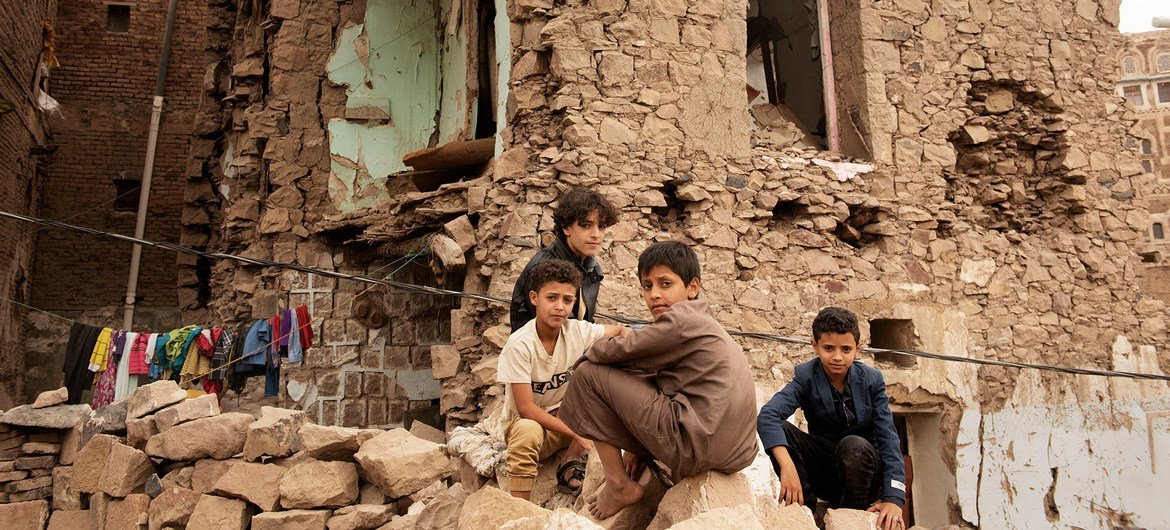
“We are deeply concerned by the continuing escalation of the conflict in Yemen. Overnight, air strikes by the Saudi-led coalition on the capital, Sana’a, are reported to have left at least five civilians dead,” said OHCHR spokesperson Ravina Shamdasani.
(UN News)* — The UN agency that supports Palestinian refugees, UNRWA, on Tuesday [18 January 2022] appealed for $1.6 billion to support its lifesaving work this year amid acute regional crises and chronic funding shortfalls.

UNRWA provides services and programmes, including education, health and food assistance, to more than five million Palestinians across the Middle East.
The 2022 budget proposal includes additional emergency funding to address humanitarian needs arising from crises in Gaza, the West Bank, Syria, and Lebanon.
Geneva, 19 January 2022 (WMO)* – Although average global temperatures were temporarily cooled by the 2020-2022 La Niña events, 2021 was still one of the seven warmest years on record, according to six leading international datasets consolidated by the World Meteorological Organization.
Global warming and other long-term climate change trends are expected to continue as a result of record levels of heat-trapping greenhouse gases in the atmosphere.
The average global temperature in 2021 was about 1.11 (± 0.13) °C above the pre-industrial (1850-1900) levels. 2021 is the 7th consecutive year (2015-2021) where global temperature has been over 1°C above pre-industrial levels, according to all datasets compiled by WMO.
By Medea Benjamin and Nicolas J. S. Davies – TRANSCEND Media Service*
The Pentagon has finally published its first Airpower Summary since President Biden took office nearly a year ago. These monthly reports have been published since 2007 to document the number of bombs and missiles dropped by U.S.-led air forces in Afghanistan, Iraq and Syria since 2004. But President Trump stopped publishing them after February 2020, shrouding continued U.S. bombing in secrecy.
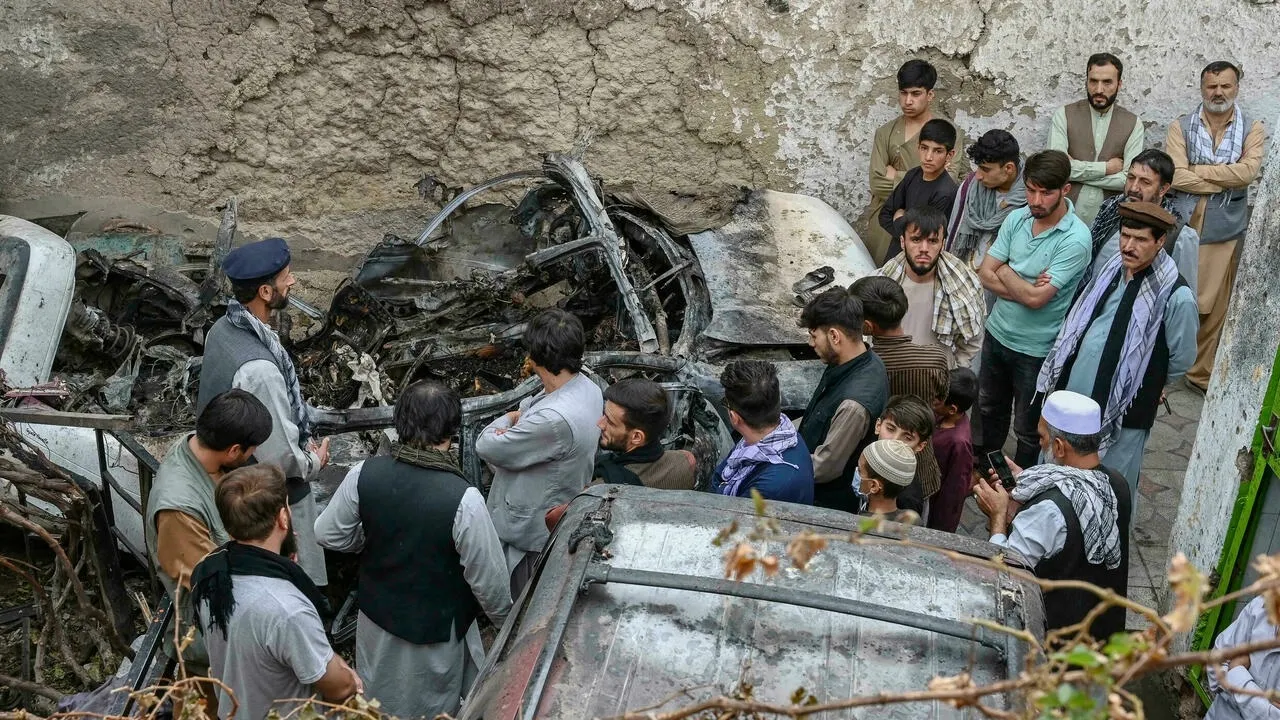
August 2020 U.S. drone strike in Kabul killed 10 Afghan civilians. Credit: Getty Images
Over the past 20 years, as documented in the table below, U.S. and allied air forces have dropped over 337,000 bombs and missiles on other countries. That is an average of 46 strikes per day for 20 years.

In Malawi, some students have been going to school amid the COVID-19 pandemic. Credit: UNICEF/Malumbo Simwaka
These phenomenal changes in fortunes took place during the first two years of a Covid-19 pandemic that has seen the incomes of 99 percent of humanity fall, and over 160 million more people forced into poverty—60 million more than the figures released by the World Bank in 2020.
“If these ten men were to lose 99.999 percent of their wealth tomorrow, they would still be richer than 99 percent of all the people on this planet,” said Oxfam International’s Executive Director Gabriela Bucher.

Credit: Albert Gonzalez Farran / UNAMID
The military spending data come from the Stockholm International Peace Research Institute (SIPRI), which also reports that global nuclear arsenals grow as states continue to modernise, thus sharply increasing the dangers of an unimaginable number of victims of the most devastating death machinery.
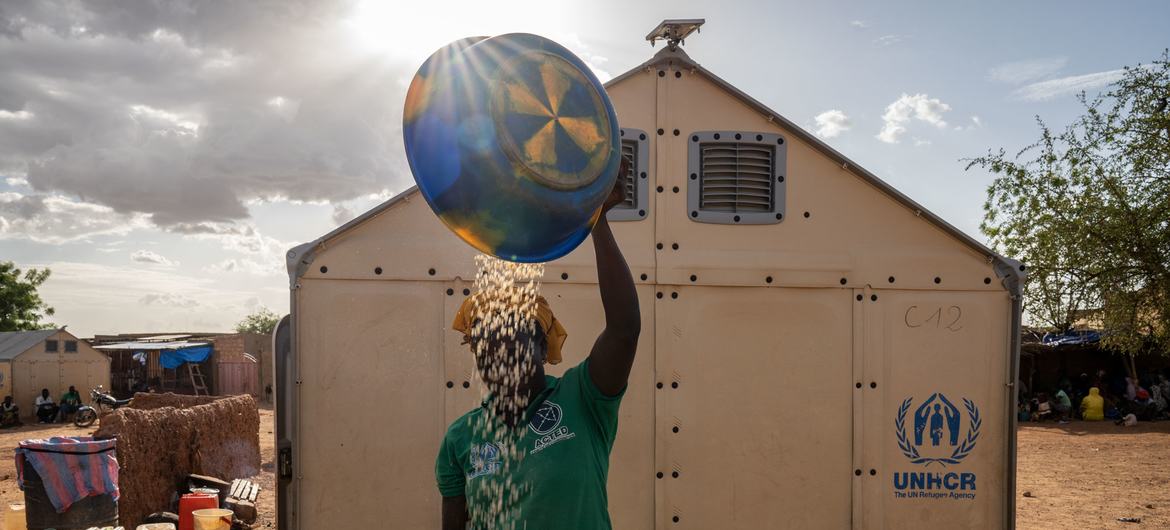
(UN News)* — The UN Refugee Agency (UNHCR) called on Friday [14 January 2022] for concerted international action to end armed conflict in Africa’s central Sahel region, which has forced more than 2.5 million people to flee their homes in the last decade.
.
.
Speaking to journalists in Geneva, the agency’s spokesperson, Boris Cheshirkov, informed that internal displacement has increased tenfold since 2013, going from 217,000 to a staggering 2.1 million by late last year.
The number of refugees in Burkina Faso, Mali, and Niger now stands at 410,000, and the majority comes from Mali, where major civil conflict erupted in 2012, leading to a failed coup and an on-going extremist insurgency.

 HUMAN WRONGS WATCH