BRUSSELS, Belgium / MONTEVIDEO, Uruguay, Jul 14 2025 (IPS)* –Donald Trump’s bullying tactics ahead of NATO’s annual summit, held in The Hague in June, worked spectacularly.
Credit: Piroschka Van De Wouw/Reuters via Gallo Images
By threatening to redefine NATO’s article 5– the collective defence provision that has anchored western security since 1949 – Trump won commitments from NATO allies to almost triple their defence spending to five per cent of GDP by 2035.
European defence budgets will balloon from around US$500 billion to over US$1 trillion annually, essentially matching US spending levels.
Amsterdam – Responding to a rapid study by scientists at Imperial College London and the London School of Hygiene & Tropical Medicine that found that the number of heat-related deaths across 12 European cities tripled due to the climate crisis in the 10 day period between 23 June and 2 July, as well as to preliminary data published by the Copernicus Climate Change Service that June 2025 was the hottest ever June for Western Europe and the third-warmest June globally.[1][2]
By Ashfaq Khalfan, Climate Justice Director, Oxfam America*
Mega rich oil, gas and coal companies, described as the ‘Godfathers of climate chaos’, are driving humanity to the edge of destruction and earning billions in doing so. For decades, they’ve spread lies and disinformation about the climate crisis and lobbied to create fossil-fuel driven economies.
They’ve received billions in government subsidies and as energy prices soared, instead of investing in renewable energy, enriched their shareholders to the tune of $403 billion in 2024 alone.
Nairobi –Despite its critical role in sustaining billions of lives, the global food system fails to deliver for health, rights, and particularly, nature.
A report published on 1 July 2025 by the UN Environment Programme (UNEP) and Chatham House highlights three system barriers – the cheaper food paradigm, market consolidation and investment path dependencies – that must be addressed to meet sustainable development goals.
Droughts displace young and poor pastoralists, while wildfires displace older urban residents with higher socio-economic status.
.
.
.
.
.
.
.
A new study by the International Organization for Migration (IOM) shows the wide range of demographic and socio-economic profiles affected by weather-related displacement worldwide.
This publication provides first-of-its-kind global insights into the demographic and socio-economic characteristics of communities facing weather-related displacement.
With an estimated 218.6 million internal displacements caused by weather-related disasters over the past decade, the analysis fills a critical data gap by revealing detailed profiles of these populations, including their age, income, education, and livelihoods.
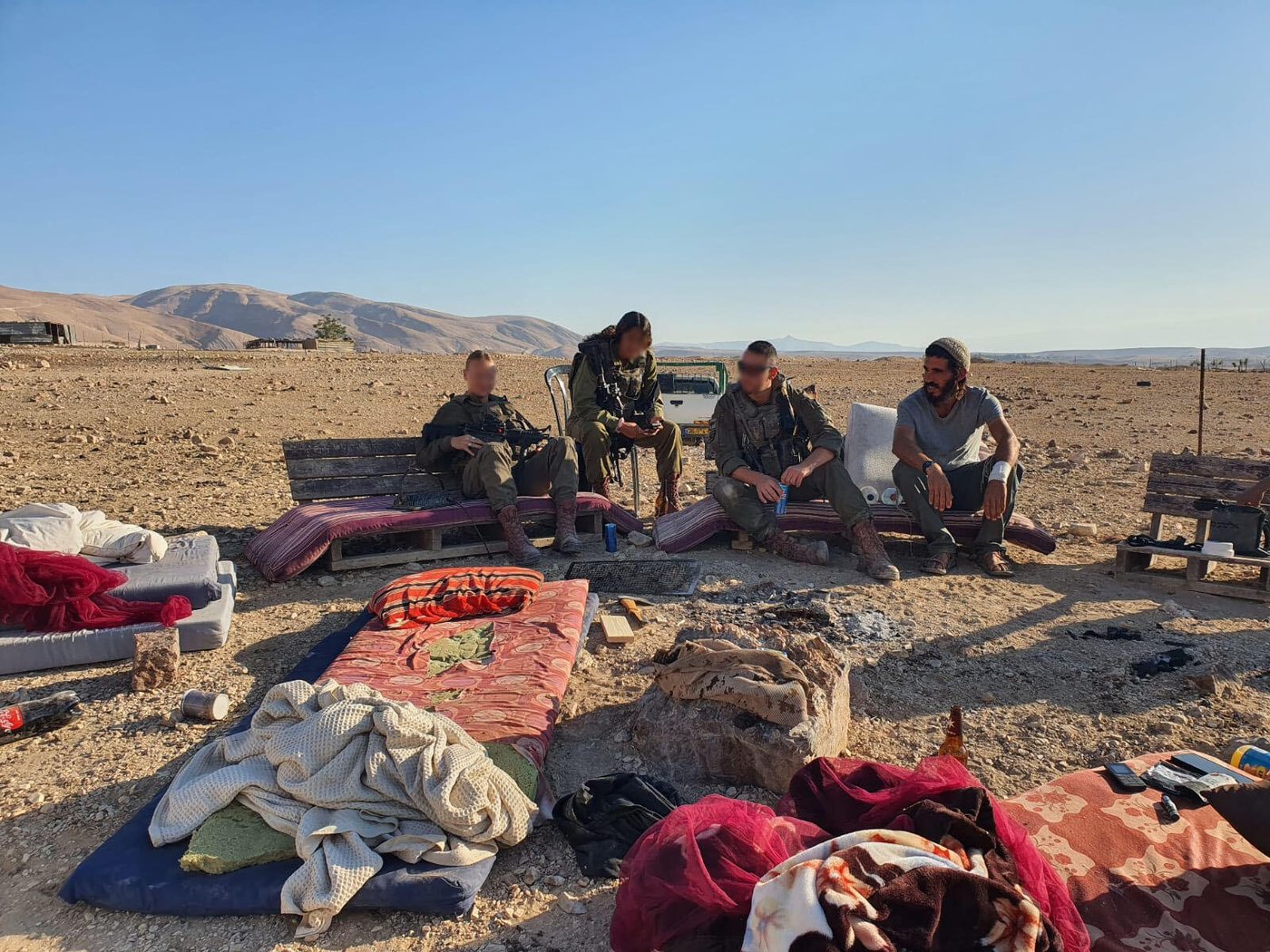
Palestinian communities are being displaced and dispersed across the occupied West Bank as settler violence, backed by Israeli authorities, forces families from their land. One community has just been emptied. Others may soon follow.
Israeli forces sit with sanctioned settler Zohar Sabah (far right) in Muarrajat East. Photo: Aliya Mlihat
The Norwegian Refugee Council (NRC) warns that the recent uprooting of families from Muarrajat East could soon be repeated in Ras Ein al-Auja, where sustained settler attacks and mounting restrictions on water and grazing access are making it nearly impossible for families to remain.
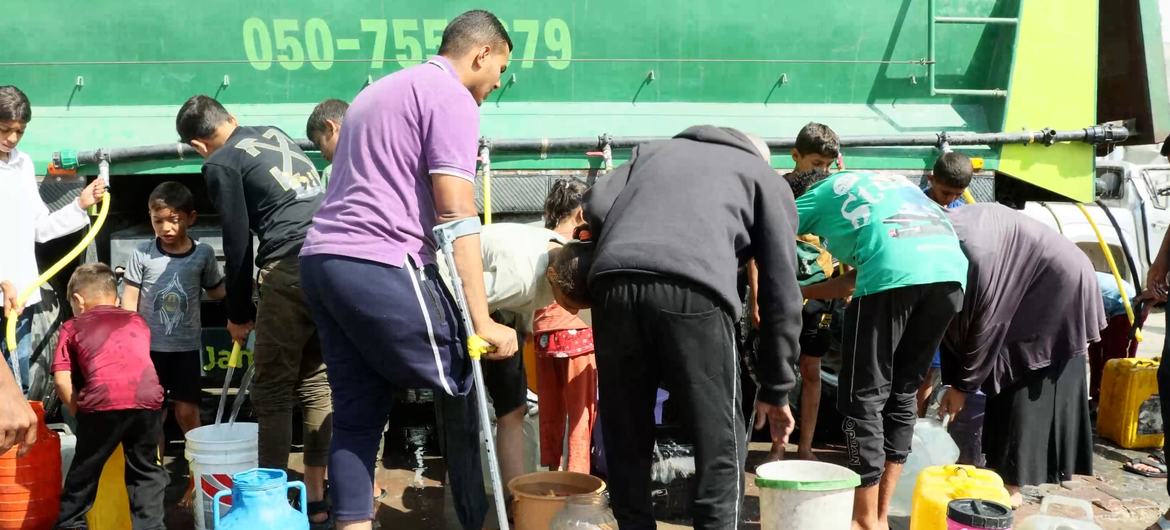
(UN News)* — The fuel crisis in Gaza has reached a breaking point, threatening to bring all humanitarian operations to a halt and endangering the lives of everyone reliant on aid inside the enclave, UN agencies warned in a powerful joint statement on Saturday [].
UN News | People gather to fill containers with clean water from a UNDP distribution truck in Gaza. Fuel supplies are now critically low, threatening to shut down all aid operations.
“Fuel is the backbone of survival in Gaza,” said the statement. “Without fuel, these lifelines will vanish for 2.1 million people.”
UN humanitarian workers stressed that fuel powers everything from hospitals and water systems to bakeries and ambulances.
Without a steady supply, “maternity, neonatal and intensive care units are failing, and ambulances can no longer move.”
(UN News)* —Top UN human rights officials have voiced serious concern over the imposition of sanctions by the United States targeting Francesca Albanese, a UN-appointed independent expert on the Occupied Palestinian Territory.
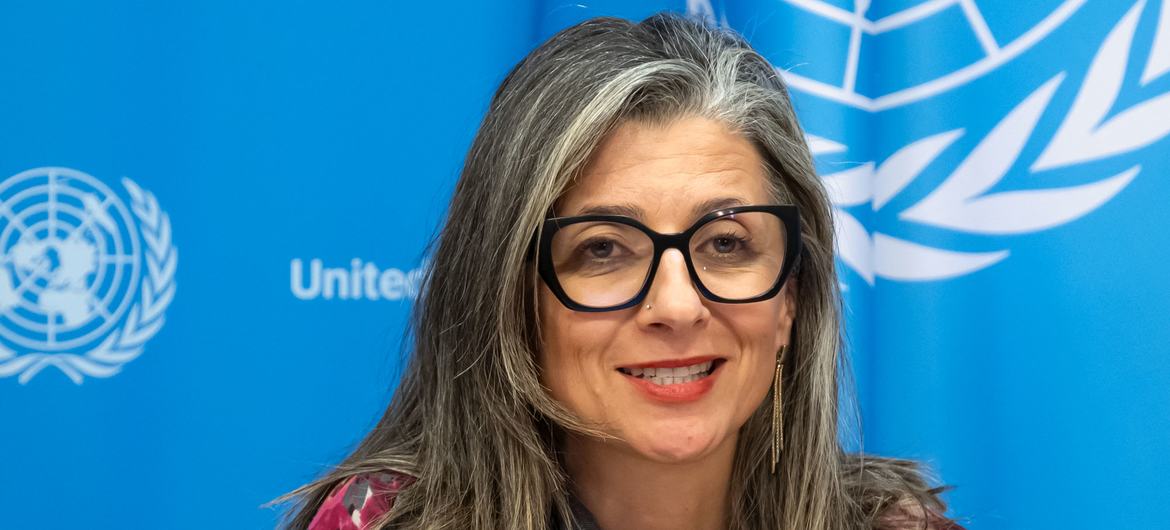
UN Photo/Mark Garten | Francesca Albanese, Special Rapporteur on the situation of human rights in the Palestinian Territory occupied since 1967.
They’re calling for the decision to be reversed, warning it could undermine the wider international human rights system.
The sanctions were announced by US Secretary of State Marco Rubio on Wednesday under a Presidential Executive Order.
Mr. Rubio alleged that Ms. Albanese had “directly engaged with the International Criminal Court (ICC) in efforts to investigate, arrest, detain, or prosecute nationals of the United States or Israel, without the consent of those two countries,” which he called a “gross infringement” on national sovereignty.
The US and Israel are not parties to the Rome Statute, the international treaty that established the ICC.
On July 9, the US government imposed sanctions on UN Human Rights Council-appointed Special Rapporteur on the situation of human rights in the Palestinian Territory occupied since 1967 Francesca Albanese under an executive order issued by President Donald Trump in February 2025.
In response, the following quote can be attributed to Liz Evenson, international justice director at Human Rights Watch:
“The US government’s decision to sanction Albanese for seeking justice through the International Criminal Court is actually all about silencing a UN expert for doing her job, speaking truth about Israeli violations against Palestinians and calling on governments and corporations not to be complicit…
(UN News)* — Following the deaths of several children in an Israeli strike on Palestinians waiting in line for nutritional supplements in central Gaza on Thursday , UN humanitarian officials have once again condemned the killings of people at aid distribution sites in the enclave.
UN Human Rights Office (OHCHR) spokesperson Ravina Shamdasani told reporters in Geneva on Friday that “we’ve raised concerns about atrocity crimes having been committed andthe risk of further atrocity crimes, where people are lining up for essential supplies such as food and medicine and where they are being attacked, where again… they have a choice between being shot or being fed”.




 HUMAN WRONGS WATCH