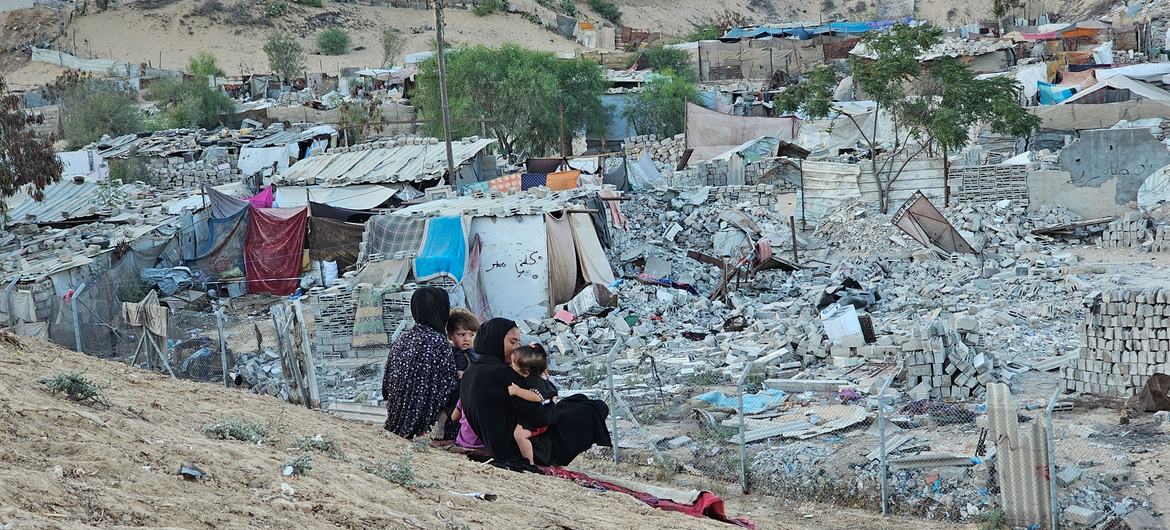
(UN News)* —The United Nations on warned that escalating hostilities and access constraints in Gaza are exacerbating an already dire humanitarian crisis, displacing hundreds of thousands and depriving civilians of shelter, food and medicine.
More than 500,000 people are reported to have been newly displaced since 18 March 2025, many of them uprooted multiple times due to ongoing military operations across the Gaza Strip.
The war in the Gaza Strip has taken an unconscionable toll on children. At least 15,600 have been reported killed, with thousands more injured. Nearly every child in Gaza knows what it is to be displaced: Their families have been torn apart, their homes destroyed.
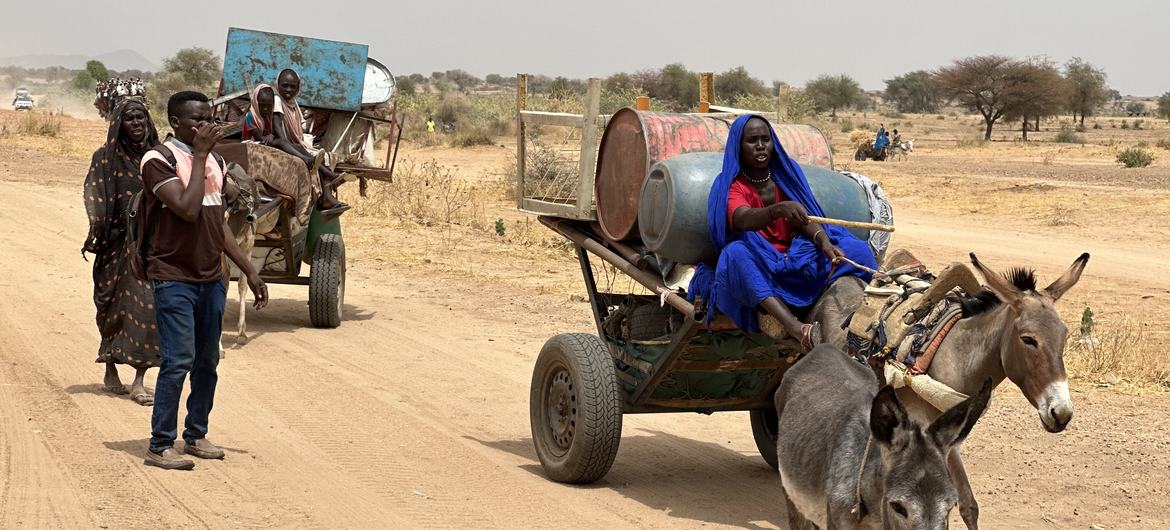
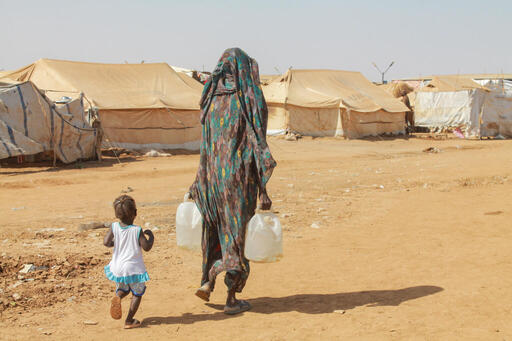
()* — A mass wave of displacement in Sudan’s North Darfur state is pushing hundreds of thousands into precarious conditions far from lifesaving aid, as overstretched operations struggle to keep pace with the growing emergency.
Renewed attacks on camps – including Zamzam and Abu Shouk – that were sheltering those displaced by earlier violence have now forced an estimated 400,000 to 450,000 people to flee again.
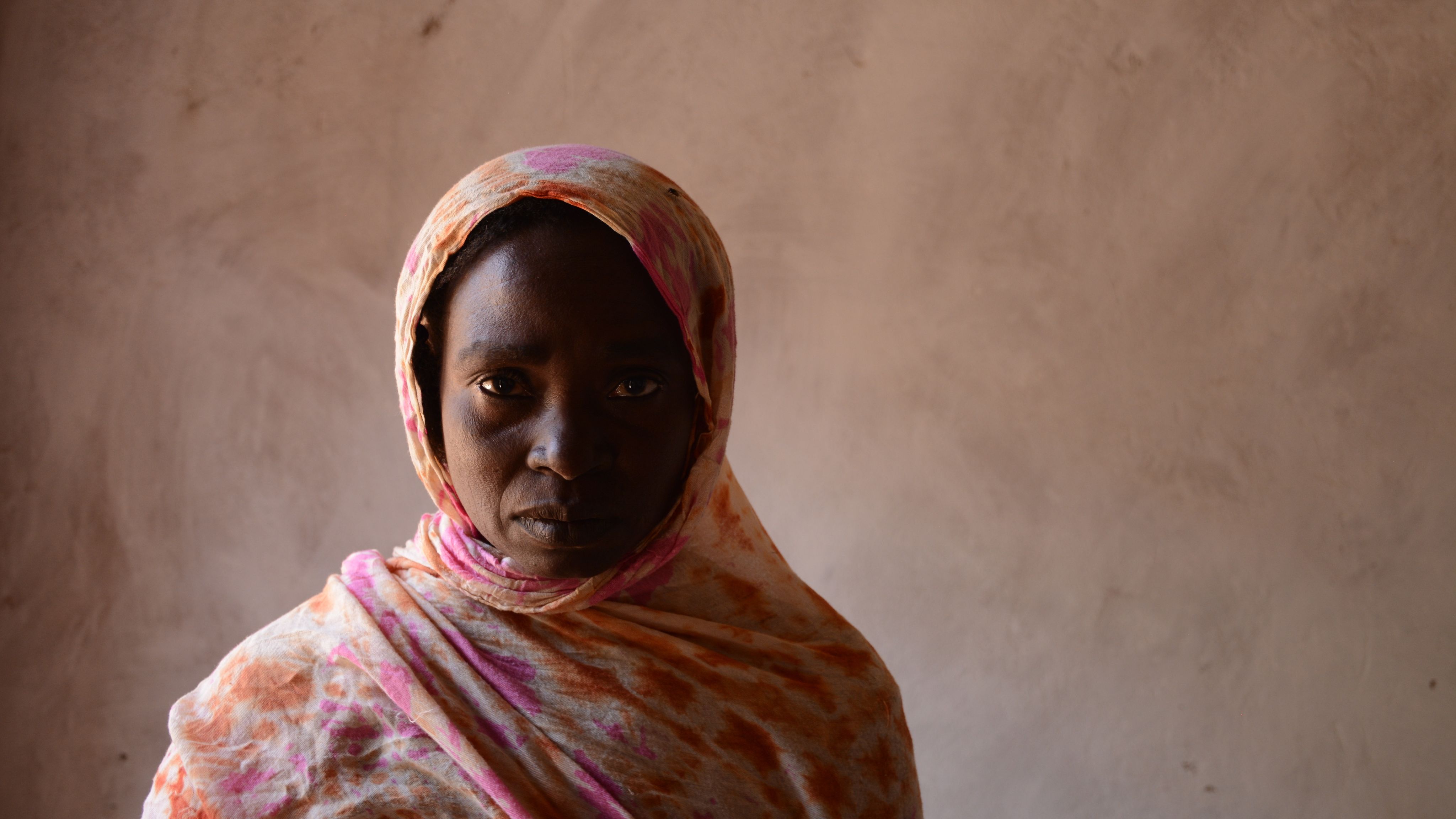
16 April 2025 – Two years into Sudan’s war, millions of lives have been uprooted – and millions more hang in the balance. Behind the staggering statistics of displacement, hunger and loss, there are people like Khaled, Um Adam, Zainab and Mariam – each carrying the burden of a conflict they never chose.
Zainab, 35, fled with her four children from Nyala to West Darfur, seeking safety from relentless airstrikes and fighting.
These are not just stories of loss. They are urgent reminders of why the crisis in Sudan can’t be ignored.
The protracted conflict and economic collapse in Yemen have created one of the world’s most severe humanitarian crises, affecting over 18 million people.
With the war entering its eleventh year, countless Yemenis are still waiting for a chance to rebuild their lives. Photo: IOM/Majed Mohammed
Eighty per cent of Yemenites live in poverty, and more than half struggle to access basic necessities including food, health care and safe water.
Displacement remains widespread, and there are millions of internally displaced persons, many of whom have been forced to move multiple times.
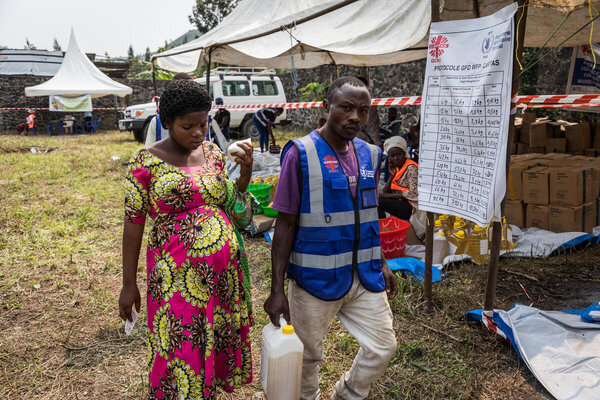
ROME – The United Nations World Food Programme (WFP) warned that 58 million people risk losing life-saving assistance in the agency’s 28 most critical crisis response operations unless new funding is received urgently.
PORT SUDAN/AMMAN/NEW YORK, 15 April 2025 (UNICEF)* – As the conflict in Sudan enters its third year, the number of children in need of humanitarian assistance has doubled, from 7.8 million at the start of 2023 to more than 15 million today.
.
Without urgent action, Sudan’s dire humanitarian crisis could tip into greater catastrophe.
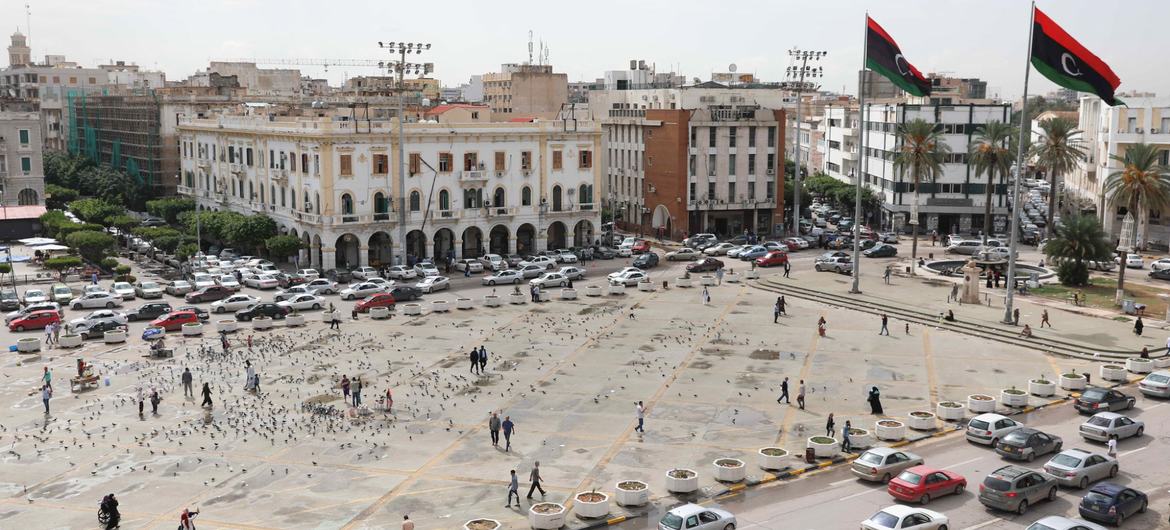
(UN News)* —Libya’s prolonged political transition is facing renewed strain, with mounting economic pressures and tensions between rival governments threatening the calm that has held since the 2020 ceasefire.
Nearly 15 years after the fall of Muammar Gaddafi and the emergence of rival administrations in 2014, the country remains divided, with the internationally recognised Government of National Unity (GNU) based in Tripoli in the northwest and the Government of National Stability (GNS) in Benghazi in the east.
IDLIB, Syria, Apr 17 2025 (IPS)* – The Syrian war has left countless Syrians with devastating injuries, ranging from limb amputations and burns to the loss of sensory functions.
.
Salem Diab experiences many difficulties since he lost his leg during the Syrian civil war. Credit: Sonia al-Ali/IPS
These injuries have profoundly impacted their lives, compounded by the limited attention and support they receive from civil society organizations.
Salam al-Hassan, 43, from Saraqib, south of Idlib city, lost both her legs in 2023 when a warplane missile exploded nearby.
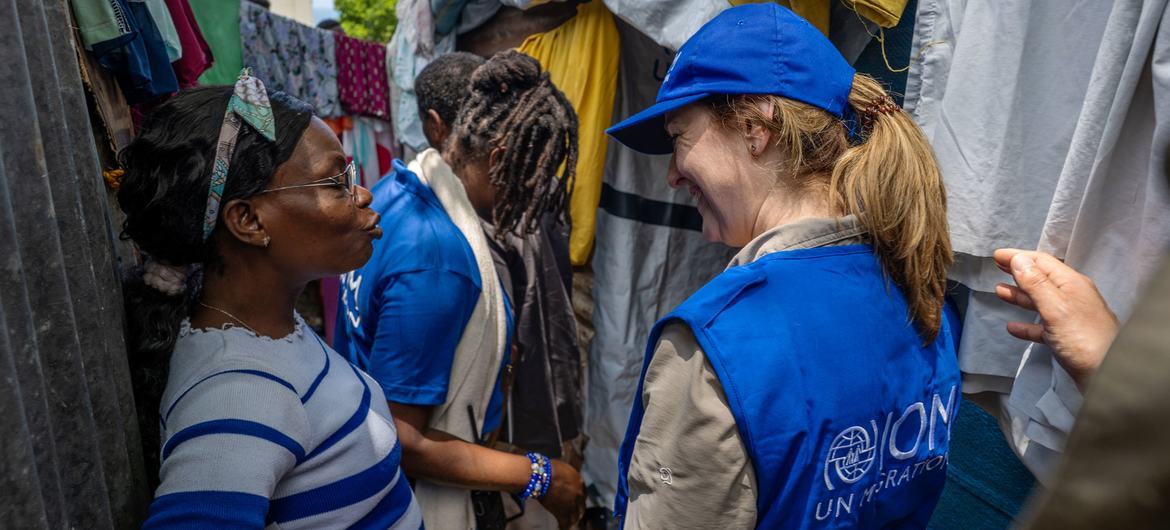
(UN News)* —The situation in Haiti represents “one of the most complex and urgent crises in the world with implications for regional and global stability,” said Amy Pope, Director General of International Organisation for Migration (IOM), speaking to journalists in New York on Wednesday .
As heavily armed gangs expand their control and public institutions are facing intense pressure, delivering humanitarian aid on the ground is becoming harder as funding is dwindling.



 HUMAN WRONGS WATCH