Human Wrongs Watch
By Davin Hutchins | Greenpeace*
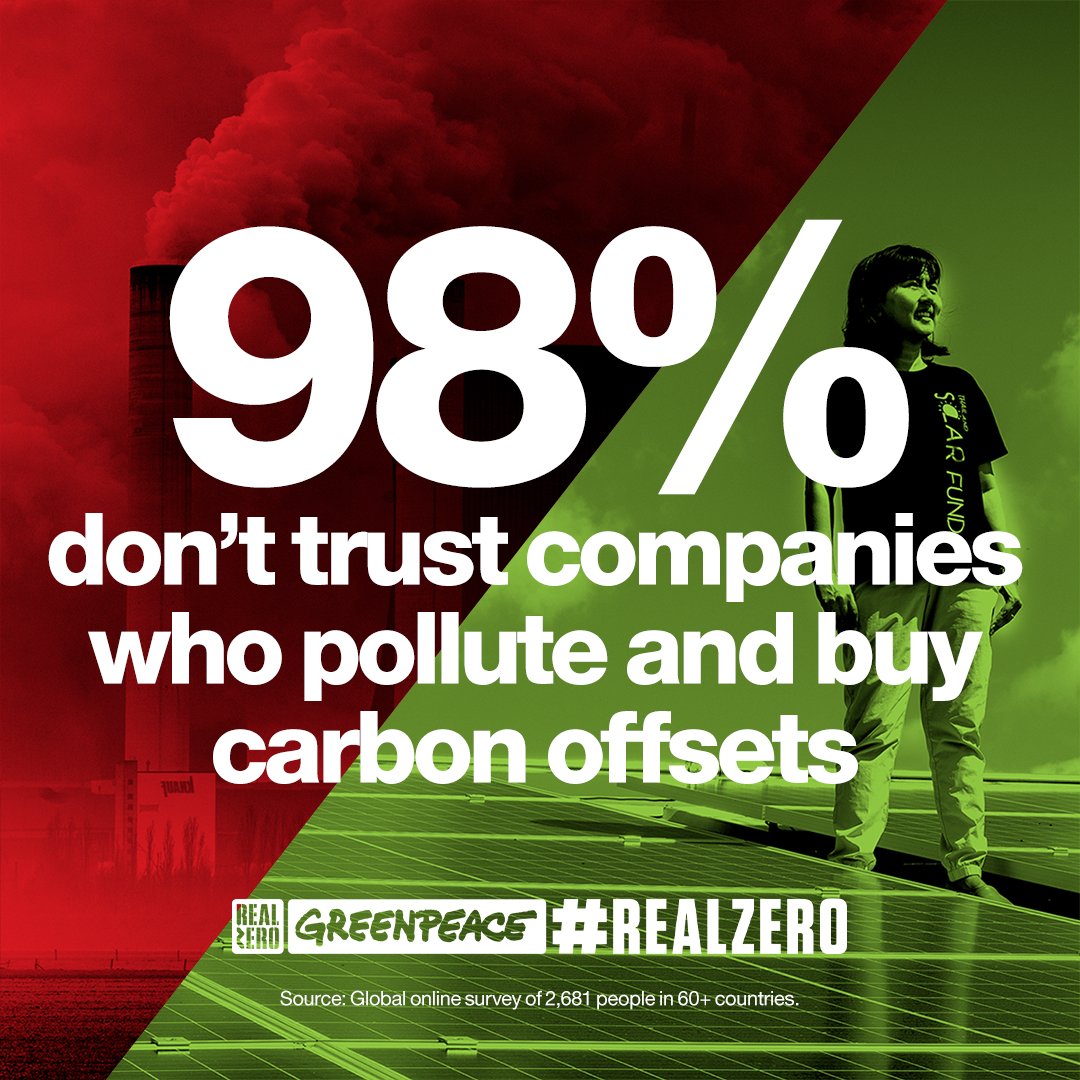
— We need urgent action to phase-out fossil fuels and cut emissions fast.
Previous
Next
read more »
'Unseen' News and Views
— We need urgent action to phase-out fossil fuels and cut emissions fast.
Next
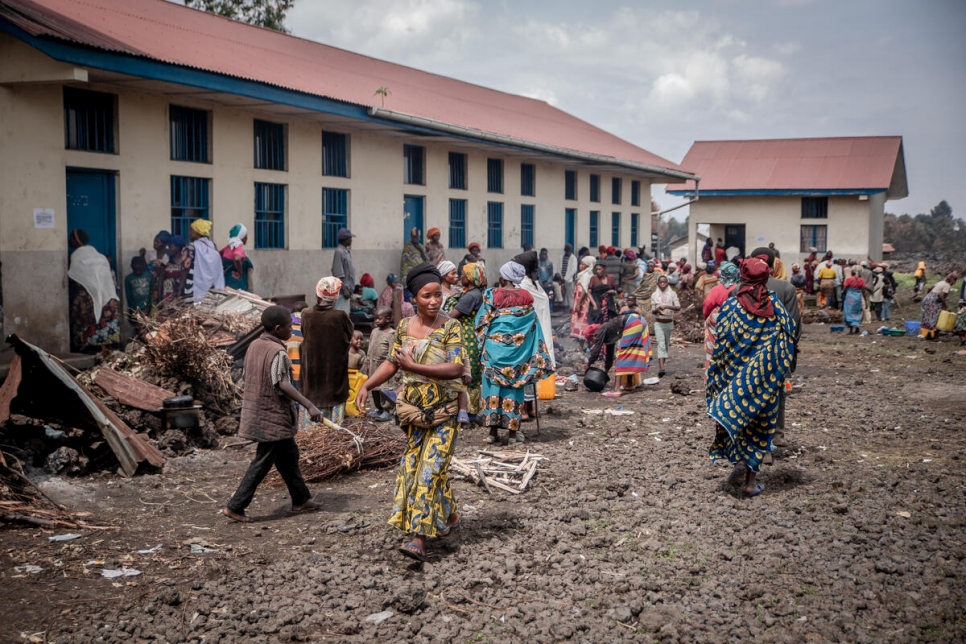
People fleeing the eruption of Mount Nyiragongo volcano in the Democratic Republic of the Congo seek shelter in the town of Sake, May 2021. UNHCR immediately began providing assistance. © UNHCR/Guerchom Ndebo
The report, for January-June 2021, showed an increase from 82.4 million at end 2020. This resulted largely from internal displacement, with more people fleeing multiple active conflicts around the world, especially in Africa. The report also noted that COVID-19 border restrictions continued to limit access to asylum in many locations.
Almost 27 thousand deaths were reported in the continent last week, more than half of all COVID-19 deaths globally.
Speaking to journalists in Geneva, WHO Director-General Tedros Ghebreyesus explained that the virus is not only surging in countries with lower vaccination rates in Eastern Europe, but also in nations with some of the world’s highest vaccination rates in Western Europe.
(UN News)* — The UN Human Rights High Commissioner has urged Belarus and Poland to urgently resolve the burgeoning migrant crisis on their mutual border, where thousands of people have gathered in an attempt to enter the European Union (EU).
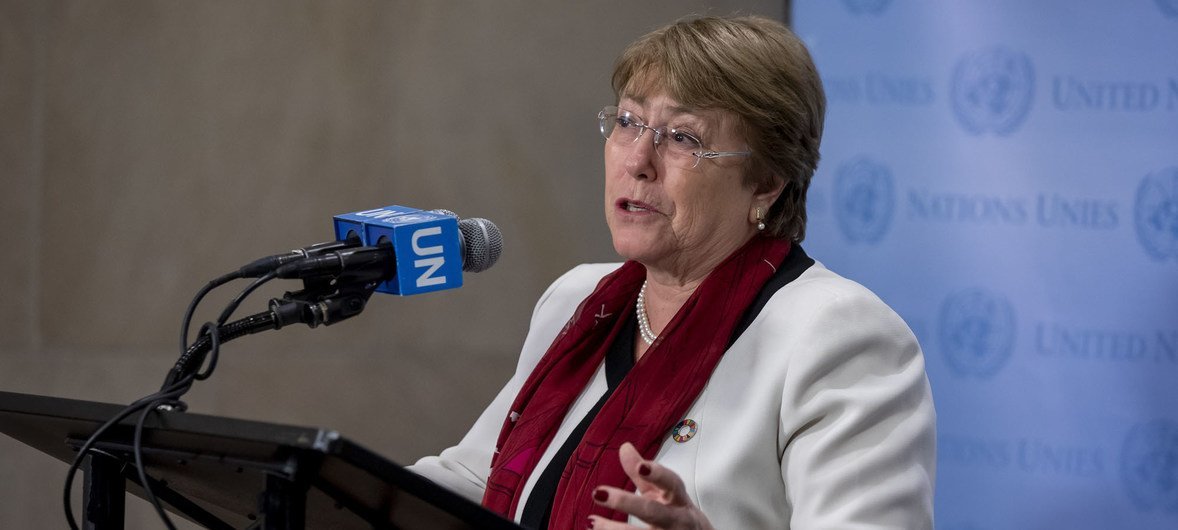
In a statement on Wednesday 10 November 2021, UN rights chief Michelle Bachelet said she was appalled that large numbers of migrants and refugees continue to be left in a desperate situation in near-freezing temperatures.
Glasgow, 10 November 2021 (WMO)* – Sea surface temperatures and ocean heat in parts of the South-West Pacific are increasing at more than three times the global average rate, with marine heatwaves bleaching once vibrant coral reefs and threatening vital ecosystems upon which the region depends.
– Tensions and hostilities persisted until early 2019, when the regime of Omar al-Bashir – to a large extent symbolized by oppressing minority groups in the Darfurs, Blue Nile state and South Kordofan – finally ended.
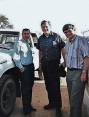
The author on the road between Dilling and Kadugli, the capital of South Kordofan in February 1999.
Meanwhile, many inhabitants of the Nuba Mountains and other parts of South Kordofan, had escaped to South Sudan, which had become independent in 2011.
There, they found, however, a country with even more interethnic strains and assaults, resulting, in addition to the innumerable internally displaced persons, the flight of 2.3 million citizens to six countries in the region. An area characterized by perpetual political and ethnic tensions which often resulted in border crossings in opposite ways.
Just in time for the UN’s policy push for “30 x 30” – 30% of the earth to be “conserved” by 2030 – a new Wall Street asset class puts up for sale the processes underpinning all life.

Ellen Brown
A month before the 2021 United Nations Climate Change Conference (known as COP26) kicked off in Scotland, a new asset class was launched by the New York Stock Exchange that will “open up a new feeding ground for predatory Wall Street banks and financial institutions that will allow them to dominate not just the human economy, but the entire natural world.” So writes Whitney Webb in an article titled “Wall Street’s Takeover of Nature Advances with Launch of New Asset Class”:
– While negotiators from all over the world have been discussing, since 31 October 2021 in Glasgow, every single word, coma and dot in order to reach a final text that is expected to apparently keep everyone happy but really not everybody satisfied, 50% of world’s population will live in coastal areas, exposed to floods, storms and tsunamis by the year 2030.
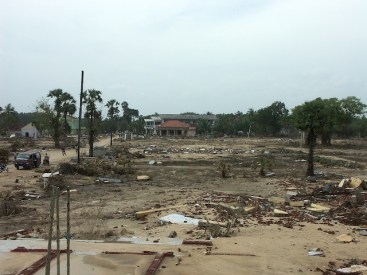
The pulverised beach in Kalmunai, located in eastern Sri Lanka, was stripped of most of its standing structures by the ferocity of the waves. Credit: Amantha Perera/IPS
– The United Nations has come under heavy fire for continuing a 20-month-long ban on non-governmental organizations (NGOs)– even though the Secretariat is expected to return to near-normal by November 15 after a pandemic lockdown going back to March 2020.

The high-level segment of the UN General Assembly in late September 2021 was attended by more than 100 world leaders and over a thousand delegates from 193 countries —despite the UN’s pandemic lockdown. But NGOs were banned from the Secretariat building—a 20-month- old ban which still continues. Credit: UN Photo / Mark Garten
Louis Charbonneau, UN Director of Human Rights Watch, told IPS: “The Secretary-General has repeatedly spoken of the vital importance of civil society to the proper functioning of the UN. Now he needs to prove he means it by re-admitting accredited NGOs – the only category of UN passholders still barred from entering UN headquarters.”
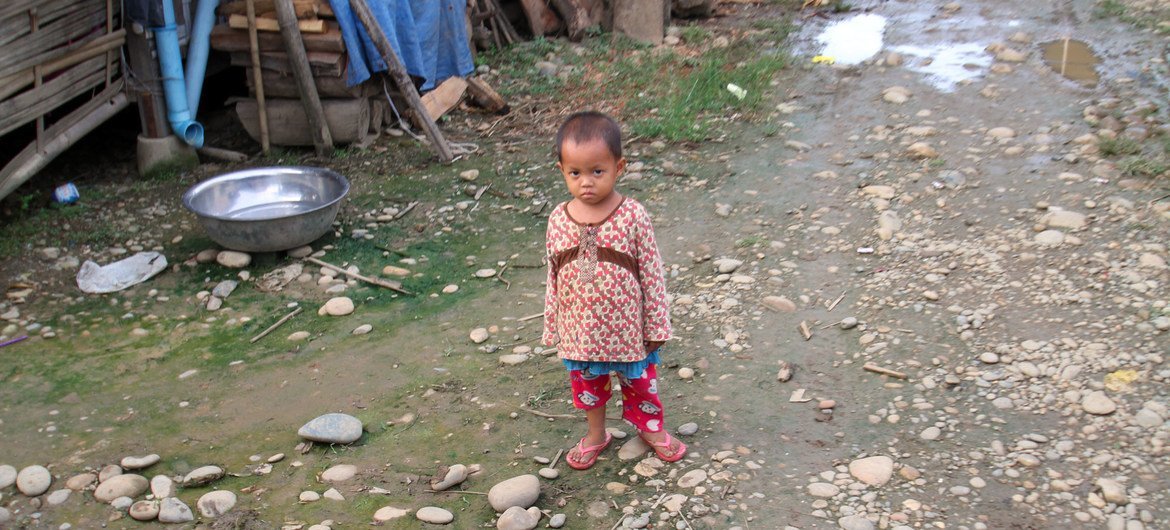
(UN News)* — Growing conflict, insecurity, COVID-19, and a failing economy, has rendered some three million Burmese in in need of life-saving humanitarian assistance across Myanmar, the UN Emergency Relief Coordinator said on Monday 8 November 2021.
 HUMAN WRONGS WATCH