10 December 2020 (WMO)* — Climate change continues to disrupt the Arctic, with the second-highest air temperatures and second-lowest summer sea ice driving a cascade of impacts, including the loss of snow and extraordinary wildfires in northern Russia in 2020.
11 December 2020 (United Nations)* — Mountains are home to 15% of the world´s population and host about half of the world’s biodiversity hotspots. They provide freshwater for everyday life to half of humanity. Their conservation is a key factor for sustainable development and is part of Goal 15 of the SDGs.
Unfortunately, mountains are under threat from climate change and overexploitation. As the global climate continues to warm, mountain people — some of the world’s poorest — face even greater struggles to survive.
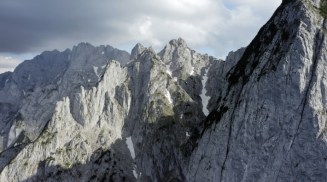
11 December 2020 (UNEP)* — The United Nations Environment Programme (UNEP), its Wild for Life campaign, and its Vanishing Treasures programme, invite you on an amazing virtual journey which takes you across four mountain regions to visit and learn about some of the iconic endangered species that roam these wild spaces.
Photo: UNEP / 11 Dec 2020
Awe-inspiring videos and fun quizzes help you learn about conservation efforts to maintain the delicate balance between animals and plants in the Tien Shan mountains in northern China; the Virunga mountains in the Democratic Republic of Congo, Rwanda, and Uganda; the “third pole” Hindu Kush Himalaya mountain region in south-central Asia; and Europe’s last great wilderness, the seven-country-straddling Carpathian Mountains.
International Mountain Day 2020 highlights need to protect ecosystems and improve livelihoods
Farmer Goma Panthi Khatri in village of Narapani, Nepal.
ROME, 11 December 2020 (FAO)* — Mountains host about half of the global biodiversity hotspots and are home to a growing number of the world’s hungriest people, according to a new study launched by the Food and Agriculture Organization of the United Nations (FAO) and partners to mark International Mountain Day 2020.
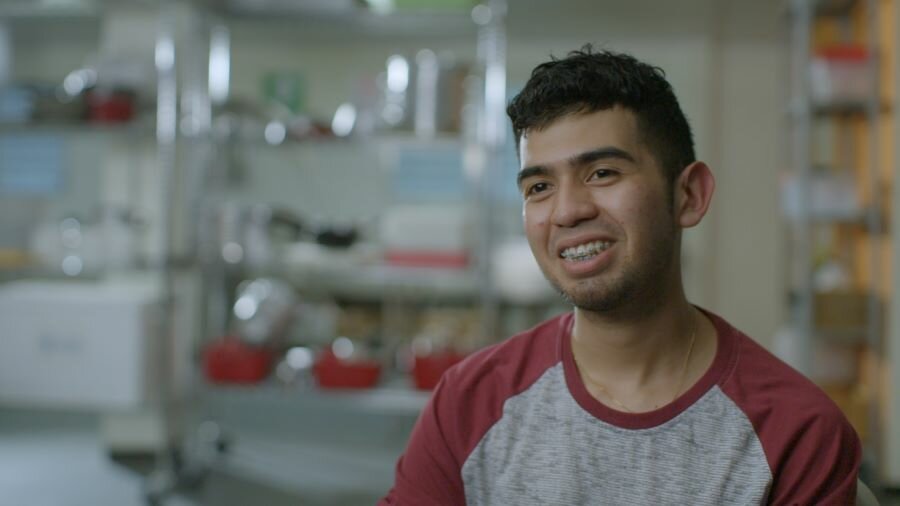
Despite the great challenges faced by youth in El Salvador, becoming a barista has given Moisés the opportunity to pursue his dreams
Access to job opportunities is a challenge for youth in El Salvador. Photo: WFP/Nick Roeder
10 December 2020, Haydee Paguaga (WFP)* — Together with the warmth of its people and beautiful beaches, export-quality coffee is one of the things El Salvador is known for. For 23-year-old Moisés, coffee is what turned his life around.
Like many young people in the country, Moisés has faced several challenges in the pursuit of his dreams. In a context of violence, mainly associated with youth, the stigma that goes with being young makes it difficult to access job opportunities.
(UN News)* — UN experts called on the Security Council on 3 December 2020, along with the international community at large, to put an end to the “surreal and absurd dimension” of human rights violations engulfing war-torn Yemen, where abuses continue unchecked.
“We are running out of time…approximately 16 million people cannot put food on their table. This is a disaster, this is a ticking time-bomb and the world needs to act now,” WFP spokesperson Tomson Phiri told journalists at a scheduled press conference in Geneva.
9 December 2020 (UN News)* — Prominent journalists and champions of press freedom from across the world are examining ways to overcome increasing challenges facing the media during a two-day online conference organized jointly by the UN’s cultural and educational agency, UNESCO, and the Netherlands.
.
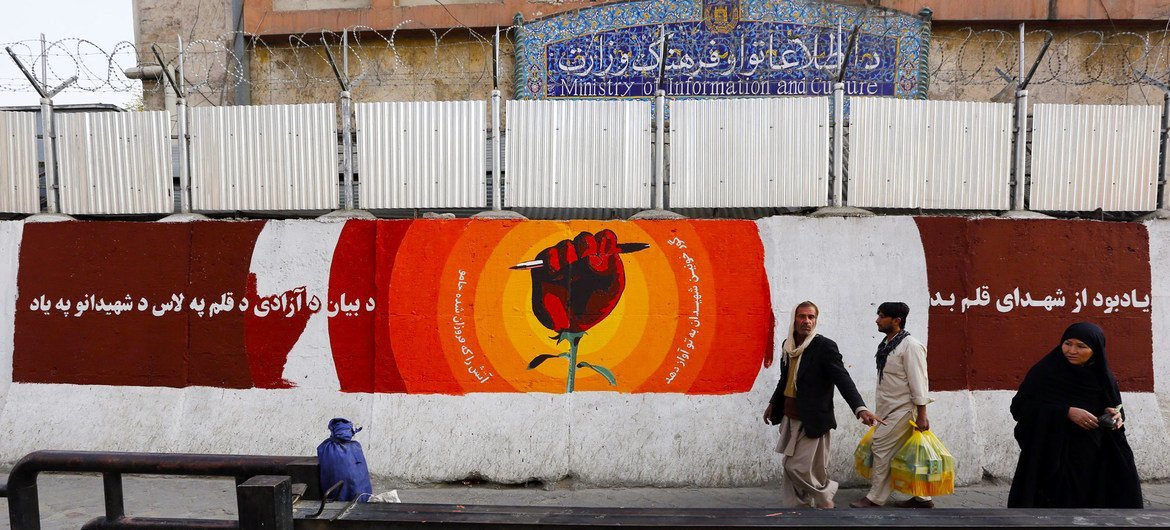
UNAMA/Fardin Waezi | A mural on a blast wall in downtown Kabul commemorates journalists killed in Afghanistan in 2016.
The World Press Freedom Conference 2020, which began on Wednesday [9 December 2020], features interactive panels and discussions covering issues such as investigating the killings of journalists, online violence against women journalists, and the media’s response to the COVID-19 pandemic.
NEW YORK, 10 December 2020 (UNICEF)* –These are the remarks of UNICEF Executive Director Henrietta Fore – to whom quoted text may be attributed – at today’s High-Level Event: Averting famine in Yemen: What can we do now and in 2021.
.
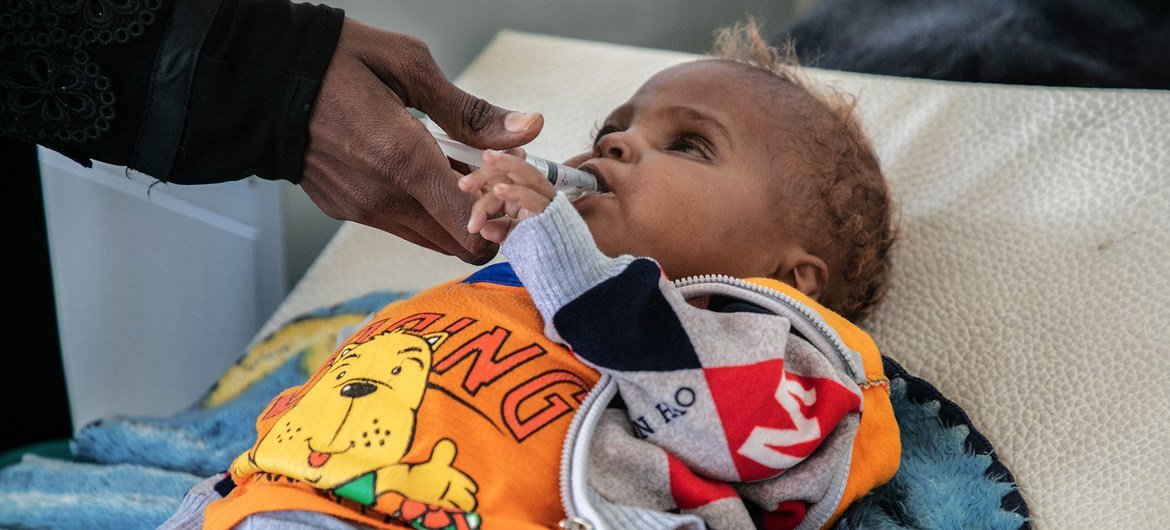
UNICEF Yemen/2020/Mahmoud Al-FalsatinyShawqi, 1, with his mother at the maternal and childhood centre in Zingibar, Abyan. Shawqi is making a strong recovery after receiving care at the UNICEF-supported health facility.
“Yemen is teetering on the edge of complete collapse.
“Over 80 per cent of people require urgent humanitarian assistance and protection. Including 12 million children, whose lives are a waking nightmare.
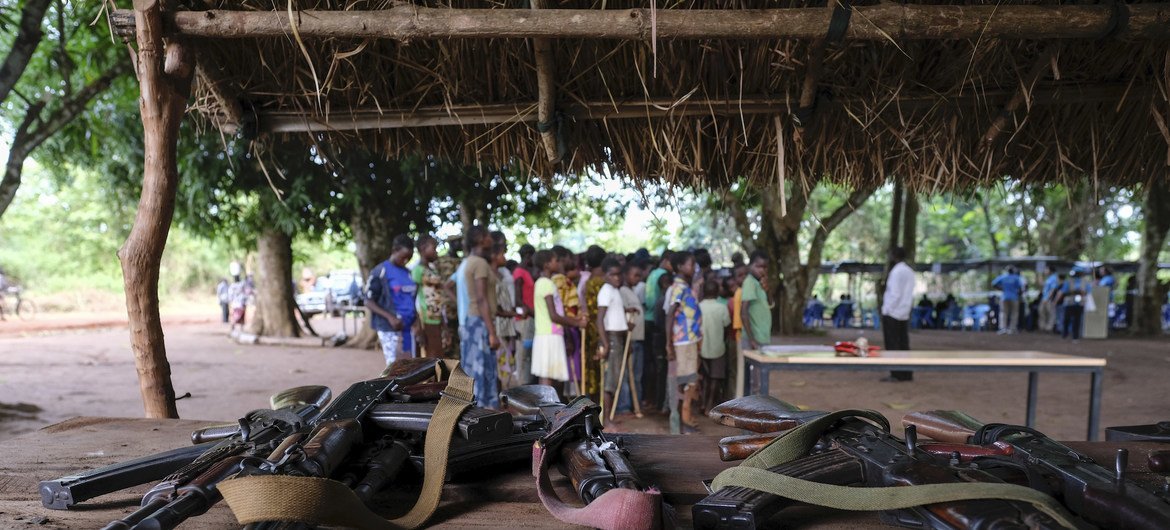
(UN News)* — At a time when Africa is mobilizing resources for pandemic recovery and sustainable development, illicit financial flows (IFFs) are robbing the continent of $50 billion annually, UN Deputy Secretary-General Amina Mohammed told a high-level virtual meeting on Thursday [10 December 2020] held under the African Union’s (AU) ‘Silencing the Guns’ initiative.
UNICEF/Rich | Firearms laid down by child soldiers associated with armed groups in South Sudan (file
These “staggering losses” would be enough to bridge nearly 75 per cent of Africa’s health financing gap, provide inclusive education for all children there, and fund infrastructure projects, she added. “These flows pose a threat to stability and security in African countries, undermine institutions and democracy, and jeopardize sustainable development and the rule of law,” said Ms. Mohammed.
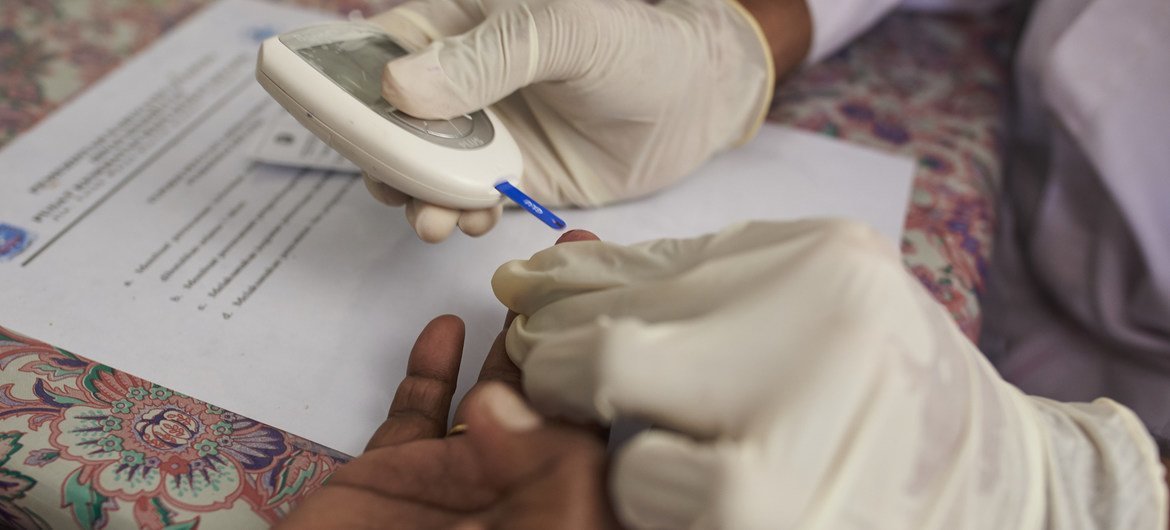
Non-communicable diseases account for 7 of the world’s top 10 causes of death, a sharp increase from two decades ago, and heart disease remains the leading cause of death globally, a new UN World Health Organization (WHO) study has found (*).
UNICEF/Shehzad Noorani | According to WHO, global deaths from diabetes increased by 70 per cent between 2000 and 2019. Pictured here, a health worker checks a woman’s blood sugar level at a community health centre in Jayapura district, Indonesia.
The 2019 Global Health Estimates, released on Wednesday [9 December 2020], “clearly highlight” the need for increased attention on preventing and treating cardiovascular diseases, cancer, diabetes and chronic respiratory diseases, as well as tackling injuries, according to WHO.




 HUMAN WRONGS WATCH