If you want to glimpse the strange, brutal logic that governs our world, don’t start with politicians or generals—start with the bank towers glittering above your city skyline and the endless parade of military hardware rolling across distant deserts.
These are the altars of the age: places where class warfare is waged relentlessly, not through open declarations but via the everyday rituals of finance and force.
And though the language of “class warfare” may evoke images of barricades and revolution, the reality today is far more insidious—a meticulously organized onslaught against the fabric of society itself, a crime against peace perpetrated not by outlaws, but by the very architects of our economic and military order.
Class warfare, in this sense, is neither forgotten rhetoric nor historical artifact.
(UN News)* — As Gaza faces famine-like conditions, large numbers of people reportedly continue to be killed and injured while searching for food, the UN Office for the Coordination of Humanitarian Affairs (OCHA) said on Friday [].
The months-long deprivation of most life-sustaining basic goods has led to a deepening of the crisis. More than 100 people were killed, and hundreds of others injured, along food convoy routes and near Israeli-militarised distribution hubs in the past two days alone.
As one in three people currently going days without food, OCHA reiterated that no one should ever be forced to risk their life to get something to eat.
29 July 2025 – While summer rains typically offer some relief, this year’s cumulative rainfall is expected to drop by 40 per cent in some regions, leaving 15 million people who are water insecure in a precarious state without safe drinking water or reliable sanitation.
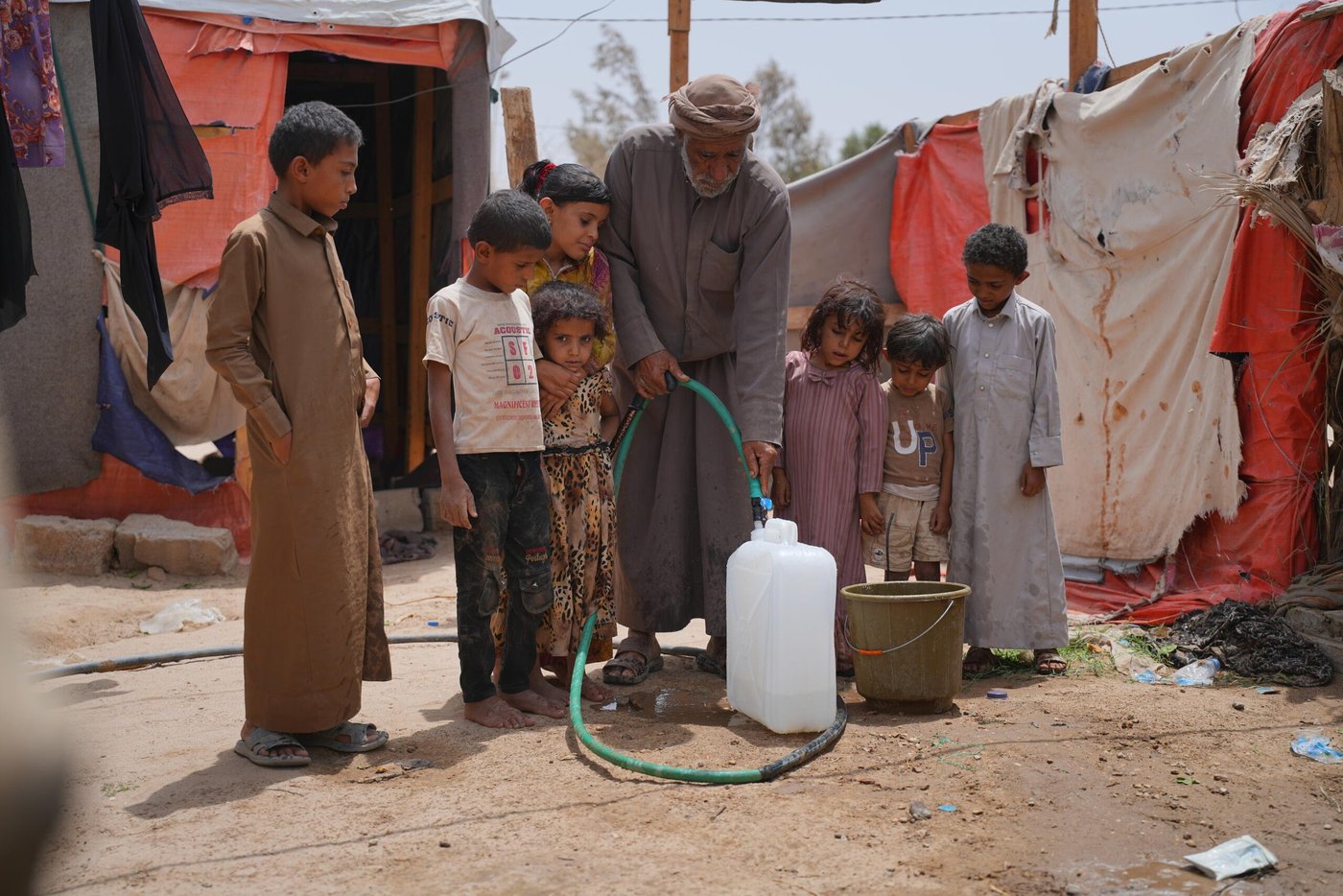
Mureshed, 75, surrounded by his grandchildren in Hajjibah camp, Yemen. Suleiman Al-Shara’abi/NRC
Low seasonal rainfall in Yemen has severely exacerbated an already dire situation, with Yemenis in both rural areas and cities struggling to access clean water, warns the Norwegian Refugee Council (NRC).
“With every year that passes, Yemenis see their ability to access water shrink,” said Angelita Caredda, NRC’s Middle East and North Africa Regional Director.
MOGADISHU, Somalia –“I didn’t know if she would make it.” When Faduma Mohamed gave birth to her daughter at Banadir Hospital in Mogadishu, the silence that followed was terrifying. Her premature daughter was tiny, underweight and barely breathing.
Just months earlier, she might not have; the hospital’s newborn intensive care unit was severely under-resourced, lacking essentials such as incubators and oxygen support machines.
(UN News)* — In Gaza, UN aid teams continued their efforts on Thursday [] to help people of the war-shattered enclave by retrieving urgently needed fuel and other supplies from the Kerem Shalom crossing in the south of the Strip.
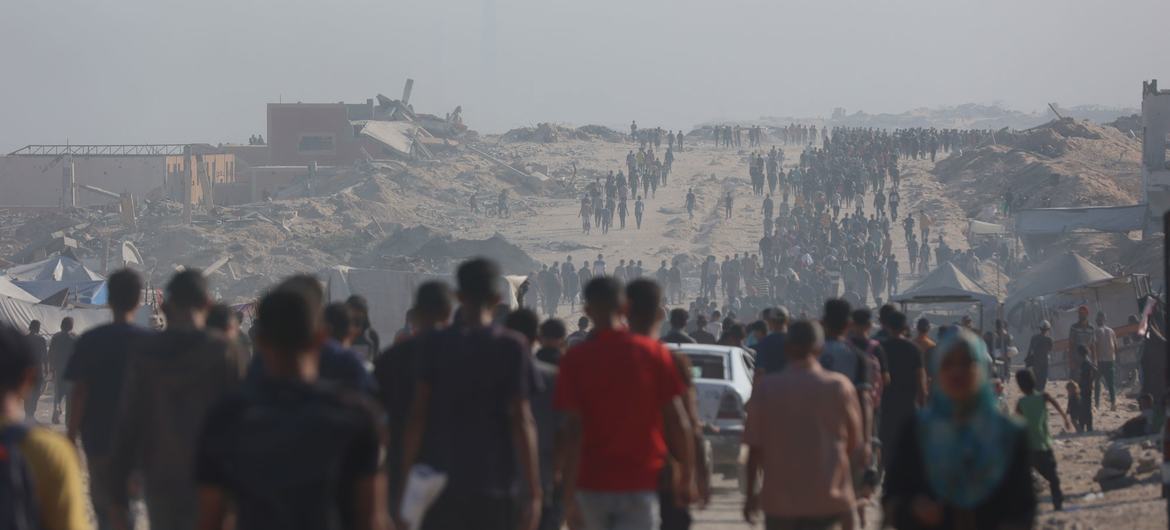
UN News | Crowds move towards an aid delivery point in the northern Gaza Strip.
Without fuel, many basic facilities cannot function, from water treatment plants to medical infrastructure.
Meanwhile, Gazans now on the brink of famine have been reduced to taking desperate measures in their search for food, scouring the roads taken by aid convoys, UN aid worker Olga Cherevko told UN News.
“While we were driving, I saw an elderly man on the side of the road completely alone, kneeling down, and he was picking up handfuls of lentils that had spilled on the ground from one of the previous convoys that had been passing,” she said.
SRINAGAR, India & KINSHASA, DRC, Jul 29 2025 (IPS)* —The Democratic Republic of Congo (DRC) stands on the precipice of a profound environmental and social crisis, as the government prepares to auction 55 new oil blocks that cover more than half the country’s landmass.
Activists march in the street of Goma, in the Democratic Republic of Congo to demand climate justice and an end to oil exploration in the Virunga National Park. Credit: MNKF Creatives
Touted as a pathway to economic growth, the move has triggered fierce backlash from scientists, civil society groups, Indigenous leaders, and international conservationists, who warn that the proposed fossil fuel expansion threatens some of the most ecologically and culturally significant landscapes on Earth.
Aid cuts and humanitarian deadlock are fuelling a full-blown public health disaster.
In Sake and Minova, 500 people are sharing a single water tap.
Francoise lost six children in the conflict in DRC. She has been displaced to a camp in Bunia with her five remaining children after their village was attacked. Photo: John Wessels/Oxfam
Six months since the renewed war in the Democratic Republic of Congo (DRC), a full-blown public health emergency is accelerating, Oxfam warned on 24 July 2025
Since January, more than 35,000 suspected cholera cases and at least 852 related deaths have been reported – an average of more than four deaths every day and a 62 percent increase compared to 2024.
(UN News)* — Some 80,000 children are estimated to be at high risk of cholera in West and Central Africa as the rainy season begins across the region, the UN Children’s Fund (UNICEF) said on Wednesday [].
“The heavy rains, widespread flooding and the high level of displacement are all fuelling the risk of cholera transmission and putting the lives of children at risk,” saidUNICEF regional director for West and Central Africa Gilles Fagninou.
Cholera is an acute diarrhoeal infection caused by consuming food or water contaminated with bacteria. The disease can be treated with oral rehydration solution and antibiotics but can be fatal within hours if untreated.
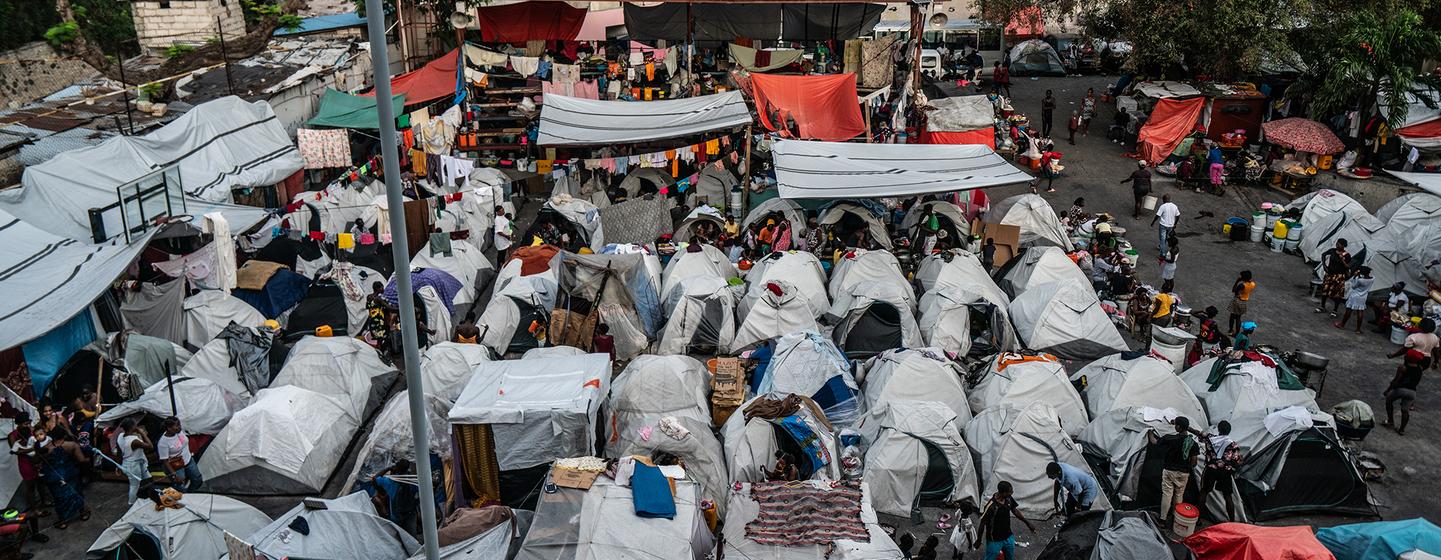
(UN News)* —People in Haiti have expressed “despair” following the “abrupt suspension” of a wide range of humanitarian services, according to the UN aid coordinationoffice, OCHA, in the Caribbean country.
The cancellation of most US funding in January means many services to the most vulnerable people have been cut or put on hold.
Multiple political, security and socioeconomic crises have led to 5.7 million people suffering from a lack of food and have forced 1.3 million people to flee their homes.
With a dramatic reduction in funding, Haiti faces a crucial “turning point”.
ATLANTA, USA, Jul 30 2025 (IPS)* –– Why is a grinning Netanyahu, Israel’s Prime Minister, wildly cheered by both Democrats and Republicans whenever he addresses the US Congress, while at the same time in Gaza countless innocent civilians are being killed by American bombs and bullets—and now babies are starving?
Rescue workers line up body bags in Tal Al Sultan, in Rafah, in southern Gaza. Credit: UNOCHA
Shamefully, Israel’s leader, a certified genocidaire, is one of the few global leaders to have ever been granted the privilege of speaking to Congress, which he has done frequently.
But the world sees and will remember his Big Lie that “There is no starvation in Gaza.”
The mantle of righteousness that once adorned the American flag after WW II is shredded, perhaps beyond repair.
 These are the altars of the age: places where class warfare is waged relentlessly, not through open declarations but via the everyday rituals of finance and force.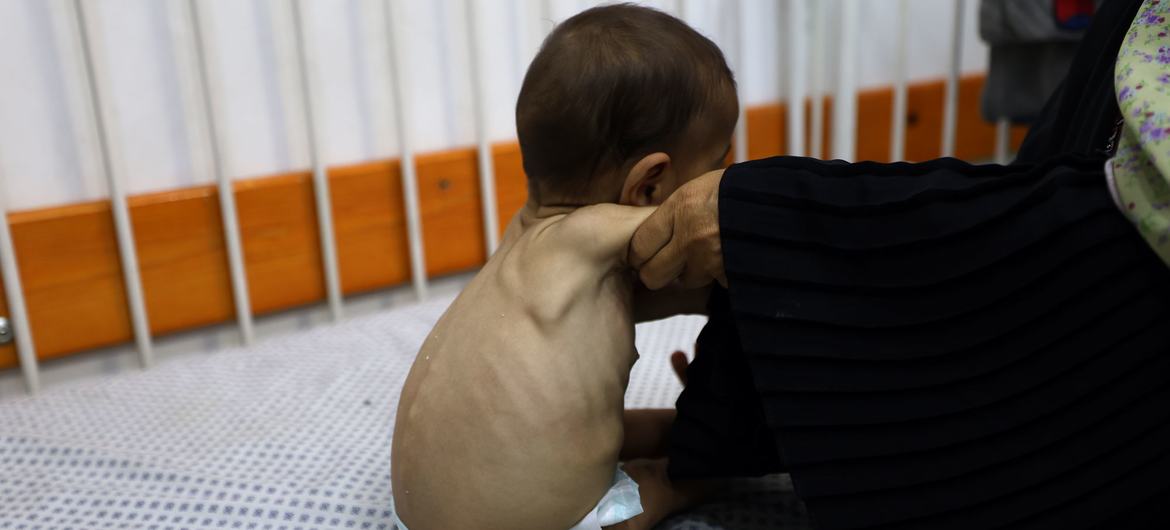



 HUMAN WRONGS WATCH