But the United Nations Population Fund (UNFPA)’s State of World Population report shows the real issue is a lack of reproductive agency—many people, especially youth, are unable to have the children they want.
The World Population Day 2025 [11 July] highlights this challenge, focusing on the largest-ever generation of young people.
The theme, “Empowering young people to create the families they want in a fair and hopeful world,” calls for ensuring youth have the rights, tools, and opportunities to shape their futures.
Young people are already driving change, but face major obstacles: economic insecurity, gender inequality, limited healthcare and education, climate disruption, and conflict.
NAIROBI & BHUBANESWAR, Jul 10 2025 (IPS)* –The global population is aging at a time when heat exposure is rising due to climate change. Extreme heat can be deadly for older populations given their reduced ability to regulate body temperature.
Facing frequent climate hazards, resultantly offsprings having migrated out, this South Sikkimese elder in India battles depression, anxiety and early onset of dementia. Credit: Manipadma Jena/IPS
Already there has been an 85 percent increase since 1990 in annual heat-related deaths of adults aged above 65, driven by both warming trends and fast-growing older populations.
If this were not heartbreakingly disastrous enough, heat-related deaths in older populations are projected to increase by 370 percent annually if global temperatures rise by 2˚ Centigrade mid-century.
PORTLAND, USA, Jun 30 2025 (IPS)* – Approximately 1.3 billion people, or 16% of the world’s population, wish to leave their country permanently, while over a billion people believe that fewer or no immigrants should be allowed into their countries.
The number of people desiring to emigrate permanently exceeds the number of immigrants countries are willing to admit, leading many individuals to migrate without authorization. Credit: Shutterstock.
This demographic struggle between the two sides over international migration is causing significant social, economic, and political repercussions for nations and their citizens.
The 1.3 billion individuals desiring to emigrate to another country is over four times the size of the estimated total number of immigrants worldwide in 2025, which is around 305 million.
UNITED NATIONS, New York – “Do you want kids?” Every day, people around the world ask themselves, and others, this question. But it also begs another: “Do you feel able to have children?”
With over 8 billion people in the world, it’s a question that has become arguably more loaded.
For some, this number is unsustainable, unequally distributed and will cause the planet’s demise. Others worry we’re in a “population collapse” – that societies cannot sustain their ageing, slowing demographics.
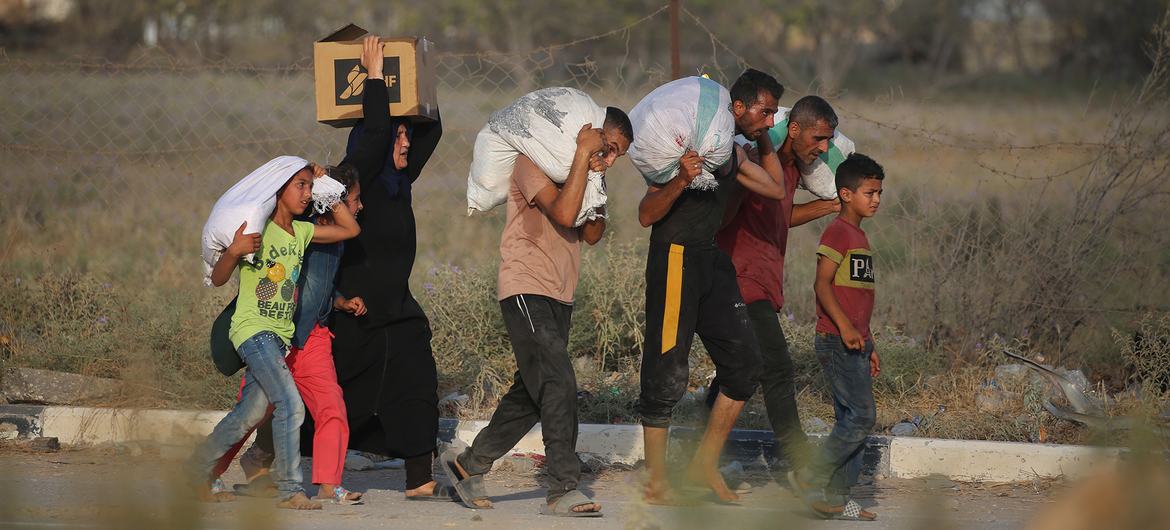
(UN News)* — As scores of people – including medical staff and their families – have reportedly been killed in the past week, UN health partners in Gaza continue to provide emergency care despite very limited resources.
Across the Gaza Strip, as people desperately search for food, mass casualty incidents are reported almost daily, UN Spokesperson Stéphane Dujarric, told reporters at his regular briefing in New York.
Hospitals, already under immense strain, are struggling to cope and lack of essential supplies – including fuel and medicines – is placing even greater pressure on overstretched teams.
(UN News)* — On the eve of the fourteenth anniversary of its independence, South Sudan – the world’s youngest country – is experiencing its worst and longest cholera outbreak.
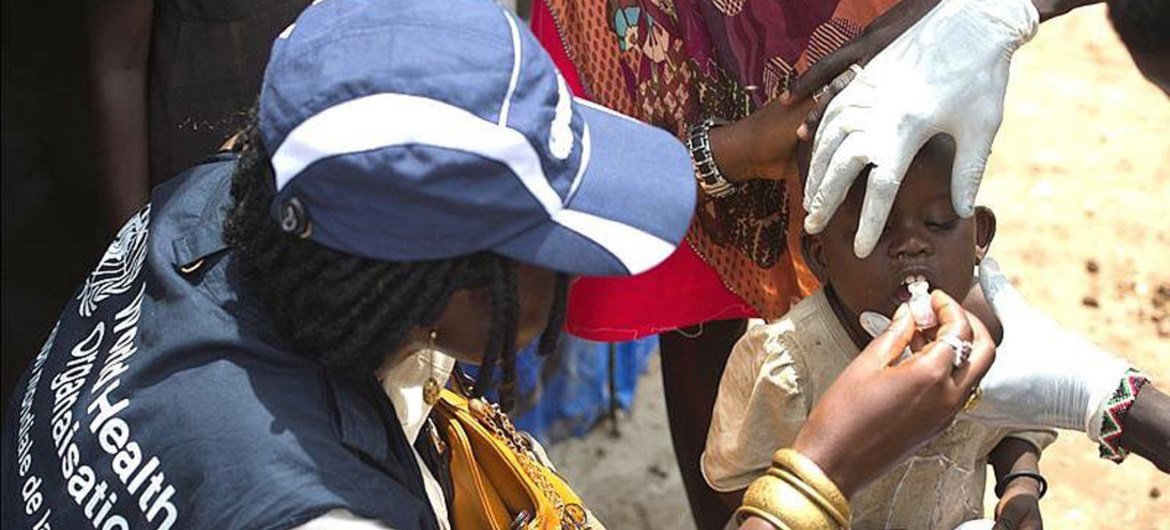
WHO/South Sudan | The World Health Organization (WHO) is working with health authorities in South Sudan and partners to scale up cholera prevention efforts, including a vaccination campaign.
The outbreak – which started in September 2024 and was confirmed a month later – comes amidst a protracted humanitarian crisis exacerbated by rising intercommunal violence, climate shocks such as flooding and catastrophic hunger.
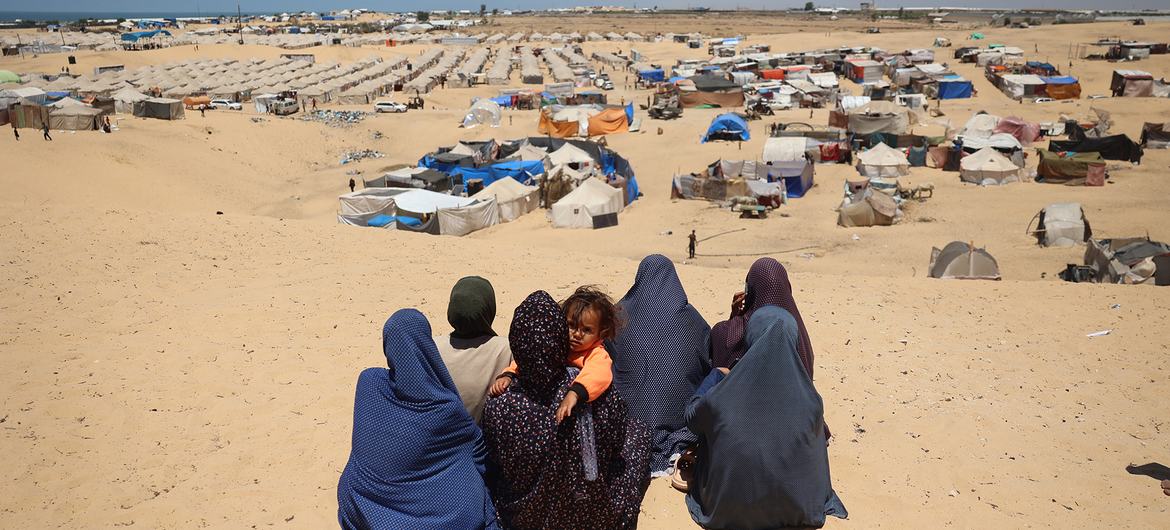
(UN News)* —UN humanitarians have warned that the catastrophic conditions in Gaza are worsening, as tents, schools, homes and medical facilities come under attack, and fuel supplies run out.
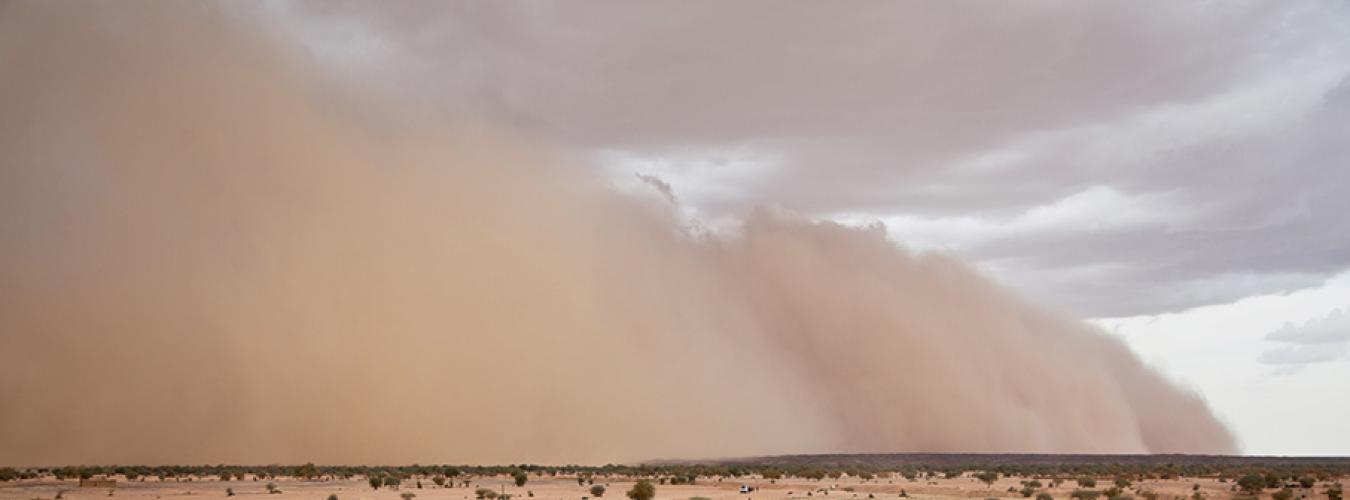
(United Nations)* —Some of the most intimidating sights in nature are rolling dark clouds of sand and dust that engulf everything in their path, a phenomenon that turns day into night and wreaks havoc everywhere from Northern China to sub-Saharan Africa.
The southern part of South America is counting the societal and economic cost of an extreme cold spell which brought frost and freezing morning temperatures intensified from Patagonia to central regions of Chile and Argentina.
Date: 01/07/2025 Location: Atacama Desert
European Union, Copernicus Sentinel-2 imagery
On 30 June, both Chile and Argentina ranked among the coldest places on Earth, excluding the polar regions.
It was due to the persistence of a powerful polar-origin anticyclone which extended into parts of Paraguay and Uruguay, causing unusually low temperatures for the season.
The World Meteorological Organization, its members and partners are ramping up action against extreme heat to protect lives from what is widely described as a silent killer.
July is typically the warmest month of the year in the Northern hemisphere.
Western Europe is currently under influence of a strong high-pressure system, trapping dry air from northern Africa over the region and leading to extreme heat which is having a major impact on all aspects of daily life, leading to spikes in air pollution and a big risk of wildfires.
This is coupled with a severe drought in some European countries.




 HUMAN WRONGS WATCH