Human Wrongs Watch
FAO’s new Food Outlook report examines drivers of rising prices of food commodities, freight and agricultural inputs
.
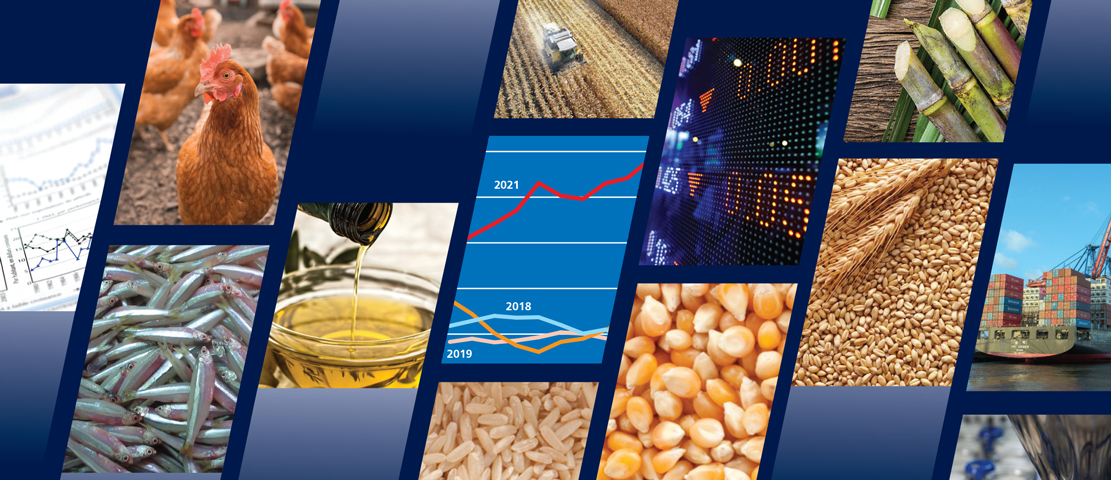
Food Outlook ©FAO
'Unseen' News and Views
FAO’s new Food Outlook report examines drivers of rising prices of food commodities, freight and agricultural inputs
.
Food Outlook ©FAO
(UN News)* — The UN Human Rights High Commissioner has urged Belarus and Poland to urgently resolve the burgeoning migrant crisis on their mutual border, where thousands of people have gathered in an attempt to enter the European Union (EU).
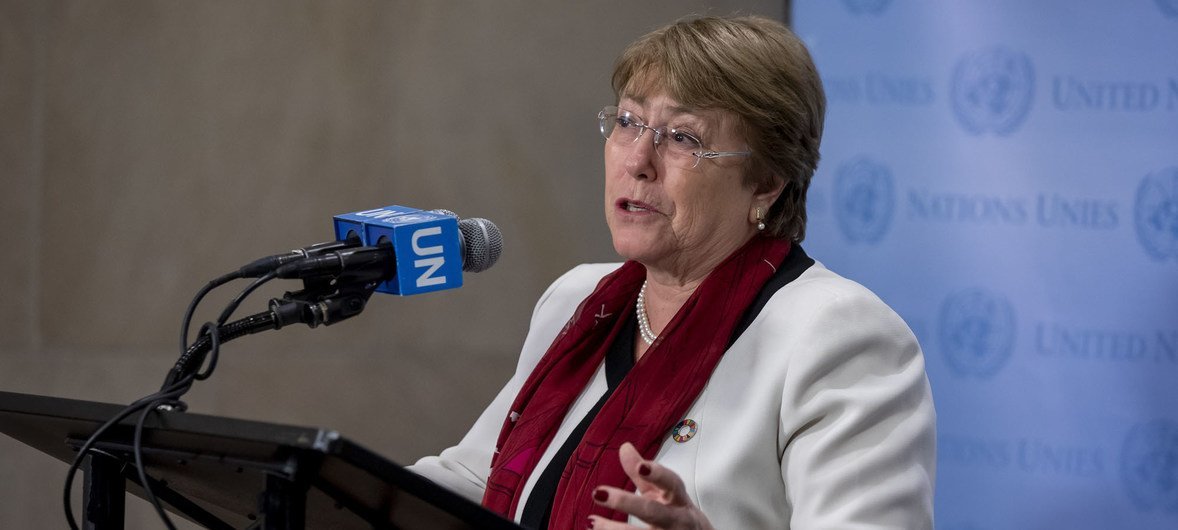
In a statement on Wednesday 10 November 2021, UN rights chief Michelle Bachelet said she was appalled that large numbers of migrants and refugees continue to be left in a desperate situation in near-freezing temperatures.
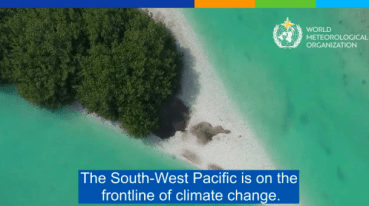
Glasgow, 10 November 2021 (WMO)* – Sea surface temperatures and ocean heat in parts of the South-West Pacific are increasing at more than three times the global average rate, with marine heatwaves bleaching once vibrant coral reefs and threatening vital ecosystems upon which the region depends.
– Tensions and hostilities persisted until early 2019, when the regime of Omar al-Bashir – to a large extent symbolized by oppressing minority groups in the Darfurs, Blue Nile state and South Kordofan – finally ended.
The author on the road between Dilling and Kadugli, the capital of South Kordofan in February 1999.
Meanwhile, many inhabitants of the Nuba Mountains and other parts of South Kordofan, had escaped to South Sudan, which had become independent in 2011.
There, they found, however, a country with even more interethnic strains and assaults, resulting, in addition to the innumerable internally displaced persons, the flight of 2.3 million citizens to six countries in the region. An area characterized by perpetual political and ethnic tensions which often resulted in border crossings in opposite ways.
Just in time for the UN’s policy push for “30 x 30” – 30% of the earth to be “conserved” by 2030 – a new Wall Street asset class puts up for sale the processes underpinning all life.

Ellen Brown
A month before the 2021 United Nations Climate Change Conference (known as COP26) kicked off in Scotland, a new asset class was launched by the New York Stock Exchange that will “open up a new feeding ground for predatory Wall Street banks and financial institutions that will allow them to dominate not just the human economy, but the entire natural world.” So writes Whitney Webb in an article titled “Wall Street’s Takeover of Nature Advances with Launch of New Asset Class”:
– While negotiators from all over the world have been discussing, since 31 October 2021 in Glasgow, every single word, coma and dot in order to reach a final text that is expected to apparently keep everyone happy but really not everybody satisfied, 50% of world’s population will live in coastal areas, exposed to floods, storms and tsunamis by the year 2030.
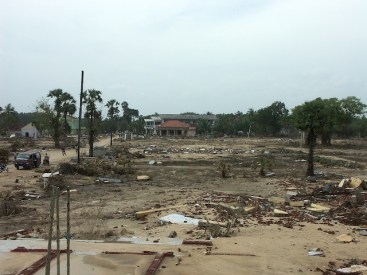
The pulverised beach in Kalmunai, located in eastern Sri Lanka, was stripped of most of its standing structures by the ferocity of the waves. Credit: Amantha Perera/IPS
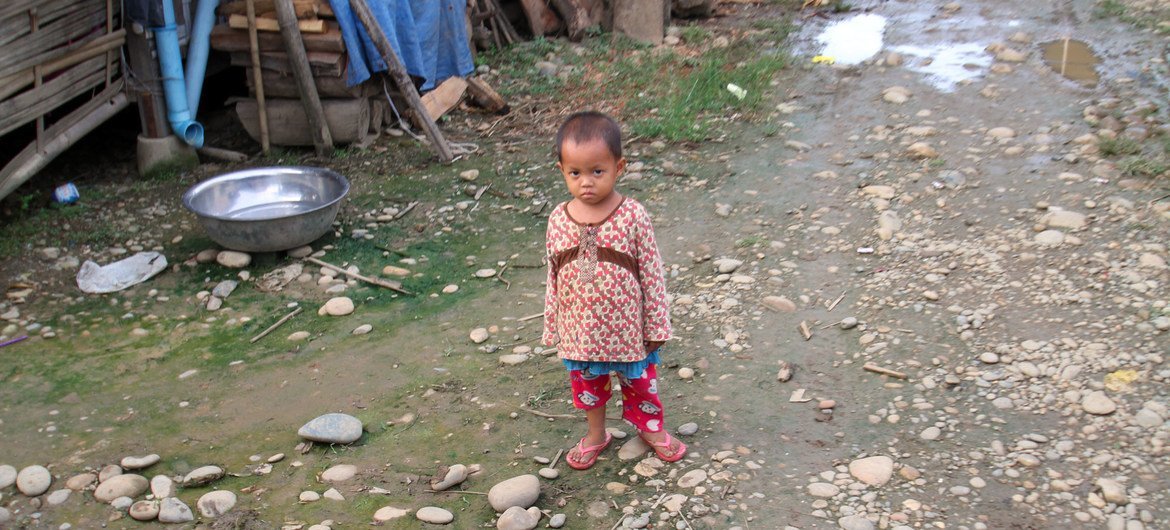
(UN News)* — Growing conflict, insecurity, COVID-19, and a failing economy, has rendered some three million Burmese in in need of life-saving humanitarian assistance across Myanmar, the UN Emergency Relief Coordinator said on Monday 8 November 2021.
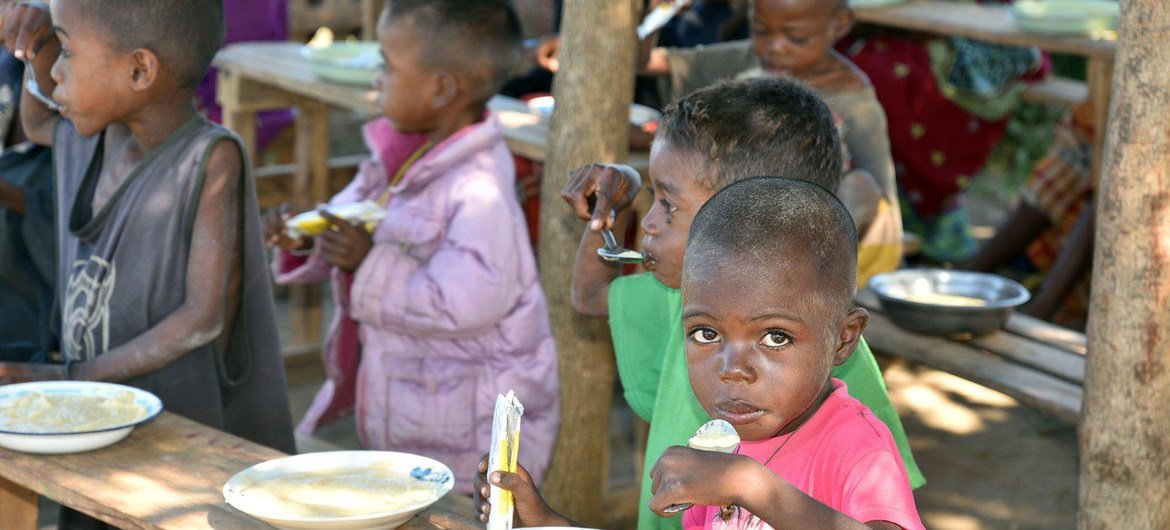
(UN News)* — The UN World Food Programme (WFP) warned on Monday [8 November 2021] that the number of people teetering on the edge of famine in 43 countries, has risen to 45 million – up by three million this year – as acute hunger spikes around the world.
5 November 2021 (UNEP)* — November 6 marks the International Day for Preventing the Exploitation of the Environment in War and Armed Conflict. Curtailing the use of Explosive Weapons in Populated Areas (EWIPA) is a humanitarian priority due to increasing civilian deaths and injuries from armed conflict in urban settings and indirect environmental impacts, which are now recognized as an important dimension of their use.

REUTERS/Ceerwan Aziz / 05 Nov 2021
The environment is an inseparable part of the well-being, health and survival of civilians. EWIPA cause harmful pollution and destruction, which constrains access to the environment civilians live in.
 HUMAN WRONGS WATCH