As the world rings in a new year, the need to address ongoing and long-lasting humanitarian crises remains urgent. In 2026, several regions will face challenges that will demand global attention.
Occupied Palestinian territory
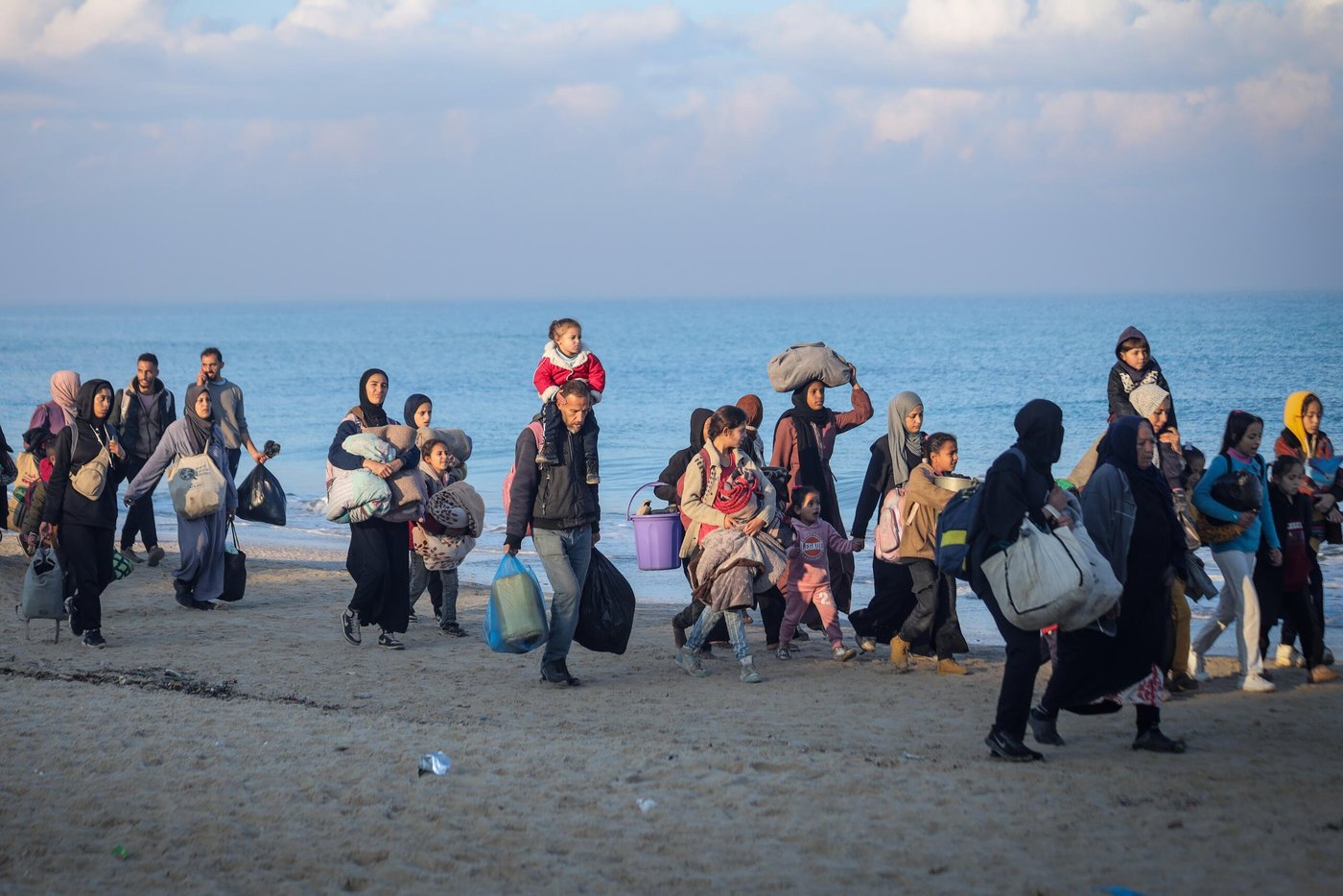
Displaced Palestinians make their way back to their homes in northern Gaza. Photo: Amjad al Fayoumi/NRC
A fragile ceasefire came into effect in Gaza in October, yet civilians remain in urgent need of food, medicine, shelter, clean water and other essential items and services.
More than 70,000 Palestinians have been killed and 170,000 injured over two years of hostilities, and the death toll continues to rise. 1.9 million people – around 90 per cent of the population – have been forcibly displaced, often multiple times.
(UN News)* — The United States’ intention to withdraw from a host of UN bodies announced this week targets programmes and initiatives focusing on a wide range of crucial areas, including the climate crisis, trade, gender and development.
When UN Spokesperson Stéphane Dujarric briefed correspondents in New York on Thursday [8 ] following the release of the White House Memorandum, he insisted that the Organization will continue to carry out its mandates from Member States “with determination.”
.
Wednesday’s memorandum states that the US administration is “ceasing participation in or funding to those entities to the extent permitted by law.”
.
Several of the bodies listed in the memo are funded principally or partially by the regular UN budget, implying that voluntary funding will be impacted, although central funding will continue.
UNITED NATIONS, Jan 5 2026 (IPS)* –The statistics are staggering: while military spending keeps skyrocketing, Official Development Assistance (ODA)– from the rich to some of the world’s poorer nations– has been declining drastically.
.
According to a Fact Sheet released by the UN last week, the $2.7 trillion allocated in just one year (2024) to global military spending amounted to $334 for every person on the planet; the size of the entire Gross Domestic Product (GDP) of all African countries; more than half the GDP of all Latin American countries; 750 times the 2024 UN regular budget; and almost 13 times the amount of ODA provided by the Organisation for Economic Co-operation and Development (OECD) in 2024.
(UN News)* —UN Secretary-General António Guterres has expressed regret over the decision by the United States to withdraw from a number of UN entities, while underscoring that the system will continue to deliver on all its mandates.
UN Photo/Loey Felipe | A view of the UN Headquarters, in New York.
“As we have consistently underscored, assessed contributions to the United Nations regular budget and peacekeeping budget, as approved by the General Assembly, are a legal obligation under the UN Charterfor all Member States, including the United States,” a statementissued by the UN Spokesperson said on Thursday [].
Wednesday night’s presidential memorandum directs US executive departments and agencies to take immediate steps to withdraw from dozens of international organizations, conventions and treaties deemed by Washington to be contrary to US interests.
UNITED NATIONS, Jan 8 2026 (IPS)* –President Donald Trump’s executive order to stop U.S. support for 66 international organizations, including 31 United Nations (UN) groups, has faced strong opposition from these organizations, the global community, humanitarian experts, and climate advocates, who are concerned about the negative effects on global cooperation, sustainable development, and international peace and security.
.
Donald Trump, President of the United States of America, addresses the general debate of the General Assembly’s eightieth session in 2025. Credit: UN Photo/Evan Schneider.
Thisexecutive orderfollows earlier U.S. withdrawals from the World Health Organization (WHO), the United Nations Relief and Works Agency for Palestinian Refugees in the Near East (UNRWA), the United Nations Human Rights Council (UNHRC), and the United Nations Educational, Scientific, and Cultural Organization (UNESCO). The U.S. has recently reduced its funding for foreign aid organizations.
(UN News)* — A sweeping UN human rights report released on Wednesday [] concludes that in the occupied West Bank, Israel is violating international law prohibiting racial segregation and apartheid, warning that the discriminatory practices have accelerated dramatically since late 2022 amid growing violence, repression and impunity.
The report by the UN human rights office, OHCHR, documents what it describes as a decades-long system of discrimination that has sharply intensified since at least December 2022.
‘Systematic asphyxiation’ of rights
Volker Türk, the UN High Commissioner for Human Rights, saidthe findings reveal “a systematic asphyxiation of the rights of Palestinians in the West Bank.”
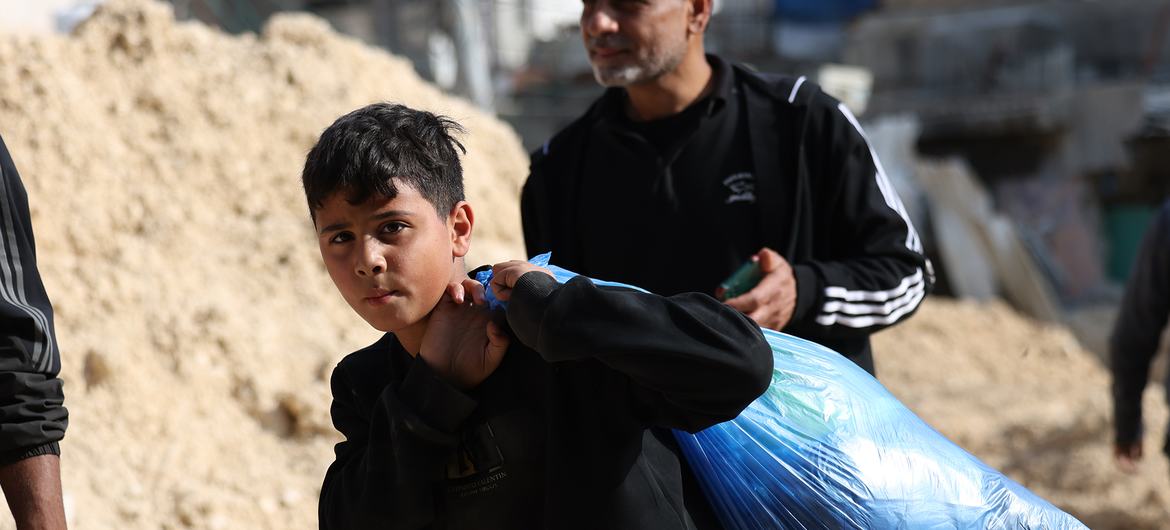
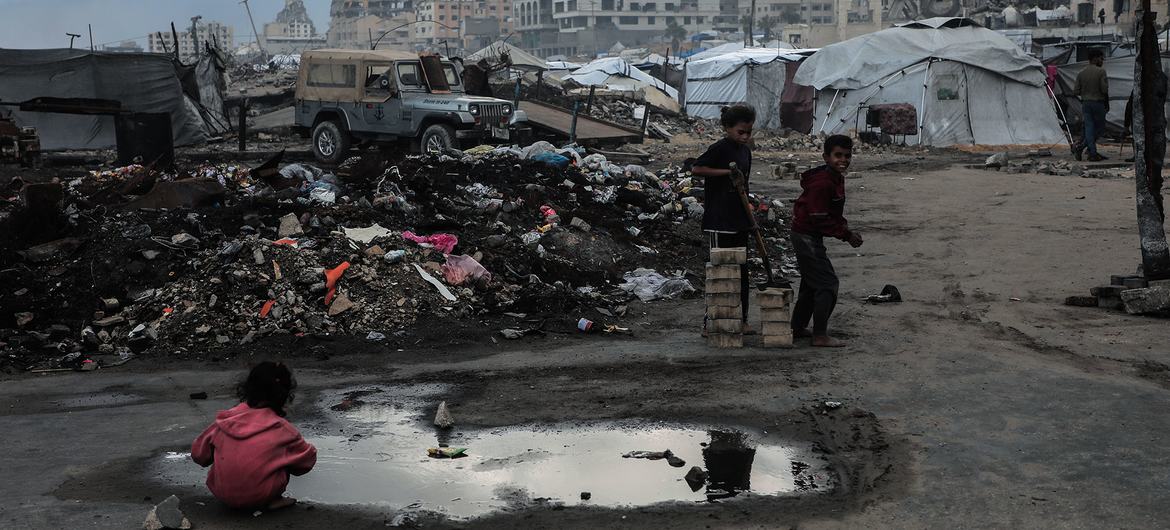
(UN News)* — Some 65,000 households in the Gaza Strip were affected by the severe winter storms that whipped through the enclave last month, the UN Office for the Coordination of Humanitarian Affairs (OCHA) said on Tuesday [].
“Tents were blown away or damaged, homes collapsed under storm conditions, and personal belongings were soaked,” according to its latest update.
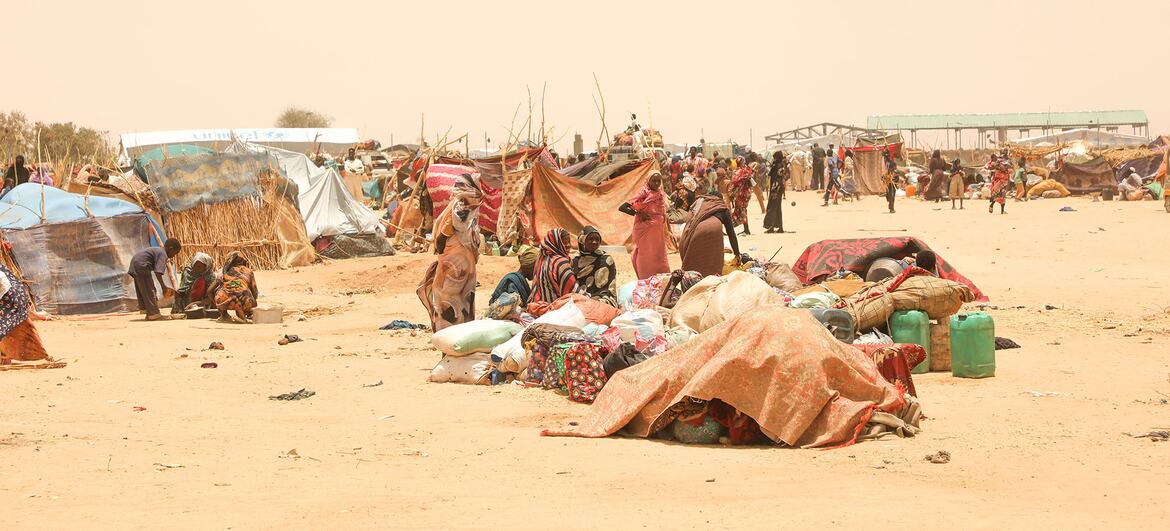
(UN News)* —Sudan’s deepening war is driving unprecedented levels of hunger, child malnutrition and displacement, UN agencies report, as new data from Darfur and a renewed refugee influx into Chad underscore the rapidly deteriorating situation.
The war, which erupted in April 2023 between the Sudanese Armed Forces (SAF) and the paramilitary Rapid Support Forces (RSF), has devastated civilian infrastructure, collapsed basic services and triggered one of the world’s largest displacement crises.
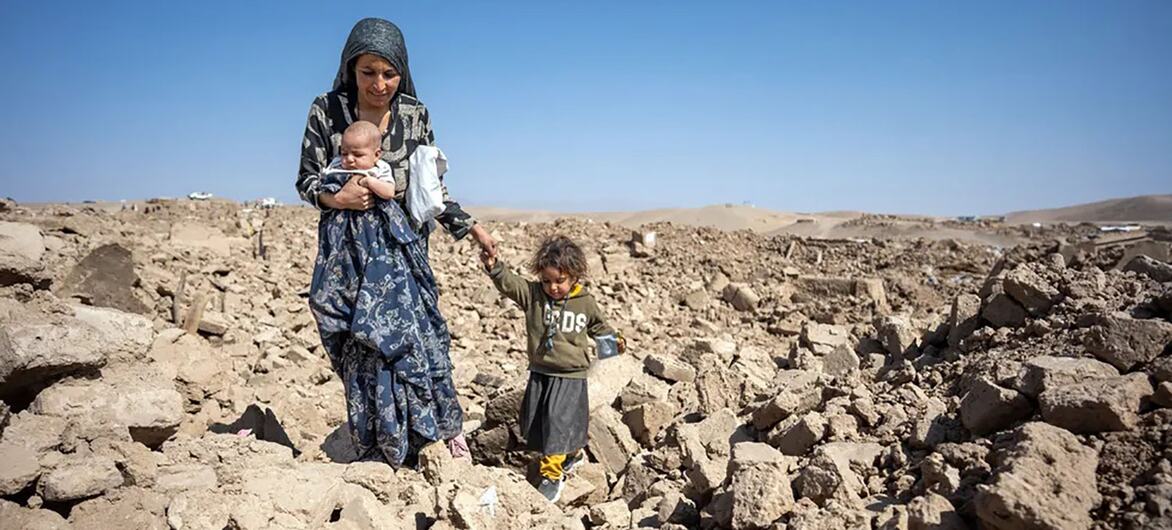
(UN News)* — Afghanistan is expected to remain one of the world’s largest humanitarian crises in 2026, UN agencies and humanitarian partners warned on Tuesday [], launching a $1.7 billion appeal to assist nearly 18 million people in urgent need.
Years of conflict, compounded by worsening food insecurity, recurrent natural disasters, climate change impacts and large-scale returns of displaced people, have left an estimated 45 per cent of the population – some 21.9 million people – in need of humanitarian assistance next year.
Of those, 17.5 million people – more than three-quarters of them women and children – have been prioritised for support under the coordinated response. Food security and sanitation remain among the most urgent needs.
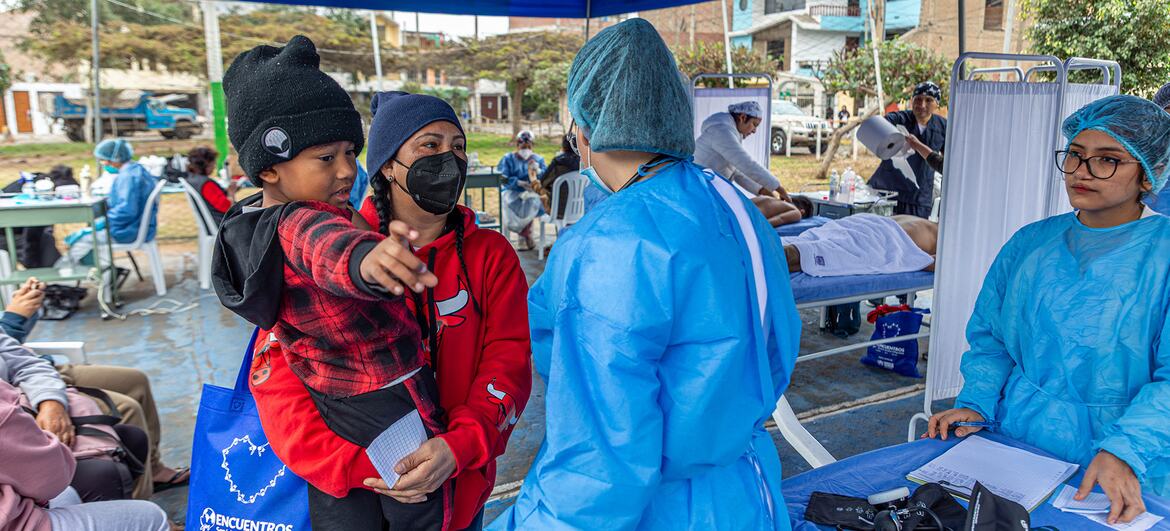
Venezuela’s political shock has sharpened global attention on a country already facing one of the world’s largest humanitarian and displacement crises. For the United Nations, the priority remains unchanged: protecting lives, sustaining basic services and supporting Venezuelans at home and across the region.
— Venezuela has endured years of economic collapse, political instability, hyperinflation and economic sanctions from Washington, compounded by floods, landslides and other climate shocks.
— According to the UN aid coordination office, OCHA, 7.9 million people— more than a quarter of the population — need urgent humanitarian assistance.


 HUMAN WRONGS WATCH