16/06/2021
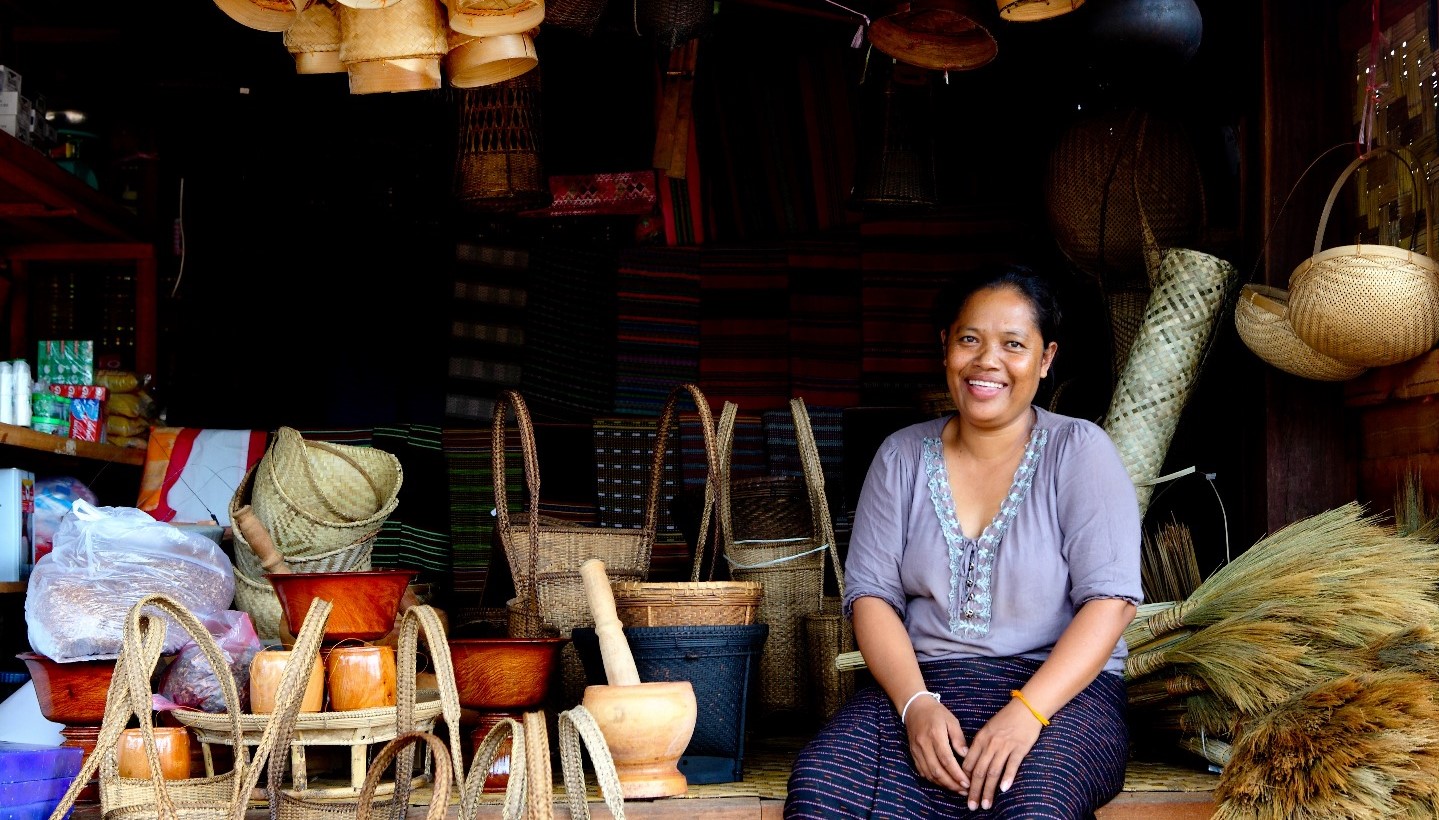 ©IFAD/GMB Akash
15 June 2021 (IFAD)* — Every year, on 16 June, the International Day of Family Remittances (IDFR) is observed to raise further awareness on the abnegation and sacrifice of migrant workers, who support their families and communities of origin through the money they send back home, particularly in these times of crisis.
This year, the IDFR lauds the human spirit and resilience of over 200 million migrants who defied predictions of the pandemic and continued to send money home to their countries of origin.
read more »
Posted in Africa, Asia, Climate Crisis, Latin America & Caribbean, Market Lords, Middle East, Migrants and Refugees, Mother Earth, Others-USA-Europe-etc., The Peoples, War Lords |
Leave a Comment »
16/06/2021

Over 200 million migrant workers sent US$554 billion back to their families in remittance-reliant countries in 2019. PHOTO:© IFAD
16 June 2021 (United Nations)* — The International Day of Family Remittances (IDFR) was adopted by the United Nations General Assembly and is observed on 16 June. The IDFR recognizes more than 200 million migrant workers, women and men, who send money home to over 800 million family members.
read more »
Posted in Africa, Asia, Climate Crisis, Latin America & Caribbean, Market Lords, Middle East, Migrants and Refugees, Mother Earth, Others-USA-Europe-etc., The Peoples, War Lords |
Leave a Comment »
16/06/2021
(UN News)* — Due to the ever-increasing demands of the global economy, the resources of the planet are being used up at an alarming rate and waste and pollution are growing fast. The idea of a more sustainable “circular economy” is gaining traction, but what does this concept mean, and can it help save the planet?
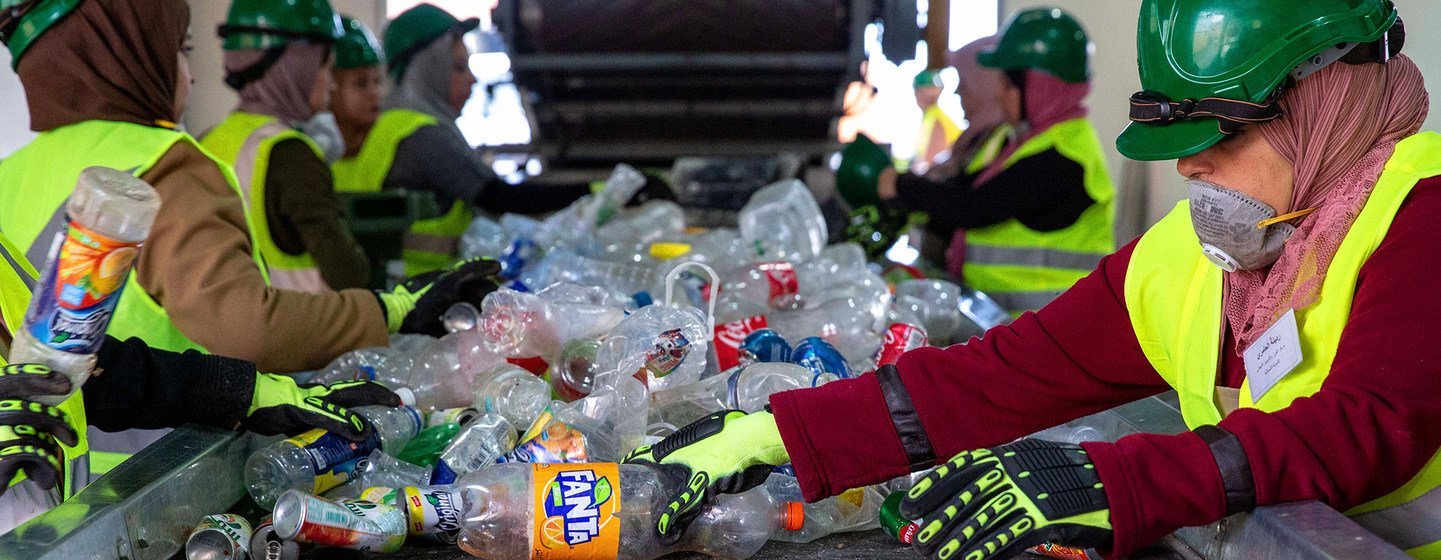
UNDP/Sumaya Agha | Women sort plastic at a recycling plant in Jordan.
1) Business as usual, the path to catastrophe
Unless we make some major adjustments to the way the planet is run, many observers believe that business as usual puts us on a path to catastrophe.
Around 90 per cent of global biodiversity loss and water stress (when the demand for water is greater than the available amount), and a significant proportion of the harmful emissions that are driving climate change, is caused by the way we use and process natural resources.
read more »
Posted in Africa, Asia, Climate Crisis, Latin America & Caribbean, Market Lords, Middle East, Migrants and Refugees, Mother Earth, Others-USA-Europe-etc., The Peoples |
Leave a Comment »
14/06/2021
Children around the world are being poisoned by lead on a massive and previously unrecognized scale.
.

UNICEF/UNI118470/Noorani
Lead is a highly poisonous element that is responsible for nearly 1.5 per cent of annual global deaths – almost as many deaths as from HIV and AIDS, and more than from malaria.
Nearly a third of the world’s children – up to 800 million children – are affected by lead poisoning.
read more »
Posted in Africa, Asia, Latin America & Caribbean, Market Lords, Middle East, Migrants and Refugees, Mother Earth, Others-USA-Europe-etc., The Peoples |
Leave a Comment »
14/06/2021
(FAO)* — Cotton is one of the most common fabrics in the world, from its origins in ancient India to the modern garments many of us wear today. This durable, versatile and naturally organic fabric is made from the white, fluffy fibres around the seeds of cotton plants.
Cotton is one of the most popular fabrics around the world, but, in some countries, child labour is common in its production. ©FAO/Swiatoslaw Wojtkowiak
However, the backstory of cotton is more complicated. Its production is heavily dependent on natural resources and labour; and unfortunately, child labour is often a part of this.
read more »
Posted in Africa, Asia, Latin America & Caribbean, Market Lords, Middle East, Migrants and Refugees, Mother Earth, Others-USA-Europe-etc., The Peoples, War Lords |
Leave a Comment »
14/06/2021
The International Labour Organization and UNICEF warn nine million additional children at risk as a result of COVID-19 pandemic.
Posted in Africa, Asia, Latin America & Caribbean, Market Lords, Middle East, Migrants and Refugees, Mother Earth, Others-USA-Europe-etc., The Peoples, War Lords |
Leave a Comment »
11/06/2021
$72.6 billion is how much nine nuclear armed countries spent on their nuclear weapons as the pandemic spread in 2020 and a global treaty banning nuclear weapons took full effect.

The report “Complicit: 2020 Global Nuclear Weapons Spending” details the spending of these nine countries on their arsenals, the companies that profited, and the lobbyists hired to keep nuclear weapons in business.
This amounts to $137,666 every minute, and (after adjusting for inflation) represents an increase of $1.4 billion from last year.
The U.S. spent three times more than the next in line- a whopping $37.4 billion.
China was the only other country crossing the ten billion mark, spending $10.1 billion.
Russia had the third highest spending at $8 billion, though the U.K.’s $6.2 billion and the French $5.7 billion weren’t so far behind.
India, Israel, Pakistan also each spent over a billion on their arsenals, while North Korea spent $667 million.
read more »
Posted in Africa, Asia, Latin America & Caribbean, Market Lords, Middle East, Migrants and Refugees, Mother Earth, Others-USA-Europe-etc., The Peoples, War Lords |
Leave a Comment »
08/06/2021

Magnificent sea anemone with its vivid red underside presents its guest, a resident pink skunk anemonefish. Ngemelis Region, Palau, South Pacific. This photo was one of the winners in the UN Oceans Day Photo Contest. PHOTO:Michael Gallagher
The ocean produces at least 50% of the planet’s oxygen, it is home to most of earth’s biodiversity, and is the main source of protein for more than a billion people around the world.
Not to mention, the ocean is key to our economy with an estimated 40 million people being employed by ocean-based industries by 2030.
read more »
Posted in Africa, Asia, Climate Crisis, Latin America & Caribbean, Market Lords, Middle East, Migrants and Refugees, Mother Earth, Others-USA-Europe-etc., The Peoples |
Leave a Comment »


 HUMAN WRONGS WATCH