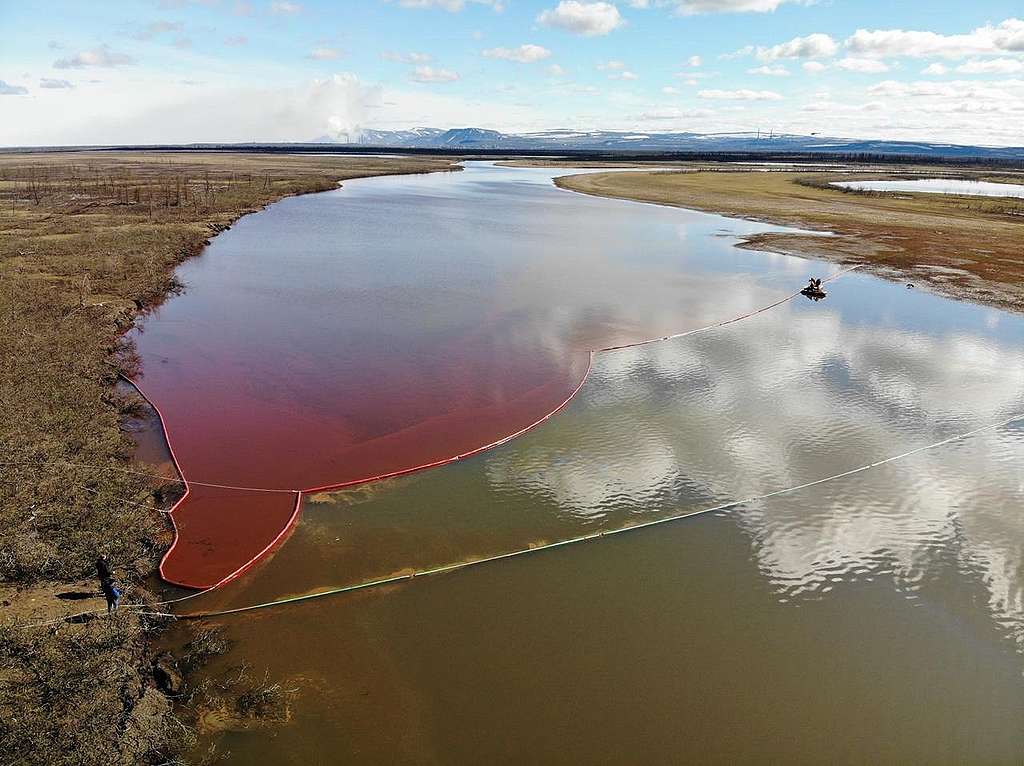
On May 29, 2020 over 20 thousand tons of diesel leaked into the water and soil from a storage tank owned by Norilsk Nickel near Norilsk, turning the Ambarnaya River red. According to official data, the oil spill in Norilsk is the largest ever in the polar Arctic. Norilsk Nickel were taken to a local court for the damage by the Rosprirodnadzor (the Federal Service for the Supervision of Natural Resources), a regulator which is part of the Ministry of Natural Resources in Russia.
13 February 2021 (IWGIA)* — La Guajira is a unique place. Located in the northern-most part of Colombia, it borders on the Caribbean Sea and features a desert landscape adorned with the rare vegetation of the dry, subtropical forest. As one delves deeper into the region, to the so-called Alta Guajira, the flora diminishes until there is nothing but thorny bushes called trumpillos. Likewise, the comforts of Western civilization also fade out as one gets farther from the coast.
The struggle against climate change can be neutralized by the circumstances and conditions under which the clean energy transition is carried out. The behaviour of wind-energy companies in La Guajira, the territory of the Wayuu indigenous people, serves as an illustrative example.
After I’d begun learning about telecommunications’ public health and environmental impacts; after more children than I can count became screen addicts; after studies showed that using a mobile phone increases risk of cancer (but didn’t get media attention) and far too many people got brain or tongue or thyroid cancer; after countless legislative sessions prohibited policymakers from considering the health or environmental effects of exposure to electromagnetic radiation when they voted to permit or deny new transmitting cellular antennas; after learning that 5G mobile networks’ deployment will increase telecommunications’ energy use and greenhouse gas emissions exponentially and increase the public’s and wildlife’s exposure to electromagnetic radiation, I admitted to myself that I am powerless over telecom corporations and that my life has become unmanageable.
ADDIS ABABA/NAIROBI/GENEVA/NEW YORK, 12 February 2021 (UNICEF)* – As more supplies and emergency personnel reach crisis-affected people in Tigray, an incomplete but troubling picture is emerging of severe and ongoing harm to children.
.
UNICEF/UN0412581/Leul Kinfu7-month-old Natan Hailay eats a high energy biscuit to boost his nutrition levels.Natan’s family are displaced from the Western Zone of Tigray Setit Humara Woreda and currently sheltered at Meserete high school in Mekelle.
Between 4 February and 7 February, a UNICEF team accompanied by the Regional Health Bureau Head travelled from Mekelle to the town of Shire in Central Tigray, with six trucks filled with 122 tons of emergency supplies. This was the first UN mission to Shire since the conflict erupted on 4 November 2020.
Humanitarian crisis continues to exert a terrible toll on children, warn FAO, UNICEF, WFP and WHO
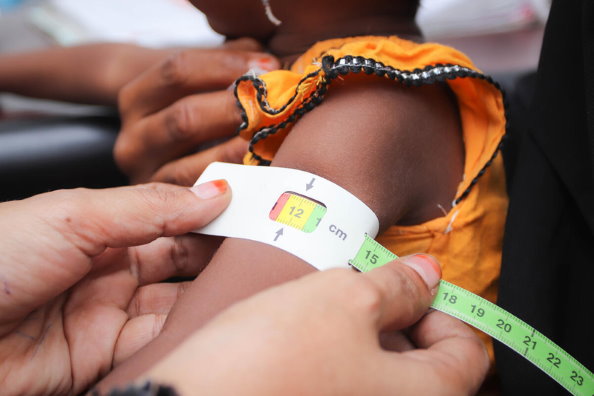
WFP/Alaa Noman, Mother at the health centre because one of her daughters 1 year and 4 months is suffering from malnutrition. Malnutrition surges among young children in Yemen as conditions worsen. WFP provides nutrition support to children and mothers in Yemen to both treat and prevent malnutrition.
SANA’A/ADEN/ROME/NEW YORK/GENEVA, Nearly 2.3 million children under the age of five in Yemen are projected to suffer from acute malnutrition in 2021, four United Nations agencies warned today [12 February 2021]. Of these, 400,000 are expected to suffer from severe acute malnutrition and could die if they do not receive urgent treatment.
(UN News)* — More children could be pushed into the joining armed forces and armed groups due to the impact of the coronavirus pandemic, senior United Nations and European Union (EU) officials said on International Day against the Use of Child Soldiers, observed on Thursday [12 February 2021].
.
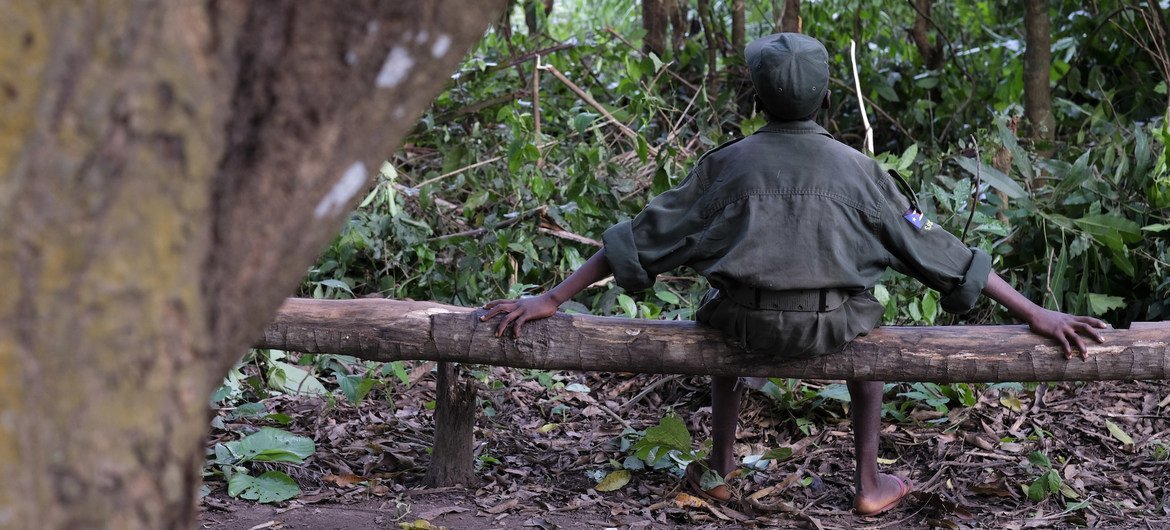
UNICEF/Sebastian Rich | A child solider sits on a log during a ceremony to release children from an armed group in South Sudan, in 2018. However, the risks of recruitment and use of children by armed forces and groups have risen due to the impact of the COVID-19 pandemic.
.
In a joint statement EU High Representative Josep Borrell and Special Representative of the UN Secretary-General for Children and Armed Conflict Virginia Gamba also warned that very few among those released by armed forces and groups are able to access reintegration programmes or support.
10 February 2021 (UN News)* — The challenge of tackling climate change is one that the UN needs to talk about “honestly, without scaremongering” and by focusing on scientific fact, according to Inger Andersen, the Executive Director of the UN Environment Programme (UNEP).
The UN agency which Ms Andersen describes as the “environmental conscience of the United Nations”, is at the centre of the global debate about sustainability, the environment and climate change.
The UNEP chief was interviewed by the Under-Secretary-General for Global Communications at the UN, Melissa Fleming, as part of the podcast series Awake at Night.
12 February 2021 (UN News)* — Amidst some positive news from the World Health Organization (WHO) that both COVID-19 deaths and new cases have recently been on the wane, there are “three major threats” to the UN-led international equitable vaccine initiative, COVAX, that require urgent attention.
WHO | A pharmacy at Fasham Urban Comprehensive Health Centre, Shemiranat District Tehran, Iran.
.Briefing UN Member States on Thursday [11 February 2021], WHO chief Tedros Adhanom Ghebreyesus drew attention to a $27 billion financing gap in the ACT Accelerator, which supports the development and equitable distribution of coronavirus tests, treatments and vaccines globally.
“The longer this gap goes unmet, the harder it becomes to understand why, given this is a tiny fraction of the trillions of dollars that have been mobilized for stimulus packages in G20 countries”, he said.
11 February 2021 (UNEP)* — A deadly flood in northern India, sparked by a cratering glacier, was not an isolated incident but the result of a rapidly warming planet, say experts. They warn the disaster, which has left over 140 feared dead, is a precursor of what is to come unless drastic measures are taken to slow climate change.
Photo: REUTERS/Anshree Fadnavis / 11 Feb 2021
The flood this week in the Himalayan state of Uttarakhand was caused by a glacier breaking away and falling into the valley, sending a surge of water downstream that engulfed villages and workers at a hydroelectric plant.
9 February 2021 (WMO)* — A relief and rescue operation is underway in Uttarakhand in the Indian Himalayas, after a part of the Nanda Devi glacier broke off and collapsed causing a massive massive flood in the Rishi Ganga /Dhauliganga river, reportedly causing loss of life and the destruction of two hydropower plants, bursting open existing dams, and other infrastructure. Many casualties were feared, alongside widespread environmental damage in an ecologically fragile area of Uttarakhand.
The exact cause of the disaster is yet to be ascertained. Early assessments indicate that the event involved a large avalanche of ice and rock.
The role of climate-related drivers, and climate change, was not immediately clear. This was not the first such avalanche from these slopes, as experts have identified a similar (but smaller) event from late-2016.





 HUMAN WRONGS WATCH